- 0086-571-85302990
- [email protected]




What certifications should organic fruit extract powder suppliers have?
2026-08-15
When you source organic fruit extract powder for your beverage, supplement, or health food line, the certificates a supplier holds tell you more than any product description on a website. Certification is the shortest, most reliable way to confirm that raw materials are genuinely organic, that production follows food-safety rules, and that every batch can be traced from farm to finished powder. This guide explains which certifications an organic fruit extract powder supplier should hold, what each one actually covers, and the documents you should ask to see before placing an order.
Why certifications matter for fruit extract powder buyers
Organic fruit extract powder is a processed ingredient, and its quality depends on decisions made at every step: which farms grew the fruit, which solvents were used in extraction, how the powder was dried, and how it was stored and shipped. A certificate is the only objective proof that a supplier follows agreed standards across that whole chain. Without it, a claim like "organic" or "food grade" is just a statement on a page.
For buyers, certifications also reduce risk in practical ways. They speed up customs clearance, make it easier to register a formula in your own market, and give you clear grounds to hold a supplier accountable if a batch fails. A well-certified manufacturer can hand over documents that regulators recognize, which saves weeks of back-and-forth later.
Organic certifications: the proof that "organic" is real
The most important credential for an organic fruit extract powder supplier is an organic certification that matches your target market. If you sell into the United States, look for USDA Organic. If you sell into Europe, EU Organic, often shown as a certification number such as EC 834/2007, is the standard regulators expect. Global certification bodies such as Ecocert also verify organic production and are widely accepted across multiple markets.
These certificates mean more than a stamp on a label. They confirm that the fruit was grown without synthetic pesticides, GMOs, or prohibited fertilizers, and that the facility keeps certified-organic product separate from conventional material during processing. Ask the supplier which organic standard their organic fruit extract powder line is certified under, because a certificate for one market may not satisfy the rules of another.
Food safety systems: ISO 22000, BRCGS, HACCP, and FSSC 22000
Organic status says a product was grown a certain way; food-safety certification says it was handled safely. For a fruit extract powder, the most relevant systems are ISO 22000, BRCGS, HACCP, and FSSC 22000. These standards force a manufacturer to identify where contamination, spoilage, or adulteration could happen, and to put controls in place at each of those points.
HACCP underpins the others and focuses on biological, chemical, and physical hazards during production. ISO 22000 builds on HACCP and adds a full food-safety management system. BRCGS is a global standard often demanded by European retailers and brand owners, while FSSC 22000 is a widely accepted scheme for manufacturers that supply large food companies. A supplier that holds one or more of these can show you a documented, audited process rather than a promise.
Good Manufacturing Practice and quality management
Good Manufacturing Practice (GMP) certification, sometimes verified by third parties such as SGS, confirms that production happens in a clean, controlled environment. For fruit extract powder, this matters because the material is eventually added to food or supplements, where hygiene and cross-contamination control are non-negotiable. A GMP-audited plant typically runs defined cleaning schedules, equipment checks, and operator training.
Alongside GMP, ISO 9001 shows a supplier runs an organized quality management system, with documented procedures for handling customer requirements, monitoring processes, and correcting problems. ISO 9001 is not specific to food, but it is a reliable signal that the company manages quality consistently rather than on a case-by-case basis.
Religious dietary certifications: HALAL and Kosher
If your products serve Muslim or Jewish consumers, or if you simply want to keep your ingredient options open, look for HALAL and Kosher certification. These verify that the fruit extract powder and the production line are free from materials that the respective dietary laws prohibit, and that the facility is audited accordingly. Holding both lets a manufacturer serve a wider range of brands without your team having to re-audit the source.
Even if religious compliance is not relevant to your current market, these certificates are a useful extra layer of quality assurance, because they are only issued after an independent inspection of the facility and its ingredients.
Export documentation and regulatory registration
An experienced organic fruit extract powder supplier should also be registered as an export food production enterprise in its home country, and be able to provide the paperwork needed for customs and regulatory submission. This includes export registration certificates, certificates of analysis (COA) per batch, and lab reports covering microbial and heavy-metal testing. These are the documents your own regulators and customs officers will actually read, so they matter as much as the marketing certificates.
A manufacturer that cannot produce batch-level COAs, or that hesitates when asked for its export registration, is a red flag regardless of how professional its website looks. Verification should always go back to documents, not words.
What to ask a supplier before you order
When you shortlist candidates, ask for these specific items rather than a general list of "certifications":
- The organic certificate that matches your target market, with the certification number and scope stated.
- A current food-safety certificate such as ISO 22000, BRCGS, HACCP, or FSSC 22000.
- GMP and ISO 9001 documents, ideally backed by a third-party audit report.
- HALAL and Kosher certificates if those markets matter to you.
- A batch COA and lab test report for the fruit extract powder you intend to buy.
- Export registration documents that show the product can legally leave its country of origin.
You can usually request these documents before paying anything. A confident and well-certified lemon juice powder supplier or fruit extract manufacturer will share them freely, because the paperwork is one of its strongest selling points.
A certified source to consider
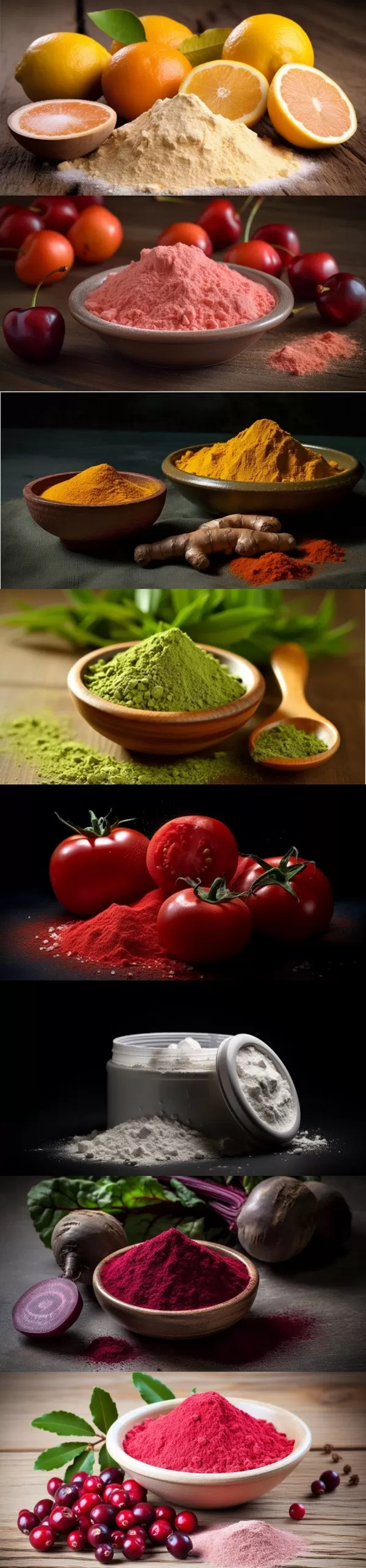
Greensky, a Hangzhou-based manufacturer established in 2004, is one example of a plant extract and fruit juice powder producer that holds a broad set of credentials. The company carries ISO 22000, BRCGS, Ecocert Organic Standard, SGS-GMP, ISO 9001, HALAL, and Kosher certifications, alongside registration as an export food production enterprise. Its product range includes sea buckthorn, beetroot, acerola, and organic lemon juice powder ingredients, and it operates a 100,000-class clean production area with an independent laboratory for batch testing.
What makes a supplier like Greensky easy to work with is that the certifications are backed by daily practice: spray drying and low-temperature concentration equipment, batch-level lab testing, and vertical integration from raw material research through to finished powder. When you request COAs and export documents, a manufacturer with this kind of setup can produce them without delay.
Bottom line
Before you commit to an organic fruit extract powder supplier, verify the certificates that matter for your market: organic certification, a recognized food-safety system, GMP and quality management, and HALAL or Kosher if relevant. Then confirm the paperwork exists at batch level with COAs and export registration. Certification is not a substitute for your own testing, but it is the fastest shortcut to a dependable, traceable supply chain.
- ▶ Hesperidin
- ▶ Citrus Bioflavonoids
- ▶ Plant Extract
- ▶ lycopene
- ▶ Diosmin
- ▶ Grape seed extract
- ▶ Sea buckthorn Juice Powder
- ▶ Fruit Juice Powder
- ▶ Hops Extract
- ▶ Artichoke Extract
- ▶ Mushroom extract
- ▶ Astaxanthin
- ▶ Green Tea Extract
- ▶ Curcumin
- ▶ Horse Chestnut Extract
- ▶ Other Product
- ▶ Boswellia Serrata Extract
- ▶ Resveratrol
- ▶ Marigold Extract
- ▶ Grape Leaf Extract
- ▶ New Product
- ▶ Aminolevulinic acid
- ▶ Cranberry Extract
- ▶ Red Yeast Rice
- ▶ Red Wine Extract
- ▶ blog
-
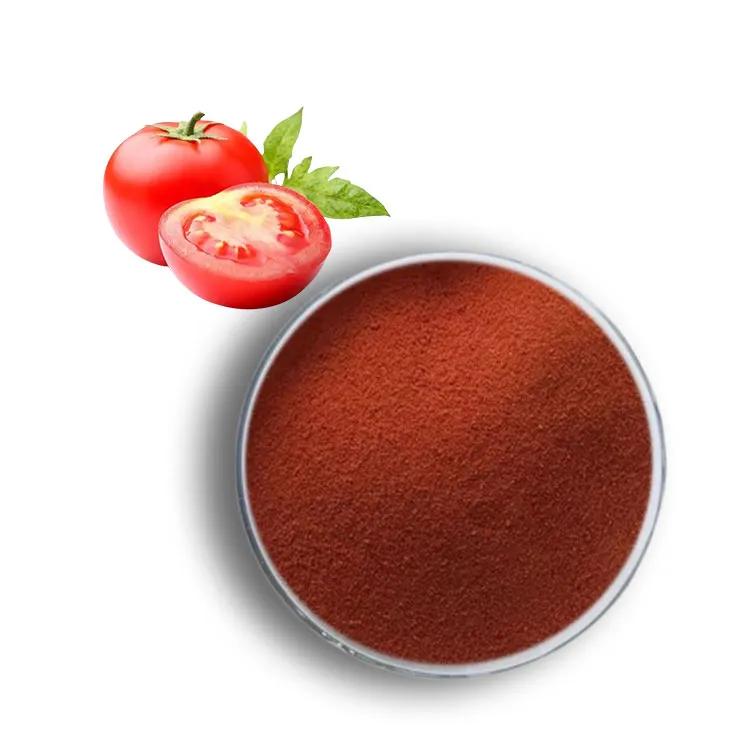
Lycopene
2026-08-15
-
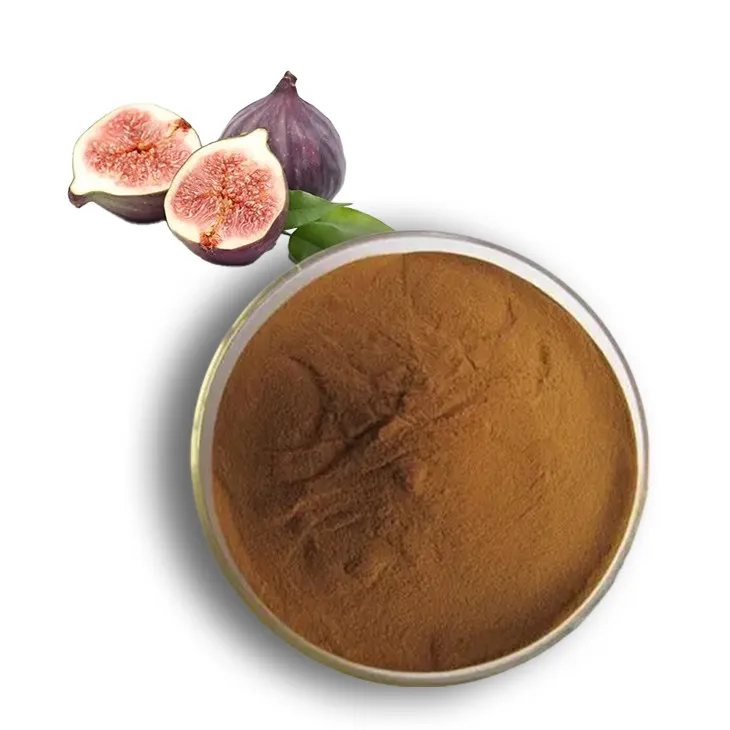
Fig Extract
2026-08-15
-
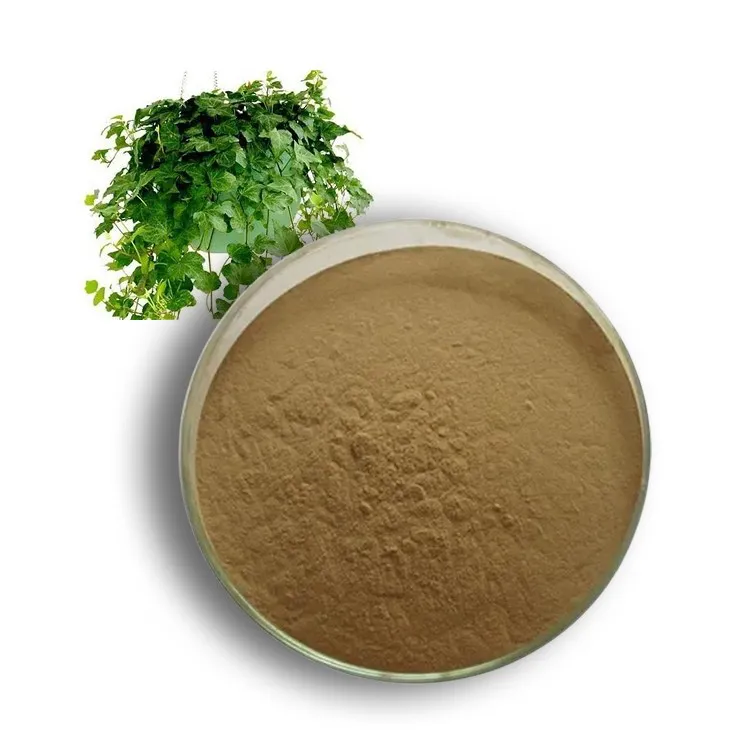
Ivy Extract
2026-08-15
-
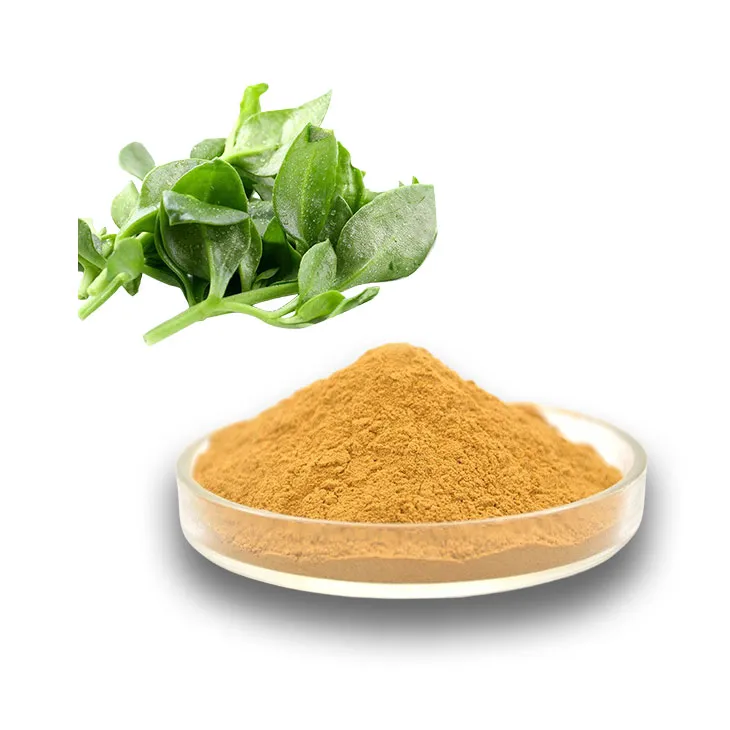
Andrographis Paniculata Extract Powder
2026-08-15
-
Panax Ginseng Leaf Extract
2026-08-15
-
Centella Asiatica Extract
2026-08-15
-
Thunder God Vine Extract
2026-08-15
-
Soy Extract
2026-08-15
-
American Ginseng Root Extract
2026-08-15
-
Epimedium extract powder
2026-08-15