- 0086-571-85302990
- [email protected]






What are the traditional saffron powder uses?
2026-08-15
Saffron has been treasured for more than three thousand years, and the way people use it today still follows patterns that were set long ago. Whether it is a pinch of ground saffron stirred into rice, a spoonful of saffron milk at bedtime, or a few threads steeped for a festive drink, the traditional uses of saffron powder are remarkably consistent across the cultures that have grown it. This article walks through those traditional uses, and explains why the same qualities that made saffron valuable in ancient kitchens still matter to modern food and supplement manufacturers.
What Is Saffron Powder?
Saffron powder is simply the dried stigmas of the Crocus sativus flower, ground into a fine powder. Because the powder disperses color and aroma more evenly than whole threads, it has always been the preferred form for cooking, baking, and blending into drinks. In modern manufacturing, saffron is also processed into a standardized plant extract powder, which concentrates the active compounds — crocin, picrocrocin, and safranal — so that color, taste, and aroma stay consistent from batch to batch.
Traditional Culinary Uses of Saffron Powder
The most famous traditional use of saffron powder is in rice. In Persian cooking, a pinch of ground saffron is dissolved in warm water and folded into rice to create the golden color and floral aroma of classic dishes such as tahdig and jeweled rice. In Indian cooking, kesar (saffron) is added to biryani, kheer, and festive sweets. In Spain, saffron gives paella its signature golden hue and warm, earthy depth.
Saffron powder also appears in soups, stews, and seafood dishes. A small amount added to a fish broth, a chicken soup, or a Moroccan tagine releases a gentle, honey-like aroma that deepens as the dish cooks. The rule in traditional kitchens is simple: use a small amount, add it early enough to infuse, and never boil it aggressively, because strong heat can drive away the delicate aroma.
Desserts and drinks are another traditional home for saffron powder. Saffron milk, saffron tea, golden milk, rice pudding, custards, and ice creams all rely on the spice’s ability to turn a plain dish into something golden and fragrant. In many households, a warm cup of saffron milk is still the traditional evening drink, valued as much for its comforting ritual as for its taste.
Traditional Medicinal and Wellness Uses
Beyond the kitchen, saffron powder has a long history in traditional medicine. In Persian and Ayurvedic traditions, it was used as a gentle tonic to support mood and calm the mind. It was also used to support digestion and to comfort women during the menstrual cycle. Traditional healers prepared saffron in warm milk or honey, always in small amounts, and always as a supportive remedy rather than a treatment for serious illness.
Modern research has taken an interest in these traditional uses. Studies have explored saffron for mood support, for antioxidant activity, and for eye health, and the results have encouraged supplement manufacturers to develop standardized saffron extracts. It is worth noting that these are supportive effects, not cures. Saffron should be used in small culinary amounts, and anyone considering a concentrated supplement should talk to a healthcare professional first.
Traditional Beauty and Skincare Uses
Saffron powder has also been a traditional beauty ingredient for centuries. In Indian and Middle Eastern skincare rituals, a pinch of saffron was mixed with milk, yogurt, honey, or sandalwood to make a paste for the face. The practice was valued for the spice’s natural golden color and its reputation for brightening and soothing the skin. These traditional preparations are the ancestors of the saffron-infused creams and serums sold today, and they explain why cosmetic formulators still look for high-quality Saffron Extract Powder.
Traditional Dyeing and Ceremonial Uses
Because of its intense color, saffron has been used as a natural dye for textiles and food for thousands of years. Buddhist monks in Southeast Asia still wear robes dyed with saffron, and the spice has long been used to color festive foods, wedding dishes, and ceremonial sweets. In many cultures, saffron is a symbol of celebration, hospitality, and good fortune, which is why it appears in the food served at weddings, religious festivals, and family gatherings.
Saffron Powder for Modern Manufacturers
The traditional uses of saffron powder have not disappeared; they have simply moved into modern production. Food manufacturers use saffron extract powder to color and flavor rice mixes, sauces, soups, dairy desserts, and beverages. Supplement brands use standardized saffron extracts for mood and wellness products. Cosmetic companies use saffron powder in skincare formulations. In every case, the buyer needs the same things that traditional cooks valued: consistent color, reliable aroma, and clean, safe sourcing.
This is where working with an experienced plant extract supplier makes a difference. A professional plant extract manufacturer can supply Saffron Extract Powder with documented purity, standardized active compounds, and full certificates of analysis. Greensky, a Hangzhou-based manufacturer founded in 2004, produces a wide range of plant extracts, including Saffron Extract Powder, in a 100,000-class clean production area, with an independent laboratory equipped with GC, HPLC, and UV testing. The company holds ISO22000, BRCGS, HALAL, Kosher, and other certifications, and its export documentation supports regulatory submissions in Europe, the United States, South Korea, and Russia.
Safety and Quality Considerations
Saffron is safe in the small amounts traditionally used in food. Problems usually arise only with large doses of concentrated extracts or supplements. Pregnant women, people taking blood thinners or antidepressants, and anyone undergoing medical treatment should avoid high-dose saffron products and consult a doctor first. For manufacturers, the practical concern is quality: because saffron is expensive, the market contains adulterated products, so buyers should always request lab reports and choose a supplier that can document the origin and purity of its material.
Conclusion
The traditional uses of saffron powder — in rice, soups, desserts, drinks, skincare, and celebration foods — have survived for thousands of years because they work. The color, aroma, and gentle wellness reputation that made saffron precious in ancient kitchens are exactly the qualities that modern food, supplement, and cosmetic manufacturers look for today. Whether you are cooking a traditional dish at home or sourcing ingredients for a production line, the principle is the same: start with clean, high-quality saffron, use it in sensible amounts, and let its natural color and aroma do the work.
TAGS:
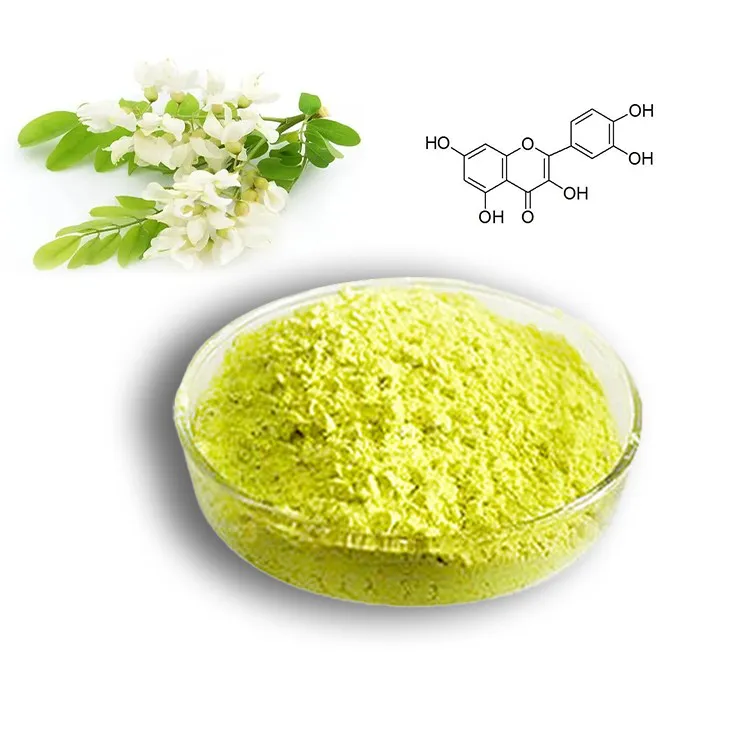
- ▶ Hesperidin
- ▶ Citrus Bioflavonoids
- ▶ Plant Extract
- ▶ lycopene
- ▶ Diosmin
- ▶ Grape seed extract
- ▶ Sea buckthorn Juice Powder
- ▶ Fruit Juice Powder
- ▶ Hops Extract
- ▶ Artichoke Extract
- ▶ Mushroom extract
- ▶ Astaxanthin
- ▶ Green Tea Extract
- ▶ Curcumin
- ▶ Horse Chestnut Extract
- ▶ Other Product
- ▶ Boswellia Serrata Extract
- ▶ Resveratrol
- ▶ Marigold Extract
- ▶ Grape Leaf Extract
- ▶ New Product
- ▶ Aminolevulinic acid
- ▶ Cranberry Extract
- ▶ Red Yeast Rice
- ▶ Red Wine Extract
- ▶ blog
-
Genistein
2026-08-15
-
Polygonum multiflorum extract
2026-08-15
-
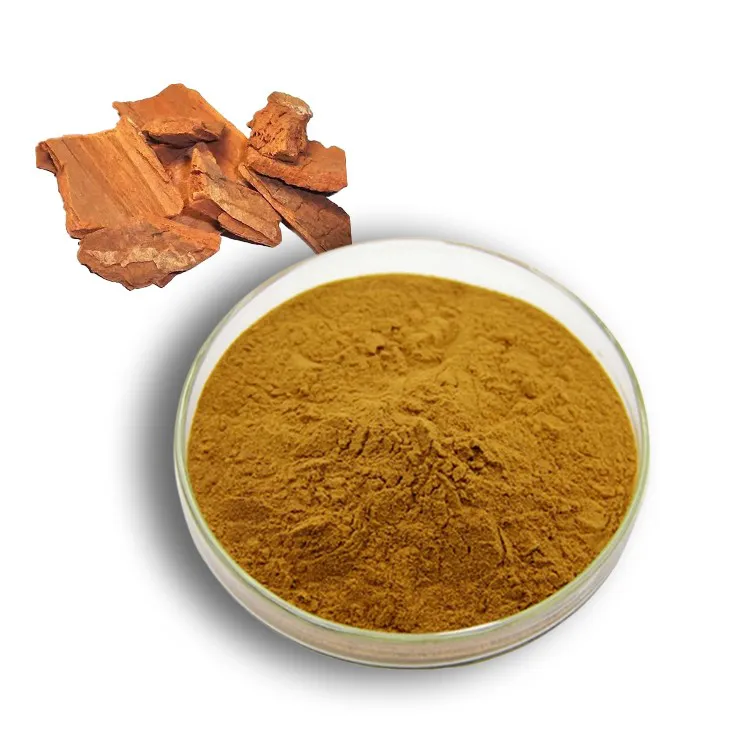
Yohimbine Bark Extract
2026-08-15
-
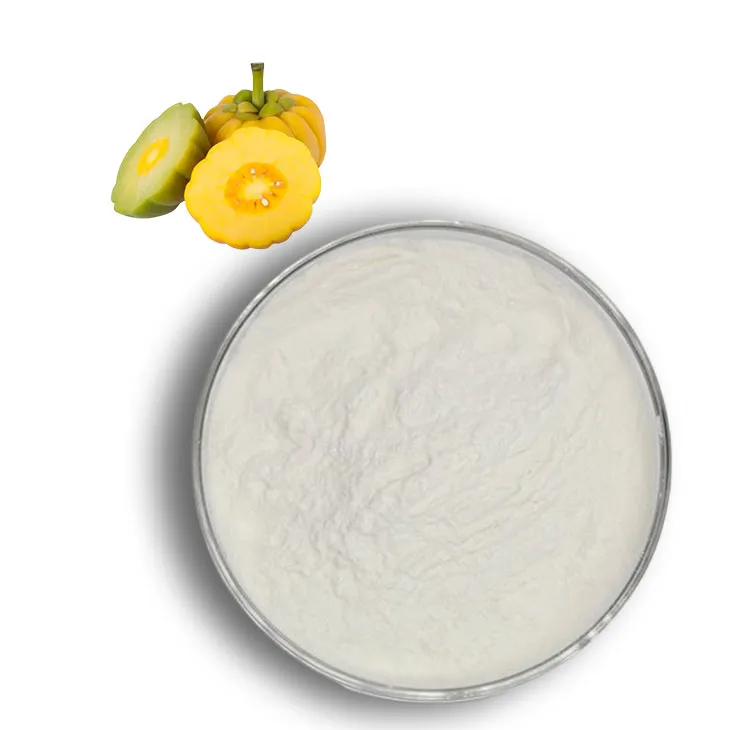
Garcinia Cambogia Extract
2026-08-15
-
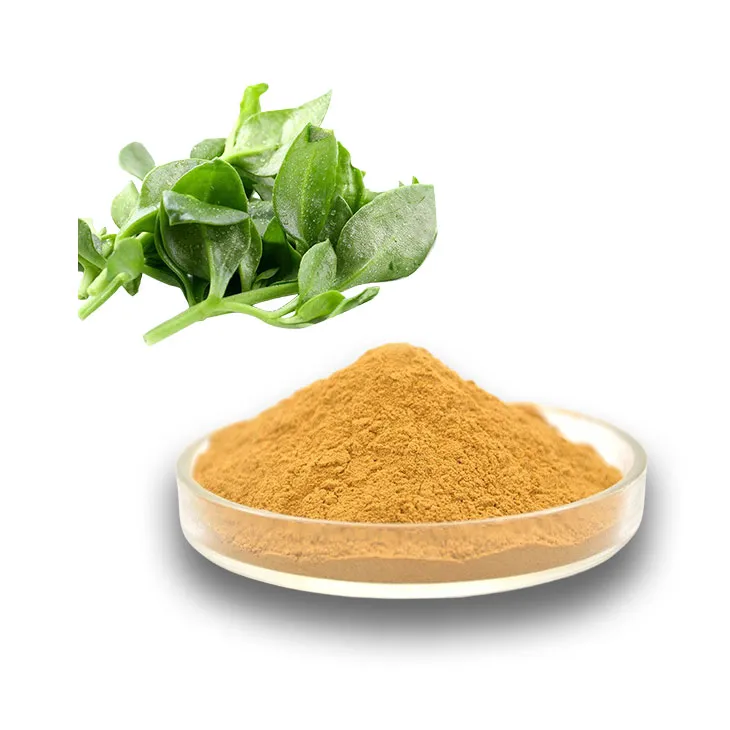
Andrographis Paniculata Extract Powder
2026-08-15
-
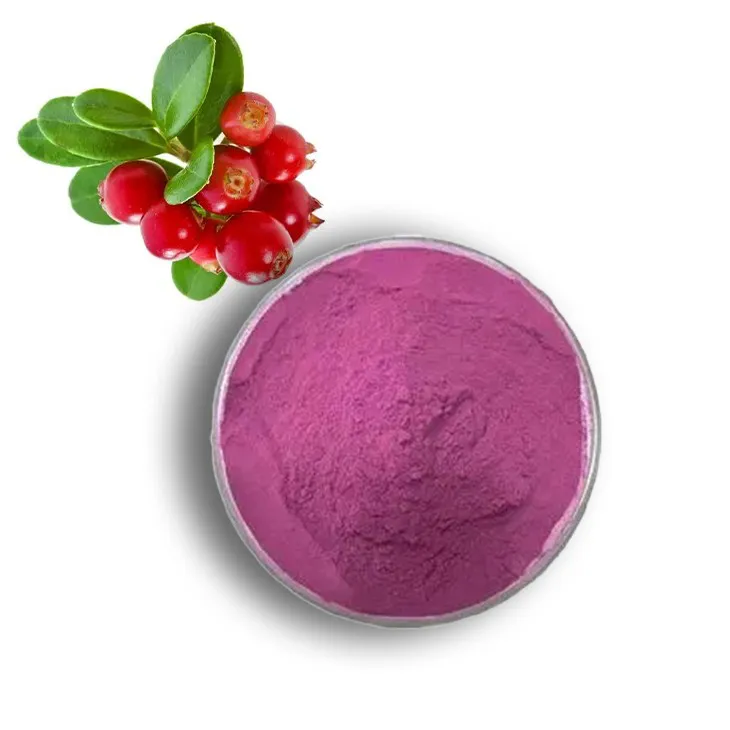
Europen Bilberry Extract
2026-08-15
-
Kupilu Extract
2026-08-15
-
Marigold Extract
2026-08-15
-
Thunder God Vine Extract
2026-08-15
-
Acai Berry Extract
2026-08-15
