- 0086-571-85302990
- [email protected]






What are the saponins benefits for digestion?
2026-08-15
Saponins are one of those plant compounds you have probably encountered without ever knowing their name. They are the reason quinoa tastes slightly bitter, the reason some legumes foam when soaked, and the reason ginseng has been prized in traditional herbal medicine for centuries. Beyond these everyday quirks, saponins are attracting growing attention from nutrition researchers — and one of the most interesting questions being asked is how they affect digestion. In this article, we look at what saponins are and the ways they may support digestive health.
What Are Saponins?
Saponins are a large family of naturally occurring glycosides — molecules made up of a sugar portion attached to a non-sugar portion called an aglycone. Their name comes from the Latin word "sapo," meaning soap, because they foam and lather when mixed with water. This soap-like, surface-active behavior is more than a curiosity; it is a clue to how these compounds interact with the digestive tract.
Saponins are broadly divided into two groups: triterpenoid saponins, found in plants such as soybeans, quinoa, and ginseng, and steroidal saponins, found in sources like wild yam and asparagus. Both groups are widely studied for their biological activity. Common dietary sources include legumes (soybeans, chickpeas, lentils), quinoa, oats, spinach, asparagus, garlic, licorice root, yucca, and ginseng.
How Saponins Benefit Digestion
The digestive benefits of saponins come largely from the fact that they are poorly absorbed in the upper digestive tract. Instead of being broken down quickly, saponin molecules spend a long time traveling through the intestines, where they interact with digestive processes and the community of microorganisms living there. Here are the main ways this plays out.
Supporting a Balanced Gut Microbiome
Research suggests saponins act in a prebiotic-like way in the gut. Studies have observed that saponin intake can encourage the growth of beneficial bacteria such as Lactobacillus and butyrate-producing species, while helping to keep harmful bacteria in check. A more balanced microbiome is closely linked to smoother digestion, better nutrient use, and overall gut comfort.
Helping Maintain the Intestinal Barrier
The lining of the intestine is a selective barrier that lets nutrients through while keeping unwanted substances out. Studies on saponins from plants such as Astragalus and Panax notoginseng have shown they can help support the integrity of this barrier, including the tight junctions between intestinal cells, and promote the adhesion of beneficial probiotic bacteria. A well-maintained barrier means a calmer, better-functioning digestive system.
Soothing Inflammatory Responses in the Gut
Saponins are well known for their anti-inflammatory properties, and this extends to the digestive tract. In experimental studies, saponins such as soyasaponins have been shown to reduce markers of intestinal inflammation. For people dealing with occasional digestive discomfort, this gentle, calming effect is one of the most appealing aspects of saponin-rich botanicals.
Supporting Healthy Cholesterol Levels
One of the best-documented digestive benefits of saponins is their ability to bind to cholesterol in the gut. By attaching to cholesterol and bile acids in the digestive tract, saponins can reduce the amount reabsorbed into the bloodstream, encouraging the body to excrete more of it. This cholesterol-binding action is one reason saponin-rich foods are frequently highlighted for heart health.
Helping Regulate Blood Sugar After Meals
Saponins may also slow the movement of glucose from the stomach into the small intestine and reduce glucose transport across the intestinal wall. This gentler, more gradual release of sugar into the bloodstream can help keep post-meal blood sugar levels steadier — a benefit that matters for anyone watching their metabolic health.
Promoting Regular Bowel Movements
Because of their surface-active nature, saponins can help emulsify fats and soften intestinal contents, which may support regularity and comfortable elimination. Combined with their antimicrobial activity, they contribute to a healthier environment for the whole digestive process.
Saponin-Rich Plant Extracts for Digestive Health
For formulators and supplement manufacturers, saponin-rich plant extracts offer a convenient way to bring these benefits into supplements and functional foods. A well-made saponin extract is produced from carefully selected botanical sources and standardized for consistent quality and activity.
The broader catalog of plant extracts also includes many saponin-containing botanicals — Ginseng Root Extract, Soy Extract, licorice root extract, fenugreek extract, wild Yam Extract, and gynostemma extract — giving product developers a wide palette to choose from when formulating digestive health products.
Choosing a Reliable Saponin Extract Supplier
Quality is everything when it comes to botanical extracts, and that is where working with an experienced plant extract supplier makes a real difference. A manufacturer with vertically integrated research, production, and quality control can offer far more than a raw powder — they can offer consistency, traceability, and regulatory support.
Greensky, for example, has been producing natural plant extracts since 2004. The company operates its own 100,000-class clean production area that meets food-grade requirements, maintains an independent laboratory equipped with GC, HPLC, and UV instruments, and holds certifications including ISO22000, BRCGS, Ecocert Organic Standard, SGS-GMP, ISO9001, HALAL, and Kosher. With export markets across Europe, the United States, South Korea, and Russia, Greensky is well positioned to support brands that take digestive health seriously.
Safety and Moderation
Saponins are generally safe when consumed in normal dietary amounts, and most people eat them every day without giving them a second thought. However, very high concentrations can irritate the digestive tract, causing bloating, gas, or nausea, and may interfere with the absorption of certain minerals such as iron, zinc, and calcium. This is why proper processing matters — soaking, cooking, and fermentation reduce saponin levels in foods, and well-formulated extracts are designed around safe, effective doses.
Conclusion
Saponins are much more than the bitter, foamy compounds that give some plant foods their bite. Through their interactions with the gut microbiome, the intestinal barrier, and digestive processes, they offer a range of potential benefits for digestion — from supporting a balanced gut flora to helping manage cholesterol and blood sugar. As with any botanical, balance and quality are key. Whether you are adding saponin-rich foods to your diet or formulating a new supplement, choosing a trusted source makes all the difference.
Frequently Asked Questions
What foods are rich in saponins? Legumes such as soybeans, chickpeas, and lentils, along with quinoa, oats, spinach, asparagus, garlic, licorice root, yucca, and ginseng, are all good sources of saponins.
Are saponins safe for daily consumption? Yes, saponins are generally safe in normal dietary amounts. Very high doses can cause digestive discomfort or reduce mineral absorption, which is why properly processed foods and standardized extracts are recommended.
Can saponins help with cholesterol? Saponins can bind to cholesterol and bile acids in the digestive tract, reducing the amount reabsorbed into the bloodstream and supporting healthy cholesterol levels as part of a balanced diet.
Do saponins support gut health? Research indicates saponins can promote beneficial gut bacteria, support the intestinal barrier, and help calm inflammatory responses in the digestive tract, all of which contribute to better gut health.
TAGS:
- ▶ Hesperidin
- ▶ Citrus Bioflavonoids
- ▶ Plant Extract
- ▶ lycopene
- ▶ Diosmin
- ▶ Grape seed extract
- ▶ Sea buckthorn Juice Powder
- ▶ Fruit Juice Powder
- ▶ Hops Extract
- ▶ Artichoke Extract
- ▶ Mushroom extract
- ▶ Astaxanthin
- ▶ Green Tea Extract
- ▶ Curcumin
- ▶ Horse Chestnut Extract
- ▶ Other Product
- ▶ Boswellia Serrata Extract
- ▶ Resveratrol
- ▶ Marigold Extract
- ▶ Grape Leaf Extract
- ▶ New Product
- ▶ Aminolevulinic acid
- ▶ Cranberry Extract
- ▶ Red Yeast Rice
- ▶ Red Wine Extract
- ▶ blog
-
Moringa powder
2026-08-15
-
Green coffee bean Extract
2026-08-15
-
Almond Extract Powder
2026-08-15
-
Mangosteen extract powder
2026-08-15
-
Passionflower Extract
2026-08-15
-
Tormentil Extract
2026-08-15
-
Shikone Extract
2026-08-15
-
Black Seed Extract
2026-08-15
-
Feverfew Extract
2026-08-15
-
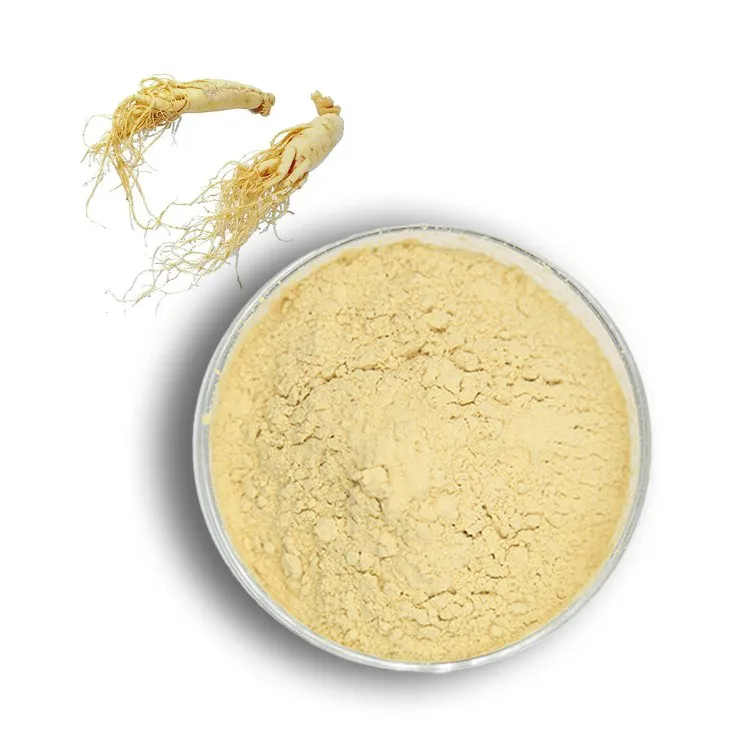
Ginseng Root Extract
2026-08-15
