- 0086-571-85302990
- [email protected]






What are the marigold extract benefits for skin?
2026-08-14
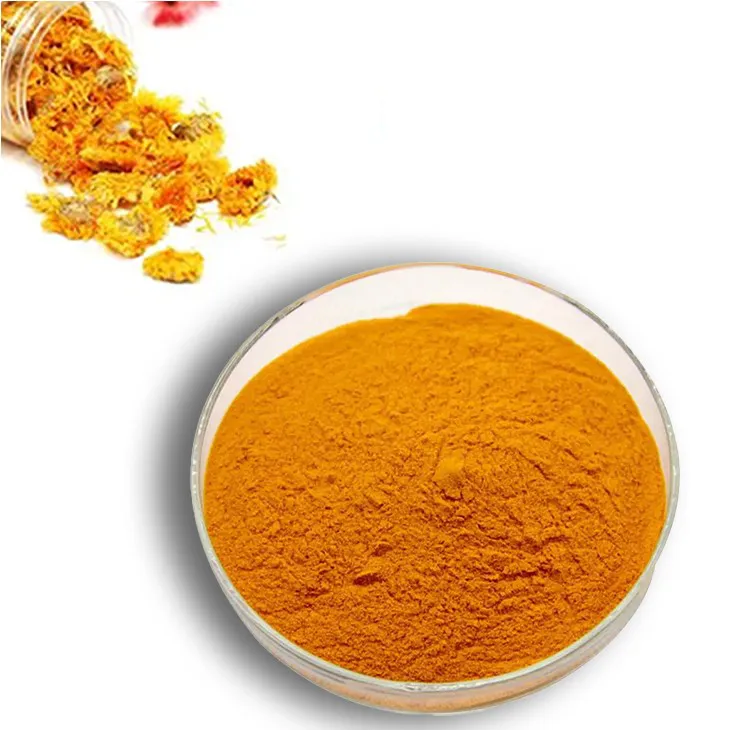
Marigold has been a familiar face in gardens for centuries, but its real value goes far beyond bright orange petals. Behind the cheerful blooms sits a botanical that has quietly earned a reputation in skincare, from calming irritated complexions to supporting the skin's natural collagen. If you have ever wondered what Marigold Extract actually does for the skin, and whether it deserves a place in your routine or your product line, this article walks through the science and the practical details.
What is Marigold Extract?
The term "Marigold Extract" can refer to two different plants, and the distinction matters. In skincare, marigold most often means Calendula officinalis, a member of the Asteraceae family whose golden flowers are packed with flavonoids, triterpenoids, and plant polysaccharides. These compounds give the extract its soothing and antioxidant character. In other contexts, particularly in color and eye-health applications, "marigold" refers to Tagetes erecta, the source of lutein and zeaxanthin. Both are valuable, but they serve different purposes, so it is worth checking the botanical source before choosing a product.
At Greensky, the marigold extract offered is a powerful antioxidant rich in lutein and zeaxanthin, while the Calendula Extract from Calendula officinalis flowers is prized specifically for skincare and herbal remedies thanks to its flavonoids and triterpenoids.

Key benefits of marigold extract for skin
1. Antioxidant protection against daily damage
The skin is constantly exposed to environmental stressors, from UV light to pollution, that generate free radicals. Left unchecked, these reactive molecules attack collagen and elastin, which is one of the main reasons skin loses firmness and develops fine lines over time. The flavonoids and polyphenols in marigold extract act as scavengers, neutralizing free radicals before they can do much harm. Research on marigold methanol extract has shown strong free-radical-scavenging activity, which helps explain why the botanical is so often described as a protective ingredient.
2. Soothing and calming irritated skin
Calendula has a long history in herbal medicine as a gentle, calming botanical. Its triterpenoids and flavonoids give it anti-inflammatory properties that help reduce the look of temporary redness and discomfort. This makes it a natural fit for sensitive or reactive skin types, after-sun care, and products designed to calm skin that feels stressed. It is no coincidence that calendula appears so often in baby care and post-procedure formulations, where gentleness is non-negotiable.
3. Supporting collagen and fighting visible aging
One of the most interesting findings from laboratory studies is how marigold extract interacts with the skin's support structures. In human dermal fibroblast studies, marigold extract significantly increased the synthesis of type I procollagen, the building block of firm, plump skin, while suppressing the activity of matrix metalloproteinases, the enzymes that break collagen down during aging. In practical terms, this means the extract may help the skin hold onto its structure and appear smoother and more resilient over time.
4. Supporting the skin barrier and hydration
A healthy skin barrier keeps moisture in and irritants out. Marigold extract contributes to a comfortable, well-hydrated feel by supporting the skin's natural conditioning processes, and it pairs well with humectants like glycerin and barrier supporters such as ceramides. For formulators, this makes it a versatile addition to serums, gel-creams, moisturizers, and balms without weighing the formula down.
5. A gentle option for most skin types
Because marigold extract is non-stripping and works by calming rather than aggressively resurfacing, it suits a wide range of skin types, including dry, combination, and temporarily sensitive skin. As with any botanical, a patch test is wise, and people with known sensitivities to the Asteraceae family, such as chamomile or arnica, should proceed with care.

What the research says
The evidence behind marigold extract is more than anecdotal. A study published in Toxicology Research examined marigold methanol extract in human dermal fibroblasts and found that it increased type I procollagen synthesis by more than 80 percent, reduced the expression of MMP-1, a key collagen-degrading enzyme, and boosted laminin-5, a protein that helps anchor the epidermis to the dermis. In other words, the extract appears to support the skin from multiple angles: protecting it from oxidative stress, slowing collagen breakdown, and encouraging the production of fresh structural proteins. These findings align with the traditional use of calendula in skincare and give formulators a solid scientific foundation for including it in their products.

How to choose a quality marigold extract
Not all marigold extracts are created equal, and for brands and manufacturers, the sourcing decision matters. A reliable supplier should be able to document the botanical source, the extraction method, and the concentration of active compounds. Look for manufacturers with clean production facilities, independent quality testing, and recognized certifications. Greensky, for example, operates a 100,000-class clean production area, runs its own laboratory equipped with GC, HPLC, and UV analysis, and holds certifications including ISO22000, BRCGS, Ecocert Organic Standard, SGS-GMP, ISO9001, HALAL, and Kosher. With over 20 years of experience in botanical extraction and a catalog of more than 150 plant extracts, the company supplies raw materials to brands across Europe, the United States, South Korea, and Russia.
If you are developing skincare products and looking for reliable botanical ingredients, exploring plant extracts for skin care is a practical starting point. The right extract, backed by solid documentation and consistent quality, can become the backbone of a trustworthy formulation.

Final thoughts
Marigold extract earns its place in skincare through a combination of traditional use and modern science. It protects against oxidative stress, calms irritation, supports collagen production, and suits a broad range of skin types, all while remaining gentle enough for sensitive formulas. Whether you are choosing a serum for your own routine or sourcing ingredients for a new product line, marigold extract is a botanical worth taking seriously.
TAGS:
- ▶ Hesperidin
- ▶ Citrus Bioflavonoids
- ▶ Plant Extract
- ▶ lycopene
- ▶ Diosmin
- ▶ Grape seed extract
- ▶ Sea buckthorn Juice Powder
- ▶ Fruit Juice Powder
- ▶ Hops Extract
- ▶ Artichoke Extract
- ▶ Mushroom extract
- ▶ Astaxanthin
- ▶ Green Tea Extract
- ▶ Curcumin
- ▶ Horse Chestnut Extract
- ▶ Other Product
- ▶ Boswellia Serrata Extract
- ▶ Resveratrol
- ▶ Marigold Extract
- ▶ Grape Leaf Extract
- ▶ New Product
- ▶ Aminolevulinic acid
- ▶ Cranberry Extract
- ▶ Red Yeast Rice
- ▶ Red Wine Extract
- ▶ blog
-
Black Pepper Extract
2026-08-14
-
Echinacea Extract
2026-08-14
-
Pomegranate Extract
2026-08-14
-
Tamarind extract powder
2026-08-14
-
Fenugreek Extract Powder
2026-08-14
-
Red Vine Extract
2026-08-14
-
Uridine-5'-monophosphate Disodium salt
2026-08-14
-
Astaxanthin
2026-08-14
-
Phellodendron Extract
2026-08-14
-
Bayberry Extract
2026-08-14
