- 0086-571-85302990
- [email protected]






What are the different forms of rosemary extract available?
2026-08-13
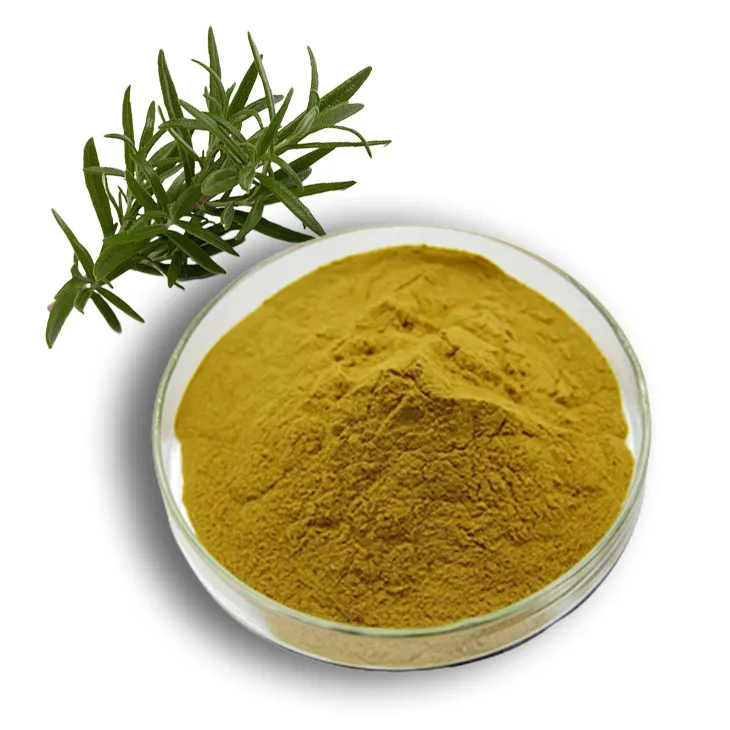
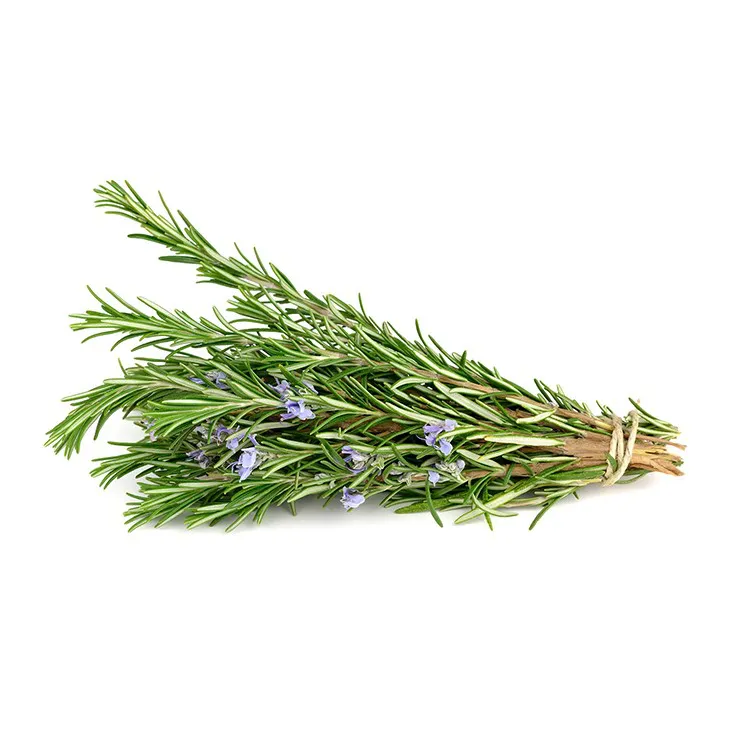
Rosemary extract has earned a reputation as one of the most versatile natural ingredients in the food, beverage, cosmetics, and supplement industries. Thanks to its rich profile of antioxidants and antimicrobial compounds, it is valued for everything from extending shelf life to supporting skin and hair health. But if you are shopping for a raw material, the first question that usually comes up is simple: what forms can it actually come in? The answer matters because the right format depends on your application, your production line, and the end product you are building.
What makes Rosemary extract so widely used
Before exploring the different forms, it helps to understand why Rosemary extract performs so well. The plant contains a distinctive set of bioactive compounds, most notably the phenolic diterpenes carnosic acid and carnosol, together with the water-soluble polyphenol rosmarinic acid. Research has shown that carnosic acid and carnosol can account for up to 90% of the herb's antioxidant capacity, while rosmarinic acid contributes powerful anti-inflammatory and antibacterial activity. Because the extraction method and solvent shape the final phytochemical profile, manufacturers can produce extracts tailored to different applications simply by choosing the right form.
The main forms of rosemary extract
In the commercial market, rosemary extract is generally available in five principal forms. Each has its own strengths, and none is universally "best" — the ideal choice is the one that fits your formulation and process.
1. Powdered rosemary extract
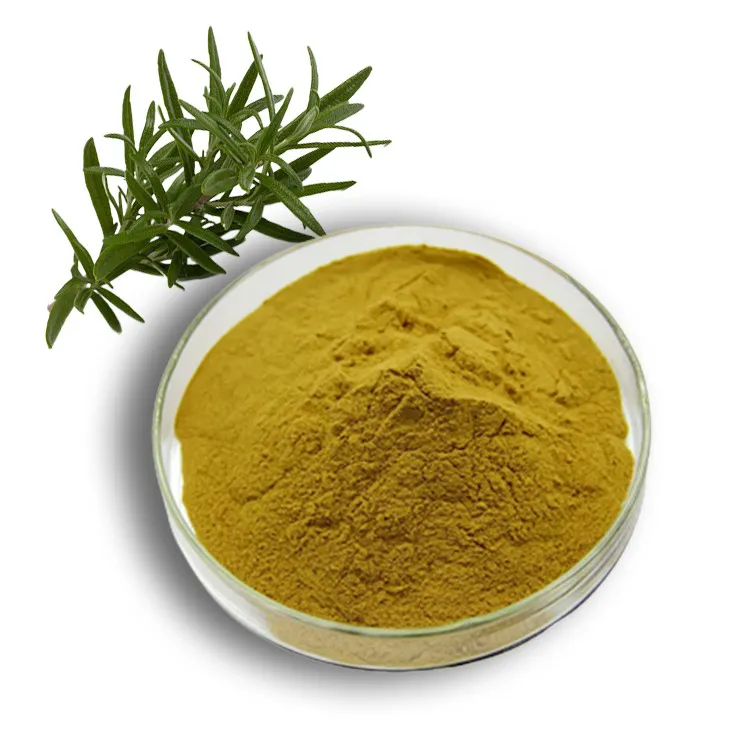
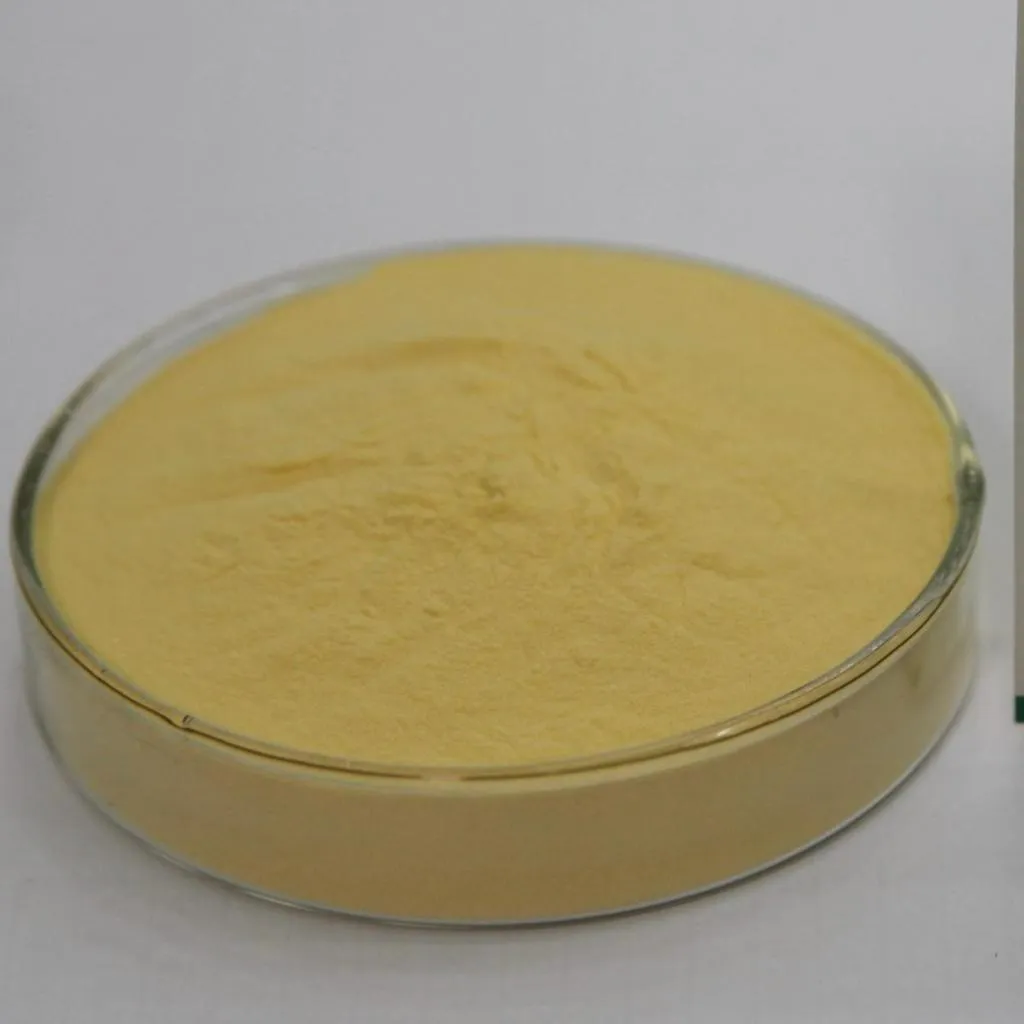
Powdered rosemary extract is the most common and versatile form. Dried and ground into a fine powder, it is easy to measure, blend, and transport, and it offers a long, stable shelf life. It dissolves or disperses readily in a wide range of matrices, making it the default choice for dietary supplements, tablets, capsules, dry beverage mixes, and seasoning blends. For buyers who value flexibility and convenience, a high-quality powdered extract is usually the safest starting point.
2. Liquid or fluid rosemary extract
Liquid rosemary extract is a concentrated solution, typically produced by extracting the leaves with water, ethanol, or a hydroalcoholic solvent. Because a water-soluble liquid is generally rich in rosmarinic acid, it works especially well in beverages, sauces, marinades, and other products with a water-based matrix. Liquid formats are also convenient for dosing that can be added directly to a formulation without a separate dispersion step.
3. Rosemary oleoresin
Oleoresin is a solvent-extracted, semi-viscous concentrate that carries the natural flavor, color, and antioxidant fraction of the plant. It is valued in the food industry for delivering both taste and preservation in a highly concentrated, oil-compatible form. Because it is oil-soluble, oleoresin is a natural fit for meat products, oils, fats, fried snacks, and other lipid-based formulations.
4. Rosemary essential oil
Rosemary essential oil is obtained by steam distillation and is quite different from an extract. It is a volatile, aromatic oil rich in monoterpenes and sesquiterpenes such as 1,8-cineole, camphor, and alpha-pinene. While it retains antimicrobial and antioxidant properties, its main appeal is fragrance and aroma. Essential oil is widely used in personal care, aromatherapy, and cosmetic products where scent and sensory experience matter more than standardized polyphenol content.
5. Standardized rosemary extract
For applications where consistent potency is critical, standardized extract is the way to go. These products are refined to guarantee a set level of a marker compound — commonly a specified percentage of rosmarinic acid, or of carnosic acid and carnosol combined. The standardization removes batch-to-batch variability, which is essential for finished goods that must meet label claims, regulatory requirements, and quality-control targets. This is the form most often used by supplement brands and food manufacturers that need reproducible results.
How to choose the right form for your product
A practical rule of thumb is to match the extract form to your final matrix. For water-based products such as beverages, a liquid or water-soluble powder rich in rosmarinic acid is a strong choice. For oils, fats, and processed meats, an oil-soluble oleoresin or a diterpene-rich extract delivers the antioxidant protection where it is needed most. For dietary supplements that require consistent dosing and labeling, a standardized powder is usually preferred. And for cosmetics and fragrances, where aroma matters, essential oil often takes the lead.
Why sourcing from the right supplier matters
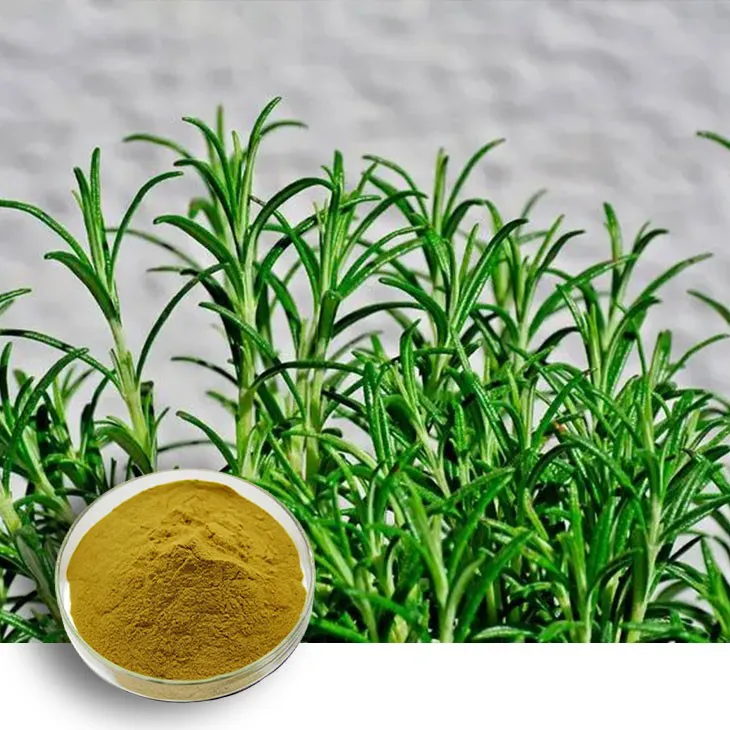
The form is only part of the story. The quality of your rosemary extract also depends heavily on where it comes from. A reliable supplier controls raw material sourcing, extraction conditions, and analytical testing so that every batch meets the agreed specification. This is especially important for standardized extracts, where the marker content must be verified with methods such as HPLC. Working with a manufacturer that operates its own production lines and laboratory gives you traceability, consistent quality, and confident regulatory documentation.
If you are evaluating options for your next formulation, it is worth speaking with a rosemary extract supplier that can explain how each form behaves in your specific product. Greensky, a plant extract manufacturer established in 2004, offers bulk rosemary extract in multiple formats and supports global buyers with ISO22000, BRCGS, SGS-GMP, and other certifications. Whether you need a powdered standard for supplements or an oil-soluble grade for lipid systems, experienced suppliers can help you match the form to the application and get the most value from your raw material investment.
Conclusion
Rosemary extract is rarely a one-size-fits-all ingredient. Understanding the differences between powdered, liquid, oleoresin, essential oil, and standardized forms enables you to select the format that performs best in your product. Combined with a dependable upstream partner, the right bulk rosemary extract can deliver consistent antioxidant protection, clean-label appeal, and reliable quality batch after batch.
TAGS:
- ▶ Hesperidin
- ▶ Citrus Bioflavonoids
- ▶ Plant Extract
- ▶ lycopene
- ▶ Diosmin
- ▶ Grape seed extract
- ▶ Sea buckthorn Juice Powder
- ▶ Fruit Juice Powder
- ▶ Hops Extract
- ▶ Artichoke Extract
- ▶ Mushroom extract
- ▶ Astaxanthin
- ▶ Green Tea Extract
- ▶ Curcumin
- ▶ Horse Chestnut Extract
- ▶ Other Product
- ▶ Boswellia Serrata Extract
- ▶ Resveratrol
- ▶ Marigold Extract
- ▶ Grape Leaf Extract
- ▶ New Product
- ▶ Aminolevulinic acid
- ▶ Cranberry Extract
- ▶ Red Yeast Rice
- ▶ Red Wine Extract
- ▶ blog
-
Nettle leaf extract
2026-08-13
-
Pueraria Lobata Extract
2026-08-13
-
Phyllanthus Emblica Extract
2026-08-13
-
Bitter Melon Extract
2026-08-13
-
Eucommia Ulmoides Extract
2026-08-13
-
Cat Claw Extract
2026-08-13
-
Lycopene
2026-08-13
-
Baobab Fruit Extract
2026-08-13
-
Senna Leaf Extract
2026-08-13
-
Agaricus Blazei Extract
2026-08-13
