- 0086-571-85302990
- [email protected]




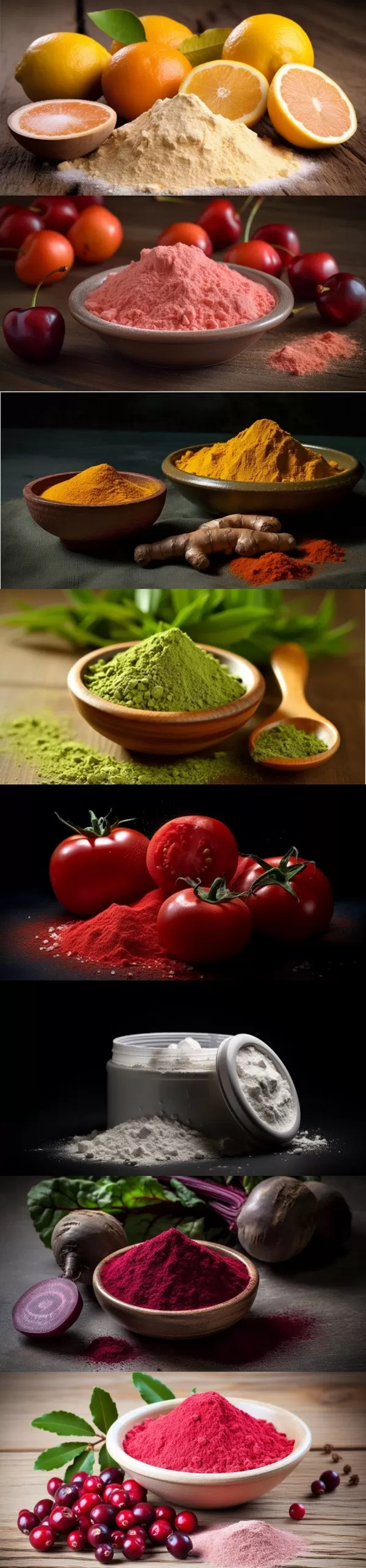

What are the benefits of olive leaf extract?
2026-08-17
For centuries, the olive tree has been a symbol of health and longevity, and the leaves of this hardy Mediterranean tree have quietly carried their own tradition of use in herbal medicine. Today, olive leaf extract has stepped out of the folklore and into the supplement aisle, where it is increasingly valued as a natural way to support everyday wellness. If you have been wondering what olive leaf extract can actually do, this guide walks through the science-backed benefits, the active compounds behind them, and what to look for when choosing a quality product.
What is olive leaf extract?
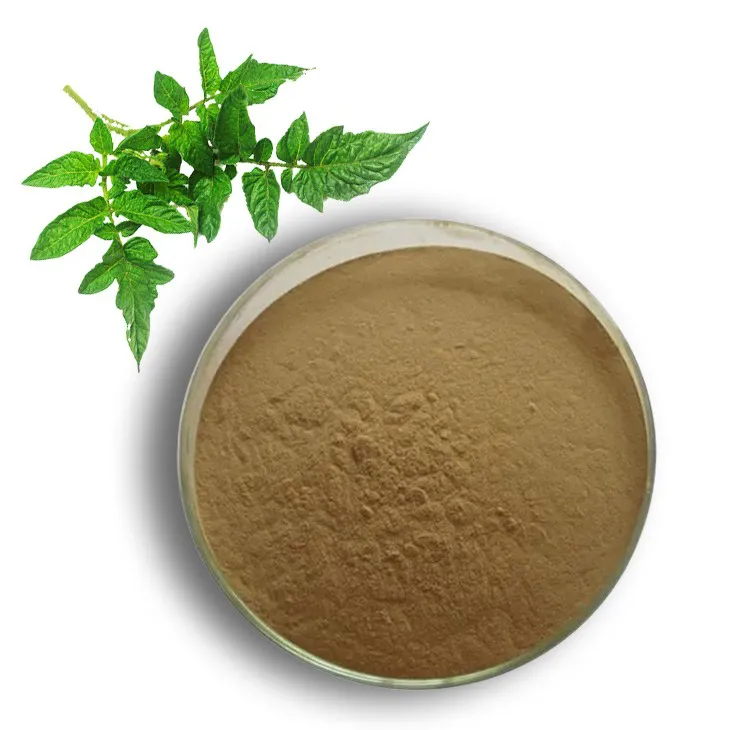
Olive leaf extract is a concentrated botanical ingredient made from the leaves of the olive tree (Olea europaea). The leaves are harvested, dried, and processed to isolate their beneficial plant compounds, which are then standardized into powders, capsules, and liquid drops. It belongs to the broad family of natural plant extract ingredients that are widely used in dietary supplements and functional foods.
The two compounds that receive the most attention are oleuropein and hydroxytyrosol, both members of a group of plant antioxidants called polyphenols. Oleuropein gives olive leaves their characteristic bitter taste and is considered the main active marker used to standardize olive leaf extracts, while hydroxytyrosol is a metabolite that forms when oleuropein is broken down. Together, these polyphenols are responsible for most of the health effects associated with the leaf.
Key benefits of olive leaf extract
1. Powerful antioxidant support
Olive leaf extract is a rich source of antioxidants, which help neutralize free radicals — unstable molecules produced naturally by the body that can damage cells when their levels get too high. Oleuropein and hydroxytyrosol are particularly effective at scavenging these free radicals and protecting lipids from oxidative damage. For people who want to add a daily layer of antioxidant defense, olive leaf extract is a straightforward, plant-based option.
2. Cardiovascular and blood pressure support
One of the most researched benefits of olive leaf extract is its effect on heart health. Several human studies have reported that supplementation can help support healthy blood pressure levels, and some research has compared its effects favorably with conventional blood pressure medication in people with mild hypertension. The polyphenols in the leaf also appear to support healthy cholesterol balance and improve the function of blood vessels, making olive leaf extract a popular ingredient in cardiovascular wellness formulas.
3. Immune system support
Olive leaf extract has a long history of use as a natural immune tonic. Laboratory research suggests that oleuropein and related compounds have antimicrobial, antiviral, and antifungal activity, which is why the extract has traditionally been used to support the body during cold and flu season. While more human research is still needed, the extract's ability to support a healthy immune response makes it a common addition to seasonal wellness products.
4. Blood sugar and insulin sensitivity
Emerging research points to a helpful role for olive leaf polyphenols in metabolic health. A randomized human trial found that olive leaf extract improved insulin sensitivity in middle-aged overweight men, and other studies suggest it may help support healthy blood sugar levels after meals. These findings make olive leaf extract an ingredient of interest for metabolic wellness and weight management formulas.
5. Anti-inflammatory properties
Chronic low-grade inflammation is linked to a wide range of health concerns, and olive leaf polyphenols have demonstrated anti-inflammatory activity in both laboratory and animal studies. By helping to moderate inflammatory markers in the body, olive leaf extract supports joint comfort and general well-being, and it is often combined with other anti-inflammatory botanicals in supplement blends.
6. Skin health
The antioxidant and anti-inflammatory properties of olive leaf extract also extend to the skin. Some research suggests that oleuropein can help protect the skin against UV-induced damage and reduce redness, which is why olive leaf extract is showing up in skincare and beauty-from-within products as well as oral supplements.
How to choose a quality olive leaf extract
Because olive leaf extract is a concentrated botanical ingredient, quality matters a great deal. Here are a few things to check before you buy:
- Standardization: Look for products standardized to a specific level of oleuropein, typically 10% to 20%, so you know you are getting a consistent dose of the active compound.
- Source and manufacturing: Choose ingredients from reputable manufacturers with documented quality control, such as ISO and GMP-certified facilities, to ensure purity and safety.
- Third-party testing: Reputable suppliers test for heavy metals, pesticides, and microbial contamination, and can provide certificates of analysis.
- Form: Olive leaf extract is available as powder, capsules, and liquid. Powder is ideal for bulk use in formulations, while capsules are convenient for everyday use.
Safety and considerations
Olive leaf extract is generally well tolerated, and no serious adverse effects have been reported in clinical studies. That said, a few precautions are worth noting. People allergic to plants in the olive family should avoid it, and those taking blood pressure or blood sugar medication should talk to a healthcare professional first, as the extract may add to the effect of these drugs. As with any supplement, it is best to start with a lower dose and see how your body responds.
A note on sourcing olive leaf extract
For supplement brands and formulators, sourcing a consistent, high-quality olive leaf extract is just as important as the formula itself. Working with an experienced plant extract supplier who can provide standardized extracts, certificates of analysis, and stable supply is the foundation of a reliable product. Established plant extract manufacturers with in-house laboratories and food-grade production facilities are best positioned to deliver the purity and consistency that quality-conscious brands depend on.
The bottom line
Olive leaf extract is a versatile botanical with a solid body of research behind its antioxidant, cardiovascular, immune, and metabolic benefits. Whether you are a consumer looking for a natural daily supplement or a brand seeking a dependable ingredient partner, understanding what makes a quality olive leaf extract is the first step. With its long history of traditional use and growing scientific support, olive leaf extract is one botanical that lives up to the reputation of the tree it comes from.
TAGS:
- ▶ Hesperidin
- ▶ Citrus Bioflavonoids
- ▶ Plant Extract
- ▶ lycopene
- ▶ Diosmin
- ▶ Grape seed extract
- ▶ Sea buckthorn Juice Powder
- ▶ Fruit Juice Powder
- ▶ Hops Extract
- ▶ Artichoke Extract
- ▶ Mushroom extract
- ▶ Astaxanthin
- ▶ Green Tea Extract
- ▶ Curcumin
- ▶ Horse Chestnut Extract
- ▶ Other Product
- ▶ Boswellia Serrata Extract
- ▶ Resveratrol
- ▶ Marigold Extract
- ▶ Grape Leaf Extract
- ▶ New Product
- ▶ Aminolevulinic acid
- ▶ Cranberry Extract
- ▶ Red Yeast Rice
- ▶ Red Wine Extract
- ▶ blog
-
Shikone Extract
2026-08-17
-
Propolis Extract Powder
2026-08-17
-
Sea buckthorn Juice Powder
2026-08-17
-
Gamma-Aminobutyric Acid
2026-08-17
-
Clove Powder
2026-08-17
-
Red Wine Extract
2026-08-17
-
Boswellia Serrata Extract
2026-08-17
-
Pomegranate Extract
2026-08-17
-
Aguaje Extract
2026-08-17
-
Senna Leaf Extract
2026-08-17