- 0086-571-85302990
- [email protected]






What are the benefits of choosing organic astaxanthin?
2026-08-18
Astaxanthin has earned a reputation as one of the most powerful natural antioxidants available, and organic astaxanthin takes that reputation a step further by combining the compound's well-documented benefits with cleaner, more traceable production. For supplement brands, formulators, and health-conscious consumers, choosing organic Astaxanthin is about more than a label. It is a decision that affects purity, safety, and how the ingredient performs in the final product. This article explains what organic Astaxanthin is, the health benefits it offers, and the quality advantages that come with choosing an organically certified source.
What Is Organic Astaxanthin?
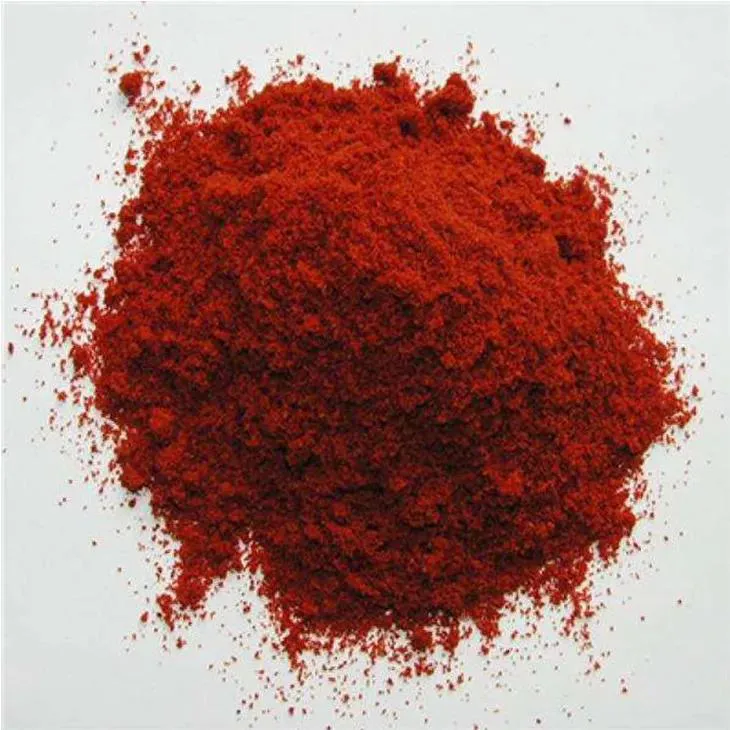
Natural astaxanthin is a red carotenoid pigment produced by the microalgae Haematococcus pluvialis. The algae accumulate astaxanthin as a protective response to stress such as intense sunlight or nutrient limitation, and this is the same pigment that gives salmon, trout, shrimp, and krill their pink-red color. When astaxanthin is labeled organic, it means the algae were cultivated without synthetic pesticides, synthetic fertilizers, or genetically modified organisms, and the production process has been audited by an accredited certification body.
The result is a natural ingredient that is chemically the same as non-organic astaxanthin but produced under stricter, cleaner conditions. For buyers, that distinction matters because it directly affects the purity of the powder that reaches the finished product.
The Health Benefits of Organic Astaxanthin
Astaxanthin is one of the most extensively researched antioxidant ingredients in the supplement industry. Its benefits are largely driven by its unique molecular structure, which allows it to span the cell membrane and protect both the water-soluble and fat-soluble parts of the cell from oxidative damage.
Powerful antioxidant protection. Astaxanthin neutralizes free radicals and helps protect cells from oxidative stress. Because it can integrate into cell membranes, it offers protection in parts of the body where many other antioxidants cannot reach. This antioxidant activity is the foundation for most of its other benefits.
Eye health. The eyes are exposed to constant oxidative stress, and astaxanthin has been studied for its ability to support eye comfort and visual function. Its antioxidant properties help protect the delicate tissues of the eye from damage caused by light exposure and everyday metabolic stress.
Skin health and anti-aging. Astaxanthin supports skin health by helping to maintain moisture and protect skin cells from oxidative damage. Research on skin aging has focused on astaxanthin because of its ability to reduce the visible effects of oxidative stress on the skin, which makes it a popular ingredient in beauty-from-within formulations.
Cardiovascular support. By reducing oxidative stress, astaxanthin supports healthy blood flow and normal cardiovascular function. Its antioxidant and anti-inflammatory effects make it a common ingredient in heart-health supplements.
Immune support. Astaxanthin has been studied for its ability to support the immune system. A healthy immune response depends on balanced oxidative status, and astaxanthin's antioxidant activity helps maintain the conditions the immune system needs to work normally.
Why Organic Matters for Quality and Purity
Beyond the health benefits of astaxanthin itself, choosing organic adds several practical advantages for manufacturers and consumers:
- Lower risk of pesticide residue. Organic cultivation rules restrict synthetic pesticides and fertilizers, so organic astaxanthin carries a smaller risk of residue carryover into the extract.
- Cleaner production standards. Organic certification requires documented control of the cultivation process, which supports consistent quality from batch to batch.
- Stronger traceability. Certified organic material comes with an audit trail that lets buyers trace the ingredient from algae to finished powder.
- Independent verification. Organic certification is checked by third-party auditors, adding a layer of quality assurance beyond the manufacturer's own testing.
- Clean-label positioning. For brands targeting the natural and organic supplement segment, an organically certified ingredient is easier to formulate into a clean-label finished product.
How to Choose a Reliable Organic Astaxanthin Supplier
Choosing organic astaxanthin is only half the decision. The other half is choosing a supplier you can trust. Here are the practical checks that matter:
- Ask for the certificate of analysis for recent batches and verify the astaxanthin content and the testing method, usually HPLC.
- Confirm the source is Haematococcus pluvialis microalgae rather than synthetic material.
- If organic certification matters to your market, request the certificate issued by the certification body and check that it covers the production site.
- Ask whether the manufacturer runs its own laboratory. In-house testing with HPLC, GC, and UV instruments gives you faster, more reliable batch data.
- Check the manufacturer's certifications, such as ISO22000, BRCGS, SGS-GMP, and HALAL, which indicate a mature quality management system.
Sourcing Organic Astaxanthin from a Certified Manufacturer
GreenSky (Hangzhou Greensky Biological Tech. Co., Ltd.) is a professional astaxanthin supplier and manufacturer of natural plant extracts, founded in 2004 with more than 20 years of experience in botanical ingredients. The company operates five wholly-owned subsidiaries with full vertical integration from research and development to production, and its main export markets include Europe, the United States, South Korea, and Russia.
GreenSky's production facilities include a 100,000-class clean production area that meets food-grade requirements and an independent laboratory equipped with HPLC, GC, and UV instruments. The company holds ISO22000, BRCGS, Ecocert Organic Standard, SGS-GMP, ISO9001, HALAL, and Kosher certifications, together with the Export Food Production Enterprise Registration Certificate. For buyers who need a dependable source of astaxanthin, GreenSky provides certificates of analysis, organic documentation, and samples on request.
Conclusion
Choosing organic astaxanthin combines the well-documented health benefits of this powerful antioxidant with cleaner production, stricter traceability, and independent verification. Whether your goal is eye and skin support, cardiovascular health, or immune function, organic astaxanthin offers a premium ingredient that supports both the product and the brand behind it. When you source from a certified manufacturer with in-house testing and full documentation, you get an ingredient that is effective, clean, and ready for the most demanding markets.
FAQ
Q: What is the main source of organic astaxanthin?
Organic astaxanthin is produced by the microalgae Haematococcus pluvialis, cultivated without synthetic pesticides, synthetic fertilizers, or GMOs, and audited by an accredited certification body.
Q: What are the main health benefits of astaxanthin?
Astaxanthin is best known for its powerful antioxidant activity, supporting eye health, skin health and anti-aging, cardiovascular function, and immune health.
Q: Is organic astaxanthin the same as natural astaxanthin?
Organic astaxanthin is a type of natural astaxanthin. The term organic refers to how the algae are cultivated, while natural refers to the source being microalgae rather than synthetic production.
Q: What should I check before buying organic astaxanthin in bulk?
Request the certificate of analysis for recent batches, confirm the source is Haematococcus pluvialis, ask for the organic certificate covering the production site, and check whether the manufacturer runs its own laboratory.
- ▶ Hesperidin
- ▶ Citrus Bioflavonoids
- ▶ Plant Extract
- ▶ lycopene
- ▶ Diosmin
- ▶ Grape seed extract
- ▶ Sea buckthorn Juice Powder
- ▶ Fruit Juice Powder
- ▶ Hops Extract
- ▶ Artichoke Extract
- ▶ Mushroom extract
- ▶ Astaxanthin
- ▶ Green Tea Extract
- ▶ Curcumin
- ▶ Horse Chestnut Extract
- ▶ Other Product
- ▶ Boswellia Serrata Extract
- ▶ Resveratrol
- ▶ Marigold Extract
- ▶ Grape Leaf Extract
- ▶ New Product
- ▶ Aminolevulinic acid
- ▶ Cranberry Extract
- ▶ Red Yeast Rice
- ▶ Red Wine Extract
- ▶ blog
-
Nutmeg Extract
2026-08-18
-
Mulberry Extract
2026-08-18
-
Green Tea Extract
2026-08-18
-
Scutellaria Extract
2026-08-18
-
Marigold Extract
2026-08-18
-
Baobab Fruit Extract
2026-08-18
-
Propolis Extract Powder
2026-08-18
-
Curcumin
2026-08-18
-
Liposomal NMN
2026-08-18
-
Yellow Pine Extract
2026-08-18
