- 0086-571-85302990
- [email protected]




What are the benefits of alfalfa powder for nutrition?
2026-08-14
Alfalfa, a legume that has been cultivated for thousands of years, is often called the "father of all foods" because of how densely it packs nutrition into a single plant. When the dried leaves are milled into a fine powder, you get a concentrated ingredient that is finding its way into smoothies, baked goods, protein blends, and supplement formulas alike. If you are curious about what alfalfa powder can actually do for nutrition, here is a clear look at its benefits, how it is made, and how to use it well.
What is alfalfa powder?
Alfalfa powder, also known as Alfalfa Meal, is produced from the dried leaves of the alfalfa plant (Medicago sativa). The leaves are harvested at their peak, dried gently to preserve their nutrients, and then ground into a fine, green powder. Because the leaves hold most of the plant's vitamins and minerals, the powder is far more concentrated than the fresh plant. This makes it an easy way to add a broad range of nutrients to foods and supplements without changing texture or flavor dramatically.
The nutritional profile of alfalfa powder
What makes alfalfa powder stand out is not any single nutrient, but the sheer range of them. A serving of alfalfa powder contributes meaningful amounts of several vitamins and minerals that are easy to fall short on in a typical diet:
- Vitamin K. Alfalfa is one of the richest plant sources of vitamin K, a nutrient that plays a central role in normal blood clotting and bone health.
- Vitamin C and beta-carotene. Both act as antioxidants in the body, supporting immune function and helping to protect cells from everyday oxidative stress.
- B vitamins. The powder provides folate, thiamine, and riboflavin, which support energy metabolism and normal red blood cell formation.
- Minerals. Calcium, magnesium, iron, and copper are all present, making alfalfa powder a useful plant-based source of these minerals.
- Protein. Alfalfa is notably high in protein for a leafy plant, with an amino acid profile that makes it a practical addition to vegetarian and vegan formulations.
- Fiber and chlorophyll. The powder is naturally rich in dietary fiber and chlorophyll, the green pigment that gives the plant its color.
Because these nutrients come from a whole food source rather than isolated compounds, alfalfa powder fits naturally into the growing demand for clean-label, plant-based ingredients.
Key health benefits of alfalfa powder
Research on alfalfa has focused on several areas, and while more human studies are still needed, the evidence so far points to a few consistent benefits.
Antioxidant support
Alfalfa contains flavonoids, polyphenols, and other antioxidant compounds that help neutralize free radicals in the body. Free radicals are unstable molecules produced by normal metabolism and by outside factors like pollution and UV light. Left unchecked, they contribute to oxidative stress, which is linked to premature aging and a range of chronic conditions. The antioxidant activity of alfalfa has been observed in laboratory and animal studies, and it is one of the most commonly cited reasons people add the powder to their daily routine.
Heart health and cholesterol
One of the most studied traditional uses of alfalfa is for cholesterol management. Animal studies and preliminary human trials suggest that extracts from alfalfa seeds and leaves may help lower total cholesterol, LDL (the "bad" cholesterol), and triglycerides while supporting HDL (the "good" cholesterol). The saponins in alfalfa are thought to play a role in this effect. It is worth noting that large, well-designed human trials are still lacking, so alfalfa powder should be seen as a supportive ingredient rather than a treatment on its own.
Bone health
Alfalfa powder brings together two nutrients that matter for bones: calcium and vitamin K. Calcium is the structural mineral bones are built from, while vitamin K helps the body use calcium effectively and supports normal bone metabolism. For anyone looking to support bone density through diet, especially people who avoid dairy, alfalfa powder offers a convenient plant-based combination.
Digestive support
The fiber in alfalfa powder supports regular digestion and helps feed the beneficial bacteria in the gut. Some traditional uses of alfalfa also relate to digestive comfort, and the powder's gentle, whole-food nature makes it easy to incorporate into foods without irritating the stomach.
Blood sugar balance
Animal studies have looked at alfalfa's traditional use for blood sugar support and found that it improved some markers of glucose metabolism. The fiber content likely contributes by slowing the absorption of sugars. As with cholesterol, human research is still in its early stages, but the preliminary findings are promising enough that alfalfa powder is often included in wellness formulations aimed at metabolic health.
How alfalfa powder is used in food and supplements
Because it is a concentrated, shelf-stable powder, alfalfa fits into a wide range of products:
- Green powders and smoothie blends. A small scoop adds vitamins, minerals, and a fresh green color to daily wellness drinks.
- Protein and meal replacement powders. Its protein and nutrient density make it a natural addition to plant-based protein formulas.
- Baked goods. A small percentage can boost the nutrient profile of breads, crackers, and energy bars without changing taste much.
- Capsules and tablets. Alfalfa powder is a common single-ingredient supplement in capsule form.
- Animal nutrition. Alfalfa has a long history as a high-protein feed ingredient for livestock, and the powder form is used in premium pet and animal feeds.
What to look for in a quality alfalfa powder
Not all alfalfa powder is created equal. The quality depends heavily on where and how the plant was grown, when the leaves were harvested, and how gently they were dried and milled. For manufacturers and formulators, a few things matter most:
- Leaf quality. Powder made from leaves rather than stems is greener, finer, and more nutrient-dense.
- Controlled drying. Gentle, low-temperature drying preserves vitamins and keeps the powder a vibrant green instead of a dull brown.
- Testing and certifications. Look for suppliers who test for purity, heavy metals, and microbial safety, and who hold certifications such as ISO, HALAL, or Kosher.
- Traceability. A supplier with its own production facilities and documented sourcing gives you far more confidence in batch-to-batch consistency.
Working with an experienced plant extract supplier can simplify this. A manufacturer with in-house production and an independent laboratory can provide the documentation, specifications, and stable supply that food and supplement brands need.
Safety considerations
Alfalfa is generally well tolerated as a food ingredient, but a few points are worth keeping in mind. Because it is rich in vitamin K, people taking blood-thinning medication such as warfarin should check with their doctor before using it regularly. Alfalfa also contains a compound called L-canavanine, which has been linked to concerns for people with lupus or a family history of the condition. Pregnant and nursing women should consult a healthcare professional as well. These are standard cautions for any concentrated botanical, and they do not change the fact that alfalfa powder is a safe, nutritious ingredient for the vast majority of people.
The bottom line
Alfalfa powder earns its reputation as a nutritional powerhouse. It delivers a broad spectrum of vitamins, minerals, protein, fiber, and antioxidants from a single plant source, and it is versatile enough to work in smoothies, baked goods, supplements, and animal nutrition alike. Whether you are a consumer looking to add more plant nutrients to your diet or a brand sourcing ingredients for a new product, high-quality alfalfa powder is a practical, clean-label choice backed by a long history of use.
- ▶ Hesperidin
- ▶ Citrus Bioflavonoids
- ▶ Plant Extract
- ▶ lycopene
- ▶ Diosmin
- ▶ Grape seed extract
- ▶ Sea buckthorn Juice Powder
- ▶ Fruit Juice Powder
- ▶ Hops Extract
- ▶ Artichoke Extract
- ▶ Mushroom extract
- ▶ Astaxanthin
- ▶ Green Tea Extract
- ▶ Curcumin
- ▶ Horse Chestnut Extract
- ▶ Other Product
- ▶ Boswellia Serrata Extract
- ▶ Resveratrol
- ▶ Marigold Extract
- ▶ Grape Leaf Extract
- ▶ New Product
- ▶ Aminolevulinic acid
- ▶ Cranberry Extract
- ▶ Red Yeast Rice
- ▶ Red Wine Extract
- ▶ blog
-
Peppermint Extract Powder
2026-08-14
-
Ginger Extract
2026-08-14
-
Bitter Melon Extract
2026-08-14
-
Medicinal Marshmallow Extract
2026-08-14
-
Citrus bioflavonoids
2026-08-14
-
Lion's Mane Mushroom Extract
2026-08-14
-
Sugarcane Extract
2026-08-14
-
Ginseng Root Extract
2026-08-14
-
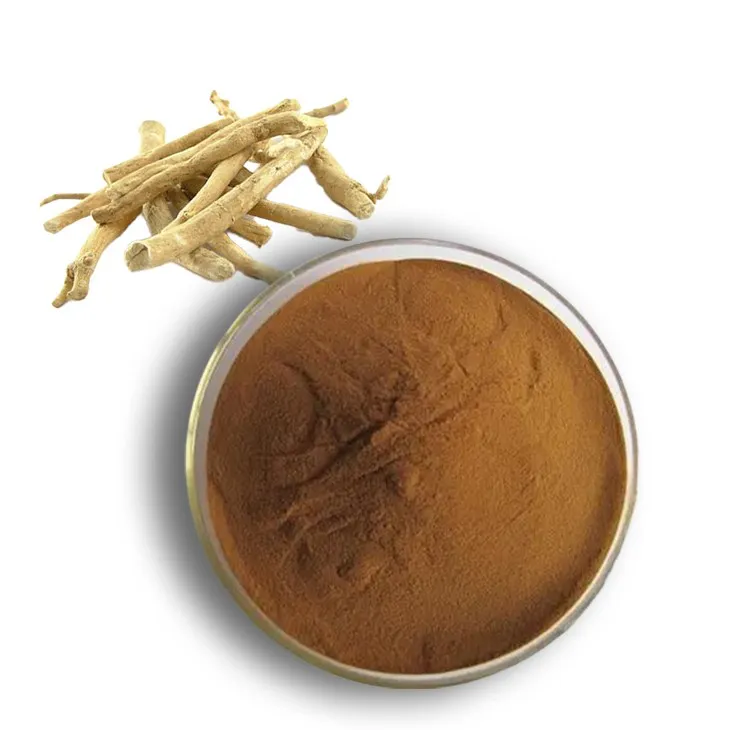
Withania Somnifera Extract
2026-08-14
-
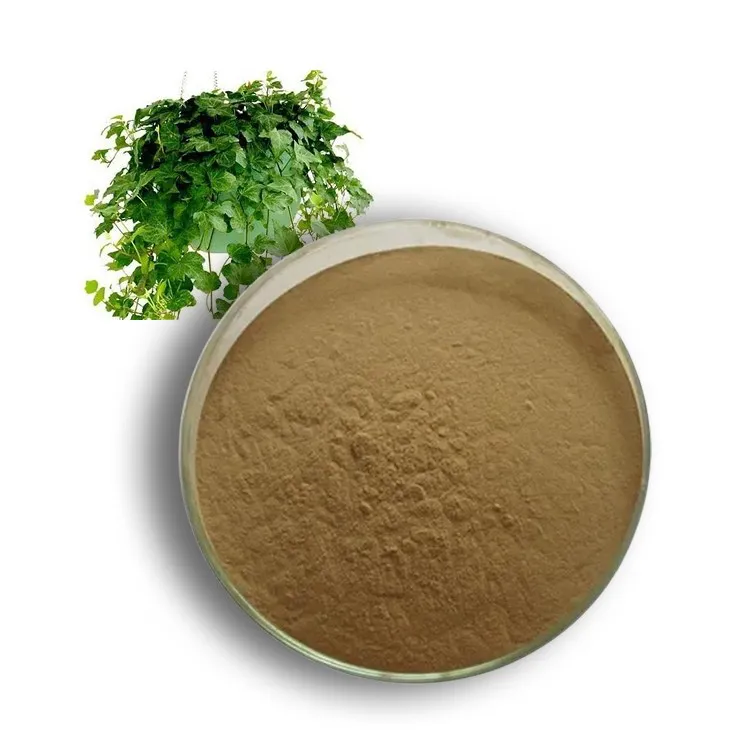
Ivy Extract
2026-08-14