- 0086-571-85302990
- [email protected]






What are the active compounds in rosemary extract?
2026-08-13
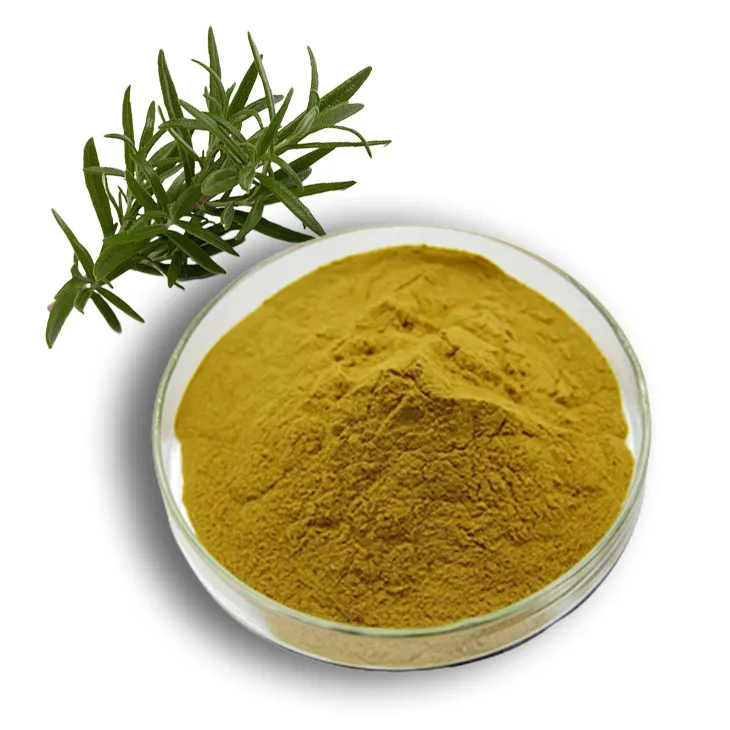
The main phenolic compounds behind rosemary’s benefits
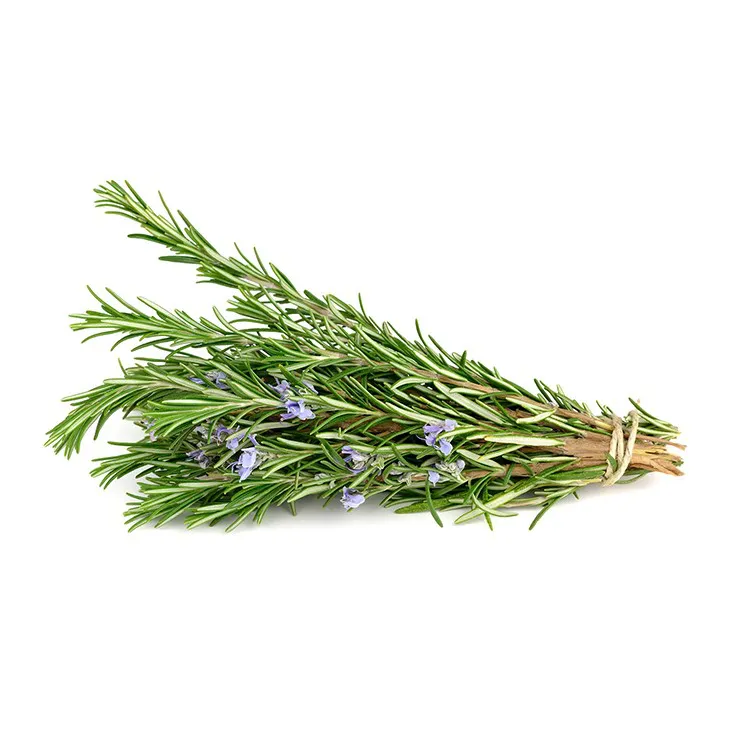
Rosemary (Rosmarinus officinalis L.) belongs to the Lamiaceae family, and its leaves are a rich source of phenolic compounds. Among all the constituents, four stand out as the major active components: carnosic acid, carnosol, rosmarinic acid and Hesperidin. These compounds belong to three broad classes, namely phenolic acids, flavonoids and diterpenoids, and together they give Rosemary extract its distinctive biological activity.
Carnosic acid and carnosol are especially important. They are cyclic diterpene diphenols and are widely regarded as the most effective antioxidants in rosemary, responsible for around 90% of the extract’s antioxidant properties. Carnosic acid is the core lipophilic component with the strongest free-radical scavenging ability, while carnosol is a derivative that offers antioxidant, antibacterial and anti-inflammatory activity with improved stability.
Beyond these two, the extract also contains smaller amounts of related diterpenes such as rosmanol, epirosmanol, methylcarnosate and isorosmanol, as well as caffeic acid derivatives that help chelate metal ions and stabilise free radicals.
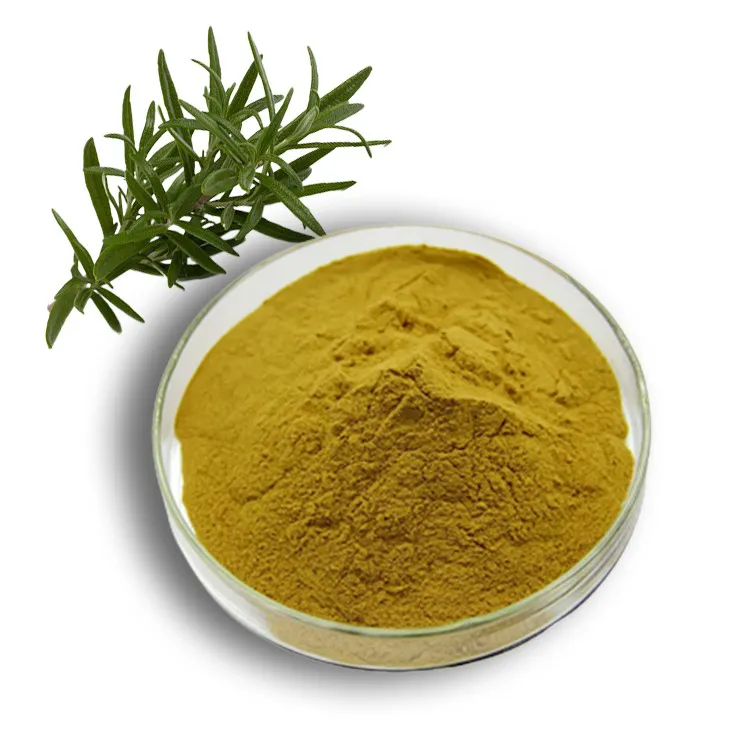
How these compounds work
The antioxidant mechanism of Rosemary extract is well documented. Carnosic acid and carnosol work as potent scavengers of peroxyl radicals, helping to break the chain reaction of lipid oxidation. They also act as metal-ion chelators, particularly for iron, which reduces the formation of reactive oxygen species. The phenolic structures of the extract can also activate the Nrf2-dependent antioxidant signalling pathway in the body, supporting the natural defence system.
This is why rosemary extract is often compared with synthetic antioxidants such as BHA and BHT. In many model systems, carnosic acid and carnosol have been shown to protect membrane lipids from peroxidation just as effectively, or even more so, than these artificial additives — while being a natural, clean-label option.
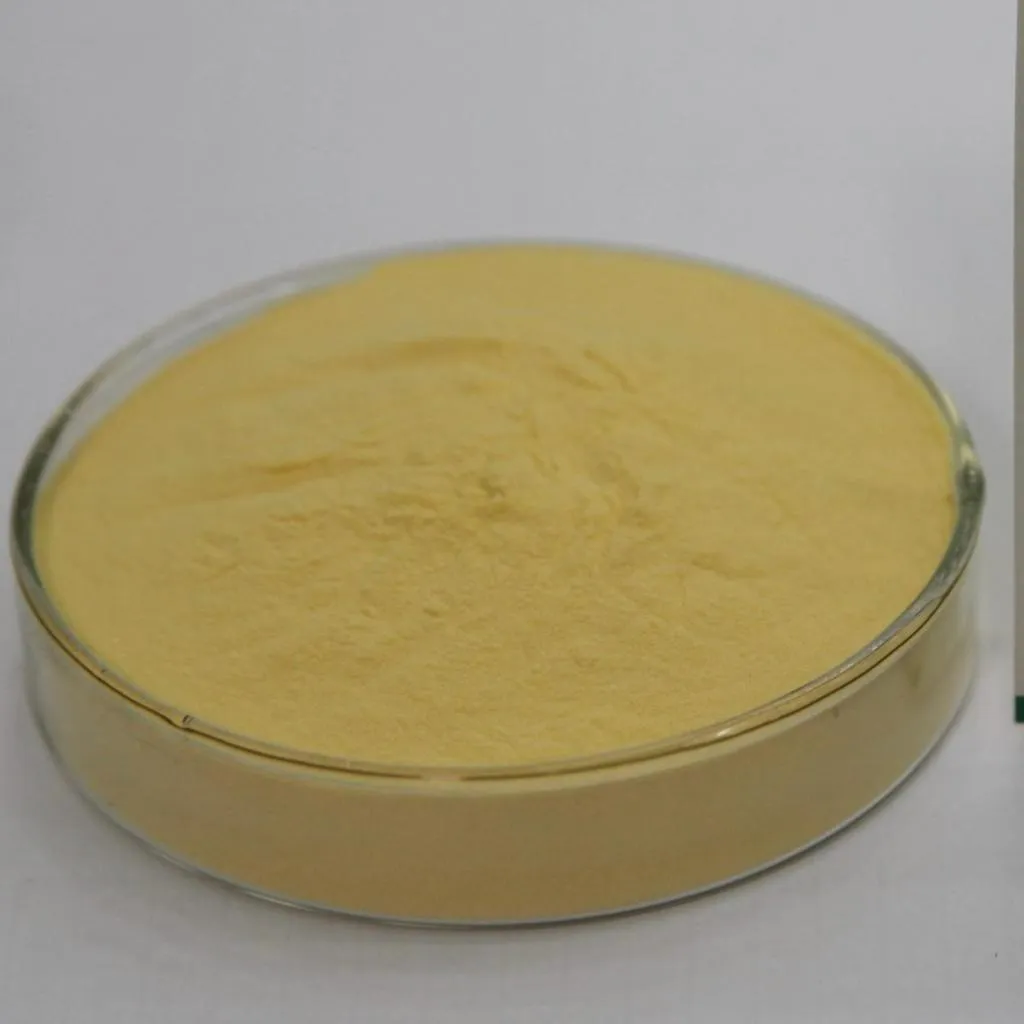
Essential oil components
In addition to the non-volatile phenolics, rosemary also contains essential oils obtained by steam distillation of the leaves and twigs. These oils are dominated by 1,8-cineole, camphor and α-pinene, although the exact proportions vary with the source and growing conditions. These volatile compounds contribute antibacterial, antifungal and aromatic properties, which is why rosemary oil is used both as a seasoning and as a functional ingredient.
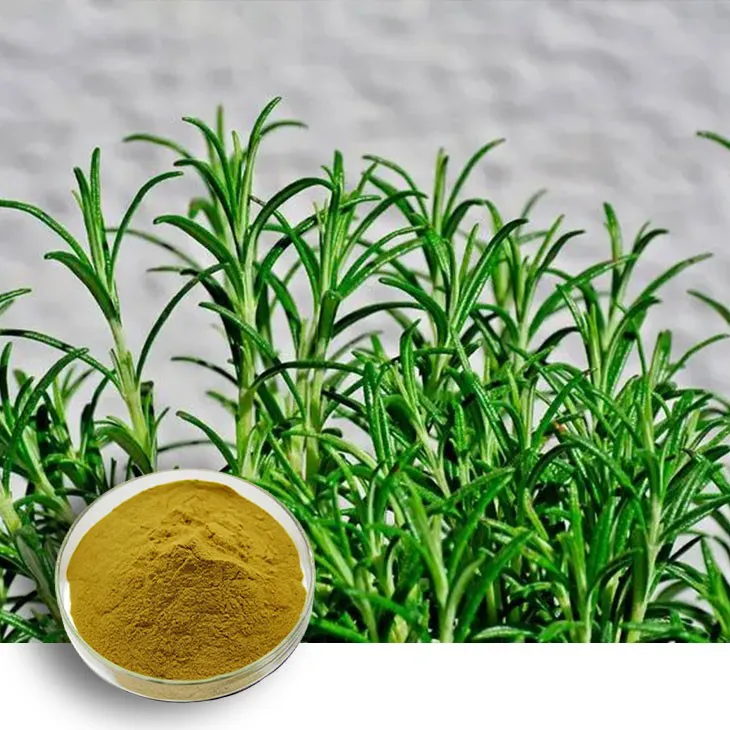
Why the active compounds matter in real applications
The practical value of these active compounds is clear across industries. In food and beverages, rosemary extract extends shelf life by preventing oxidation of oils and fats, and it improves taste and stability without relying on synthetic preservatives. In dietary supplements, the phenolic antioxidants support general wellness. In cosmetics, rosemary extract is used for its antioxidant and skin-conditioning benefits. European regulators have reviewed the safety of rosemary extract manufacturer products and allow their use in foods and drinks at levels up to 400 mg/kg, expressed as the sum of carnosic acid and carnosol.
Because the performance of the extract depends so heavily on the concentration of its active compounds, consistent quality and reliable specification matter a great deal. This is why many formulators prefer to work with an experienced rosemary extract supplier that can guarantee stable content and purity.
Choosing a reliable source
When sourcing rosemary extract, the quality of the raw leaves, the extraction method and the analytical control all determine the final concentration of active compounds. Greensky, a Hangzhou-based manufacturer with more than 20 years of experience in plant extract production, produces rosemary extract from high-quality rosemary leaves. The company operates a 100,000-class clean production area and an independent laboratory equipped with GC, HPLC and UV instruments, so every batch is tested for the active compounds that matter. Greensky’s certifications, including ISO22000, BRCGS, Ecocert Organic, SGS-GMP, ISO9001, HALAL and Kosher, give buyers confidence in consistent quality and traceability.
Understanding the active compounds in rosemary extract — from carnosic acid and carnosol to rosmarinic acid and the essential oils — makes it easier to appreciate why this natural ingredient is so versatile. Whether you are formulating a shelf-stable food product, a dietary supplement or a cosmetic, choosing a supplier who understands and controls these compounds is the first step to a high-quality end result.
TAGS:
- ▶ Hesperidin
- ▶ Citrus Bioflavonoids
- ▶ Plant Extract
- ▶ lycopene
- ▶ Diosmin
- ▶ Grape seed extract
- ▶ Sea buckthorn Juice Powder
- ▶ Fruit Juice Powder
- ▶ Hops Extract
- ▶ Artichoke Extract
- ▶ Mushroom extract
- ▶ Astaxanthin
- ▶ Green Tea Extract
- ▶ Curcumin
- ▶ Horse Chestnut Extract
- ▶ Other Product
- ▶ Boswellia Serrata Extract
- ▶ Resveratrol
- ▶ Marigold Extract
- ▶ Grape Leaf Extract
- ▶ New Product
- ▶ Aminolevulinic acid
- ▶ Cranberry Extract
- ▶ Red Yeast Rice
- ▶ Red Wine Extract
- ▶ blog
-
Yam Extract
2026-08-13
-
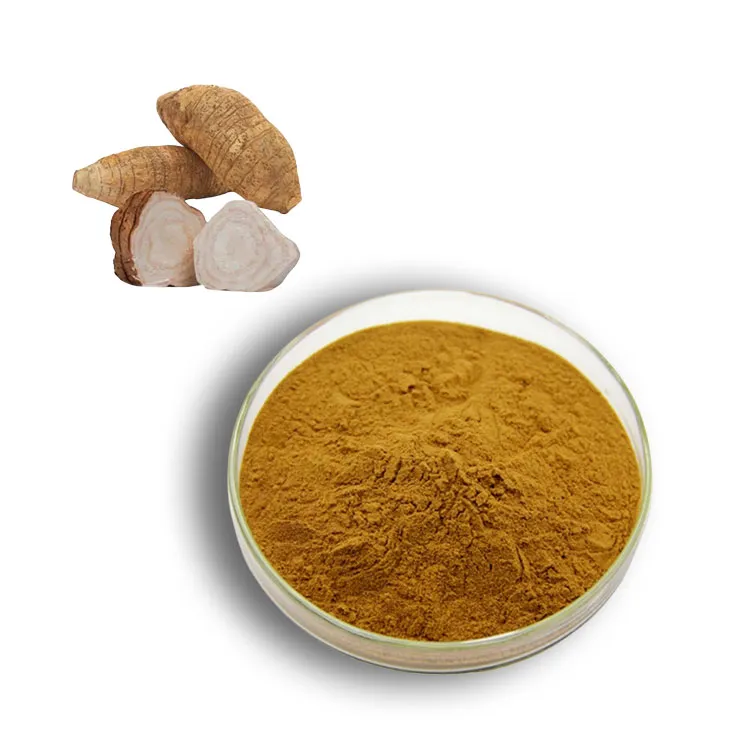
Pueraria Lobata Extract
2026-08-13
-
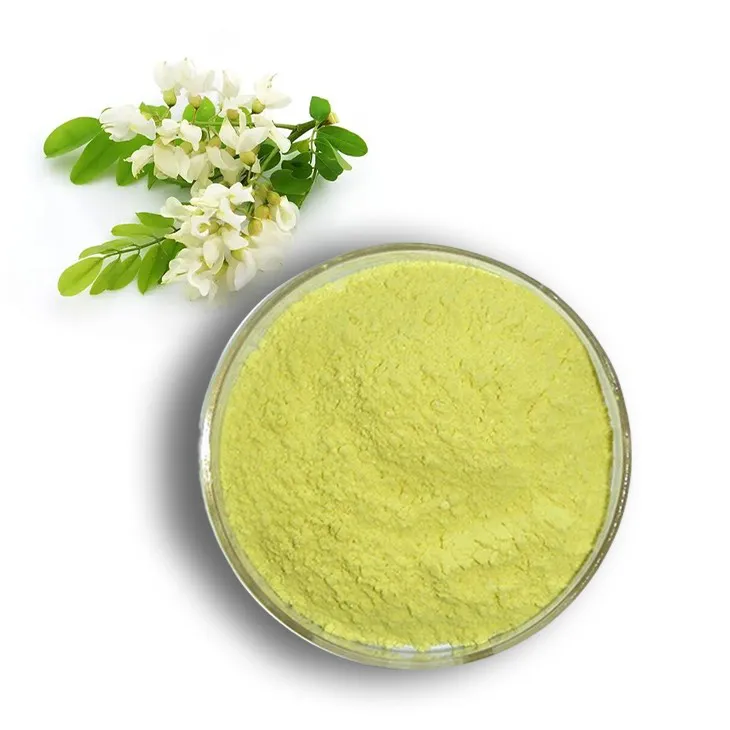
Troxerutin
2026-08-13
-
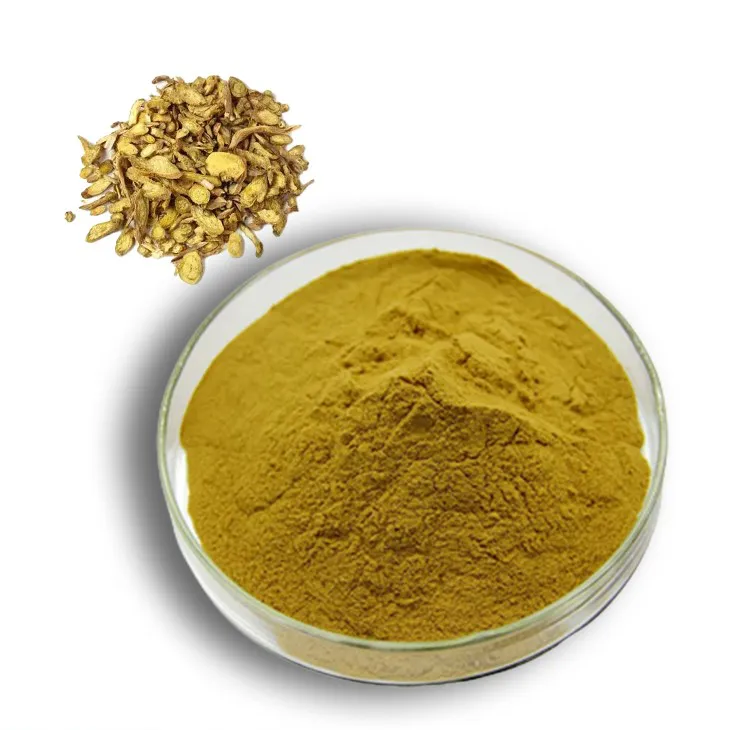
Scutellaria Extract
2026-08-13
-
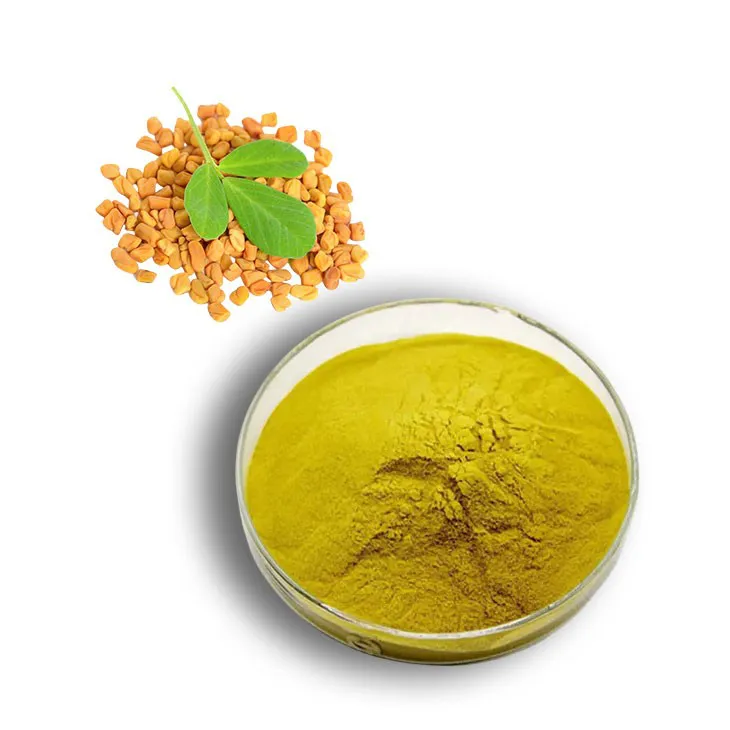
Fenugreek Extract Powder
2026-08-13
-
Baobab Fruit Extract
2026-08-13
-
Phosphatidylserine
2026-08-13
-
Polygonum multiflorum extract
2026-08-13
-
Sea buckthorn Juice Powder
2026-08-13
-
Ivy Extract
2026-08-13
