- 0086-571-85302990
- [email protected]






What are the active compounds in lily extracts?
2026-08-17
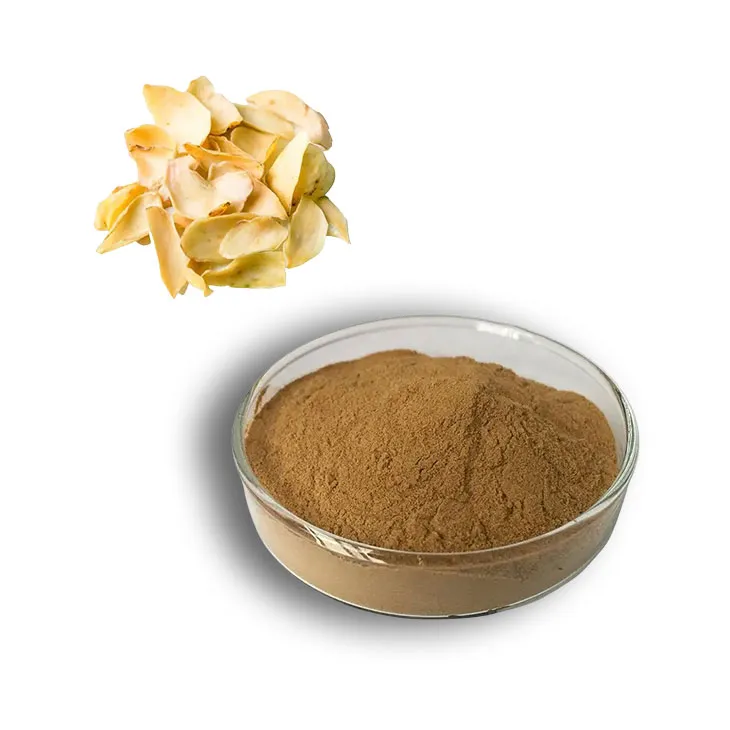
The main active compounds in Lily extracts
The value of Lily extract does not come from any single molecule. Instead, it comes from a group of biologically active compounds that work together. The compounds most often described for lily extracts are grouped below.
Steroid saponins
Steroid saponins are widely regarded as the most characteristic bioactive compounds in lilies. These naturally occurring glycosides link a steroid aglycone to one or more sugar chains, and they are frequently cited in research on plant-derived actives for their broad physiological activity.
Lily polysaccharides
Polysaccharides make up another central fraction of lily extract. These long-chain carbohydrates are associated mainly with immune support and antioxidant effects, and they are among the reasons lily extract shows up in immunity-oriented supplement formulas.
Alkaloids
Lilies contain small amounts of alkaloids, a class of nitrogen-bearing compounds studied for their potential in anti-inflammatory and other areas. Because the levels can vary, a dependable supplier should be able to share the alkaloid profile and specification sheet for each finished lot.
Flavonoids, phenols and supporting nutrients
Flavonoids and phenolic compounds contribute most of the antioxidant character of lily extract. Beyond these, the raw material is naturally rich in protein, amino acids, phospholipids and minerals such as calcium, phosphorus and iron. For formulators, this broad profile means lily extract can behave as more than a single-purpose active — it brings nutritional substance as well.
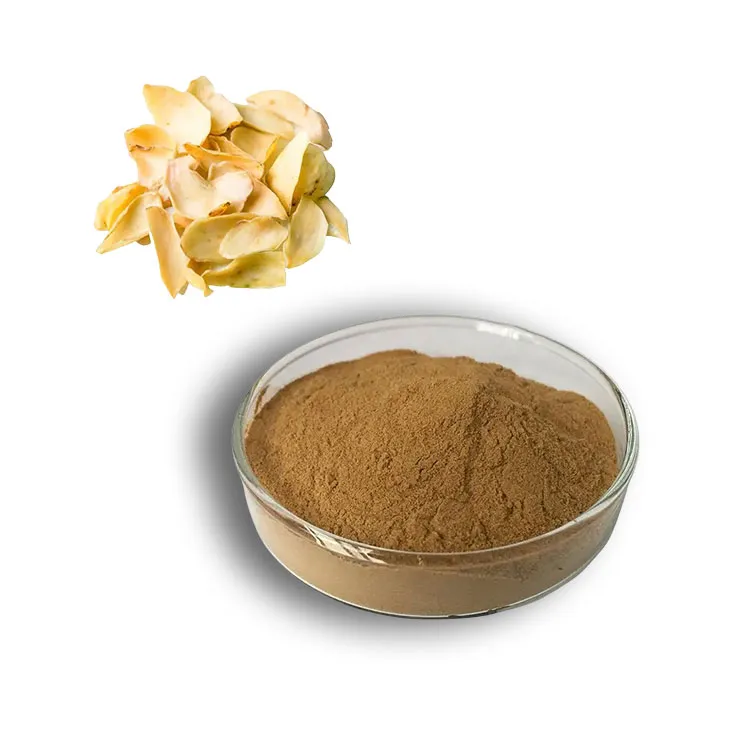
Why formulators choose lily extract
The compound mix above translates into a set of practical reasons brands reach for lily extract rather than a simple filler. A few of the most common are:
- Antioxidant support — flavonoids, phenols and polysaccharides all point toward free-radical scavenging activity, a useful property in both wellness and skincare positioning.
- Soothing, skin-friendly texture — lily extract is commonly added to sensitive-skin care lines, where its anti-inflammatory character and ability to support the skin barrier are valued.
- Immune-focused formulas — the polysaccharide fraction is frequently cited for its role in supporting normal immune function.
- Traditional wellness credibility — in traditional use, lily is associated with calming and respiratory comfort, giving brands a familiar story to build on.
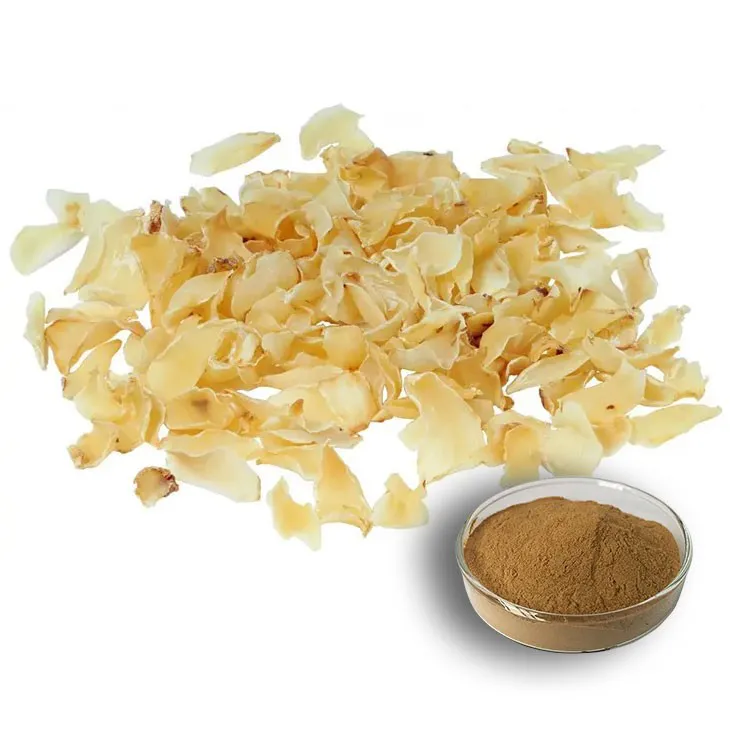
Where lily extract is used
Because of this wide chemistry, lily extract fits comfortably across several finished-product categories:
- Dietary supplements — in capsules and powder blends aimed at immunity, relaxation and whole-body wellness.
- Cosmetics and personal care — in serums, masks and lotions where soothing and barrier-support claims matter.
- Food and beverages — as a clean-label botanical for solid beverages, health drinks and functional foods.
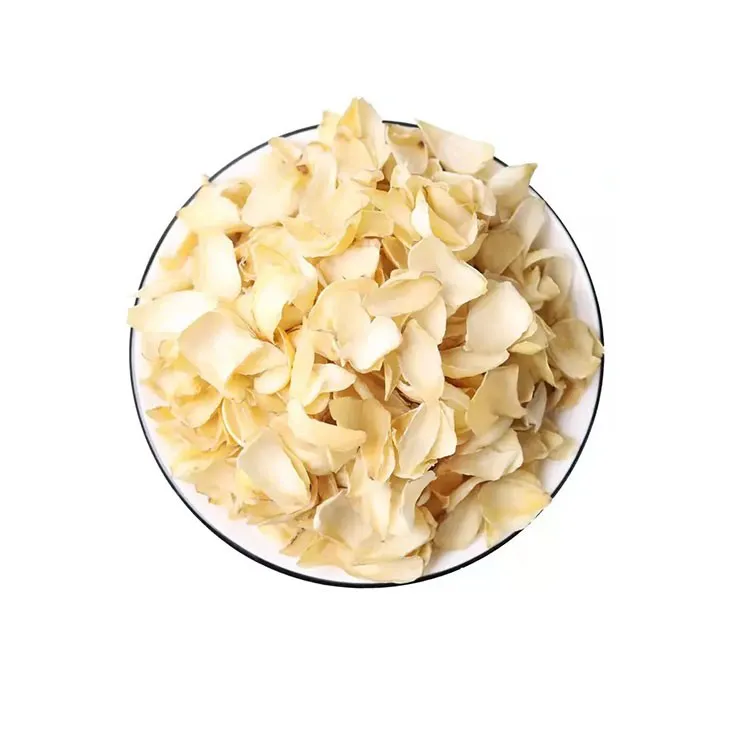
What to verify before sourcing lily extract
Choosing a source for lily extract comes down to a handful of checks that separate a reliable manufacturer from a trader:
- In-house testing — ask whether the supplier runs its own lab with instruments such as HPLC, GC and UV, and whether each lot ships with a certificate of analysis.
- Manufacturing vs. rebranding — a factory that extracts, concentrates and dries in-house has far more control over consistency than one that only repackages bulk powder.
- Clean and certified production — confirm the facility meets food-grade standards and holds recognisable certifications such as ISO22000, BRCGS, HALAL and Kosher.
- Regulatory documentation — export registration and technical dossiers reduce friction when you file your own submissions in Europe, the United States or Asia.
A manufacturer that combines in-house extraction with independent testing is the shortest path to a consistent lily extract. Hangzhou Greensky Biological Tech. Co., Ltd. has worked in botanical ingredients since 2004, operating its own extraction plants and a 100,000-class clean production area, with an independent laboratory equipped with GC, HPLC and UV instruments. Its certification base includes ISO22000, BRCGS, the Ecocert Organic Standard, SGS-GMP, ISO9001, HALAL and Kosher, all of which support finished-product development and regulatory submission for customers in Europe, the United States, South Korea and Russia.
If you are building a formula around saponin- and polysaccharide-rich botanicals, reaching out to a supplier that can share full specifications, in-house test reports and export documentation is a sensible first step. To talk through your requirements and request a certificate of analysis, contact the Greensky sales team at [email protected].
TAGS:
- ▶ Hesperidin
- ▶ Citrus Bioflavonoids
- ▶ Plant Extract
- ▶ lycopene
- ▶ Diosmin
- ▶ Grape seed extract
- ▶ Sea buckthorn Juice Powder
- ▶ Fruit Juice Powder
- ▶ Hops Extract
- ▶ Artichoke Extract
- ▶ Mushroom extract
- ▶ Astaxanthin
- ▶ Green Tea Extract
- ▶ Curcumin
- ▶ Horse Chestnut Extract
- ▶ Other Product
- ▶ Boswellia Serrata Extract
- ▶ Resveratrol
- ▶ Marigold Extract
- ▶ Grape Leaf Extract
- ▶ New Product
- ▶ Aminolevulinic acid
- ▶ Cranberry Extract
- ▶ Red Yeast Rice
- ▶ Red Wine Extract
- ▶ blog
-
Phyllanthus Emblica Extract
2026-08-17
-
Diosmin
2026-08-17
-
Wheat Germ Extract
2026-08-17
-
White Peony Extract
2026-08-17
-
Marigold Extract
2026-08-17
-
Lotus leaf extract
2026-08-17
-
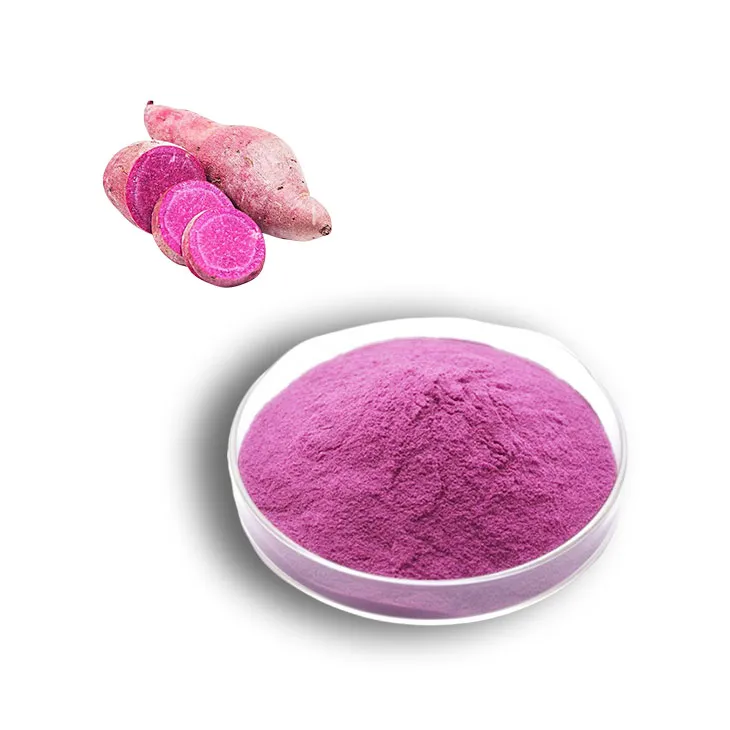
Purple Sweet Potato Extract
2026-08-17
-
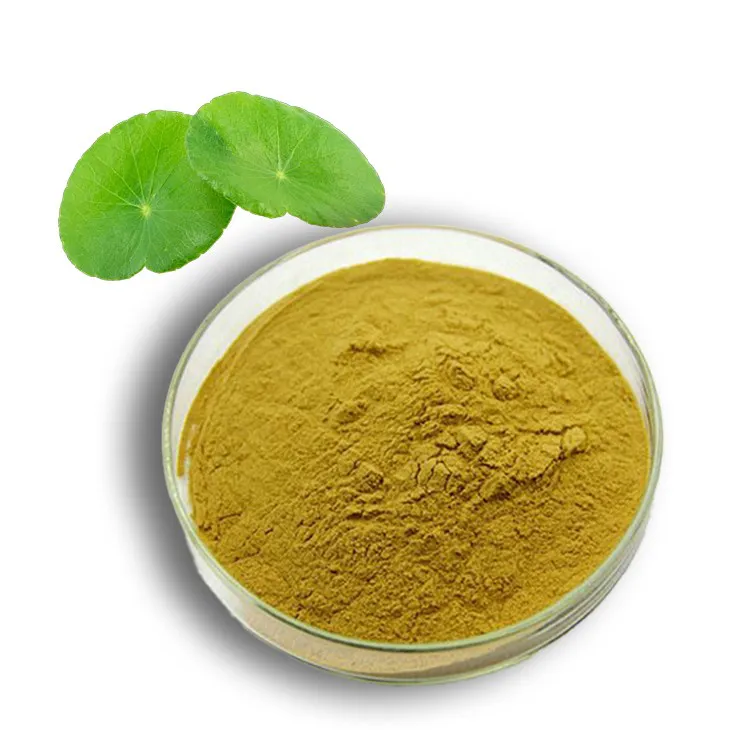
Centella Asiatica Extract
2026-08-17
-
5-HTP (5-Hydroxytryptophan)
2026-08-17
-
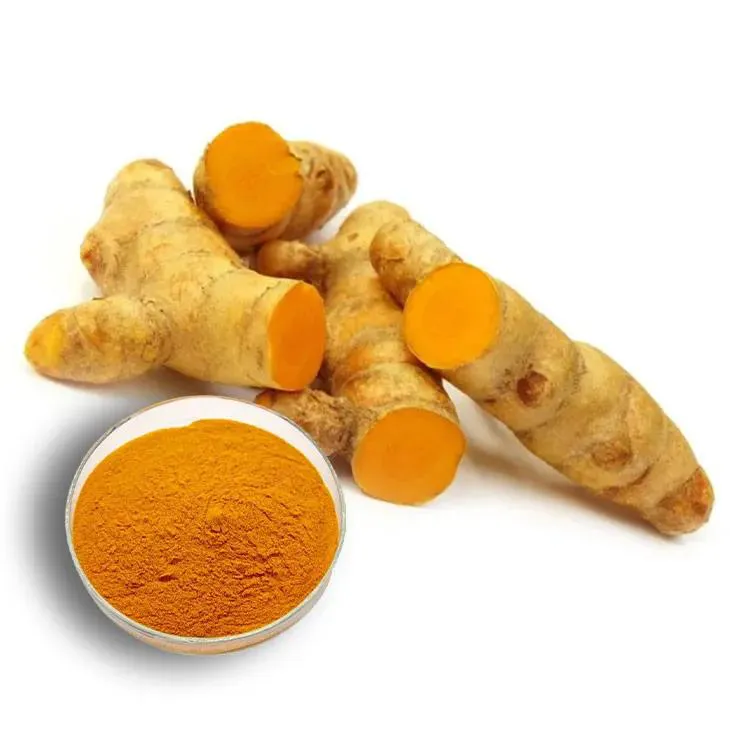
Curcumin
2026-08-17
