- 0086-571-85302990
- [email protected]






Stevia vs stevia extract: How do their purity levels differ?
2026-08-15
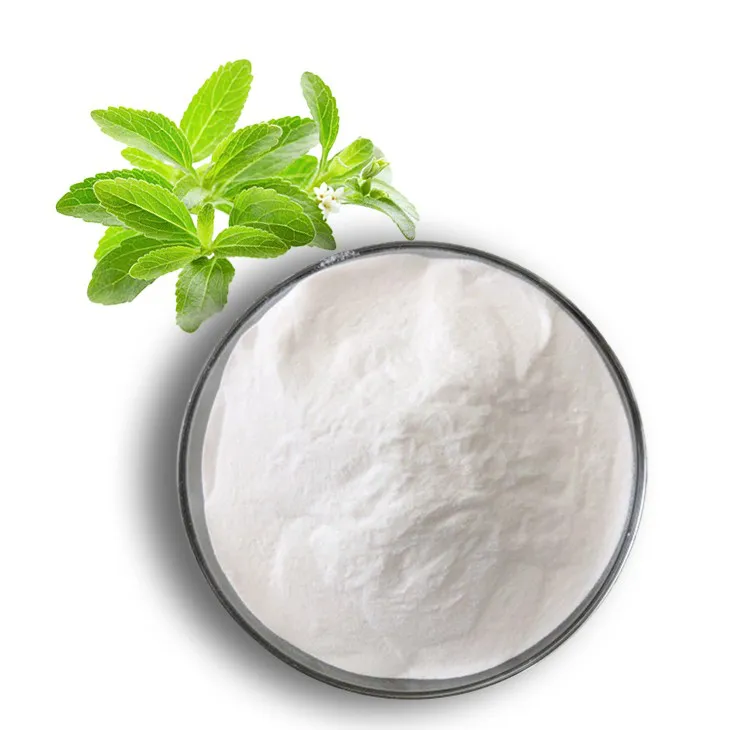
Stevia has become one of the most popular natural sweeteners on the market, but the terms used to describe it can be confusing. Walk into any store and you will see labels that say "stevia," "Stevia Extract," "pure stevia," and "steviol glycosides" — and it is easy to assume they all mean the same thing. They do not. The difference between stevia and Stevia Extract comes down to one key factor: purity. This article breaks down how their purity levels differ, why that matters, and what to look for when you are sourcing stevia for your own products.
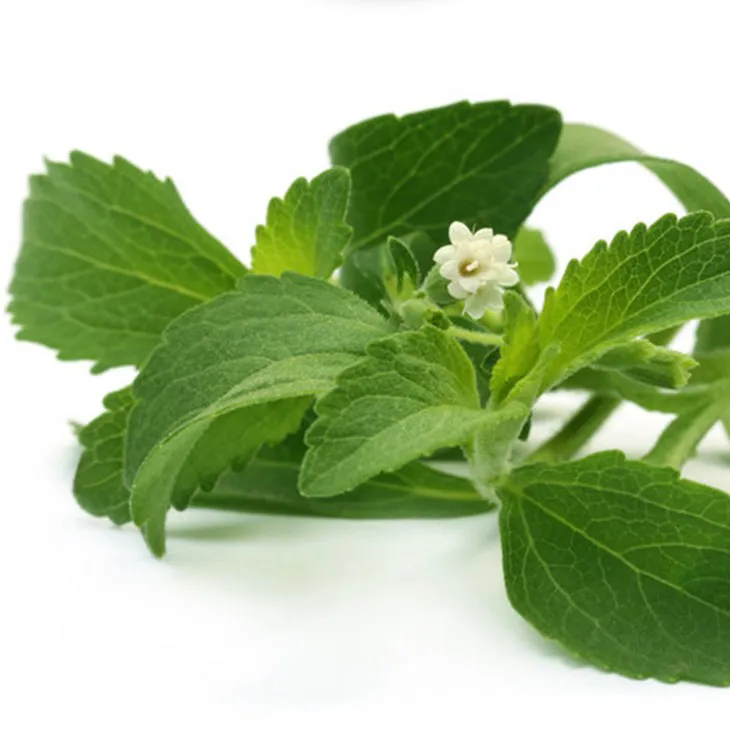
Stevia is a plant native to South America, where indigenous people in Paraguay and Brazil have chewed its leaves or used them to sweeten tea for centuries. The sweetness comes from compounds called steviol glycosides, which are naturally present in the leaves of Stevia rebaudiana. There are 11 major steviol glycosides, and the two most abundant are stevioside and rebaudioside A (Reb A). Depending on how much the leaf material is processed, the final product can range from a simple dried leaf powder to a highly refined extract that is 250 to 300 times sweeter than sugar.
What "stevia" really means
In everyday language, "stevia" is used loosely to describe any sweetener made from the stevia plant. In the industry, however, the term covers two very different product forms. Whole leaf stevia is simply the dried and ground leaves of the plant. It keeps the full spectrum of the leaf's compounds, including the sweet glycosides alongside other plant material, pigments, and fibers. Stevia Extract, by contrast, is produced by steeping the leaves in hot water and then filtering and purifying the liquid to isolate the sweet steviol glycosides and remove the non-sweet components.
That single processing difference is what drives the entire purity gap between the two forms. The more the sweet glycosides are concentrated and the more unwanted material is stripped away, the higher the purity — and the cleaner and more consistent the taste.
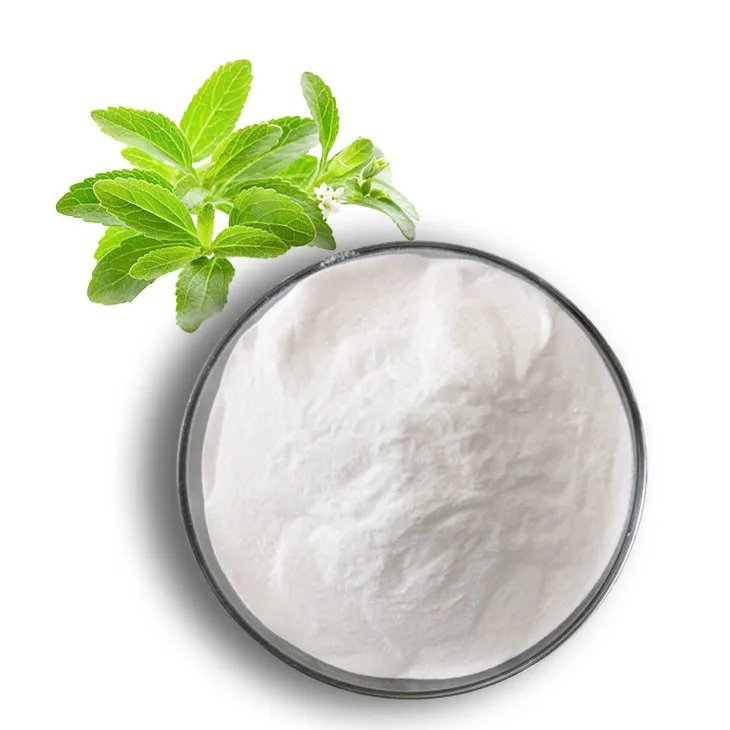
Whole leaf stevia: low purity, full flavor
Whole leaf stevia is the least processed form. Because the entire leaf is ground into a powder, the steviol glycosides are diluted by all the other plant components. In dried stevia leaves, the steviol glycosides typically make up only about 10 to 20 percent of the total weight. That means a whole leaf product is relatively low in purity compared with an extract, and it carries a noticeable licorice-like or herbal aftertaste that comes from the non-sweet compounds left in the powder.
Whole leaf stevia also has a regulatory drawback. Because its composition is variable and includes compounds that have not been fully characterized, whole leaf stevia has not been approved as a food sweetener by major regulatory bodies such as the U.S. FDA or the European Food Safety Authority. It is mainly used in home cooking, herbal preparations, and traditional applications rather than in commercial food and beverage manufacturing.
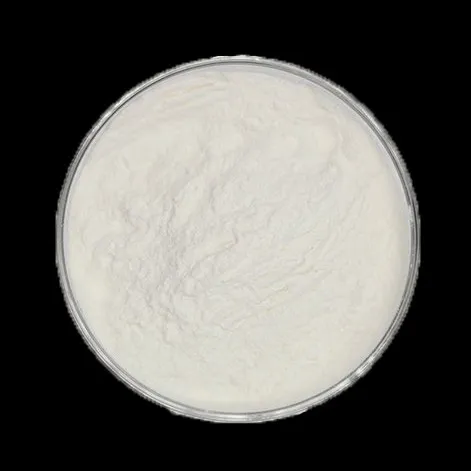
Stevia extract: purity on a spectrum
Stevia extract is not a single product — it is a spectrum. The extraction process starts the same way for every grade: the leaves are dried, steeped in hot water, and the resulting liquid is filtered and concentrated. From there, manufacturers can stop at a crude concentrate or continue purifying through additional filtration, ion-exchange, and crystallization steps to reach very high purity.
The purity of an extract is expressed as the percentage of steviol glycosides it contains. A crude extract may hold only 20 to 50 percent steviol glycosides, while a refined product can reach 80 percent or more. The benchmark that matters most in the food industry is high-purity stevia extract, which contains 95 percent or more steviol glycosides. Only extracts meeting this specification are approved by the Joint FAO/WHO Expert Committee on Food Additives (JECFA) and Codex Alimentarius for use in foods and beverages, and they are considered generally recognized as safe (GRAS) in the United States.
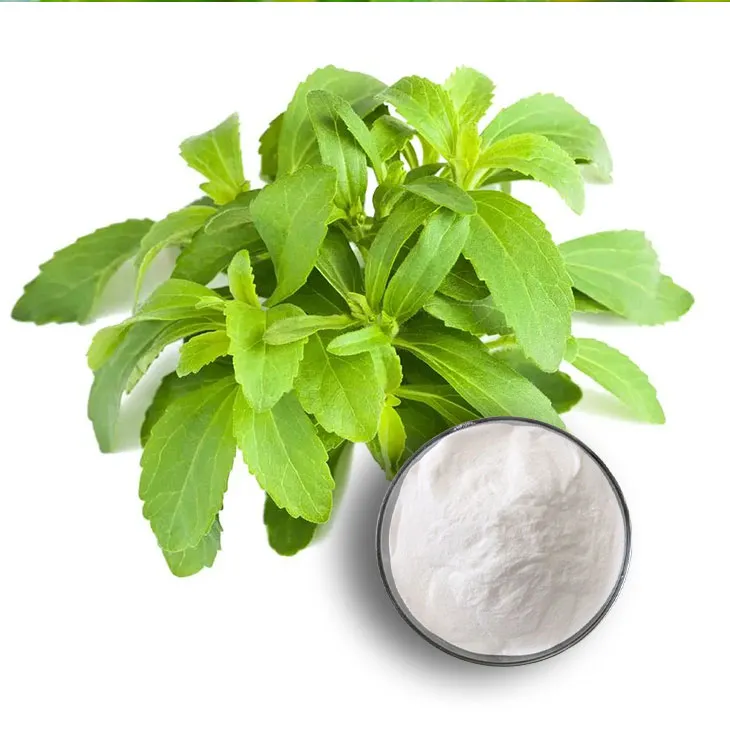
Purity levels compared at a glance
To see the difference clearly, it helps to line the two forms up side by side. Whole leaf stevia typically contains 10 to 20 percent steviol glycosides, keeps the plant's full flavor profile, and is not approved for commercial food use. A crude stevia extract sits in the middle range of roughly 20 to 50 percent purity and is used mainly as an intermediate ingredient. A refined extract reaches 80 percent or more, and a high-purity stevia extract hits 95 percent or greater, with a clean, sugar-like sweetness and minimal aftertaste. For regulatory approval and consistent performance in food and beverage formulations, the 95 percent-plus grade is the standard that manufacturers rely on.
Why purity matters
Purity is not just a technical detail — it directly affects taste, safety, and regulatory approval. Higher-purity extracts taste cleaner because the bitter and herbal components are removed, which is why they are preferred in beverages, dairy, baked goods, and tabletop sweeteners. They are also the only form that has passed the rigorous safety reviews behind the JECFA acceptable daily intake of 4 mg per kilogram of body weight per day, expressed as steviol equivalents, which is based on more than 200 studies. For a manufacturer, using a high-purity extract also means predictable sweetness and consistent quality from batch to batch, which is essential when a product must meet the same specification every time.
Purity is verified in the laboratory using high-performance liquid chromatography (HPLC), which separates and measures the individual steviol glycosides in a sample. This is why a reliable supplier will always be able to provide a certificate of analysis showing the exact glycoside content of each batch, along with the sum of stevioside and rebaudioside A, which JECFA requires to be at least 70 percent of the total.
Choosing the right form for your product
If you are a home cook experimenting with a natural sweetener, whole leaf stevia can be a fun, traditional option. But if you are a food or beverage brand, a supplement formulator, or a distributor building a product around stevia, you need a high-purity extract with documented specifications. That is where working with an experienced manufacturer makes the difference.
Hangzhou Greensky Biological Tech. Co., Ltd. is a professional manufacturer of natural plant extracts with more than 20 years of experience in producing active botanical ingredients. Its stevia extract is a natural sweetener extracted from the leaves of Stevia rebaudiana, delivering steviol glycosides that are hundreds of times sweeter than ordinary sugar with almost no calories. Greensky operates a 100,000-class clean production area, runs its own laboratory equipped with GC, HPLC, and UV instruments, and holds certifications including ISO22000, BRCGS, Ecocert Organic Standard, SGS-GMP, ISO9001, HALAL, and Kosher. For buyers looking for high purity stevia extract in bulk, the company also provides export registration and documentation to support global regulatory submissions.
Conclusion
The difference between stevia and stevia extract is fundamentally a difference in purity. Whole leaf stevia keeps the entire plant and sits at roughly 10 to 20 percent steviol glycosides, while a high-purity extract concentrates the sweet glycosides to 95 percent or more and strips away the compounds that cause off-flavors. For commercial food and beverage use, that high-purity grade is the only form recognized as safe by the major regulators — and it is the grade you should demand from your supplier. Whether you are sourcing pure stevia extract for a new formulation or comparing suppliers, always ask for the certificate of analysis and confirm the steviol glycoside content before you commit.
TAGS:
- ▶ Hesperidin
- ▶ Citrus Bioflavonoids
- ▶ Plant Extract
- ▶ lycopene
- ▶ Diosmin
- ▶ Grape seed extract
- ▶ Sea buckthorn Juice Powder
- ▶ Fruit Juice Powder
- ▶ Hops Extract
- ▶ Artichoke Extract
- ▶ Mushroom extract
- ▶ Astaxanthin
- ▶ Green Tea Extract
- ▶ Curcumin
- ▶ Horse Chestnut Extract
- ▶ Other Product
- ▶ Boswellia Serrata Extract
- ▶ Resveratrol
- ▶ Marigold Extract
- ▶ Grape Leaf Extract
- ▶ New Product
- ▶ Aminolevulinic acid
- ▶ Cranberry Extract
- ▶ Red Yeast Rice
- ▶ Red Wine Extract
- ▶ blog
-
Shikone Extract
2026-08-15
-
Artichoke Leaf Extract
2026-08-15
-
Tongkat Ali Extract
2026-08-15
-
Clove Powder
2026-08-15
-
White mustard seed extract
2026-08-15
-
Calendula Extract
2026-08-15
-
White Peony Extract
2026-08-15
-
American Ginseng Root Extract
2026-08-15
-
Cactus Extract
2026-08-15
-
Cranberry Extract
2026-08-15
