- 0086-571-85302990
- [email protected]






Should red yeast rice coq10 be taken in the morning or evening?
2026-08-18

If you are planning to add red yeast rice to your daily routine alongside CoQ10, one of the first questions that comes up is when to take them. The honest answer is that red yeast rice and CoQ10 both work best in the evening, usually with dinner or right before bed. Evening timing fits the way your body actually produces cholesterol, and it makes the two supplements easier to remember as part of one consistent habit. That consistency, more than any single detail, is what turns a supplement into a lasting part of your heart-health support.
The logic behind the evening recommendation is simple once you understand how red yeast rice works. Red yeast rice is rice fermented with Monascus, and its active compounds belong to a family called monacolins. The most studied of these is monacolin K, which supports healthy HMG-CoA reductase activity, the enzyme that acts as the main control point in the liver's production of cholesterol. When monacolin is present in the body, that enzyme is regulated, and less cholesterol is produced per unit of time.
Why evening dosing aligns with your body's rhythm
Cholesterol is not made at a steady rate throughout the day. The liver runs on a circadian rhythm, and its cholesterol-synthesizing activity is highest at night during the fasting hours of sleep, peaking roughly between midnight and the early morning. Because red yeast rice's active compounds work at the level of this nightly production cycle, taking it in the evening means the monacolins are at meaningful levels just when the liver is most active. Morning dosing still contributes, but it is slightly out of step with the body's natural peak.
This is the same reasoning behind the dosing schedules of many pharmaceutical cholesterol supports, whose prescribing instructions have long recommended taking them at night for the same reason. Red yeast rice operates along the same biological pathway, so it makes sense to treat its timing in the same way. If an evening dose fits your schedule poorly, a morning dose is far better than skipping, but where possible, tie it to dinner or bedtime.
What CoQ10 adds and when it should be taken
CoQ10, also called coenzyme Q10, is a compound your cells produce naturally and use to generate energy, especially in tissues with high energy demand such as heart muscle. Some research and clinical experience suggest that supporting cholesterol pathways over a long period can be accompanied by a decline in naturally produced CoQ10, which is why many health professionals recommend taking CoQ10 alongside red yeast rice. Combining the two means you support cholesterol management while helping to keep heart-muscle energy production supplied.
CoQ10 is fat-soluble, so it absorbs noticeably better when taken with a meal that contains some dietary fat. This makes the evening meal a practical home for it. If you take red yeast rice and CoQ10 together at dinner, you get the absorption benefit from the food and you keep the two supplements on the same schedule. For most adults, a typical amount paired with red yeast rice is around 100 to 200 mg of CoQ10 per day, though the right dose depends on your needs and should be confirmed with a healthcare provider.
Morning versus evening at a glance
A quick comparison helps make the choice concrete. With dinner, red yeast rice is at its most effective because it lines up with overnight cholesterol synthesis, and tolerance is generally excellent because food reduces the chance of stomach discomfort. Right before bed on an empty stomach is still reasonably effective, though some people feel minor digestive discomfort. With breakfast, effectiveness is somewhat lower because the dose is not synchronized with the body's cholesterol peak, even though the supplement still provides benefit if taken with food.
Practical daily routine for red yeast rice and CoQ10
A realistic routine looks like this: take both supplements with your main evening meal, or within an hour of it. If you take other supplements, keep a small gap between red yeast rice and minerals such as calcium or iron, which can interfere with absorption; spacing them by a couple of hours avoids the problem. Avoid grapefruit juice around the same time as your red yeast rice dose, because grapefruit can raise the blood level of monacolins beyond what you intend.
Safety considerations worth keeping in mind
Red yeast rice is generally well tolerated, but timing and caution both matter. If you already take prescription medication for cholesterol, do not combine it with red yeast rice without professional guidance, because the two act on the same pathway. Red yeast rice should also be avoided during pregnancy, while breastfeeding, or if you have an existing liver condition. If you are adding it alongside other heart-supporting ingredients, it is always wise to review the full picture with a doctor or qualified pharmacist before starting.
What separates a quality red yeast rice ingredient
Because red yeast rice is a fermented ingredient, quality varies considerably between suppliers, and the difference is visible in the label. Look for a product that states its monacolin K content directly rather than hiding behind vague marketing language. Fermentation can also create a contaminant called citrinin under poor production conditions, so a reputable manufacturer should test for it. When a supplier can document that its red yeast rice is citrinin-free and standardized for monacolin K, that speaks to the discipline behind the ingredient.
Those are exactly the characteristics that buyers look for when choosing functional red yeast rice as a raw material. Hangzhou Greensky Biological Tech. Co., Ltd., a natural plant extract and functional red yeast rice manufacturer founded in 2004, produces its functional red yeast rice through a strict fermentation process with a standardized range of 0.2 to 5 percent Monacolin K and testing that presents the ingredient as citrinin-free. The ingredient is produced in a food-grade environment, supported by an independent laboratory equipped with instruments such as GC and HPLC, and carries certifications that include ISO22000, BRCGS, SGS-GMP, ISO9001, HALAL, and Kosher.
For consumers, the practical point is that the time of day matters, but so does the quality of what you put in your routine. For formulators and brands, the same point applies on a larger scale. Sourcing from a manufacturer that can document monacolin K content, name its test methods, and back the product with certifications makes it far easier to build a red yeast rice and CoQ10 combination that is both consistent and defensible.
The bottom line
Take red yeast rice and CoQ10 in the evening, ideally with dinner, because that timing matches the body's natural nightly cholesterol-production cycle and improves CoQ10 absorption at the same time. Stay consistent, take them with food if you have a sensitive stomach, keep a gap from minerals like calcium and iron, and steer clear of grapefruit juice near your dose. Most importantly, choose a product with documented monacolin K content and citrinin testing, and confirm your plan with a healthcare professional before you start. A simple, repeatable evening habit, built on a quality ingredient, is what makes the combination worth taking.
TAGS:
- ▶ Hesperidin
- ▶ Citrus Bioflavonoids
- ▶ Plant Extract
- ▶ lycopene
- ▶ Diosmin
- ▶ Grape seed extract
- ▶ Sea buckthorn Juice Powder
- ▶ Fruit Juice Powder
- ▶ Hops Extract
- ▶ Artichoke Extract
- ▶ Mushroom extract
- ▶ Astaxanthin
- ▶ Green Tea Extract
- ▶ Curcumin
- ▶ Horse Chestnut Extract
- ▶ Other Product
- ▶ Boswellia Serrata Extract
- ▶ Resveratrol
- ▶ Marigold Extract
- ▶ Grape Leaf Extract
- ▶ New Product
- ▶ Aminolevulinic acid
- ▶ Cranberry Extract
- ▶ Red Yeast Rice
- ▶ Red Wine Extract
- ▶ blog
-
Beta Carotene
2026-08-18
-
Rosemary extract
2026-08-18
-
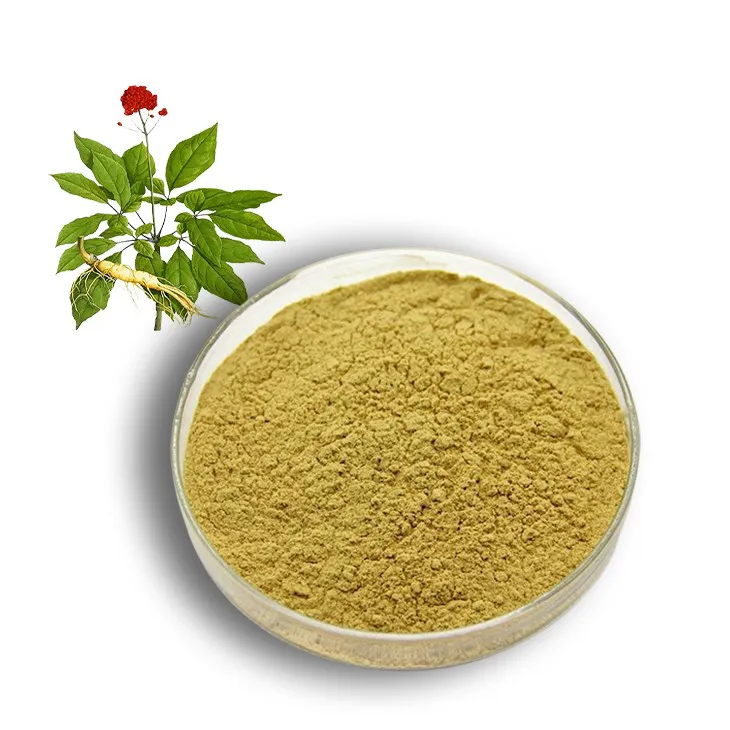
Panax Ginseng Leaf Extract
2026-08-18
-
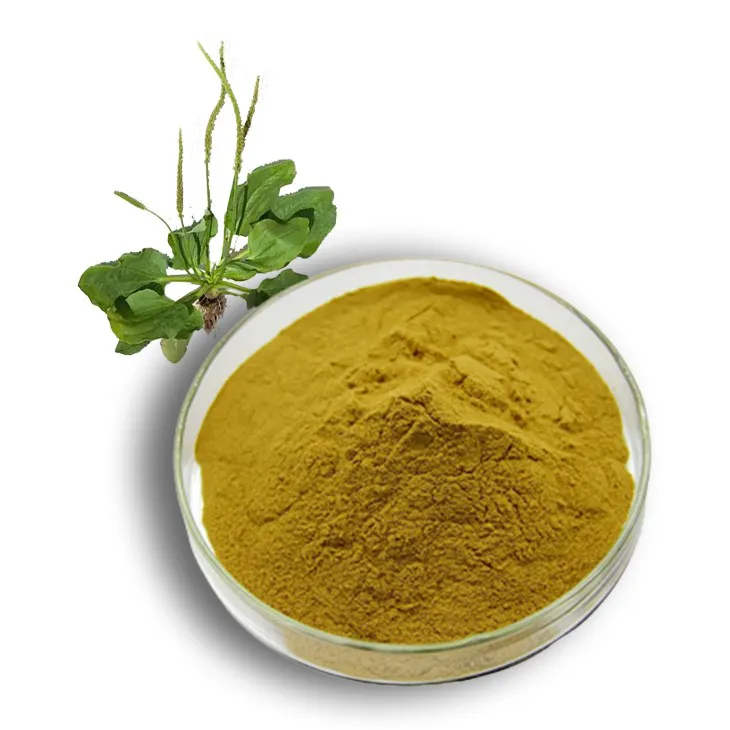
Plantain extract
2026-08-18
-
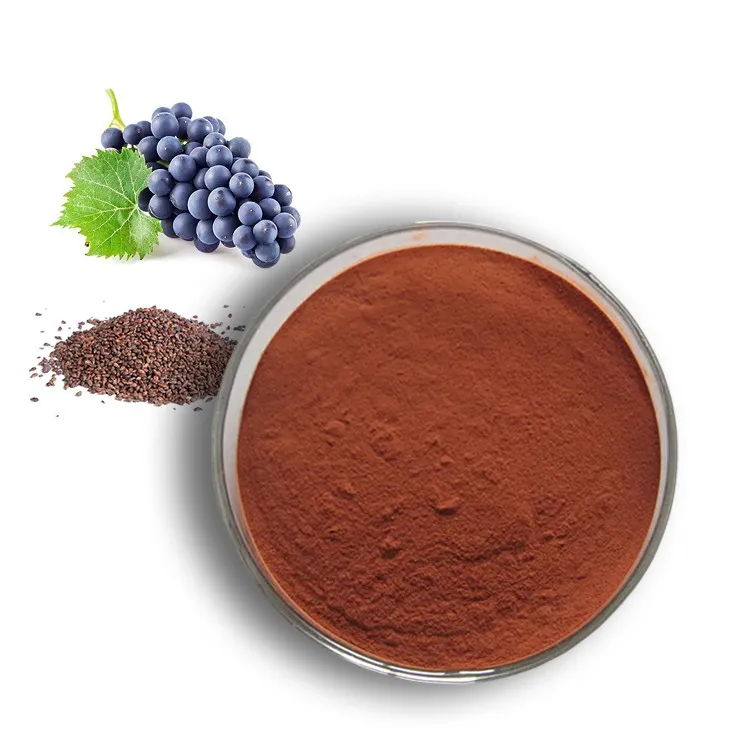
Natural grape seed extract
2026-08-18
-
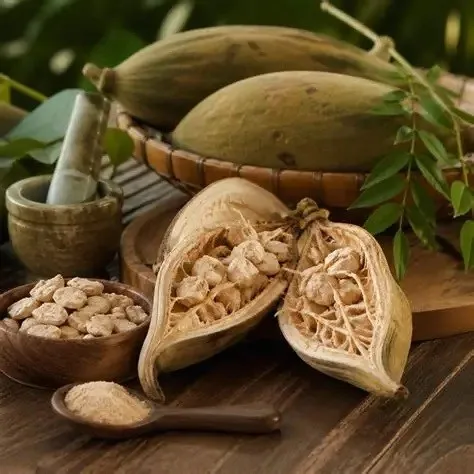
Baobab Fruit Extract
2026-08-18
-
Dan Shen Root Extract/Salvia Root Extract
2026-08-18
-
Astaxanthin
2026-08-18
-
Tinospora cordifolia extract
2026-08-18
-
Pomegranate Extract
2026-08-18
