We have five factories and 23 years of experience in plant extracts
- 0086-571-85302990
- [email protected]






Is there a best astaxanthin for athletes and recovery?
2026-08-13
Related Product
Astaxanthin
We are a professional plant extract manufacturer in China, focusing on the R&D and production of Astaxanthin extract, providi
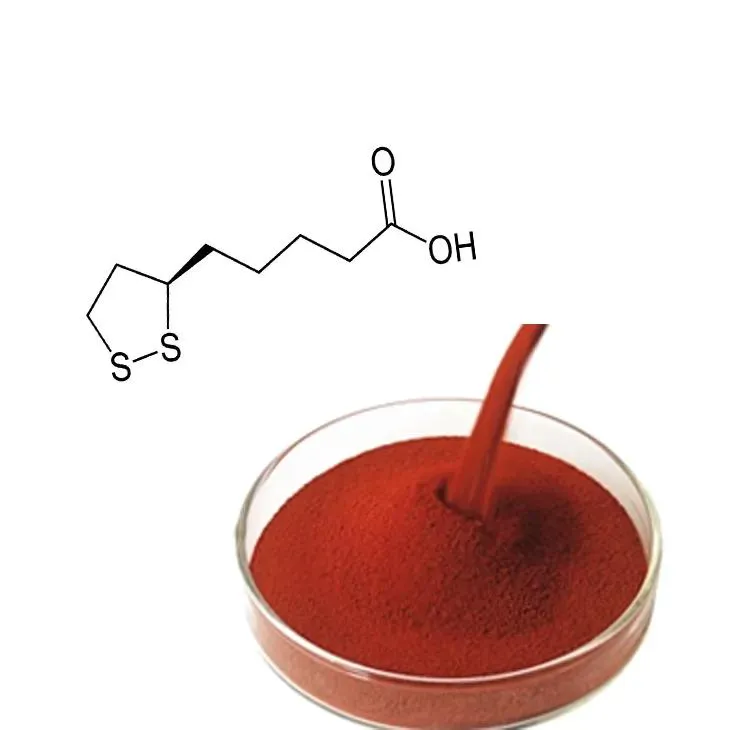
When an athlete finishes a hard session, the work is not really over. The hours that follow, when muscles repair and the body clears the by-products of intense effort, often decide how well the next training block goes. More and more athletes and coaches are asking whether a marine-derived carotenoid called Astaxanthin can make that recovery window shorter and the next session stronger. The short answer is promising, but the longer answer depends on choosing the right product. This article looks at what the evidence says, what to look for in a supplement, and why the source of your astaxanthin matters as much as the dose.
Why athletes are paying attention to Astaxanthin
Heavy training generates reactive oxygen and nitrogen species. In normal amounts these molecules are part of how the body adapts and grows stronger, but when training load climbs, production can outrun the body's own defenses and tip into oxidative stress. Over time, unchecked oxidative stress can slow recovery and leave tissue exposed to avoidable damage. This is where exogenous antioxidants come in, and Astaxanthin stands out among them. It is a lipid-soluble xanthophyll carotenoid, the same pigment that gives salmon its red color, and it is widely regarded as one of the most potent natural antioxidants found in a supplement. Its unusual structure lets it span the cell membrane, quenching reactive species both inside and at the surface of cells.
What the research says about performance and recovery
A growing body of in vitro and animal research suggests that astaxanthin can support exercise metabolism, endurance, and recovery. One of the most often cited figures comes from laboratory work showing that astaxanthin has roughly 10 times the antioxidant activity of carotenoids such as beta-carotene and around 100 times that of vitamin E. In animal exercise models, supplementation has been linked to improved fat oxidation, better protection of mitochondrial membranes, and a faster return to baseline after exertion.
Human evidence is still maturing, but several placebo-controlled trials have reported encouraging results. In one study, athletes taking a daily dose of astaxanthin completed more repetitions in a leg-based test and improved performance compared with a placebo group. Another randomized trial in taekwondo athletes found that four weeks of daily supplementation meaningfully improved measures of neuromuscular coordination and anaerobic capacity, such as the double jump kick. Researchers note that human results are more varied than the animal data, largely because well-controlled studies are still scarce, but the direction of the evidence supports astaxanthin as a sensible addition to a recovery-focused nutrition plan rather than a magic bullet.
How astaxanthin supports recovery
Recovery is rarely about a single nutrient, and astaxanthin fits into the puzzle in a few distinct ways. First, it protects lipid-rich structures from peroxidation, which matters because cell membranes and mitochondria are built from lipids and take a beating during hard sessions. Second, it helps regulate the inflammatory response that follows heavy exertion, which is why some athletes report noticeably less soreness in the days after training. Third, evidence suggests it may nudge the body toward using fat as a fuel source during submaximal effort, potentially sparing glycogen for later in a session. These effects work together, which is part of why astaxanthin is usually taken consistently over weeks rather than as a one-off before a single workout.
Is there really a "best" astaxanthin?
Not every astaxanthin on the market is created equal, and the differences matter for anyone shopping for a supplement. The form intended for human use is the natural (3S, 3′S) isomer, most commonly derived from the microalgae Haematococcus pluvialis. Natural astaxanthin from this source is produced in cells and includes beneficial lipids and other compounds that synthetic versions lack. Look for products that state the source and the level of purity, and check that the manufacturer can document consistent quality through testing in an independent laboratory.
Because the human body cannot synthesize astaxanthin, absorption depends on the food matrix it comes with. Research shows that taking astaxanthin with dietary fat improves uptake noticeably, so a soft gel or a capsule with a lipid carrier is often more effective than a plain powder mixed into water. Typical products recommend around 4 mg per day, though some studies have used higher doses, and the European Food Safety Authority has established an acceptable daily intake of 0.034 mg per kg of body weight.
Why the supplier you choose matters
For supplement brands and formulators, the "best" astaxanthin is ultimately the one that is consistent, traceable, and backed by a manufacturer with real production capability and clean documentation. A reliable best astaxanthin partner should be able to show you certificates of analysis, manufacturing standards, and a clear audit trail from raw material to finished powder. This is exactly the kind of diligence that separates a commodity buy from a strategic sourcing relationship.
Greensky, a plant extract manufacturer founded in 2004 and headquartered in Hangzhou, has spent more than two decades developing and producing active botanical ingredients. Its astaxanthin is part of a catalog of roughly 170 plant extracts, and the company operates with vertically integrated subsidiaries covering research, production, and sales. Production takes place in a 100,000-class clean area that meets food-grade requirements, and an in-house laboratory equipped with instruments such as HPLC and GC supports quality checks at every stage. Greensky holds certifications including ISO22000, BRCGS, HALAL, and Kosher, giving buyers the documentation they need for global regulatory submissions. As an astaxanthin supplier, Greensky exports to markets across Europe, the United States, South Korea, and Russia, with export value reaching nearly 30 million US dollars in 2023.
Practical takeaways for athletes
If you are thinking about adding astaxanthin to your routine, treat it as a steady addition rather than a pre-workout spike. Take it daily with a meal that contains some fat, allow several weeks for the body to build up meaningful levels, and pair it with the fundamentals of recovery: sleep, hydration, protein, and controlled training load. Choose a product that is clearly sourced from natural Haematococcus pluvialis, transparent about purity, and produced by a manufacturer you can verify.
Is there a best astaxanthin for athletes and recovery? The evidence suggests the active ingredient itself is compelling, but the best product is the one that combines a verified natural source, a clean manufacturing process, and a dose you can take consistently. When those three line up, astaxanthin becomes a practical, evidence-based tool for supporting performance and shortening the road back to your next best session.
TAGS:
FAQ
- ▶ Hesperidin
- ▶ Citrus Bioflavonoids
- ▶ Plant Extract
- ▶ lycopene
- ▶ Diosmin
- ▶ Grape seed extract
- ▶ Sea buckthorn Juice Powder
- ▶ Fruit Juice Powder
- ▶ Hops Extract
- ▶ Artichoke Extract
- ▶ Mushroom extract
- ▶ Astaxanthin
- ▶ Green Tea Extract
- ▶ Curcumin
- ▶ Horse Chestnut Extract
- ▶ Other Product
- ▶ Boswellia Serrata Extract
- ▶ Resveratrol
- ▶ Marigold Extract
- ▶ Grape Leaf Extract
- ▶ New Product
- ▶ Aminolevulinic acid
- ▶ Cranberry Extract
- ▶ Red Yeast Rice
- ▶ Red Wine Extract
- ▶ blog
Recommended Products
-
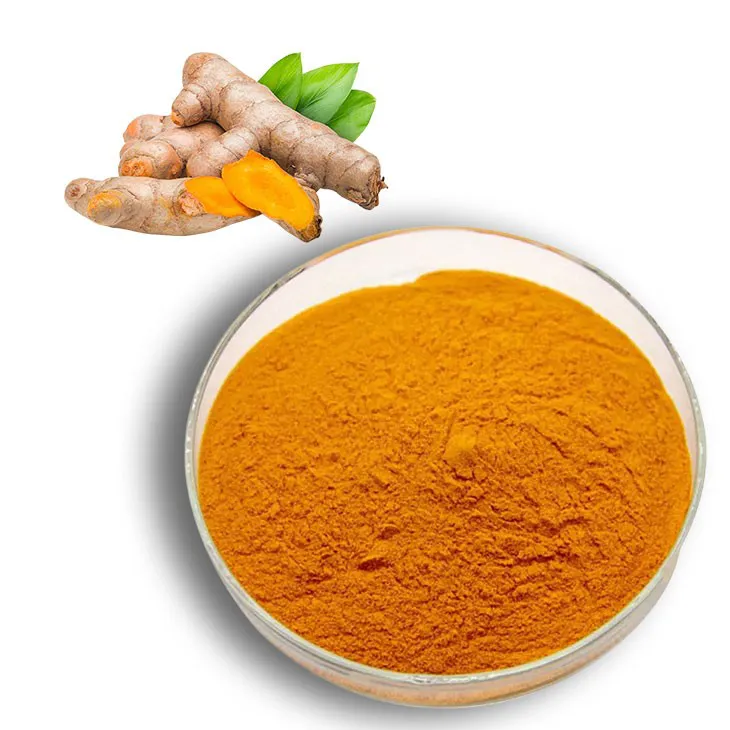
Curcuma Longa Extract/Turmeric extract
2026-08-13
-
Cat Claw Extract
2026-08-13
-
Giant Knotweed Extract
2026-08-13
-
melatonin
2026-08-13
-
Liposomal NMN
2026-08-13
-
Baobab Fruit Extract
2026-08-13
-
Plantain extract
2026-08-13
-
Uridine-5'-monophosphate Disodium salt
2026-08-13
-
Lion's Mane Mushroom Extract
2026-08-13
-
Yam Extract
2026-08-13
Get a Quote
