- 0086-571-85302990
- [email protected]






Is organic astaxanthin more effective than non-organic astaxanthin?
2026-08-15
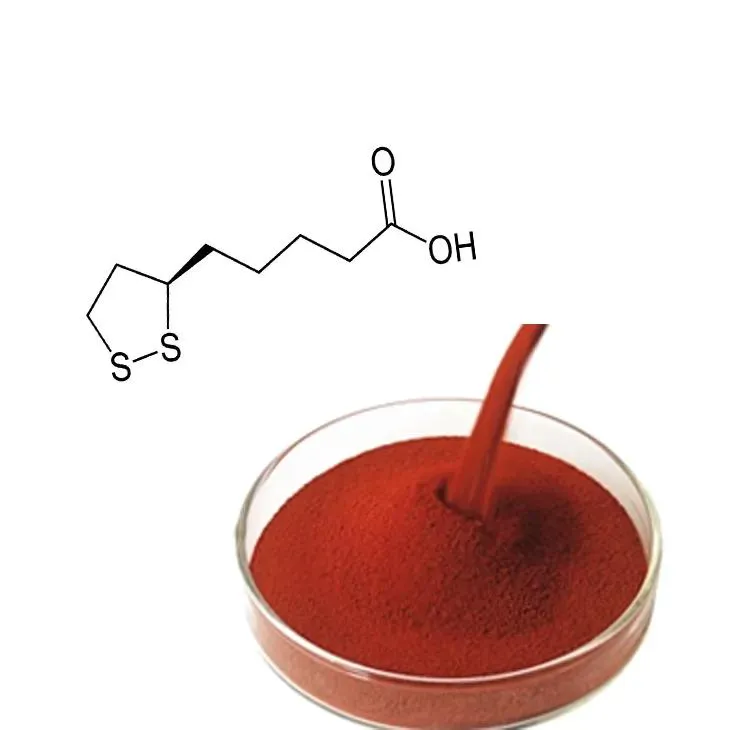
Astaxanthin is one of the most studied antioxidant ingredients in the supplement industry, valued for eye, skin, and cardiovascular support. As demand grows, buyers are increasingly asking whether organic astaxanthin is genuinely more effective than non-organic Astaxanthin, or whether the organic label is only a marketing distinction. The answer is more nuanced than a simple yes or no. This article explains what organic certification actually means for Astaxanthin, how it compares with non-organic material, and what really determines the effectiveness of the ingredient you source.
What Does Organic Mean for Astaxanthin?
Most natural astaxanthin is produced by the microalgae Haematococcus pluvialis, which is cultivated in controlled ponds or photobioreactors and induced to accumulate the red pigment when it is exposed to stress such as bright light or nutrient limitation. Organic certification applies to this cultivation step. An organic astaxanthin product must be grown without synthetic pesticides, synthetic fertilizers, or genetically modified organisms, and the production facility must be audited by an accredited certification body such as Ecocert, USDA Organic, or an EU-recognized organic program.
The key point is that organic certification is a production standard, not a different molecule. The astaxanthin produced by organic and non-organic algae is chemically the same compound. What the organic label changes is the way the raw material is grown and handled, which has a direct effect on the purity of the final ingredient.
Organic vs Non-Organic: What Actually Differs
Because the astaxanthin molecule is identical, the practical differences between organic and non-organic astaxanthin come down to the surrounding quality of the material:
- Fewer contaminants. Organic cultivation rules restrict synthetic pesticides and synthetic fertilizers, so organic astaxanthin carries a lower risk of pesticide residue carryover into the extract.
- Stricter traceability. Organic certification requires documented control of the whole cultivation chain, which gives buyers a clearer audit trail from algae to finished powder.
- Cleaner label position. For brands targeting the natural and organic supplement segment, an organically certified ingredient is easier to formulate into a clean-label finished product.
- Independent verification. Certified organic material is checked by third-party auditors, adding an extra layer of quality assurance beyond the manufacturer's own testing.
In other words, organic astaxanthin is not inherently more potent per milligram than a well-made non-organic product. It is, however, more likely to be clean, traceable, and free of residues, which is why many formulators treat organic certification as a quality benchmark rather than a potency claim.
The Bigger Factor: Natural vs Synthetic Astaxanthin
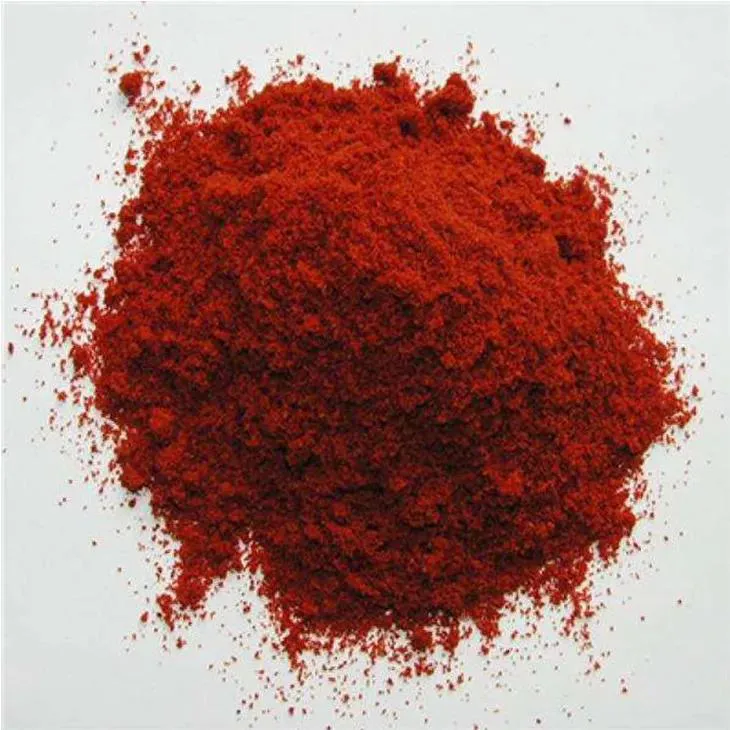
When buyers ask whether one form of astaxanthin is more effective than another, the more significant distinction is usually natural versus synthetic, not organic versus non-organic. Natural astaxanthin from Haematococcus pluvialis exists predominantly in a single stereoisomer form, the 3S,3'S configuration, which is the same form found in salmon and krill and the form the human body recognizes most efficiently. It is also largely esterified, meaning the molecule is bound to fatty acids that support stability and absorption.
Synthetic astaxanthin, by contrast, is manufactured from petrochemical-derived starting materials and is a mixture of several stereoisomers, including forms that are less efficiently used by the body. Most synthetic astaxanthin is produced for aquaculture feed rather than for human supplements. Research comparing the two sources has reported that natural astaxanthin is absorbed more efficiently and shows stronger antioxidant activity than synthetic material, which is why virtually all human clinical studies on astaxanthin use the natural form.
Bioavailability and Effectiveness
Bioavailability, or how much of the astaxanthin you consume is actually absorbed and used by the body, is what ultimately determines effectiveness. Natural astaxanthin's single stereoisomer structure and esterified form help it integrate into lipid structures during digestion, which supports better uptake. Because of this, a lower dose of natural astaxanthin can achieve blood levels comparable to a higher dose of a less bioavailable form.
For the organic question specifically, the practical takeaway is this: choose natural astaxanthin from microalgae first, because source and molecular form drive effectiveness. Then, within natural astaxanthin, organic certification adds value as a purity and traceability guarantee. A buyer who compares two natural products and chooses the organic one is paying for cleaner production and verified sourcing, not for a stronger molecule.
How to Verify Quality Before You Buy
Whether you are sourcing organic or non-organic astaxanthin, the same verification steps apply. Ask the supplier for the certificate of analysis for recent batches and check the astaxanthin content and the testing method, usually HPLC. Confirm the source is Haematococcus pluvialis microalgae rather than synthetic material. If organic certification matters to your market, request the certificate issued by the certification body and check that it covers the production site, not just the trading company. Finally, ask whether the manufacturer runs its own laboratory, because in-house testing with HPLC, GC, and UV instruments gives you faster, more reliable batch data than outsourced testing alone.
Sourcing Astaxanthin from a Certified Manufacturer
GreenSky (Hangzhou Greensky Biological Tech. Co., Ltd.) is a professional astaxanthin manufacturer and supplier of natural plant extracts, founded in 2004 with more than 20 years of experience in botanical ingredients. The company operates five wholly-owned subsidiaries with full vertical integration from research and development to production, and its export value reached nearly 30 million US dollars in 2023, with main markets in Europe, the United States, South Korea, and Russia.
GreenSky's production facilities include a 100,000-class clean production area that meets food-grade requirements and an independent laboratory equipped with HPLC, GC, and UV instruments. The company holds ISO22000, BRCGS, Ecocert Organic Standard, SGS-GMP, ISO9001, HALAL, and Kosher certifications, together with the Export Food Production Enterprise Registration Certificate. For buyers who need a dependable source of astaxanthin, GreenSky provides certificates of analysis, organic documentation, and samples on request.
Conclusion
Is organic astaxanthin more effective than non-organic astaxanthin? The honest answer is that the molecule is the same, so organic certification does not make astaxanthin more potent. What it does provide is cleaner production, stricter traceability, and independent verification, all of which matter for a premium finished product. The factor that truly drives effectiveness is choosing natural astaxanthin from Haematococcus pluvialis microalgae over synthetic material. When you combine natural sourcing with organic certification from a certified manufacturer, you get an ingredient that is both effective and clean, which is the combination most supplement brands are looking for.
FAQ
Q: Is organic astaxanthin chemically different from non-organic astaxanthin?
No. The astaxanthin molecule is identical. Organic certification refers to how the algae is cultivated, without synthetic pesticides, synthetic fertilizers, or GMOs, and is verified by an accredited certification body.
Q: What is the main source of natural astaxanthin?
Natural astaxanthin is produced by the microalgae Haematococcus pluvialis, which is the source used in most human clinical studies and the form the body absorbs most efficiently.
Q: Why is natural astaxanthin considered more effective than synthetic?
Natural astaxanthin exists mainly in a single stereoisomer form and is largely esterified, which supports better absorption and stronger antioxidant activity. Synthetic astaxanthin is a mixture of stereoisomers and is mostly used in aquaculture feed.
Q: What should I check before buying organic astaxanthin?
Request the certificate of analysis for recent batches, confirm the source is Haematococcus pluvialis, and ask for the organic certificate issued by the certification body covering the production site.
- ▶ Hesperidin
- ▶ Citrus Bioflavonoids
- ▶ Plant Extract
- ▶ lycopene
- ▶ Diosmin
- ▶ Grape seed extract
- ▶ Sea buckthorn Juice Powder
- ▶ Fruit Juice Powder
- ▶ Hops Extract
- ▶ Artichoke Extract
- ▶ Mushroom extract
- ▶ Astaxanthin
- ▶ Green Tea Extract
- ▶ Curcumin
- ▶ Horse Chestnut Extract
- ▶ Other Product
- ▶ Boswellia Serrata Extract
- ▶ Resveratrol
- ▶ Marigold Extract
- ▶ Grape Leaf Extract
- ▶ New Product
- ▶ Aminolevulinic acid
- ▶ Cranberry Extract
- ▶ Red Yeast Rice
- ▶ Red Wine Extract
- ▶ blog
-
Baicalin
2026-08-15
-
Grapefruit Seed Extract Powder
2026-08-15
-
Chaste Berry Extract
2026-08-15
-
Sophora Japonica Flower Extract
2026-08-15
-
Coconut Water Powder
2026-08-15
-
Bayberry Extract
2026-08-15
-
Passionflower Extract
2026-08-15
-
Gamma-Aminobutyric Acid
2026-08-15
-
Ginger Extract
2026-08-15
-
Reishi mushroom extract
2026-08-15
