- 0086-571-85302990
- [email protected]






Is edible rosemary extract approved as a food preservative?
2026-08-18
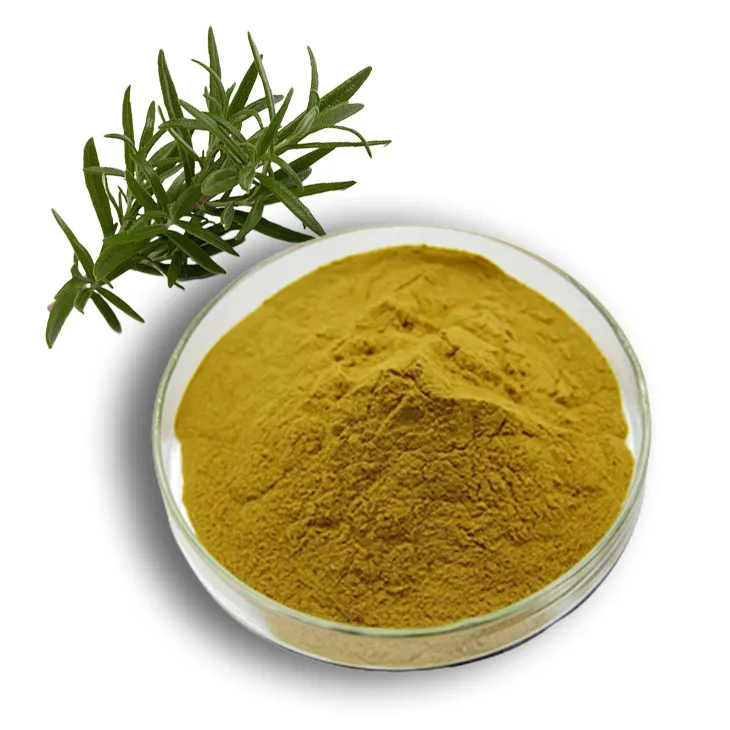
The short answer is yes. Edible Rosemary extract is approved as a food preservative in essentially every major food market, though the way it is regulated differs from one country to another. In the European union it is authorised as the food additive E392, in the United States it holds GRAS (Generally Recognized as Safe) status, and in China it has been listed as an approved food antioxidant since 2016 under the national food additive standard. If you are a food manufacturer deciding whether to switch from synthetic antioxidants like BHA and BHT to a natural option, this article walks through what Rosemary extract actually does, where it is approved, and what to check before you buy.
What is edible Rosemary extract?
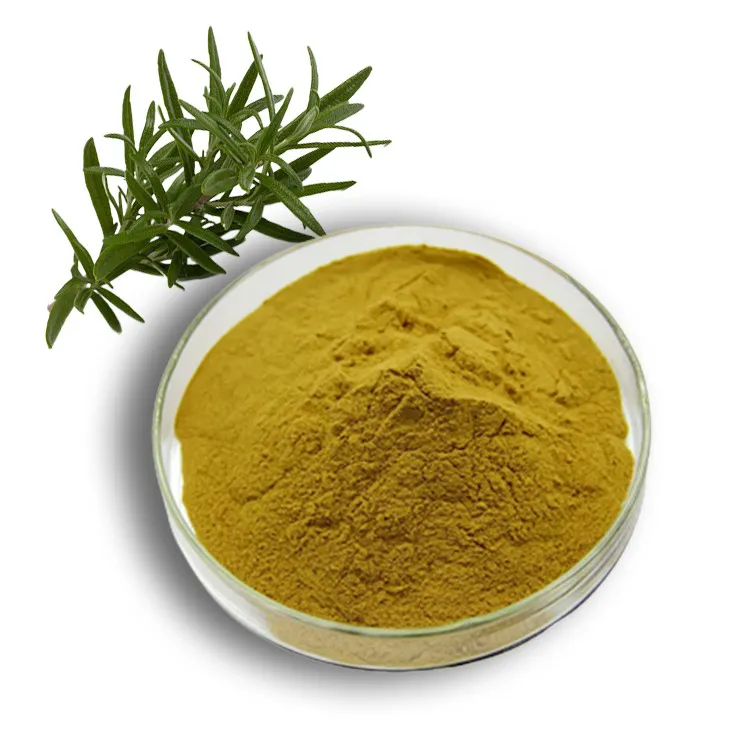
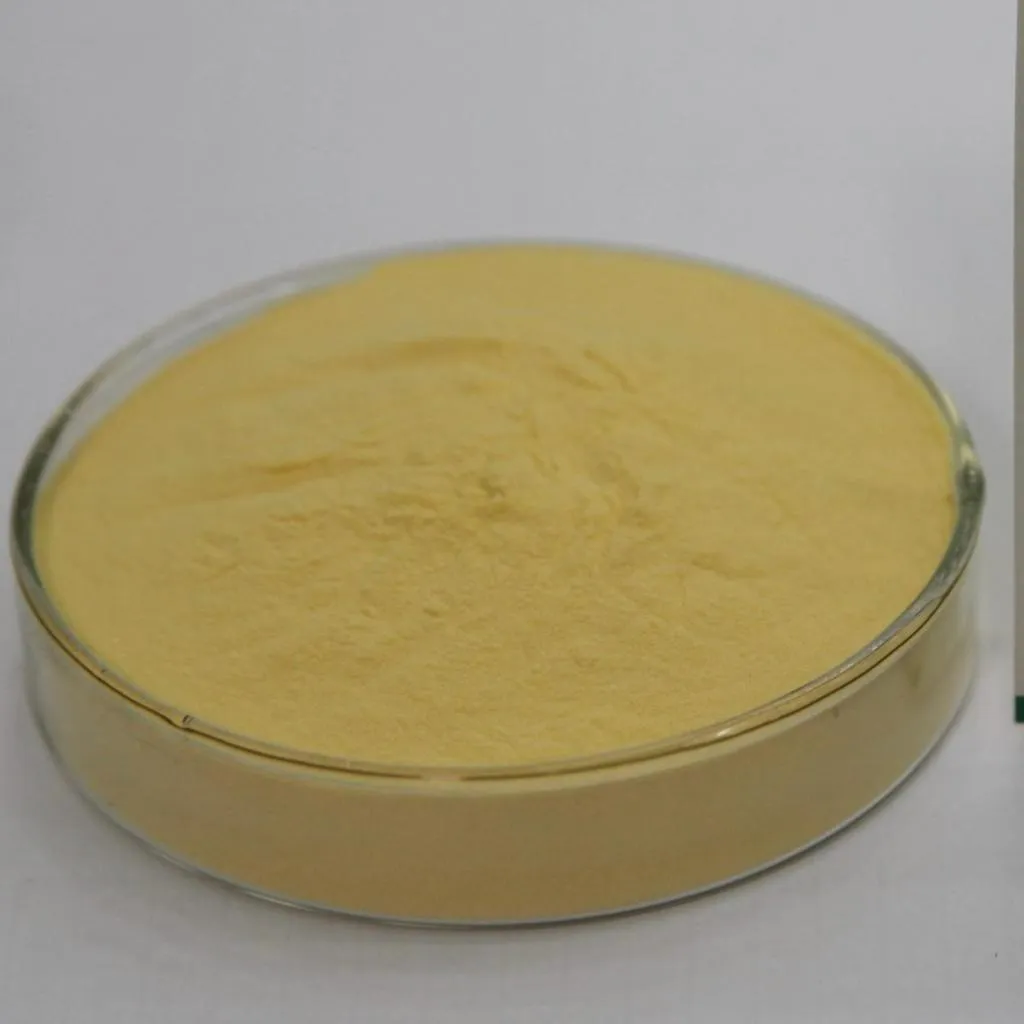
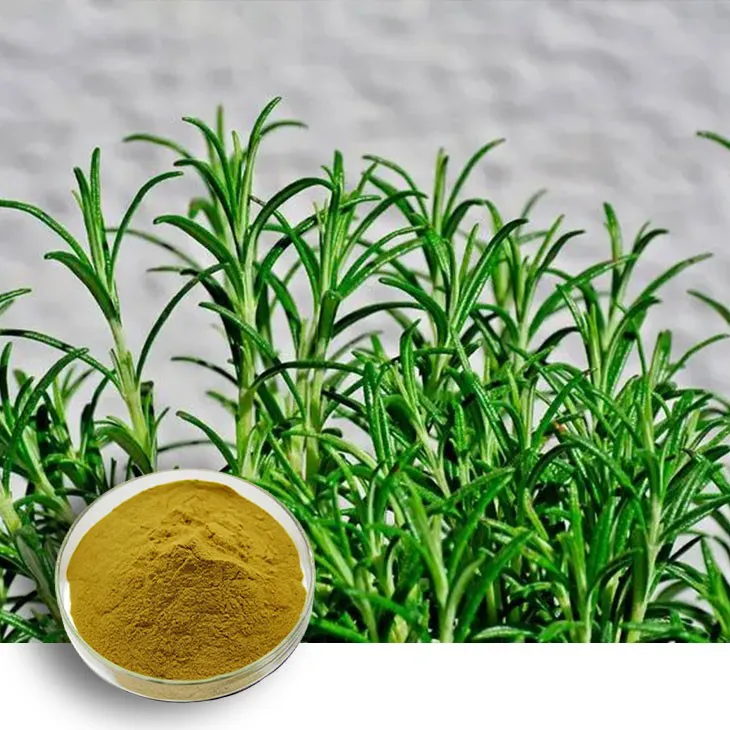
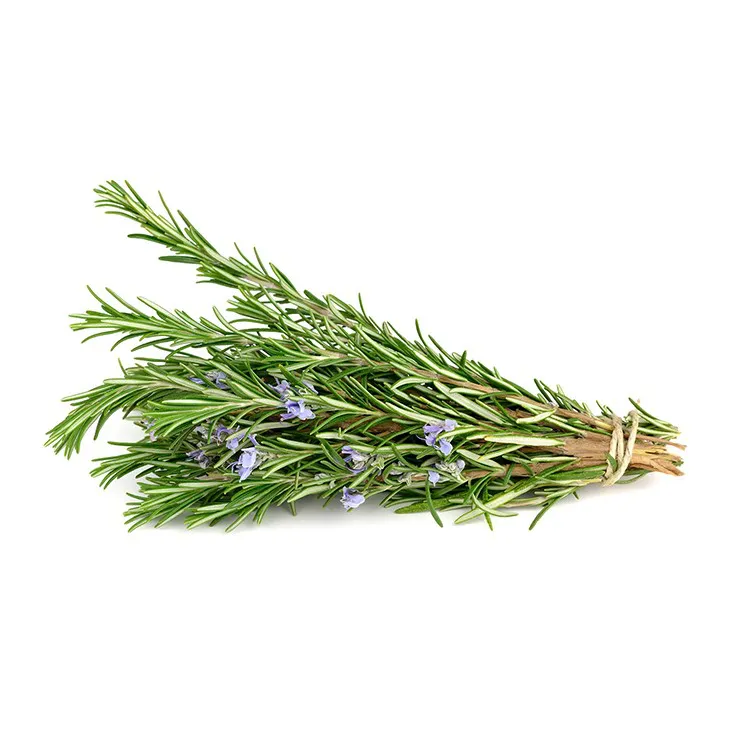
Edible rosemary extract is a natural ingredient obtained from the leaves of the rosemary plant (Rosmarinus officinalis L.). The leaves are dried, ground, and extracted with food-grade solvents such as acetone or ethanol, then filtered, concentrated, and dried into a fine powder. What makes the extract valuable to food processors is its concentration of phenolic compounds, chiefly two lipid-soluble diterpenes called carnosic acid and carnosol, plus a water-soluble fraction dominated by rosmarinic acid. These compounds give the extract strong antioxidant activity, which is why it is used across the food, beverage, and health product industries to slow spoilage, extend shelf life, and protect the nutritional value of oils and fats.
How does rosemary extract preserve food?
The main enemy rosemary extract fights is oxidative rancidity. When fats and oils are exposed to heat, light, and metal ions, free radical chain reactions begin, producing off-flavours, degrading nutrients, and shortening shelf life. Synthetic antioxidants interrupt this chain by donating hydrogen atoms to lipid radicals, and rosemary extract works the same way, but with a profile that suits fat-based foods particularly well.
The key detail is solubility. Carnosic acid and carnosol are lipid-soluble, so they move into the fat phase where oxidation is actually happening, rather than staying in the water phase where they would do little good. Carnosic acid acts as a reservoir: as it gradually oxidises to carnosol, it keeps generating radical-scavenging capacity, which gives the extract a sustained protective effect over storage time. The water-soluble rosmarinic acid, by contrast, contributes antioxidant activity in aqueous matrices such as dressings, sauces, and beverages. For most fat and oil applications, a carnosic acid-standardised extract is the one to specify.
Where is edible rosemary extract approved?
Approval status varies by region, and it is worth knowing the details because they affect how you label and how much you can use.
- European union (E392). Rosemary extract is authorised as a food antioxidant under the designation E392, defined as extracts standardised to carnosic acid and carnosol content. Maximum permitted levels are set per food category in EU Regulation 1333/2008. Examples include 400 mg/kg in fats and oils for professional use, 200 mg/kg in lard, fish oil, and animal fats, 150 mg/kg in processed meat products, and 50 mg/kg in dried soups and broths. Levels are expressed as the sum of carnosic acid and carnosol.
- United States (GRAS). There is no E-number equivalent in the US. Rosemary extract is used under GRAS status, with several GRAS notifications accepted by the FDA for use as a food antioxidant in specific applications. Labelling is simple: the ingredient is declared as "rosemary extract" with no additive code required, and usage follows the principle of the minimum quantity needed to achieve the intended effect.
- China (GB 2760 / GB 1886.172). Rosemary extract has been approved in China as a food additive antioxidant since 2016. It is listed in the national food additive use standard GB 2760 (CNS 04.017, INS 392), with the quality specification set out in GB 1886.172-2016. In vegetable oils, for example, the maximum permitted addition is 700 mg/kg. Its heat resistance makes it especially suitable for edible oils used in thermal processing.
- International (JECFA / Codex INS 392). The Joint FAO/WHO Expert Committee on Food Additives has evaluated rosemary extract and assigned it the International Numbering System code INS 392, with an acceptable daily intake expressed as carnosic acid and carnosol. This provides a reference point for countries that adopt Codex standards.
- Australia and New Zealand (FSANZ). Rosemary extract (INS 392) was approved as a food additive antioxidant in 2018 for a range of food classes under the Australia New Zealand Food Standards Code, with the approval later extended to additional categories.
One point worth repeating: not every "rosemary extract" on the market qualifies as an approved food additive. In the EU, for example, the E392 definition requires the extract to be standardised and to meet the specifications in the regulation. An extract sold for flavouring or for cosmetics is a different product with a different regulatory status. When you buy for food use, you need a supplier who documents the active content and can provide the paperwork for regulatory submission.
What to check when sourcing edible rosemary extract
Because approval hinges on standardisation, the supplier matters as much as the ingredient. Here is what to verify before committing to a batch:
- Active content on the certificate of analysis. Confirm the carnosic acid and carnosol content is stated and tested by HPLC, and that it matches the grade you ordered. A higher-purity grade lets you hit the target active dose at a much lower inclusion rate, which matters for high-fat applications where even mixing is important.
- Food-grade production and clean facilities. The extract should come from a plant that meets food-grade requirements, ideally with a clean production area and in-house laboratory equipped with GC, HPLC, and UV testing.
- Certifications. Look for recognised food safety and quality certifications such as ISO22000, BRCGS, SGS-GMP, HALAL, and Kosher. If your product targets organic claims, an Ecocert organic standard certification is a strong plus, since synthetic antioxidants are not permitted in certified organic products.
- Export documentation. A manufacturer with export registration and experience submitting to the EU, US, and other markets can supply the documentation your own regulatory submission will need.
If you are evaluating suppliers, edible rosemary extract from Greensky is a practical example of what to look for. Greensky is a Hangzhou-based manufacturer founded in 2004 with over 20 years of experience in plant extracts, five wholly-owned subsidiaries, and a 100,000-class clean production area that meets food-grade requirements. Its independent laboratory runs GC, HPLC, and UV testing, and the company holds ISO22000, BRCGS, Ecocert Organic, SGS-GMP, HALAL, and Kosher certifications. With export markets in Europe, the United States, South Korea, and Russia, the company is set up to serve food manufacturers who need a documented, regulation-ready rosemary extract supply.
A few formulation tips
Once you have an approved, well-documented extract, a few practical habits make the difference between good and mediocre results:
- Dissolve it in oil first. Carnosic acid-based extracts are lipid-soluble, so pre-dissolve the powder in a small volume of the target oil or a food-grade carrier oil before adding it to the full batch. Adding powder directly to a fat gives uneven distribution and weaker protection.
- Add it before heat exposure. Antioxidants intercept radicals; they cannot reverse rancidity once it has started. For fried or heat-processed products, incorporate the extract before the first heat treatment.
- Pair it with tocopherols. Rosemary extract and mixed tocopherols (vitamin E) work through complementary mechanisms and are frequently combined. The combination typically outperforms either ingredient alone in accelerated oxidation tests.
- Mind the pH. Carnosic acid is stable across roughly pH 3 to 7 but degrades faster above pH 8, so check stability data if your matrix is alkaline.
- Watch the sensory impact. At very high inclusion rates, some grades can leave a faint herbal note. Using a higher-purity grade at a proportionally lower inclusion rate keeps protection strong without affecting flavour.
Can rosemary extract replace BHA and BHT?
In most fat-based food applications, yes. Rosemary extract, especially when combined with mixed tocopherols, provides equivalent or better antioxidant protection than BHA and BHT at a comparable cost, and it carries a clear clean-label advantage: consumers read "rosemary extract" on an ingredient list far more positively than a synthetic additive code. The practical recommendation is to validate performance with accelerated oxidation testing for your specific product and process, since the effective concentration and synergist ratio vary with fat type, water activity, and storage temperature.
For manufacturers who want a reliable, regulation-ready source, working with an experienced rosemary extract manufacturer such as Greensky removes much of the guesswork, from documented active content to the export paperwork your own submission will require. Whether you are reformulating an existing product or building a new one around a natural antioxidant, edible rosemary extract is an approved, proven, and increasingly popular choice.
TAGS:
- ▶ Hesperidin
- ▶ Citrus Bioflavonoids
- ▶ Plant Extract
- ▶ lycopene
- ▶ Diosmin
- ▶ Grape seed extract
- ▶ Sea buckthorn Juice Powder
- ▶ Fruit Juice Powder
- ▶ Hops Extract
- ▶ Artichoke Extract
- ▶ Mushroom extract
- ▶ Astaxanthin
- ▶ Green Tea Extract
- ▶ Curcumin
- ▶ Horse Chestnut Extract
- ▶ Other Product
- ▶ Boswellia Serrata Extract
- ▶ Resveratrol
- ▶ Marigold Extract
- ▶ Grape Leaf Extract
- ▶ New Product
- ▶ Aminolevulinic acid
- ▶ Cranberry Extract
- ▶ Red Yeast Rice
- ▶ Red Wine Extract
- ▶ blog
-
Lemon Extract
2026-08-18
-
Saw Palmetto Extract
2026-08-18
-
Shikone Extract
2026-08-18
-
Agaricus Blazei Extract
2026-08-18
-
5-HTP (5-Hydroxytryptophan)
2026-08-18
-
Gynostemma pentaphyllum extract
2026-08-18
-
Saffron Extract Powder
2026-08-18
-
Nettle Root Extract
2026-08-18
-
Hericium erinaceus extract powder
2026-08-18
-
Black Garlic Extract
2026-08-18
