- 0086-571-85302990
- [email protected]






Is citrinin free red yeast rice safer for regular consumption?
2026-08-13

Red yeast rice has earned a loyal following among people who want to support healthy cholesterol levels without turning to prescription statins. But the conversation around it keeps coming back to one ingredient you never actually asked for: citrinin. This naturally occurring compound can appear during the fermentation process, and it is the reason many supplement brands now advertise their products as "citrinin free." The short answer to the question is yes, citrinin-free red yeast rice is generally safer for regular consumption, but the details matter more than the label. Understanding what citrinin is, how it gets into red yeast rice, and what a genuinely clean product looks like will help you make a smarter choice.
Citrinin is a mycotoxin, basically a toxic by-product produced by certain molds that can be involved in the fermentation of rice. It has been studied for decades, and the research consistently points to the kidney as its main target organ after long-term exposure. Because regular consumption is exactly the scenario that raises long-term exposure, the presence of even modest amounts of citrinin becomes a real concern for people taking red yeast rice every day. That is precisely why regulatory bodies have stepped in. In the European union, for example, the maximum permitted level of citrinin in food supplements based on fermented rice was set at 2 mg/kg, and the recommended daily intake is held to a very low figure. The takeaway is straightforward: citrinin is not something you want building up in your body over months or years.
What citrinin-free actually means
A citrinin-free claim is only meaningful if the manufacturer can back it up. Citrinin forms when the fermentation is not tightly controlled, so the difference between a clean product and a contaminated one usually comes down to process discipline. A responsible producer selects its fermentation strains carefully, monitors conditions closely, and tests the finished material for citrinin rather than simply assuming it is absent. This is why the quality of the source matters as much as the raw ingredient itself. When you choose a red yeast rice citrinin free product, you are really choosing a supply chain you can trust to keep that mycotoxin out from the start.
Why monacolin K matters alongside citrinin
The beneficial side of red yeast rice comes from compounds called monacolins, most notably monacolin K, which is chemically similar to the prescription drug lovastatin. Consistent monacolin K content is what gives red yeast rice its cholesterol-supporting reputation. A well-made product therefore needs to strike a balance: enough monacolin K to be useful, and a controlled process that keeps citrinin out. Greensky produces functional red yeast rice with monacolin K levels ranging from 0.2% to 5%, fermented through a strict technological process designed to deliver that active compound while controlling unwanted by-products. For any buyer, whether a supplement brand sourcing raw material or a consumer choosing a finished capsule, that combination of consistent actives and clean production is exactly what to look for.
What the science says about regular use
Research on red yeast rice has been encouraging. Large randomized studies conducted in China found that red yeast rice reduced the risk of heart attacks and the need for coronary procedures in people with high cholesterol, and it has shown value as an alternative for people who cannot tolerate statins. The health claim that monacolin K from fermented red rice helps maintain normal LDL cholesterol has also been confirmed by the European Food Safety Authority. However, the same research community that praises these benefits is the one that flags citrinin as a concern. Studies that analyzed commercial red yeast rice products have found citrinin contamination in a significant share of samples, and some products labeled as citrinin free were not actually within the permitted limits. This is a strong reminder that the label is not a guarantee, and that independent testing is the only reliable way to know what is really in the bottle.
How regular consumption changes the risk calculation
The word that changes everything is "regular." Eating red yeast rice once or twice is unlikely to cause problems no matter what it contains, because a single dose of citrinin at the levels typically found would fall far below any meaningful threshold. But daily use over months is a different story, because mycotoxins accumulate and the kidney is a slow-recovering organ. For people who take red yeast rice every day, citrinin-free production is not a marketing nicety, it is a genuine safety feature. That is the core answer to the question in the title: used regularly, a citrinin-free product removes one of the main reasons to worry, while a contaminated one turns a sensible daily habit into a low-level, ongoing exposure you would rather avoid.
Choosing safety from the source
For manufacturers and brands, the safest approach is to source from a producer that controls the entire process rather than buying generic powder on the open market. A dedicated facility with its own quality-control laboratory, established fermentation know-how, and a documented history of supplying red yeast rice to regulated markets is far more likely to deliver a consistently clean product. Greensky, founded in 2004, operates its own production lines and independent laboratory, and supplies functional red yeast rice to customers in Europe, the United States, South Korea and Russia. When you work with experienced red yeast rice manufacturers, quality and testing become part of the deal rather than an afterthought.
Before adding red yeast rice to your daily routine, it is also worth a quick conversation with your doctor, especially if you already take medication for cholesterol or have liver or kidney concerns, because monacolin K behaves like a low-dose statin. For most healthy adults, however, a best red yeast rice product that is genuinely citrinin free and contains standardized monacolin K offers a practical, natural way to support cholesterol health. The label is a starting point, but proven production discipline and independent testing are what make regular consumption safe in the long run.
TAGS:
- ▶ Hesperidin
- ▶ Citrus Bioflavonoids
- ▶ Plant Extract
- ▶ lycopene
- ▶ Diosmin
- ▶ Grape seed extract
- ▶ Sea buckthorn Juice Powder
- ▶ Fruit Juice Powder
- ▶ Hops Extract
- ▶ Artichoke Extract
- ▶ Mushroom extract
- ▶ Astaxanthin
- ▶ Green Tea Extract
- ▶ Curcumin
- ▶ Horse Chestnut Extract
- ▶ Other Product
- ▶ Boswellia Serrata Extract
- ▶ Resveratrol
- ▶ Marigold Extract
- ▶ Grape Leaf Extract
- ▶ New Product
- ▶ Aminolevulinic acid
- ▶ Cranberry Extract
- ▶ Red Yeast Rice
- ▶ Red Wine Extract
- ▶ blog
-
Licorice Root Extract Powder
2026-08-13
-
Lavender Extract
2026-08-13
-
Diosmin
2026-08-13
-
Phosphatidylserine
2026-08-13
-
Pomegranate Extract
2026-08-13
-
Lion's Mane Mushroom Extract
2026-08-13
-
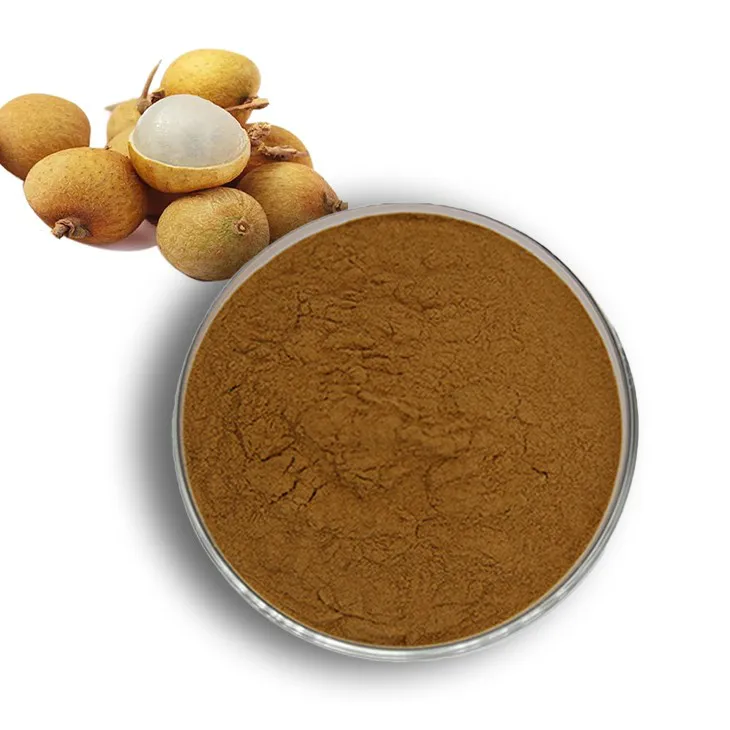
Longan Extract
2026-08-13
-
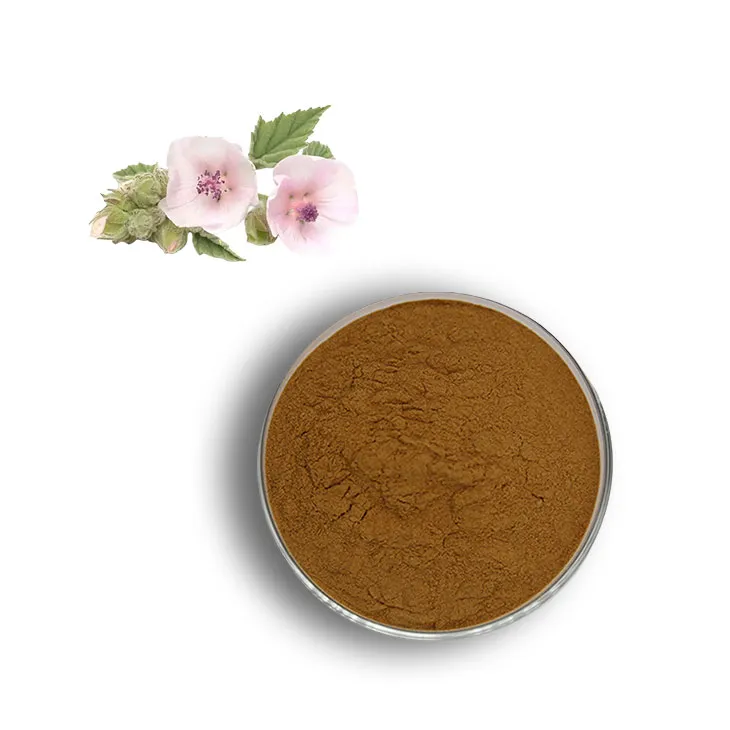
Medicinal Marshmallow Extract
2026-08-13
-
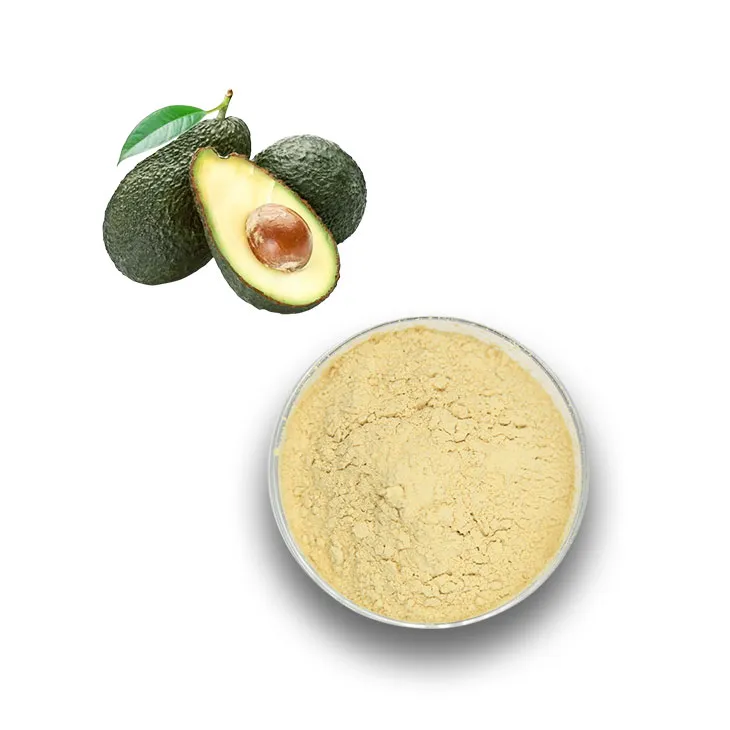
Avocado Extract Powder
2026-08-13
-
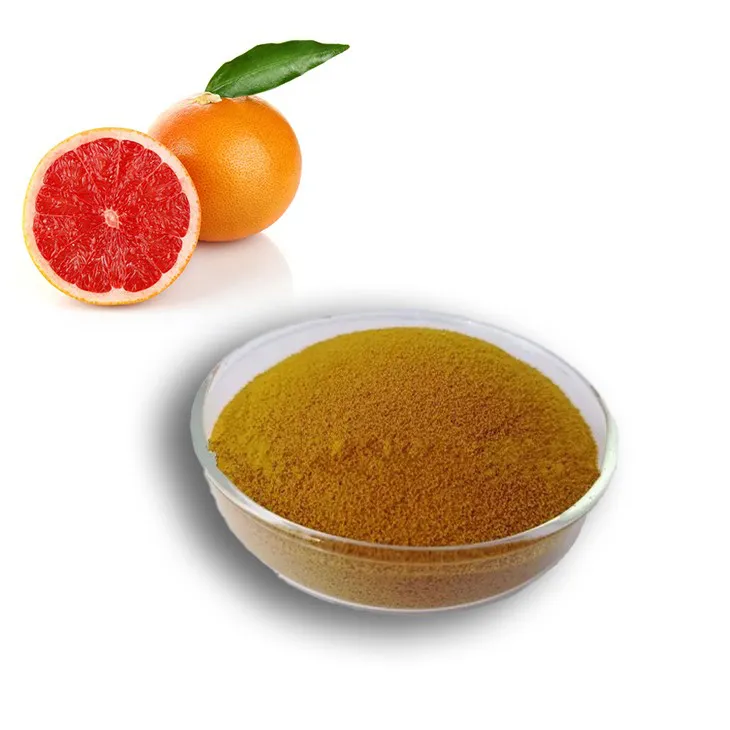
Grapefruit Seed Extract Powder
2026-08-13
