- 0086-571-85302990
- [email protected]






How is the highest quality moringa powder processed?
2026-08-17
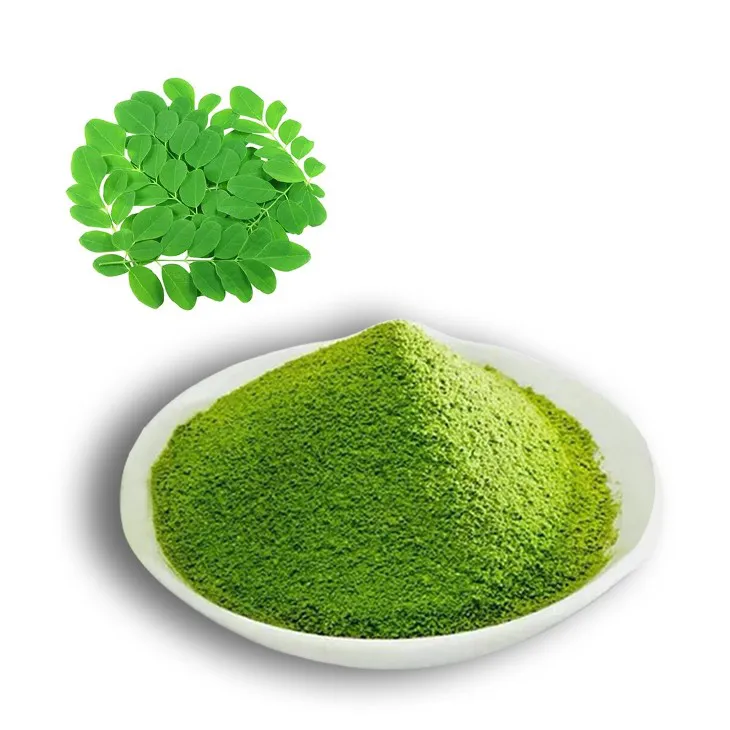
Moringa (Moringa oleifera), often called the "miracle tree," has earned its nickname for good reason. Its leaves are packed with vitamins, minerals, protein, and antioxidants, which is why Moringa powder has become one of the most requested botanical ingredients in the supplement and functional food industries. But not all Moringa powder is created equal. The difference between an ordinary product and the highest quality moringa powder comes down to how the leaves are handled from the moment they are picked to the moment they are sealed in a bag.
In this article, we walk through the full production journey of premium moringa leaf powder, step by step, and explain what buyers should look for when choosing a reliable moringa powder manufacturer.
Step 1: Sourcing and Harvesting the Right Leaves
Quality begins in the field, long before any machinery is involved. The best Moringa powder is made from young, tender leaves harvested at the peak of their nutritional density. Leaves that are too old become fibrous and lose a significant share of their vitamins and minerals. Reputable producers harvest at the right growth stage, typically within weeks of the plant's regrowth, and process the leaves quickly after picking because nutrient loss starts the moment the leaf is separated from the branch.
Traceability matters here too. A professional supplier can tell you exactly where the leaves were grown, when they were harvested, and which farm supplied them. This level of control is one of the first signs that a producer takes quality seriously.
Step 2: Cleaning and Washing
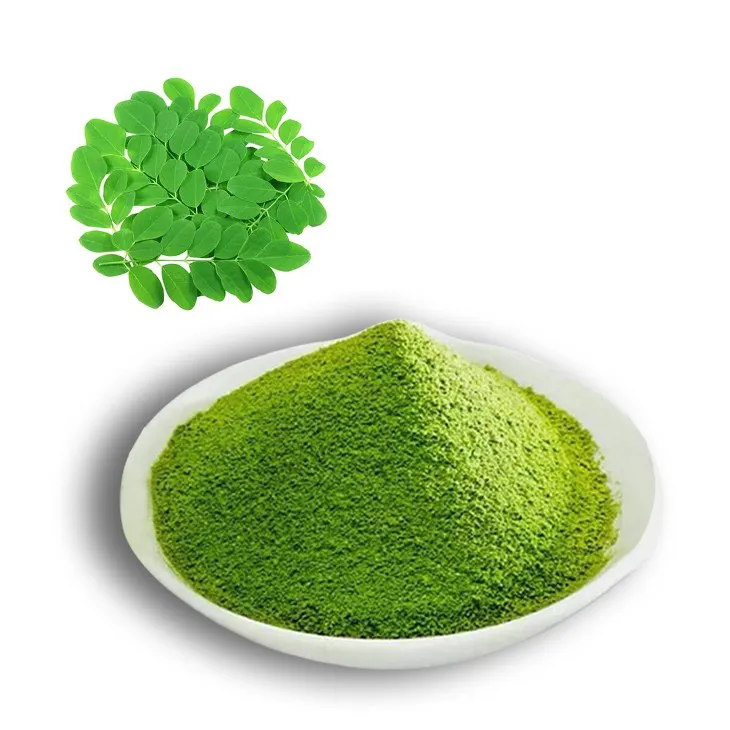
Freshly harvested leaves carry dust, soil, and sometimes small insects. The first processing step is a thorough wash under clean, running water to remove these contaminants. In a well-run facility, this is done with food-grade washing equipment rather than by hand, ensuring every batch is cleaned consistently. Cleanliness is non-negotiable here: any residue left on the leaves will end up in the final powder and can compromise both safety and taste.
Step 3: Low-Temperature Drying, the Critical Stage
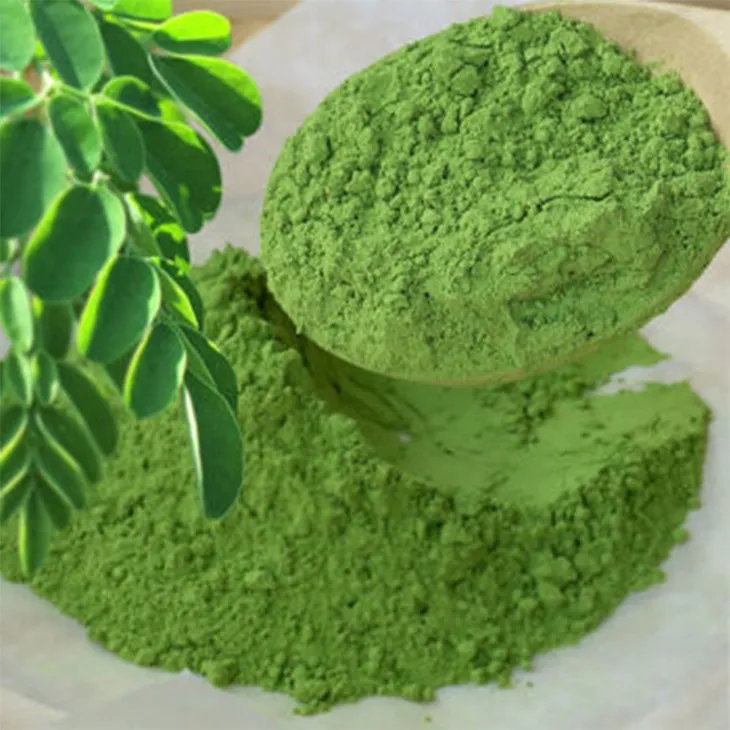
Drying is where most of the quality is won or lost. The nutrients in moringa leaves are highly sensitive to heat. Drying in direct sunlight or at high temperatures can destroy vitamins, enzymes, and the vibrant green color that signals a fresh, well-preserved product.
Premium producers use controlled low-temperature drying. Cleaned leaves are spread evenly on trays and placed in temperature-regulated drying chambers that circulate warm air at around 40 to 45 degrees Celsius. This gentle process removes most of the moisture while protecting the leaf's nutritional content and natural color. The result is a brittle, dry leaf that is ready for the next stage without having been cooked or degraded.
Step 4: Grinding and Sieving
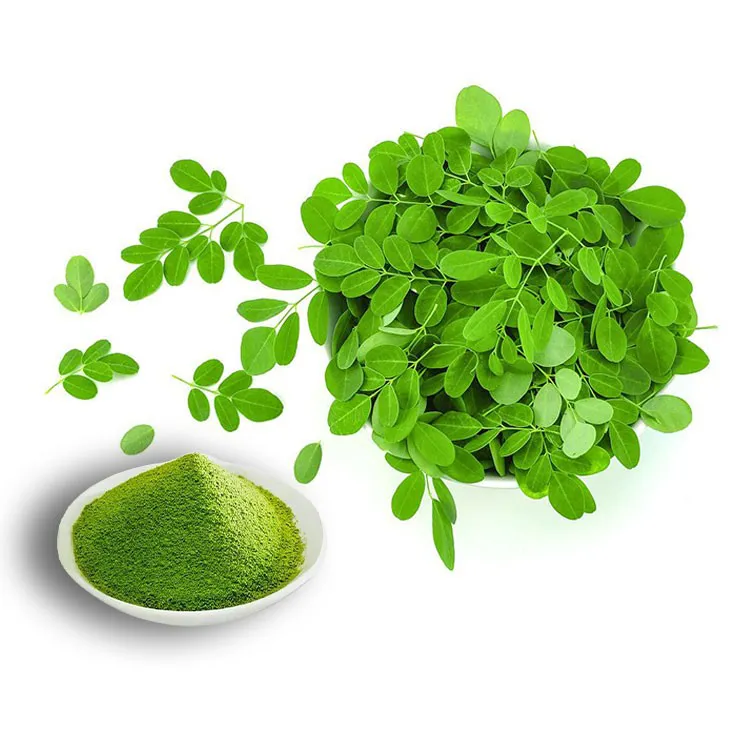
Once dried, the leaves are ground into a fine powder using stainless steel milling equipment. But grinding alone is not enough. The powder then passes through a series of vibrating screens or sieves that remove stem fragments and coarse particles. This step produces the smooth, uniform texture that customers expect and, just as importantly, concentrates the nutritional value by removing the less potent fibrous parts of the plant.
Particle size and consistency are checked carefully at this stage, because a uniform powder blends more predictably into capsules, tablets, beverages, and food formulations.
Step 5: Laboratory Testing and Quality Control
The highest quality moringa powder is never released without rigorous testing. Samples from every batch are analyzed in the laboratory for microbial contamination, heavy metals, pesticide residues, and nutrient content. A serious producer operates its own in-house laboratory equipped with instruments such as HPLC, GC, and UV spectrophotometers, and also works with third-party labs for independent verification.
Certifications are the visible proof of this commitment. Look for manufacturers that hold internationally recognized standards such as ISO22000, BRCGS, organic certification, GMP, HALAL, and Kosher. These credentials tell you that the facility meets food-safety requirements and that the product can be exported and registered in regulated markets around the world.
Step 6: Packaging and Storage
Freshly milled moringa powder is extremely sensitive to moisture, air, and light, all of which can degrade its quality over time. That is why premium powder is packed immediately in a controlled environment, using sealed, light-proof bags with food-grade linings. Proper packaging locks in freshness and potency from the moment the batch leaves the production line.
Storage conditions matter just as much after packaging. Powder should be kept in a cool, dry place away from direct sunlight, and warehouses should maintain stable temperature and humidity to preserve the product until it reaches the customer.
What to Look for in a Moringa Powder Supplier
When you evaluate a potential moringa powder supplier, ask about the full production chain rather than just the price. A trustworthy partner should be able to explain its sourcing, share its testing reports, and show evidence of its certifications. Vertical integration is a strong signal: a manufacturer that controls research, development, and production within one group can guarantee consistency from batch to batch, which is exactly what brands and formulators need.
Facilities that operate clean production areas meeting food-grade requirements, maintain independent laboratories, and hold export registration documentation are far better positioned to deliver a safe, stable, and compliant product than those that outsource every stage.
Conclusion
The journey from fresh moringa leaf to premium powder is a delicate one. Harvest timing, gentle washing, low-temperature drying, fine grinding, laboratory testing, and protective packaging all play a role in determining the final quality. By understanding each step, buyers can make informed decisions and avoid products that have been rushed, overheated, or poorly controlled.
If you are looking for a dependable partner for your next formulation, Greensky, a manufacturer with over 20 years of experience in plant extracts, produces moringa powder under strict quality control and international food-safety standards. Contact the Greensky team to request specifications, test reports, and samples.
- ▶ Hesperidin
- ▶ Citrus Bioflavonoids
- ▶ Plant Extract
- ▶ lycopene
- ▶ Diosmin
- ▶ Grape seed extract
- ▶ Sea buckthorn Juice Powder
- ▶ Fruit Juice Powder
- ▶ Hops Extract
- ▶ Artichoke Extract
- ▶ Mushroom extract
- ▶ Astaxanthin
- ▶ Green Tea Extract
- ▶ Curcumin
- ▶ Horse Chestnut Extract
- ▶ Other Product
- ▶ Boswellia Serrata Extract
- ▶ Resveratrol
- ▶ Marigold Extract
- ▶ Grape Leaf Extract
- ▶ New Product
- ▶ Aminolevulinic acid
- ▶ Cranberry Extract
- ▶ Red Yeast Rice
- ▶ Red Wine Extract
- ▶ blog
-
Cranberry Extract
2026-08-17
-
Black Seed Extract
2026-08-17
-
Grapefruit Seed Extract Powder
2026-08-17
-
Centella Asiatica Extract
2026-08-17
-
Black Garlic Extract
2026-08-17
-
Garcinia Cambogia Extract
2026-08-17
-
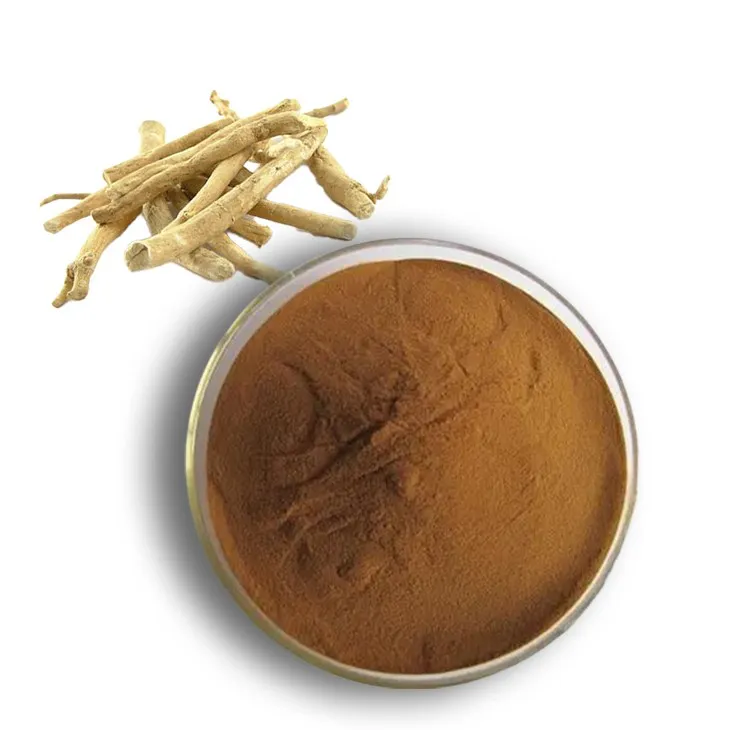
Withania Somnifera Extract
2026-08-17
-
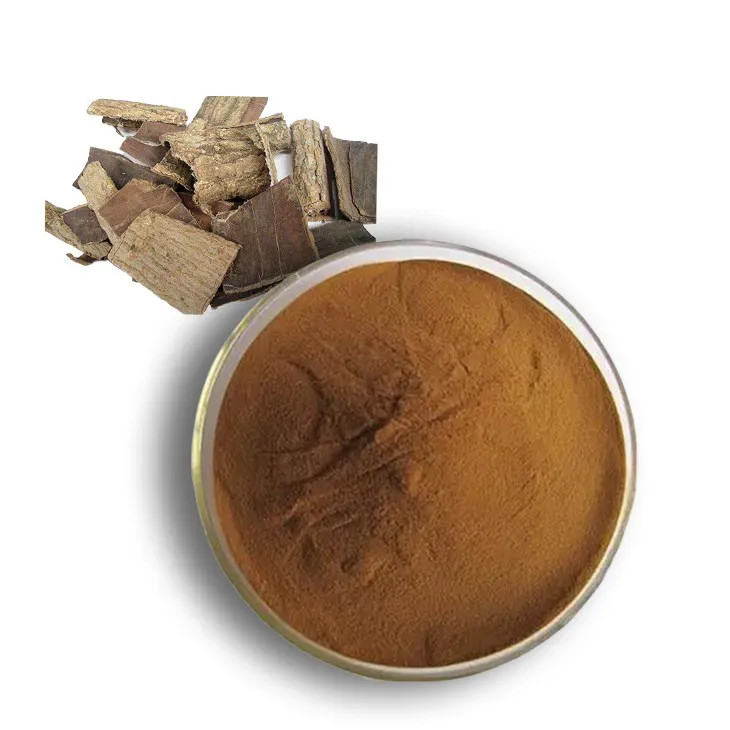
Eucommia Ulmoides Extract
2026-08-17
-
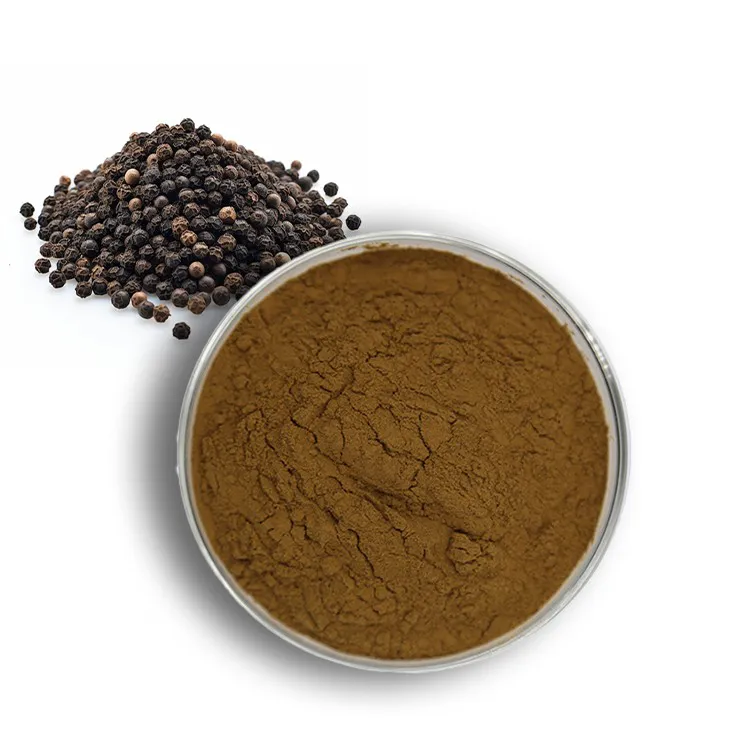
Black Pepper Extract
2026-08-17
-
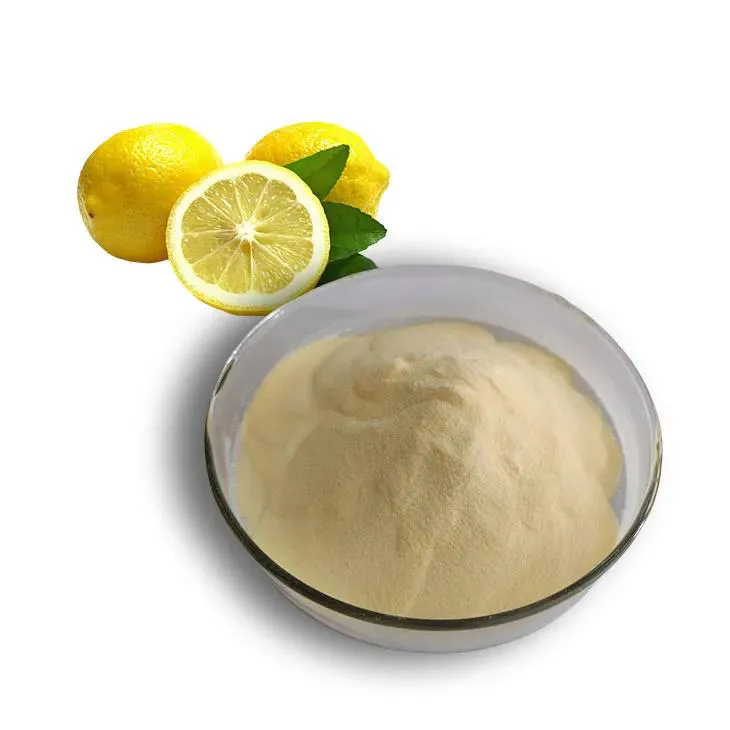
Lemon Juice Powder
2026-08-17
