- 0086-571-85302990
- [email protected]






How is stevia produced at commercial scale?
2026-08-13
Stevia Extract has become one of the most widely used natural sweeteners in the food and beverage industry because it delivers a clean, sweet taste with almost no calories. But the stevia powder that reaches a finished product does not appear by magic. It is the result of a carefully managed industrial process that starts with the leaves of the Stevia rebaudiana plant and ends with a concentrated, purified steviol glycoside powder. Understanding how stevia is produced at commercial scale matters for anyone who buys the ingredient, because the production method directly affects purity, taste profile, and cost. This guide walks through the four primary production technologies and explains the practical steps that stevia extract manufacturers use to turn leaves into a shelf-stable, high-purity ingredient.
The Raw Material: Growing and Preparing Stevia Leaves
Commercial production begins long before extraction. Stevia rebaudiana is a perennial herb that grows best with full sunlight, consistent moisture, and well-drained soil. Farmers harvest the leaves at the point when the plant accumulates the highest concentration of steviol glycosides, the compounds responsible for the sweet taste. After harvesting, the leaves are dried to reduce moisture and then crushed into a coarse powder or flake. This preparation step is important because it increases the surface area of the leaves, making the sweet compounds easier to release during extraction. The dried, crushed leaf is the starting material for the first and most common commercial route.
The Four Production Technologies at Commercial Scale
Today there are four approved production technologies for producing steviol glycosides: extraction from the stevia plant, bioconversion of Stevia Extract, glucosylation of Stevia Extract, and fermentation. Each method has its own role, and the choice depends on the target glycoside profile and the desired cost and purity.
Production by Water Extraction
Water extraction is the most widely used method for producing steviol glycosides at scale. The crushed leaves are steeped in hot water, which dissolves the sweet compounds out of the plant material. The resulting liquid is then filtered and separated from the spent leaves. At this stage the extract is still a dilute mixture, so it must be refined. The liquid is passed through a series of purification steps, including decolorization and demineralization with food-grade resins, which remove color, odor, and unwanted plant components. The purified solution is then concentrated under low temperature to protect the heat-sensitive glycosides, and finally dried and crystallized into a white powder. Some producers use food-grade alcohol during purification, and when they do, the solvent is removed before the product is finished. The final dried powder is typically labeled as stevia leaf extract and can reach glycoside purity levels into the high 90s.
Production by Bioconversion
Bioconversion starts with steviol glycosides already extracted from the stevia leaf and converts them into different target glycosides, such as Rebaudioside M (Reb M) or Rebaudioside D (Reb D), using enzymes. These enzymes may be derived from micro-organisms, and the process mimics the maturation that naturally occurs inside the stevia plant. Bioconversion is a useful way to obtain specific glycosides that exist in only small amounts in the leaf, allowing producers to scale up ingredients that would otherwise be too expensive to isolate directly.
Production by Glucosylation
Glucosylation also begins with steviol glycosides extracted from the stevia leaf. Glucose units are added to the glycoside molecules using enzymes, producing a combination of steviol glycosides. Depending on the enzymes used, some of the resulting glycosides may or may not occur naturally in the leaf. This method is often used to improve the taste or solubility of the final sweetener, giving formulators more flexibility in how they use the ingredient.
Production by Fermentation
Fermentation represents a different approach entirely. Instead of starting from the leaf, this method uses a micro-organism that converts sugars into steviol glycosides such as Reb M and Reb D. The process mimics the biosynthetic pathway that occurs naturally within the stevia plant. Fermentation is attractive for producing rare glycosides at scale without depending on large volumes of plant material. In every production method, any enzymes or micro-organisms used are removed from the final product, leaving only purified steviol glycosides.
Quality Control and the Commercial Standard
At commercial scale, purity and consistency are everything. Buyers expect a pure stevia extract that delivers the same sweetness profile batch after batch. Reputable manufacturers test each batch with laboratory instruments such as HPLC, GC, and UV to confirm the total steviol glycoside content, the profile of individual glycosides, and the limits for heavy metals, microbes, and residual solvents. They also operate under formal food-safety systems and hold certifications such as ISO 22000, ISO 9001, GMP, HALAL, and Kosher, and many maintain organic certification as well. A clean, food-grade production environment, multi-ton extraction tanks, low-temperature concentrators, spray dryers, and vacuum drying boxes are the kind of equipment that separates a real factory from a simple blender that repackages powder from unknown sources.
Choosing a Manufacturer for Bulk Supply
For brands and food manufacturers, the production method matters less than the reliability of the supplier behind it. A manufacturer that controls its own sourcing, research, production, and sales under one group can trace the ingredient from the raw leaf to the final powder and keep quality consistent across every shipment. Companies with years of export experience to demanding markets such as Europe, the United States, South Korea, and Russia tend to maintain proper documentation and respond quickly to technical questions. When you are ready to source bulk stevia extract, ask for a Certificate of Analysis for the sample and for every bulk shipment, and confirm the supplier can stand behind the purity it advertises.
Conclusion
Stevia is produced at commercial scale through four main routes, with water extraction leading the industry and bioconversion, glucosylation, and fermentation providing ways to obtain specific or rare glycosides. Whichever method is used, the goal is the same: a consistent, high-purity steviol glycoside powder that meets food-safety standards. Understanding these steps helps buyers ask the right questions and choose a supplier that can deliver the quality their finished products depend on.
Frequently Asked Questions
Q1: What is the most common way to produce stevia at commercial scale?
Water extraction is the most widely used method. Crushed stevia leaves are steeped in hot water, the liquid is filtered and purified, and the sweet compounds are concentrated and dried into a high-purity powder.
Q2: What is the difference between bioconversion and fermentation?
Bioconversion starts with steviol glycosides extracted from the leaf and uses enzymes to convert them into target glycosides such as Reb M and Reb D. Fermentation starts with a micro-organism that produces steviol glycosides from sugars, mimicking the plant's natural pathway.
Q3: Why do some producers use fermentation instead of extraction?
Fermentation is often used to produce rare glycosides that exist in very small amounts in the leaf, without relying on large volumes of plant material, which makes these ingredients more economical to scale up.
Q4: How pure is commercial stevia extract?
High-purity stevia leaf extract can reach total steviol glycoside levels into the high 90s. Reputable manufacturers confirm this with instruments such as HPLC and provide a Certificate of Analysis for every batch.
Q5: What should I check before buying stevia extract in bulk?
Verify the supplier's food-safety certifications, review batch-specific certificates of analysis, ask whether it controls its own production, and confirm its export experience. A dependable manufacturer will gladly share this documentation.
TAGS:
- ▶ Hesperidin
- ▶ Citrus Bioflavonoids
- ▶ Plant Extract
- ▶ lycopene
- ▶ Diosmin
- ▶ Grape seed extract
- ▶ Sea buckthorn Juice Powder
- ▶ Fruit Juice Powder
- ▶ Hops Extract
- ▶ Artichoke Extract
- ▶ Mushroom extract
- ▶ Astaxanthin
- ▶ Green Tea Extract
- ▶ Curcumin
- ▶ Horse Chestnut Extract
- ▶ Other Product
- ▶ Boswellia Serrata Extract
- ▶ Resveratrol
- ▶ Marigold Extract
- ▶ Grape Leaf Extract
- ▶ New Product
- ▶ Aminolevulinic acid
- ▶ Cranberry Extract
- ▶ Red Yeast Rice
- ▶ Red Wine Extract
- ▶ blog
-
Avocado Extract Powder
2026-08-13
-
Sugarcane Extract
2026-08-13
-
Hericium erinaceus extract powder
2026-08-13
-
Shikonin
2026-08-13
-
Agaricus Blazei Extract
2026-08-13
-
Cat Claw Extract
2026-08-13
-
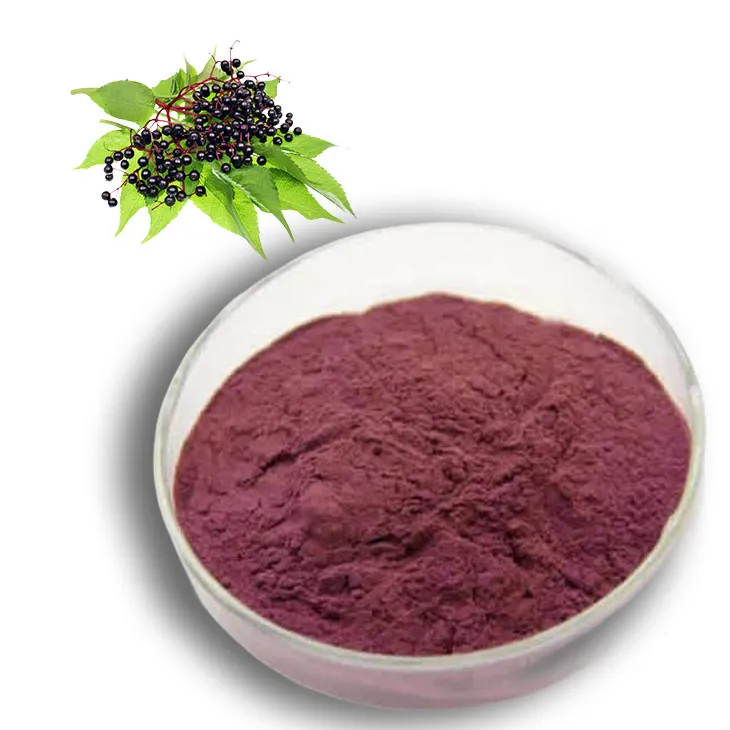
Elderberry Extract
2026-08-13
-
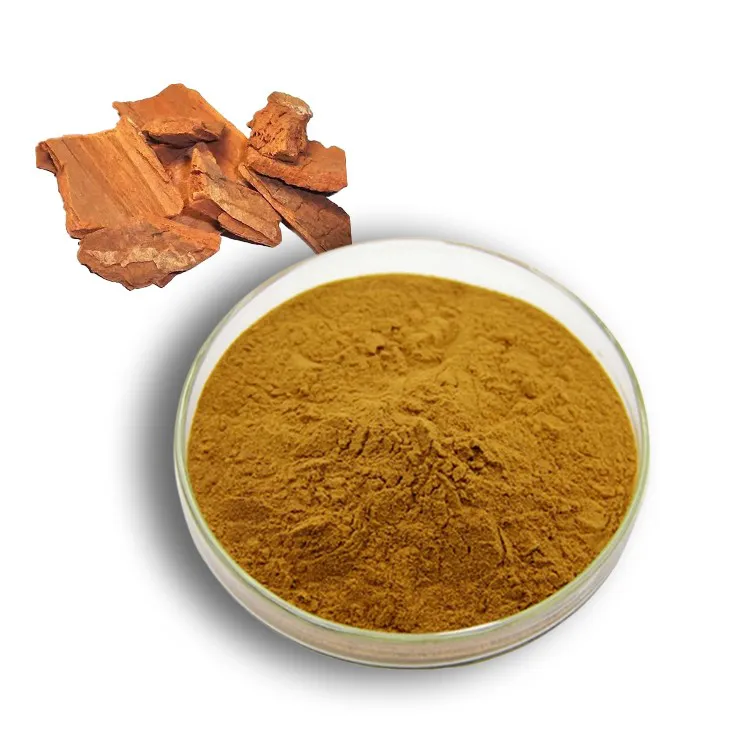
Yohimbine Bark Extract
2026-08-13
-
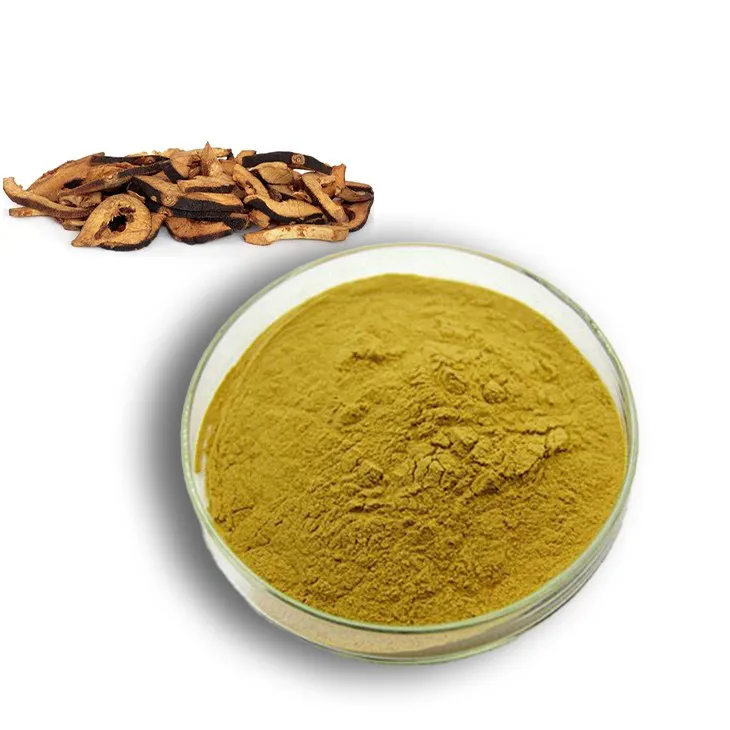
Citrus Aurantium Extract
2026-08-13
-
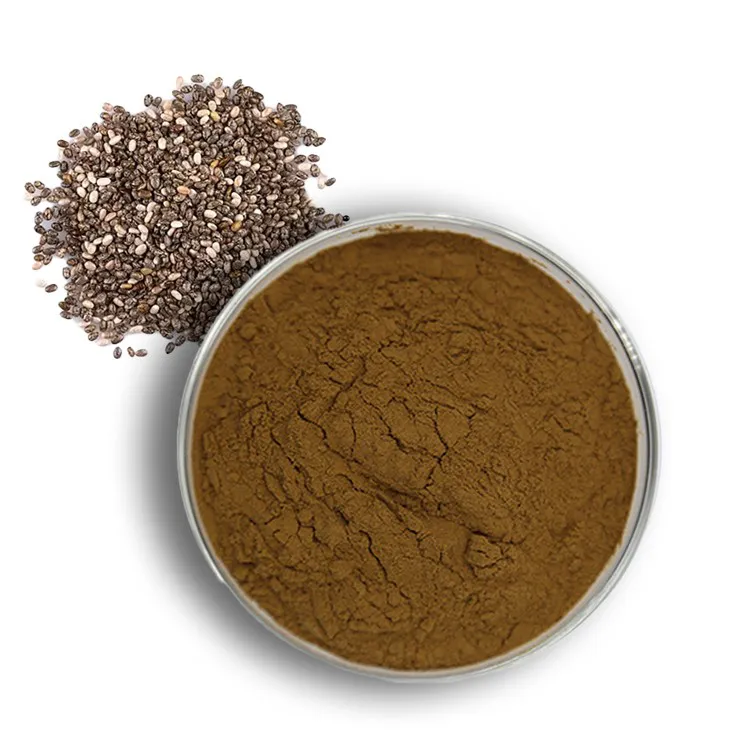
Chia Seed Powder
2026-08-13
