- 0086-571-85302990
- [email protected]




How is jujube fruit extract made?
2026-08-19
Jujube fruit, the sweet red date that has been part of Asian diets for thousands of years, is now a familiar name in the supplement and functional food industries. But behind every jar of jujube powder or capsule of Jujube Extract there is a carefully controlled production line that turns whole fruit into a standardized, concentrated ingredient. This article walks through how jujube fruit extract is actually made, step by step, and what separates a reliable batch from an inconsistent one.
Step 1: Sourcing the right raw fruit
Everything starts with the raw material. Jujube trees (Ziziphus jujuba) are grown widely across China, Korea and the Mediterranean, and the fruit is usually harvested in early autumn once it reaches full ripeness. Maturity matters: ripe fruit carries a fuller profile of polysaccharides, flavonoids and vitamin C, while fruit picked too early is thin on active compounds. Reputable producers also look at variety and growing region, because both influence the chemical makeup of the final extract. Most commercial Jujube Extract is made from the dried ripe fruit, which concentrates the active components and makes the fruit easier to store and process.
Step 2: Cleaning and preparation
Once the dried fruit arrives at the factory, it goes through sorting and cleaning. Damaged, moldy or underdeveloped fruit is removed, and the rest is washed to get rid of dust, soil and surface impurities. The cleaned fruit is then milled into a coarse powder or paste. Grinding increases the surface area that comes into contact with the extraction solvent, which directly improves how much of the active material can be pulled out in the next stage.
Step 3: Extraction — the heart of the process
Extraction is where the valuable compounds are separated from the plant fiber. The ground jujube is loaded into extraction tanks together with a solvent, most commonly water, ethanol or a water-ethanol mixture. Water is a traditional and gentle choice that works well for polysaccharides, while ethanol-water blends dissolve a wider range of compounds such as flavonoids and phenolic acids. The mixture is heated and stirred for a set period so the solvent can draw the active ingredients out of the plant cells.
At industrial scale this happens in large multi-functional extraction tanks. A well-equipped plant, such as the facility operated by plant extract manufacturers like Greensky, uses six-ton extraction tanks that can process a full batch in one run. Some producers add ultrasonic or enzyme-assisted steps to break down cell walls more efficiently, which can lift yield without raising the temperature enough to damage heat-sensitive compounds.
Step 4: Filtration and purification
The liquid that comes out of the extraction tank is a mixture of dissolved compounds, fine plant particles and cell debris. Filtration removes the insoluble solids, and further purification steps such as separation columns and rotating disc contactors help refine the liquid and remove unwanted fractions. The goal is a clear, clean extract that contains the target active ingredients without carryover of fiber or impurities.
Step 5: Concentration
A freshly filtered extract is mostly solvent and far too dilute to use. Concentration removes the bulk of the water or ethanol, usually under vacuum and at low temperature. Low-temperature concentration is important because prolonged heat can degrade polysaccharides and vitamin C. This step turns a thin liquid into a thick concentrate that is ready for drying.
Step 6: Drying into powder
Most commercial Jujube Extract is sold as a free-flowing powder, and that powder is produced by drying the concentrate. Spray drying is the most common method at scale: the concentrate is atomized into fine droplets inside a hot-air tower, and the moisture evaporates almost instantly, leaving a fine powder. For extracts that are sensitive to oxygen or heat, vacuum drying boxes offer a gentler alternative. The choice of drying method affects the powder's color, solubility and how well the active compounds survive, which is why experienced producers match the method to the product.
Step 7: Standardization and quality control
Raw extract from different harvests will never be chemically identical, so the final step before packaging is standardization. The powder is blended and tested so that each batch meets a defined specification, such as a minimum content of polysaccharides or a target marker compound. This is where a proper laboratory earns its keep. An independent lab equipped with HPLC, GC and UV instruments can verify the active compound content, check for residual solvents and screen for contaminants before anything is released.
Quality control also extends to the production environment. Factories that follow food-grade standards, such as a 100,000-class clean production area, and hold certifications like ISO22000, BRCGS, HALAL and Kosher, give buyers a much clearer picture of how consistently the product is made. For companies sourcing Red Date Extract or jujube powder for their own formulations, these certificates and test reports are the practical evidence that the process is under control.
Step 8: Packaging and storage
The finished powder is packed in sealed, moisture-proof containers and stored in a cool, dry place away from direct light. Proper packaging protects the extract from moisture and oxidation, which would otherwise shorten its shelf life and weaken the active compounds. Well-sealed powder typically keeps for two to three years under the right conditions.
Why the manufacturing process matters to buyers
For a brand owner or formulator, the process behind jujube fruit extract is not just a technical detail — it determines batch-to-batch consistency, label accuracy and regulatory compliance. A supplier that controls raw material sourcing, uses proper extraction and drying equipment, and tests every batch is far more likely to deliver a product that performs the same way every time. That is the practical difference between buying from a factory with a real production line and buying from a trader who simply repackages whatever they can source.
If you are evaluating suppliers, ask about their extraction equipment, their lab testing capabilities and the certifications behind their production. A manufacturer that can show you the full chain — from the fruit in the field to the sealed drum of powder — makes the decision much easier.
Frequently asked questions
Is jujube fruit extract the same as Red Date Extract?
Yes. Jujube and red date both refer to the fruit of Ziziphus jujuba, so jujube fruit extract and Red Date Extract describe the same type of ingredient. The names are used interchangeably across the industry.
Which extraction method gives the best Jujube Extract?
There is no single best method — it depends on the target compounds. Water extraction suits polysaccharide-rich products, while ethanol-water extraction captures a broader range of flavonoids and phenolic acids. The right choice balances yield, purity and cost for the specific specification you need.
How long does it take to produce a batch of jujube extract?
A full production run, from cleaning the fruit to packaging the finished powder, typically takes several days. Most of that time is spent in extraction and drying, which cannot be rushed without compromising quality.
How can I check the quality of a jujube extract batch?
Ask the supplier for the certificate of analysis for the batch. It should list the active marker content, residual solvent results, heavy metal and microbiological testing, and the specification the batch was standardized against.
What forms of jujube extract are available?
Jujube extract is most commonly supplied as a powder, but it is also available as a liquid concentrate. Powder is the preferred form for most supplement and food applications because it is stable, easy to dose and simple to blend into formulations.
- ▶ Hesperidin
- ▶ Citrus Bioflavonoids
- ▶ Plant Extract
- ▶ lycopene
- ▶ Diosmin
- ▶ Grape seed extract
- ▶ Sea buckthorn Juice Powder
- ▶ Fruit Juice Powder
- ▶ Hops Extract
- ▶ Artichoke Extract
- ▶ Mushroom extract
- ▶ Astaxanthin
- ▶ Green Tea Extract
- ▶ Curcumin
- ▶ Horse Chestnut Extract
- ▶ Other Product
- ▶ Boswellia Serrata Extract
- ▶ Resveratrol
- ▶ Marigold Extract
- ▶ Grape Leaf Extract
- ▶ New Product
- ▶ Aminolevulinic acid
- ▶ Cranberry Extract
- ▶ Red Yeast Rice
- ▶ Red Wine Extract
- ▶ blog
-
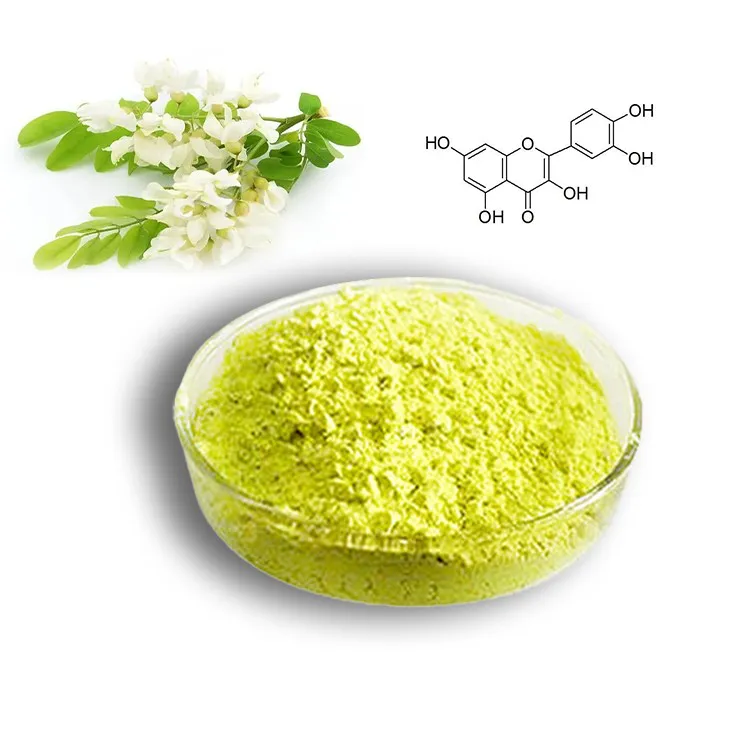
Quercetin
2026-08-19
-
Saffron Extract Powder
2026-08-19
-
Maitake Mushroom Extract
2026-08-19
-
Baobab Fruit Extract
2026-08-19
-
Fig Extract
2026-08-19
-
Cassia Seed Extract
2026-08-19
-
Citrus bioflavonoids
2026-08-19
-
Carrageenan Extract Powder
2026-08-19
-
Shikone Extract
2026-08-19
-
Nattokinase
2026-08-19