- 0086-571-85302990
- [email protected]






How is curcumin phytosome made?
2026-08-14
Why Turmeric's Star Compound Needs a Helping Hand
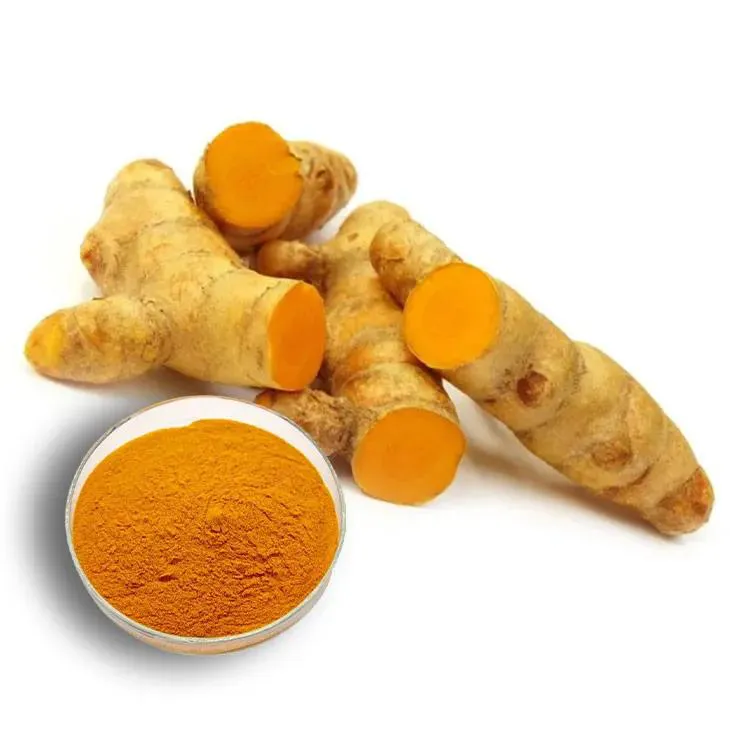
Curcumin, the vivid yellow polyphenol that gives turmeric its color, is among the most studied botanical actives in the supplement world, valued for its antioxidant and anti-inflammatory properties. Yet it carries a well-known weakness. Curcumin is lipophilic and only sparingly soluble in water, and once you swallow it, the body metabolizes it quickly. A large share of a standard oral dose can pass through the gut before it is properly absorbed, which is why raw turmeric powder on its own rarely delivers the effect people expect.
A curcumin phytosome was developed precisely to solve this problem. By binding Curcumin to phospholipids, this delivery technology turns a poorly absorbed polyphenol into a form the body can actually use. In this article we look at how a curcumin phytosome is made, from the raw materials to the chemistry to the production line.
What Is a Phytosome?
A phytosome is a phospholipid-based delivery system for plant actives. The name combines "phyto," meaning plant, with "-some," which points to the structure that surrounds the active compound. The essential idea is simple: attach a plant polyphenol to a phospholipid molecule so that the resulting complex can travel through the water-based environment of the intestine and then slip across the lipid-rich cell membrane with far less difficulty than the free compound.
It helps to contrast a phytosome with the better-known liposome. In a liposome, the active ingredient sits inside a watery internal pocket and is only loosely held. In a phytosome, the active is chemically bound to the phospholipid and becomes part of the membrane itself. This structural difference is why phytosomes are generally regarded as a more effective option for oral delivery of polyphenols such as curcumin.
The Two Essential Raw Materials
A high-quality curcumin phytosome starts with just two ingredients, and the purity of both dictates the quality of the finished powder.
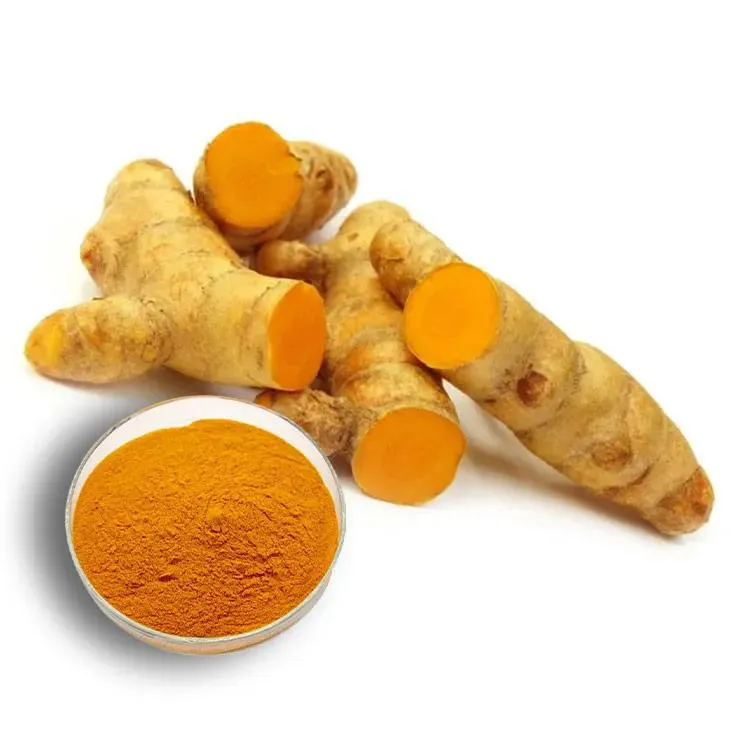
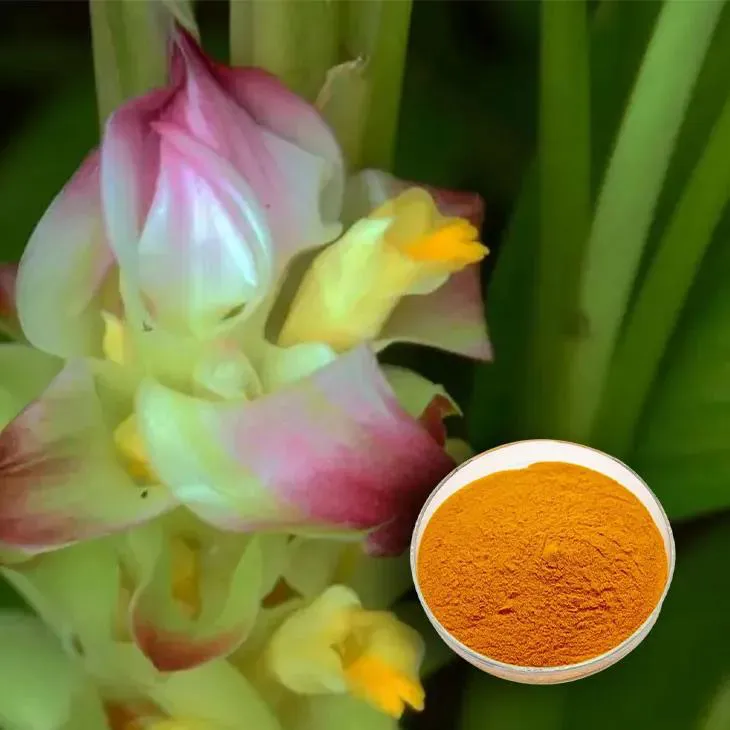
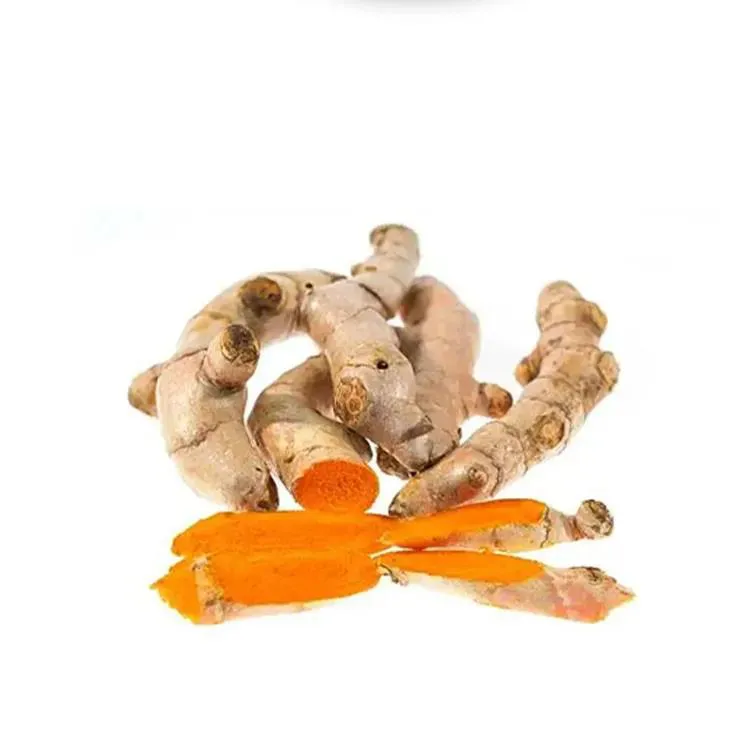
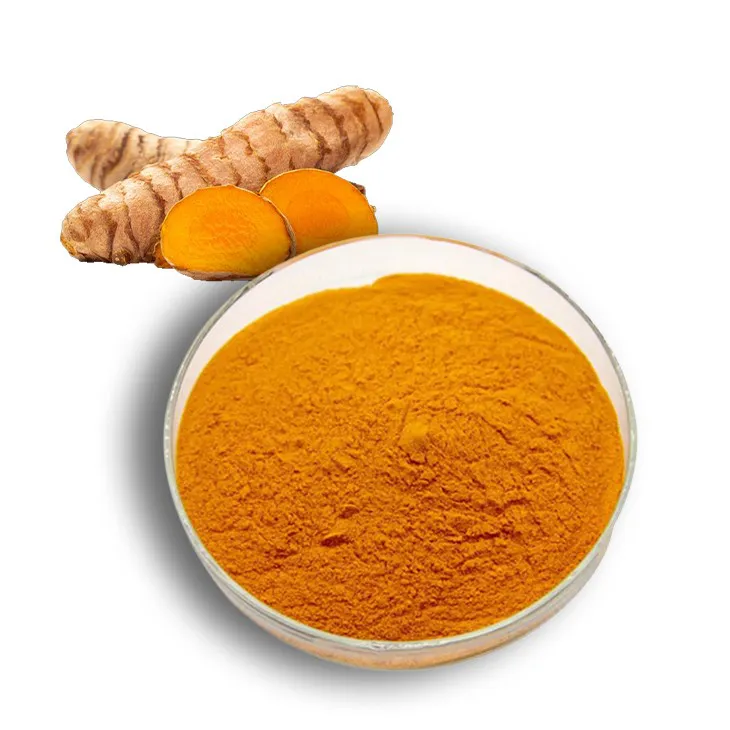
- Curcumin Extract. The active compound is purified from the rhizome of Curcuma longa, the turmeric plant, and is typically standardized to about 95% curcuminoids for a consistent, concentrated dose.
- Phosphatidylcholine. This is the phospholipid used in virtually every phytosome product. It is most often derived from soy lecithin and is chosen because of its dual nature: the choline head is hydrophilic (water-loving) while the fatty-acid tail is lipophilic (lipid-loving). That amphiphilic character is exactly what allows the complex to shuttle curcumin across biological membranes.
The Chemistry: Hydrogen Bonds, Not a Simple Mix
A genuine curcumin phytosome is not a mechanical blend of curcumin powder and lecithin. Instead, the polar functional groups on the curcumin molecule form hydrogen bonds with the carbonyl or phosphate groups of the phospholipid. This molecular interaction embeds the curcumin into the phospholipid structure, making it an integral part of the complex rather than a loose additive. The outcome is a more stable and more absorbable product than either ingredient alone.
Step by Step: How a Curcumin Phytosome Is Made
Every manufacturer refines the process a little differently, but the core production route follows a well-established sequence.
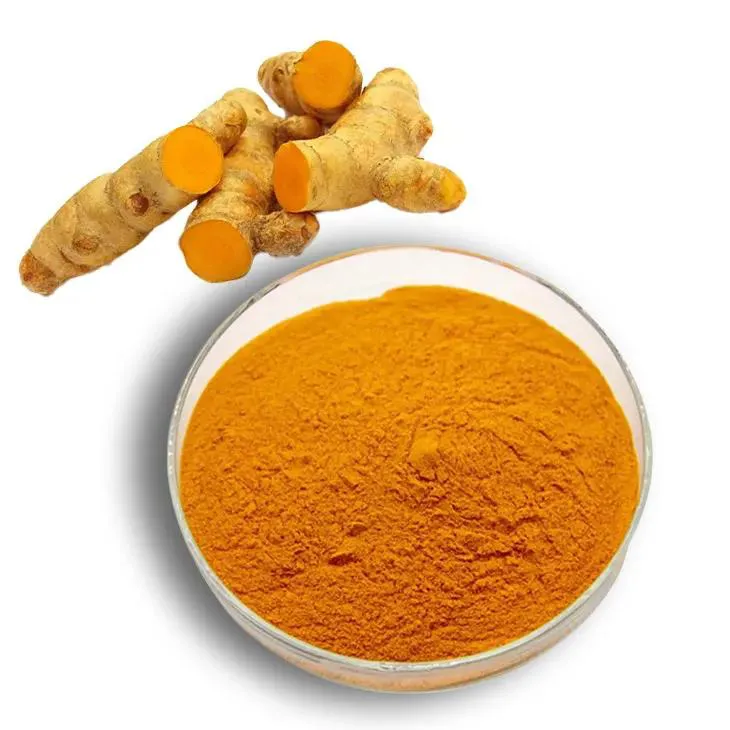
- Weighing and dissolving. Precise amounts of Curcumin Extract and soy phosphatidylcholine are weighed and dissolved together in a suitable solvent, most often food-grade ethanol. The ratio is typically close to 1:1 or 1:2 active to phospholipid.
- Reaction and complex formation. The solution is stirred, often with gentle heating, for one to several hours. During this window the curcumin and phospholipid molecules link through hydrogen bonds to form the complex.
- Solvent removal and precipitation. The solvent is evaporated, and a carefully measured non-solvent is added so the newly formed complex precipitates as a solid. This step is where the product takes its final physical form.
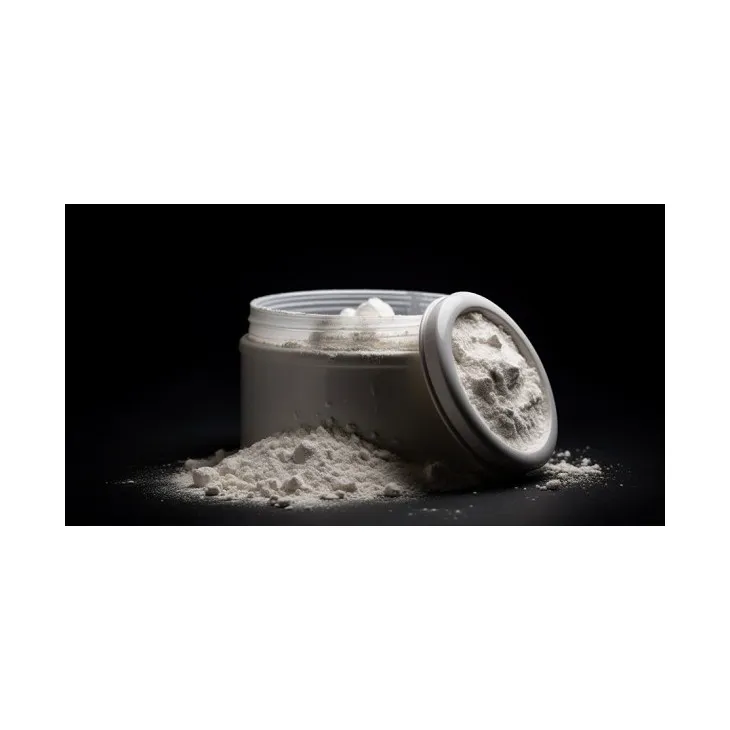
- Drying. The recovered complex is dried into a stable, free-flowing powder ready for formulation into capsules, tablets, or other finished products.
- Characterization and quality control. A responsible manufacturer does not ship a batch before confirming it. Techniques such as HPLC verify curcumin content and purity, while X-ray diffraction and differential scanning calorimetry can confirm that the curcumin and lecithin really formed an amorphous complex. For nano-scale versions, particle size and zeta potential are measured as well.
Modern Advances: Nanotechnology and Microfluidics
The classic solvent-evaporation route is reliable but slow, often taking a few hours per batch, and it can struggle with batch-to-batch consistency. Increasingly, manufacturers are turning to microfluidics, which mix the organic and aqueous phases in micro-scale channels. This approach gives far more precise control over particle size and uniformity, producing nano-scale curcumin-phospholipid complexes with more consistent quality and notably better bioavailability. Advances like these are why the phytosome category keeps expanding across the dietary supplement market.
How to Choose a Quality Curcumin Phytosome Supplier
For supplement brands and formulators, the manufacturing process is only half the story; the reliability of the supplier matters just as much. When vetting a source for liposomal curcumin or other advanced curcumin ingredients, look for a manufacturer that:
- produces both the Curcumin Extract and the finished complex under one roof for full traceability;
- runs its own in-house laboratory equipped with HPLC and GC to verify every batch;
- holds recognized certifications such as ISO 22000, BRCGS, HALAL, and Kosher;
- provides export registration and the documentation needed for global regulatory submissions.
Final Thoughts
A curcumin phytosome is an elegant answer to a real problem. It turns a difficult-to-absorb polyphenol into a form the body can genuinely use, and the production process, from dissolving curcumin and soy phospholipids together to forming hydrogen-bonded complexes and drying them with care, is equal parts chemistry and precision engineering. If you are a brand owner exploring this ingredient, understanding how it is made is the first step toward choosing a partner you can trust. We would be glad to discuss how our curcumin extract and related botanicals can support your formulation.
TAGS:
- ▶ Hesperidin
- ▶ Citrus Bioflavonoids
- ▶ Plant Extract
- ▶ lycopene
- ▶ Diosmin
- ▶ Grape seed extract
- ▶ Sea buckthorn Juice Powder
- ▶ Fruit Juice Powder
- ▶ Hops Extract
- ▶ Artichoke Extract
- ▶ Mushroom extract
- ▶ Astaxanthin
- ▶ Green Tea Extract
- ▶ Curcumin
- ▶ Horse Chestnut Extract
- ▶ Other Product
- ▶ Boswellia Serrata Extract
- ▶ Resveratrol
- ▶ Marigold Extract
- ▶ Grape Leaf Extract
- ▶ New Product
- ▶ Aminolevulinic acid
- ▶ Cranberry Extract
- ▶ Red Yeast Rice
- ▶ Red Wine Extract
- ▶ blog
-
Cactus Extract
2026-08-14
-
Yam Extract
2026-08-14
-
Maca Extract
2026-08-14
-
Shikonin
2026-08-14
-
Oat Straw Extract Powder
2026-08-14
-
Buckthorn bark extract
2026-08-14
-
Licorice Root Extract Powder
2026-08-14
-
Curcumin
2026-08-14
-
Hesperidin
2026-08-14
-
Genistein
2026-08-14
