- 0086-571-85302990
- [email protected]






How is curcumin organic verified?
2026-08-17
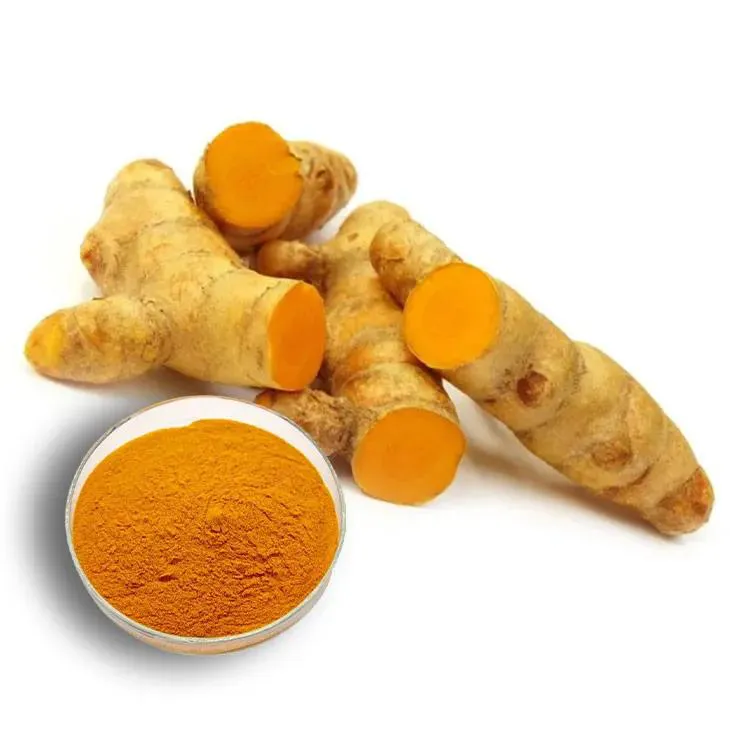
What "organic" really means for turmeric
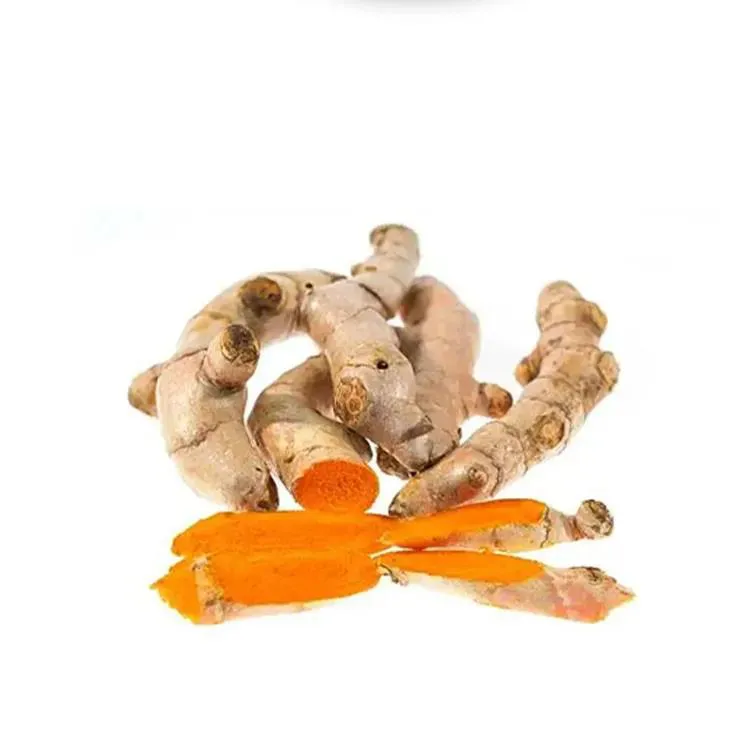
At its simplest, an organic label is a farming and processing guarantee rather than a claim about the botanical itself. Organic turmeric must be grown on land that has been free of prohibited synthetic pesticides, herbicides, and chemical fertilizers during a defined transition period, usually around three years. The crop is cultivated, harvested, and handled according to a certified organic plan, and every stage from soil to storage is documented so a third-party auditor can trace the product back to the field. This is why organic verification is sold as a bundle: it is only meaningful when it combines an inspection-based certification for the growing site with laboratory testing of the final ingredient.
Once the raw rhizome enters processing, making an organic curcumin extract adds another layer of discipline. The extraction process itself must avoid introducing contaminants, and the solvents, equipment, and handling used in the factory need to meet the same organic-integrity requirements. A genuinely organic curcumin product is therefore the result of an unbroken chain of control that begins in the soil and ends only when the finished powder is sealed.
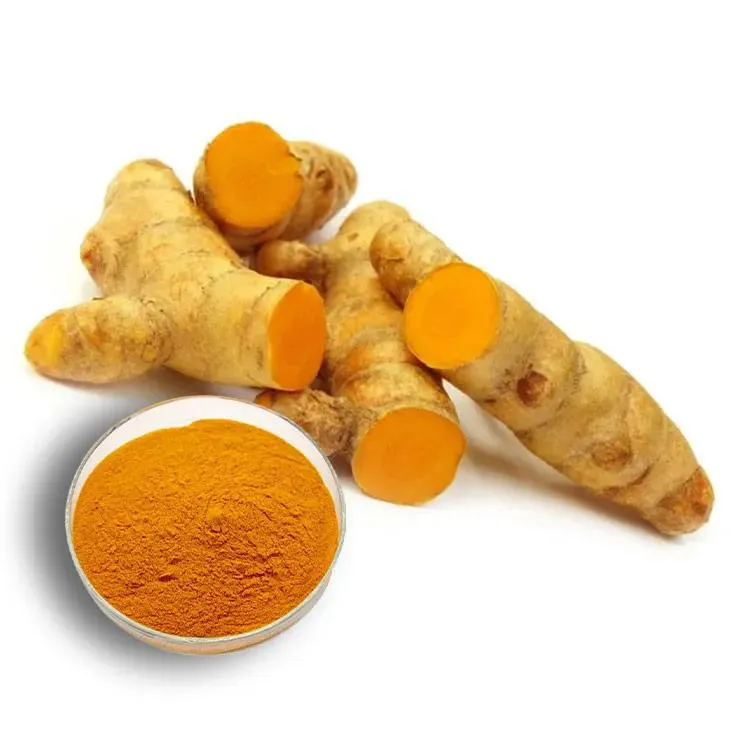
Why verification matters more than ever
Recent recalls of turmeric products connected to lead contamination have made organic verification a safety question rather than just a marketing preference. Turmeric has been one of the herbs most frequently identified in incidents of adulteration and heavy-metal contamination, largely because its bright color makes it an easy target for adulteration with cheap synthetic dyes. Testing identity and purity is therefore not optional for a responsible supplier; it is the only way to confirm that what is labeled curcumin is actually curcumin.
The stakes are higher for anyone buying bulk ingredient, because a single contaminated batch can disrupt a finished product line and damage a brand's credibility. Reliable verification gives buyers confidence that the extract is both authentically sourced from Curcuma longa L. and free of the metal residues and pesticide traces that fake "organic" products often carry.
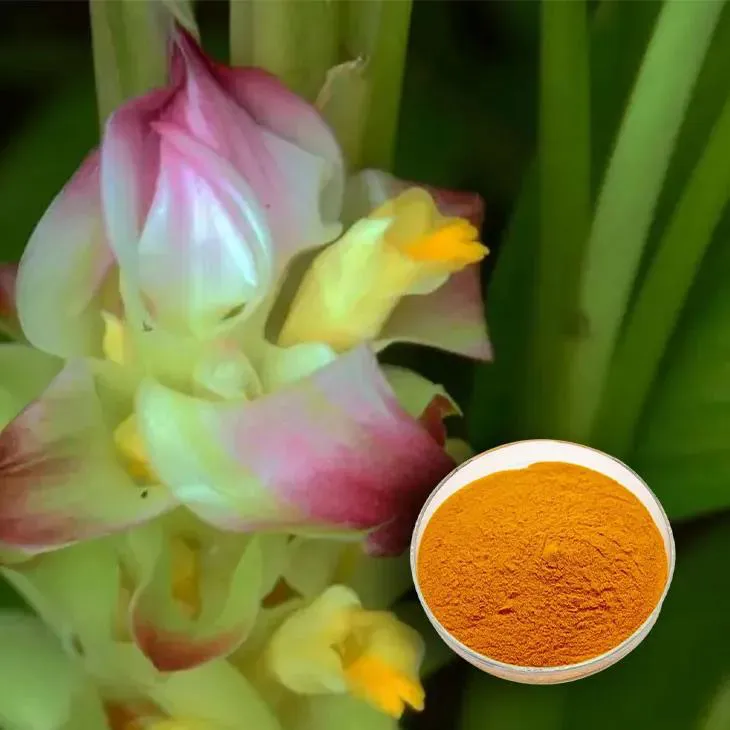
The certification route to an organic label
Organic certification is granted by accredited bodies that inspect farms and facilities, and the two most recognized schemes for global trade are USDA Organic and European union organic certification. Under the USDA National Organic Program, turmeric farms must prove a multi-year transition, submit complete records, and pass annual on-farm inspections, while prohibited materials such as most synthetic pesticides, genetically engineered seed, and sewage-sludge fertilizer are not allowed. EU organic rules, governed by Regulation (EU) 2018/848, place an even greater emphasis on traceability and import verification across the supply chain.
Because the two systems recognize each other under equivalence agreements, a supplier that holds both certifications can serve markets in the United States and Europe with a single well-documented supply chain. Beyond organic itself, most brands also look for complementary quality schemes. A credible pure curcumin supplier typically combines organic certification with HACCP-based food-safety systems such as ISO 22000, good manufacturing practice, and, where relevant, Halal and Kosher certificates to cover the widest range of customer requirements.
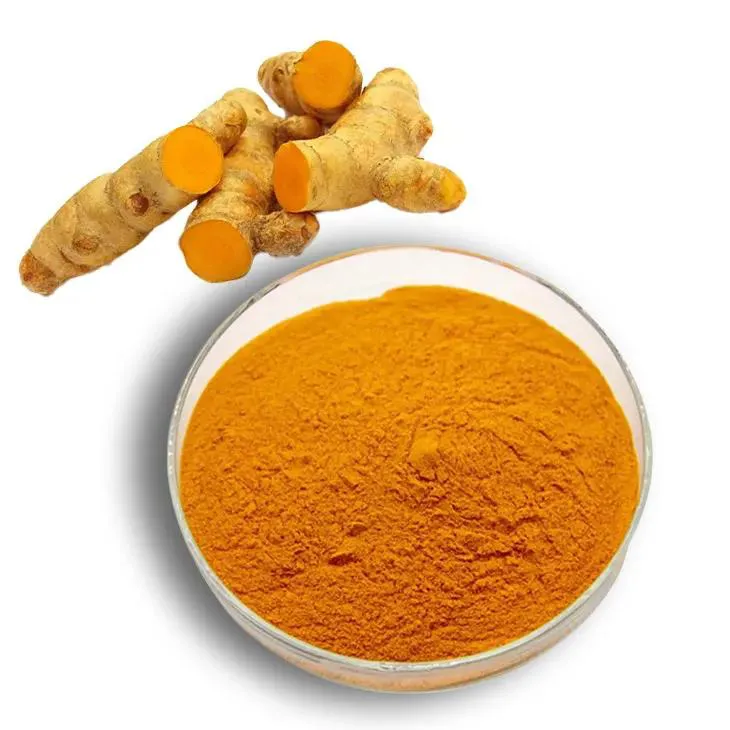
The laboratory checks behind the label
A certificate alone cannot prove that a specific batch is clean, which is why true verification relies on repeatable laboratory testing. Four tests matter most. The first is botanical identity, confirming that the raw material really is Curcuma longa L. and not a cheaper relative, using microscopy or DNA-based methods. The second is curcumin content, measured by high-performance liquid chromatography (HPLC), which tells the buyer how much of the active curcuminoids the extract actually delivers; standardized turmeric extracts are commonly concentrated to around 95% curcuminoids.
The third is heavy-metal analysis. Because lead is the most serious and most frequently flagged contaminant in turmeric, reputable suppliers screen for lead, cadmium, mercury, and arsenic using techniques such as atomic absorption spectroscopy or ICP-MS, with strict limits that are reported on each certificate of analysis. The fourth is pesticide-residue screening by GC-MS or LC-MS/MS, which scans for hundreds of compounds at trace levels and ideally shows that prohibited pesticides are not detected. Solvent residues from extraction are also checked when conventional extraction is used, confirming that levels sit well below accepted thresholds.
Choosing a supplier that can prove it
Verification is only as strong as the supplier behind it, so buyer diligence comes down to a few straightforward questions. Can the manufacturer show a genuine organic certificate issued by an accredited body, and is that certificate valid for turmeric specifically? Does every batch ship with a certificate of analysis including identity, curcumin content, heavy metals, and pesticide residues? And is the production environment built for food-grade hygiene, with in-house laboratories so that testing is not an afterthought?
A manufacturer with a vertically integrated operation, meaning it controls research, extraction, and quality control under one roof, is far easier to audit than one that buys and relabels anonymous powder. Facilities that operate a clean production area meeting food-grade standards, maintain their own HPLC and GC testing capability, and hold widely recognized certifications such as ISO 22000, BRCGS, and an Ecocert-recognized organic standard give buyers a realistic path to verifying that what they buy is truly organic. Working directly with an established Curcumin Supplier not only shortens the supply chain but also puts traceability in reach of every purchaser.
Conclusion
Organic verification for curcumin is not a single stamp but a system that combines accredited farm and facility certification with laboratory confirmation of identity, curcumin content, heavy-metal safety, and pesticide cleanliness. For brands that need dependable, contaminant-free bulk turmeric extract, the practical answer is to work with a manufacturer whose organic claims are backed by documented certification and batch-level test results they are willing to share.
TAGS:
- ▶ Hesperidin
- ▶ Citrus Bioflavonoids
- ▶ Plant Extract
- ▶ lycopene
- ▶ Diosmin
- ▶ Grape seed extract
- ▶ Sea buckthorn Juice Powder
- ▶ Fruit Juice Powder
- ▶ Hops Extract
- ▶ Artichoke Extract
- ▶ Mushroom extract
- ▶ Astaxanthin
- ▶ Green Tea Extract
- ▶ Curcumin
- ▶ Horse Chestnut Extract
- ▶ Other Product
- ▶ Boswellia Serrata Extract
- ▶ Resveratrol
- ▶ Marigold Extract
- ▶ Grape Leaf Extract
- ▶ New Product
- ▶ Aminolevulinic acid
- ▶ Cranberry Extract
- ▶ Red Yeast Rice
- ▶ Red Wine Extract
- ▶ blog
-
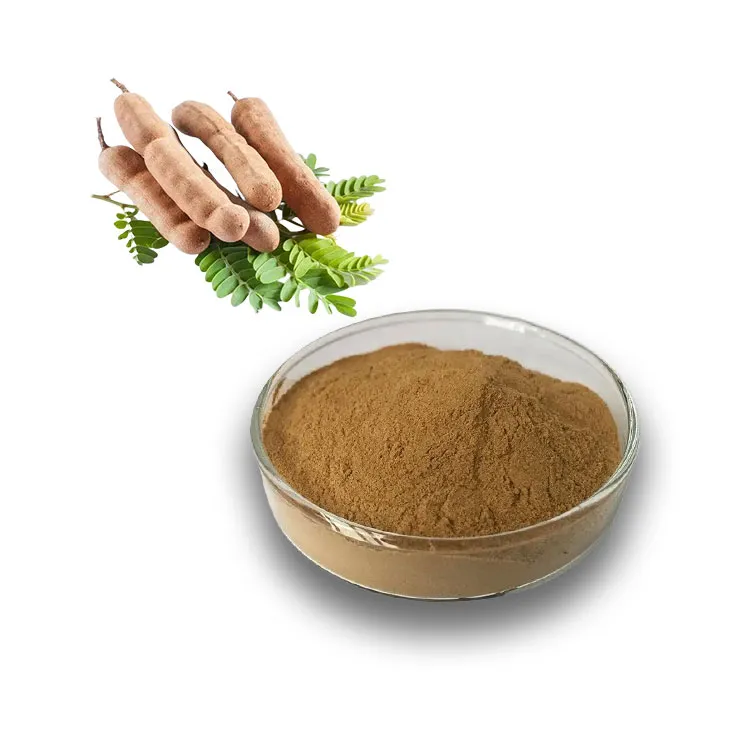
Tamarind extract powder
2026-08-17
-
Gynostemma pentaphyllum extract
2026-08-17
-
Carrageenan Extract Powder
2026-08-17
-
Moringa powder
2026-08-17
-
Berberis aristata Extract
2026-08-17
-
Eucommia Ulmoides Extract
2026-08-17
-
Boswellia Serrata Extract
2026-08-17
-
Reishi mushroom extract
2026-08-17
-
Genistein
2026-08-17
-
Nattokinase
2026-08-17
