- 0086-571-85302990
- [email protected]




How is Alisma Extract Standardized?
2026-08-13
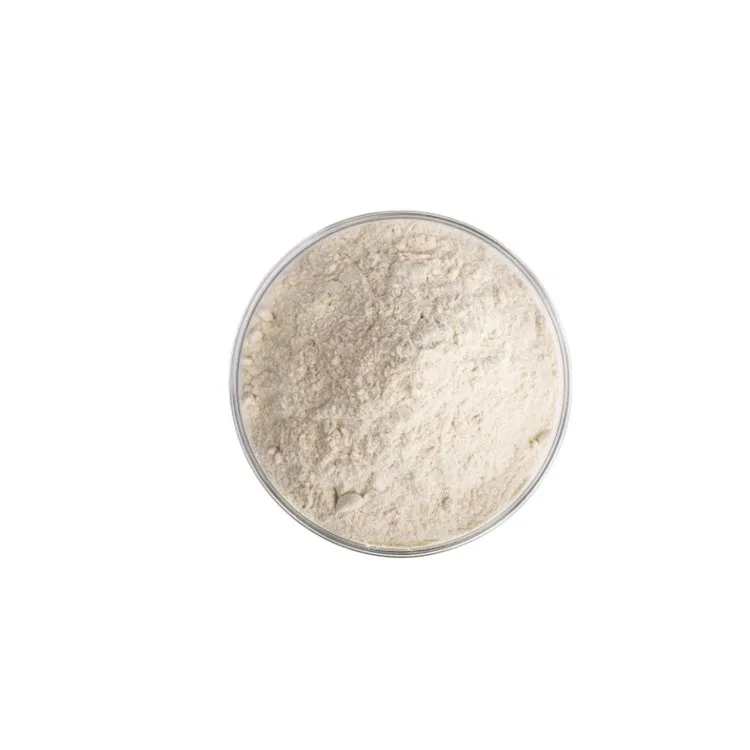
Alisma Extract is a botanical ingredient that has drawn growing attention in the supplement and health-food industries for its traditional role in supporting healthy fluid balance and cardiovascular wellness. For formulators and buyers, the question of how Alisma Extract is standardized sits at the center of every sourcing decision, because standardization is what turns a variable raw botanical into a consistent, reliable ingredient. This article explains what Alisma Extract is, which compounds are measured, and how a reputable manufacturer keeps quality stable from batch to batch.
What alisma extract is
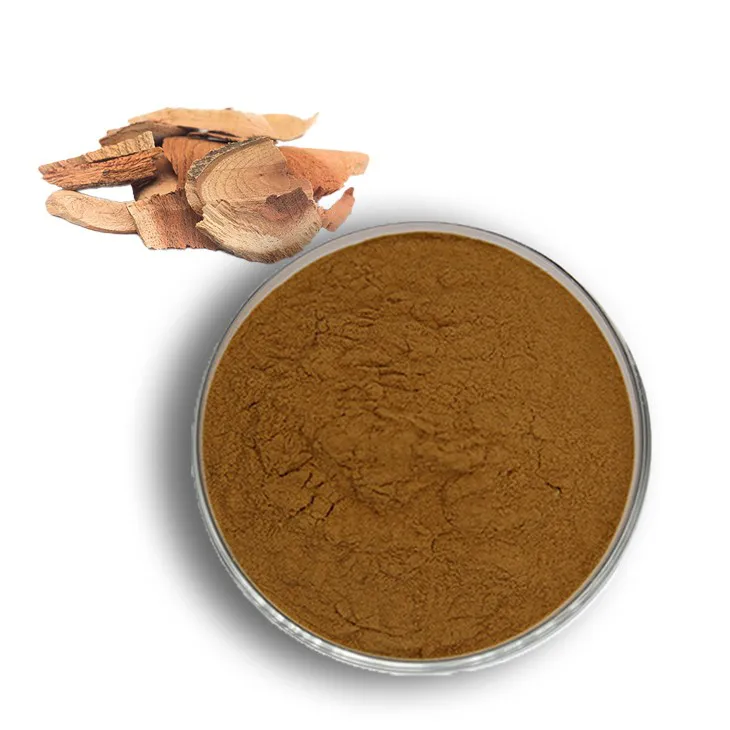
Alisma extract is derived from the dried rhizome of the Alisma plant, commonly known as water plantain. The plant has a long history in traditional Chinese medicine, where it has been used to support healthy fluid balance and normal blood pressure. Today the extract is valued in medicine, health products, and food for its diuretic, blood-pressure-lowering, and antioxidant functions, and it is prepared by concentrating the active principles of the rhizome into a powder that is easier to dose and formulate.
Because the raw herb varies with growing region, harvest time, and processing method, the whole point of an extract is to deliver a more predictable level of the relevant compounds. That is exactly where standardization comes in.
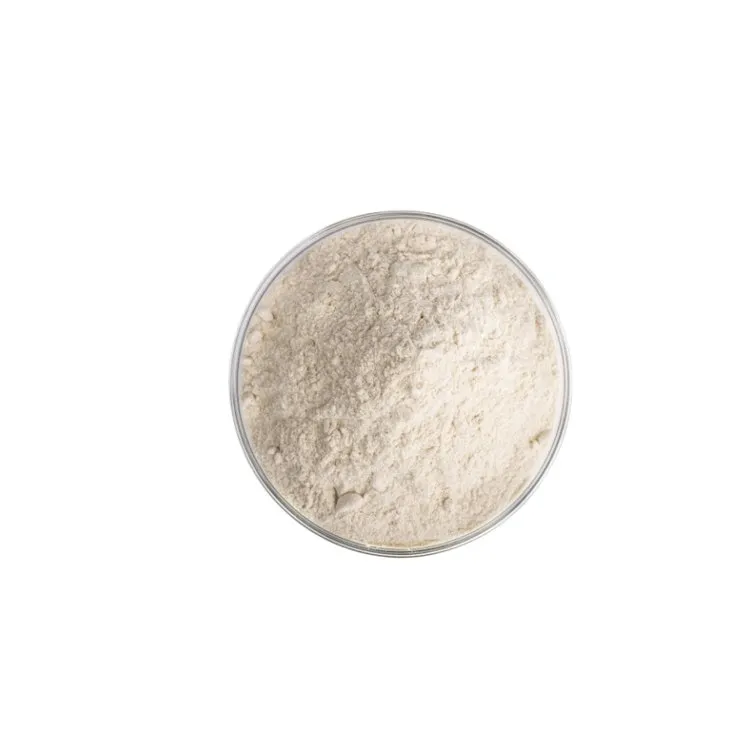
The active compounds that define the extract
The biological activity of alisma extract is largely attributed to a distinctive group of plant compounds called protostane-type triterpenes. The most important of these are the alisols: alisol A, alisol B, and alisol C, together with their acetylated forms such as alisol A 24-acetate and alisol B 23-acetate. These molecules are characteristic of the Alisma genus, which means they are not found in that combination in most other plants.
Because the alisols are unique to alisma, they serve as chemotaxonomic markers. In practical terms, this makes them the natural target for quality control: if a batch contains the expected amount of these markers, it is much more likely to deliver the intended effect and to match the previous batch.
The marker compounds used in standardization
A standardized Alisma extract is defined by the content of these marker compounds. In practice, manufacturers set a minimum assay for one or more alisols, and alisol B 23-acetate is a common choice because it is present in relatively high amounts and remains stable through processing. Less common markers such as alisol C 23-acetate and alisol A 24-acetate may also be measured to give a fuller picture of the profile.
The stated assay, usually expressed as a percentage, tells a buyer exactly how much of the active marker is present. A certificate of analysis should accompany every batch and report this value, along with other quality parameters, so the buyer can verify that the ingredient matches the specification they ordered.
How the measurement is carried out
Reliable standardization depends on reliable analytical methods. High-performance liquid chromatography with a diode array detector, commonly written as HPLC-DAD, is the workhorse for quantifying the alisols in a routine quality-control setting. More sensitive techniques, such as ultra-high-performance liquid chromatography coupled with mass spectrometry, allow even low-level compounds to be measured accurately in a single run.
During analysis, a sample of the extract is dissolved in a suitable solvent and injected into the system, where the marker compounds are separated and quantified against purified reference standards. Every step, from sample preparation to the calibration of the instrument, is validated so that the result is dependable. This is the same kind of analytical capability that Greensky maintains in its independent laboratory, which is equipped with GC, HPLC, and UV instruments.
Beyond the assay: what full standardization covers
A genuinely standardized alisma extract is about more than a single number. Complete quality control also covers heavy metals, residual solvents, microbial limits, and moisture, so the ingredient is safe as well as consistent. Each of these parameters is tested against the limits in the specification before a batch is released for sale.
Because the marker content of the raw rhizome varies with where and when it was grown, a responsible manufacturer selects raw material carefully and re-tests every batch during production. This is why the quality system behind the extract matters as much as the analytical instruments used to measure it.
What buyers should look for
When evaluating an alisma extract, start by asking for the certificate of analysis and confirm that the stated marker assay matches your formulation needs. Check that the supplier can show batch-to-batch consistency and that production takes place in a clean, food-grade facility. For international buyers, recognized certifications such as ISO22000, BRCGS, HALAL, and Kosher add an extra layer of confidence that the product meets global standards.
Greensky, a plant extract supplier with more than two decades of experience, combines vertical integration with a 100,000-class clean production area to keep quality consistent from raw herb to finished extract. Its certifications cover ISO22000, BRCGS, HALAL, Kosher, and SGS-GMP, giving buyers a clear picture of the quality systems behind the product.
Final thoughts
Standardization is what makes alisma extract a repeatable ingredient rather than a variable powder. By measuring marker alisols with validated analytical methods and controlling quality across every batch, reputable plant extract manufacturers turn this botanical into a dependable raw material for supplements and health products.
Whether you are developing a new formula or sourcing ingredients for an existing line, a standardized alisma extract from an experienced, certified manufacturer is the most reliable place to start. A clear specification, a full certificate of analysis, and a supplier you can trust are the three things that make the difference.
- ▶ Hesperidin
- ▶ Citrus Bioflavonoids
- ▶ Plant Extract
- ▶ lycopene
- ▶ Diosmin
- ▶ Grape seed extract
- ▶ Sea buckthorn Juice Powder
- ▶ Fruit Juice Powder
- ▶ Hops Extract
- ▶ Artichoke Extract
- ▶ Mushroom extract
- ▶ Astaxanthin
- ▶ Green Tea Extract
- ▶ Curcumin
- ▶ Horse Chestnut Extract
- ▶ Other Product
- ▶ Boswellia Serrata Extract
- ▶ Resveratrol
- ▶ Marigold Extract
- ▶ Grape Leaf Extract
- ▶ New Product
- ▶ Aminolevulinic acid
- ▶ Cranberry Extract
- ▶ Red Yeast Rice
- ▶ Red Wine Extract
- ▶ blog
-
White mustard seed extract
2026-08-13
-
Cayenne Pepper Extract
2026-08-13
-
Wheat Germ Extract
2026-08-13
-
Beta Carotene
2026-08-13
-
Polygonum multiflorum extract
2026-08-13
-
Black Garlic Extract
2026-08-13
-
Lion's Mane Mushroom Extract
2026-08-13
-
Nettle leaf extract
2026-08-13
-
Andrographis Paniculata Extract Powder
2026-08-13
-
Thunder God Vine Extract
2026-08-13