- 0086-571-85302990
- [email protected]




How does a moringa powder distributor handle international shipping?
2026-08-14
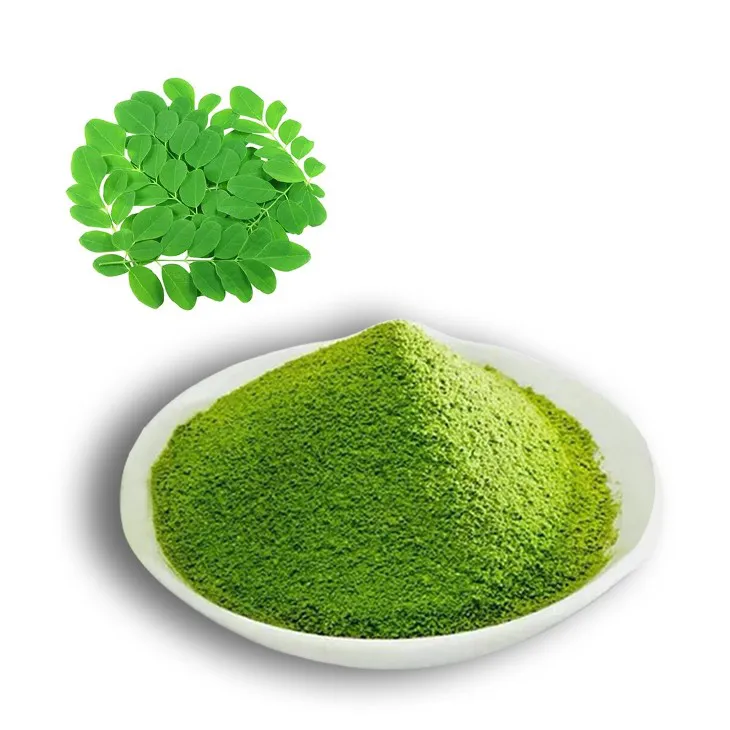
Moringa powder has moved from a niche health-food curiosity to a staple ingredient in supplements, functional foods, and smoothie blends around the world. For a buyer in Europe, the United States, or South Korea, the product itself is only half the story. The other half is getting it to your warehouse intact, on time, and with every piece of paperwork in order. That is where a moringa powder distributor earns its keep. This article walks through the practical steps a reliable distributor follows to manage international shipping, and what you should look for before trusting your supply chain to one.
Start with sourcing and quality control, not the boat
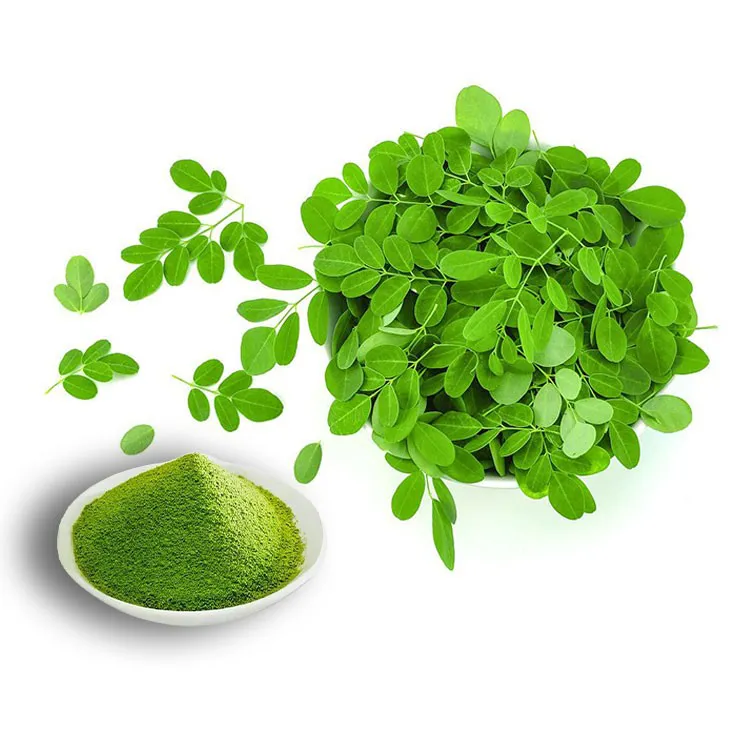
International shipping begins long before a container is loaded. A distributor that ships globally must first secure a consistent, traceable source of moringa leaf powder. The most dependable route is to work directly with a manufacturer that controls the whole chain, from raw leaf intake to finished powder. Greensky, for example, is a plant-extract manufacturer founded in 2004 with more than twenty years of experience, five wholly-owned subsidiaries, and a clean production area that meets food-grade requirements. When a distributor partners with this kind of manufacturer, the quality questions are answered at the source instead of at the port.
Packaging: the quiet enemy is moisture
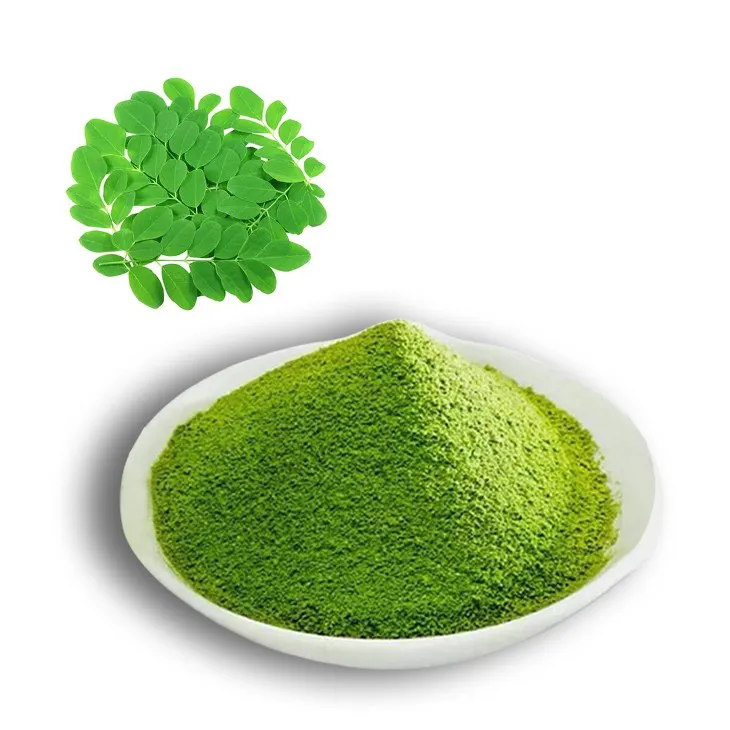
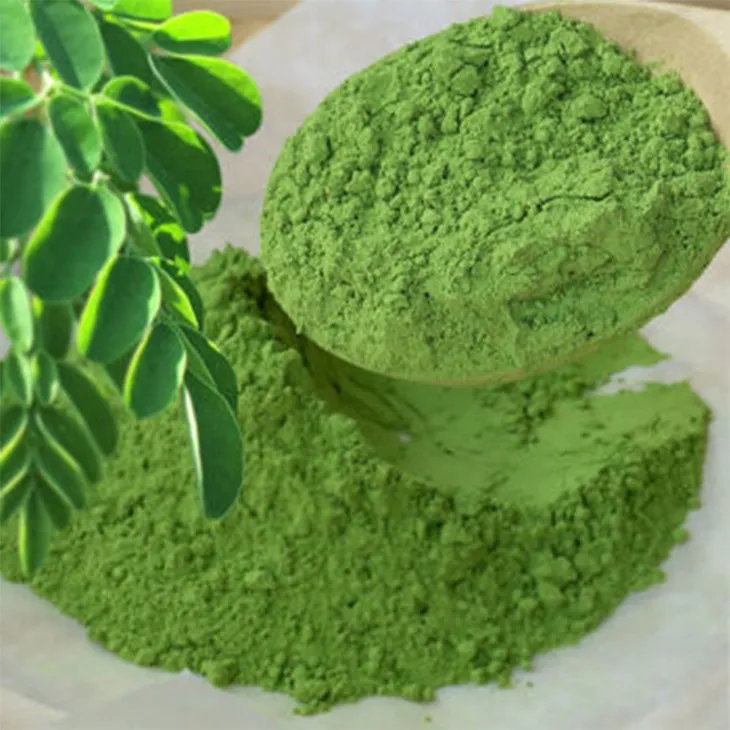
Moringa powder is a dry, hygroscopic product. Left poorly packaged, it absorbs humidity during a long sea transit, clumps, and can even develop microbial load by the time it reaches your door. A professional distributor packs moringa leaf powder in airtight, food-grade, moisture-resistant liners, often backed by desiccant protection inside the outer carton. Every package carries clear labeling: product name, origin, net weight, batch number, and expiry date. This is not cosmetic detail. It is what keeps a shipment compliant and sellable when it is finally inspected on arrival.
Documentation and compliance: the paperwork that unlocks the border
A smooth shipment is a well-documented shipment. Distributors preparing an international moringa order assemble a standard export file: commercial invoice, packing list, bill of lading or airway bill, certificate of origin, and, where the destination requires it, a phytosanitary certificate. They also make sure the powder is classified under the correct HS code so customs does not hold the cargo. Regulatory readiness matters just as much as logistics. A serious supplier maintains certifications such as ISO22000, BRCGS, Ecocert organic standard, SGS-GMP, ISO9001, HALAL, and Kosher, and keeps export registration documents current for global submissions. These are real, verifiable markers of a partner who knows how to cross borders.
Choosing the right freight and Incoterms
The freight decision depends on volume and urgency. Air freight is fast and suits smaller, time-sensitive orders. Sea freight is cost-effective for bulk quantities and is the default for most Moringa powder shipments. Distributors manage both, and they agree on Incoterms before anything moves. Common arrangements include FOB (free on board) and CIF (cost, insurance, and freight), and the choice shifts who owns the risk at each step of the journey. A good distributor explains these terms plainly and makes sure both sides understand exactly where responsibility passes from exporter to importer.
Customs clearance and the final mile
Once the cargo reaches the destination port, customs clearance begins. Exporters with experience in regulated health markets keep the paperwork aligned with the importer's broker so that declarations match the physical goods. After clearance, the final-mile delivery to your warehouse completes the chain. This end-to-end coordination, from factory floor to your door, is what separates a transactional shipper from a true international moringa powder supplier.
What to look for in a distributor
Before you commit, ask a prospective distributor five questions. First, who actually manufactures the powder, and can you verify the production facility? Second, what moisture-protection packaging is standard for sea freight? Third, which certifications and export registrations are current? Fourth, which Incoterms do they normally quote, and what do they include? Fifth, can they name the markets they regularly ship to? A distributor with a track record of export to Europe, the United States, South Korea, and Russia, backed by a manufacturer of Greensky's scale, is far more likely to answer all five with confidence.
International shipping of moringa powder is not complicated once you understand the moving parts: reliable sourcing, moisture-safe packaging, complete documentation, the right freight and Incoterms, and smooth customs clearance. A distributor that handles all of these well gives you a dependable, repeatable supply chain, so you can focus on building your product instead of worrying about where your next batch is. Whether you are buying wholesale moringa powder for the first time or scaling an existing line, choosing a partner who has mastered the logistics is the surest way to protect your margin and your reputation.
TAGS:
- ▶ Hesperidin
- ▶ Citrus Bioflavonoids
- ▶ Plant Extract
- ▶ lycopene
- ▶ Diosmin
- ▶ Grape seed extract
- ▶ Sea buckthorn Juice Powder
- ▶ Fruit Juice Powder
- ▶ Hops Extract
- ▶ Artichoke Extract
- ▶ Mushroom extract
- ▶ Astaxanthin
- ▶ Green Tea Extract
- ▶ Curcumin
- ▶ Horse Chestnut Extract
- ▶ Other Product
- ▶ Boswellia Serrata Extract
- ▶ Resveratrol
- ▶ Marigold Extract
- ▶ Grape Leaf Extract
- ▶ New Product
- ▶ Aminolevulinic acid
- ▶ Cranberry Extract
- ▶ Red Yeast Rice
- ▶ Red Wine Extract
- ▶ blog
-
Peppermint Extract Powder
2026-08-14
-
Rose Hip Extract
2026-08-14
-
Golden Seal Extract
2026-08-14
-
Lotus leaf extract
2026-08-14
-
Mangosteen extract powder
2026-08-14
-
Cayenne Pepper Extract
2026-08-14
-
Purple Sweet Potato Extract
2026-08-14
-
Mango flavored powder
2026-08-14
-
Lily extract
2026-08-14
-
Acerola Extract
2026-08-14