- 0086-571-85302990
- [email protected]






How do I compare curcumin suppliers for quality and price?
2026-08-15
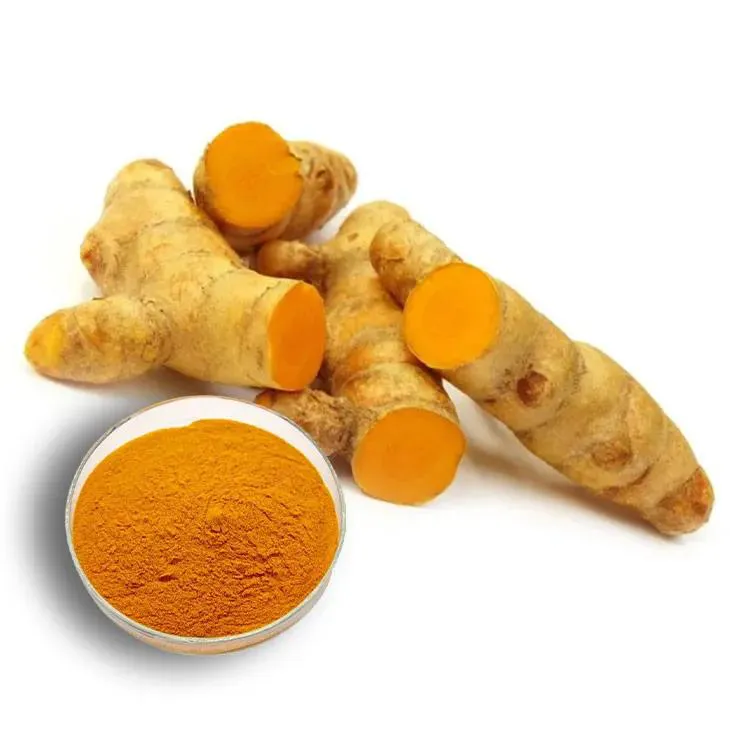
Curcumin is one of the most widely used botanical ingredients in dietary supplements, functional foods, and cosmetics, and the global demand for standardized Curcumin extract keeps growing. But when you sit down to compare Curcumin suppliers, the quotes in front of you can look surprisingly similar while the products behind them are anything but. Price differences of 30% or more between two suppliers often have nothing to do with markup and everything to do with what is actually inside the powder. This guide walks through the specific quality and price factors that matter when evaluating a curcumin supplier, so you can compare offers on an equal footing and avoid paying for a specification you never receive.
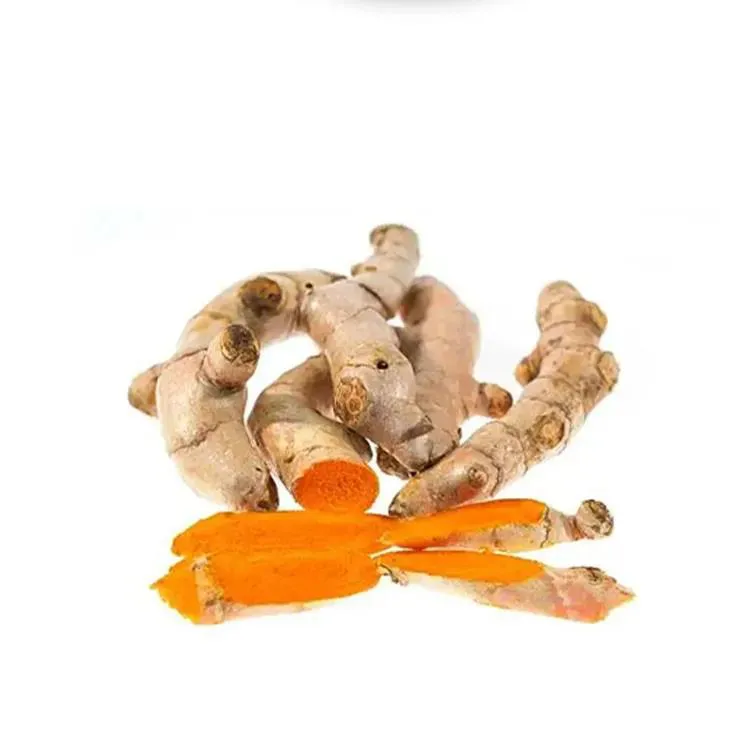
The starting point for any comparison is understanding what you are actually buying. Curcumin is the main bioactive compound in turmeric, and commercial Curcumin Extracts are standardized by their total curcuminoid content, usually expressed as a percentage. A common industrial grade is 95% curcuminoids by HPLC, while lower-cost grades may sit at 30%, 50%, or 70%. Two suppliers can both call their product "Curcumin Extract," yet one delivers 95% curcuminoids and the other delivers 70% at a nominally lower price. Once you convert both quotes to the same active basis, the "cheaper" option is often the more expensive one.
1. Start with the specification, not the price
Before comparing numbers, write down the specification your product actually needs. The most important parameters are total curcuminoid content, the ratio of curcumin to demethoxycurcumin and bisdemethoxycurcumin, particle size, heavy metal limits, pesticide residue limits, and microbial counts. A reputable supplier should be able to state each of these clearly and back them with a certificate of analysis. If a supplier can only describe their product with vague phrases such as "high curcumin" or "premium quality" without a specific percentage, treat that as a warning sign rather than a selling point.
It is also worth confirming whether the supplier manufactures the extract themselves or simply resells powder bought from other factories. A genuine curcumin manufacturer with its own extraction lines can control quality from raw turmeric to finished powder, respond faster to specification changes, and usually offers more stable pricing than a trading company. Asking about production capacity, extraction equipment, and whether the factory is auditable is a quick way to separate manufacturers from middlemen.
2. Verify quality with testing and documentation
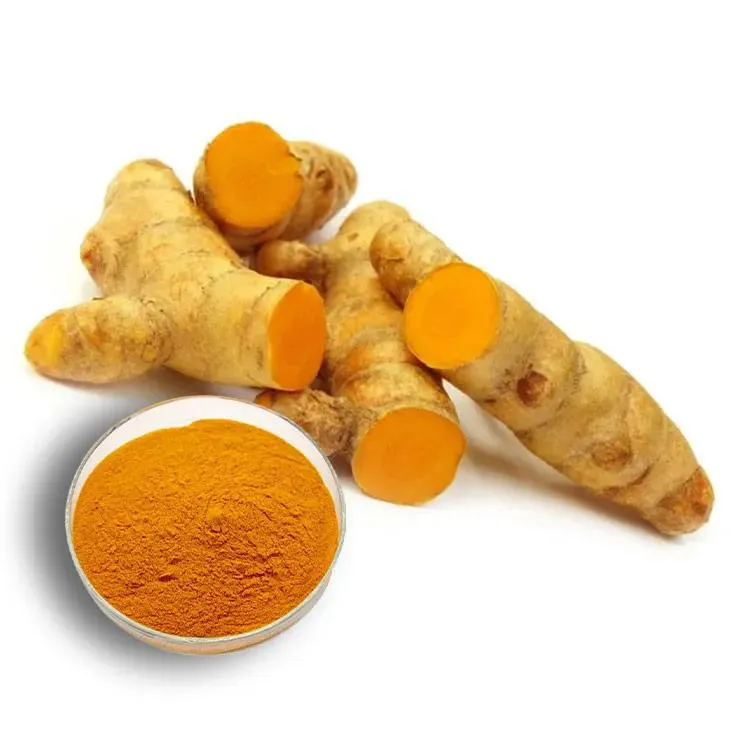
Quality claims are easy to make and expensive to verify, which is why documentation is the backbone of any supplier comparison. The certificate of analysis should show the curcuminoid content measured by HPLC, the testing laboratory and its accreditation, the batch number, and the testing date. Ask whether every batch is tested or only occasional ones, and whether you can have samples checked by your own laboratory before committing to a large order. Suppliers with nothing to hide are usually happy to agree to independent verification.
Beyond the certificate of analysis, look at the supplier's quality system as a whole. Certifications such as ISO22000, BRCGS, GMP, HALAL, and Kosher indicate that the facility operates under recognized food-safety and quality-management standards. Production environment also matters: a clean production area that meets food-grade requirements, in-house laboratories equipped with HPLC and other analytical instruments, and documented batch traceability all point to a supplier that can deliver consistent quality order after order. These factors may not show up on a price list, but they directly affect how much rework, rejection, and regulatory risk you carry.
3. Compare price on the same active basis
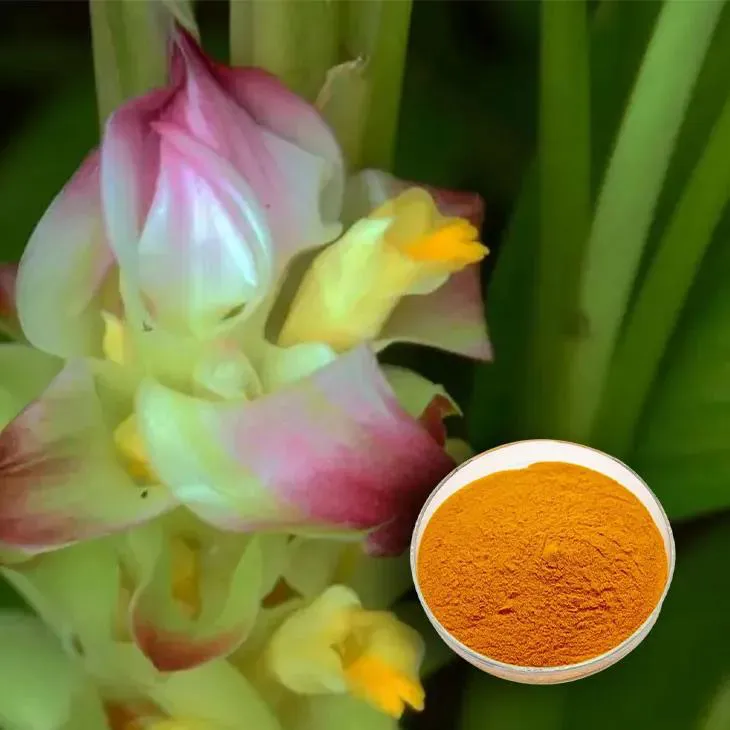
The most common mistake in comparing curcumin suppliers is comparing unit prices without normalizing for curcuminoid content. A simple way to think about it: divide the price per kilogram by the curcuminoid percentage to get the cost per kilogram of actual curcumin. A 70% extract priced at a discount may still cost more per unit of active ingredient than a 95% extract with a higher headline price. For any application where the active content drives your finished product's label claim, this normalized figure is the number that matters.
Price comparisons should also include the full cost picture: minimum order quantities, packaging, shipping, customs clearance, and the documentation needed for import. A supplier that provides complete export documentation and regulatory support can save you significant time and money compared with one whose paperwork is incomplete. Payment terms and lead times are part of the equation too, because a delayed shipment can cost far more than the price difference that made you choose a supplier in the first place.
4. Questions to ask and red flags to watch for
When you shortlist suppliers, ask each of them the same set of questions so the answers are comparable:
- What is the exact curcuminoid content of your extract, and by which method is it measured?
- Can you provide a recent certificate of analysis for the current batch?
- Do you test every batch, and which accredited laboratory performs the testing?
- Can I have a sample tested by my own laboratory before placing an order?
- What certifications does your facility hold, and can we arrange a factory audit?
- What is your production capacity, lead time, and minimum order quantity?
- What export documentation and regulatory files can you provide?
At the same time, watch for red flags: reluctance to share test reports, reports from unaccredited laboratories, curcuminoid claims that change between batches, an unwillingness to accept independent testing, and prices that are dramatically lower than the market average without any explanation. None of these automatically disqualifies a supplier, but each one raises the cost of verifying quality on your side, and that cost belongs in your comparison.
5. Think beyond the first order
A supplier comparison should look at the relationship, not just the first shipment. Batch-to-batch consistency determines whether your finished product stays within specification, and consistency is built on controlled sourcing, standardized production, and routine testing rather than luck. Consider whether the supplier can grow with you, whether they can support new product development with samples and technical data, and whether their communication is responsive enough for a long-term partnership. The cheapest first order is rarely the cheapest order when measured over a year of production.
For buyers who want to source directly from a manufacturer, Greensky is a Hangzhou-based plant extract producer with more than 20 years of experience in botanical ingredients. The company operates its own extraction and production facilities, including a 100,000-class clean production area, and its Curcumin Extract is backed by certifications including ISO22000, BRCGS, GMP, HALAL, and Kosher. If you are comparing suppliers for your next wholesale curcumin order, requesting a certificate of analysis and a sample from any shortlisted supplier, and verifying the numbers with your own laboratory, will tell you more than any price list.
Comparing curcumin suppliers for quality and price does not have to be guesswork. Define your specification, verify it with documentation and independent testing, normalize prices to the same active basis, and evaluate the supplier's manufacturing and certification depth. When you do that, the right supplier becomes obvious, and the price you pay reflects the quality you actually receive.
TAGS:
- ▶ Hesperidin
- ▶ Citrus Bioflavonoids
- ▶ Plant Extract
- ▶ lycopene
- ▶ Diosmin
- ▶ Grape seed extract
- ▶ Sea buckthorn Juice Powder
- ▶ Fruit Juice Powder
- ▶ Hops Extract
- ▶ Artichoke Extract
- ▶ Mushroom extract
- ▶ Astaxanthin
- ▶ Green Tea Extract
- ▶ Curcumin
- ▶ Horse Chestnut Extract
- ▶ Other Product
- ▶ Boswellia Serrata Extract
- ▶ Resveratrol
- ▶ Marigold Extract
- ▶ Grape Leaf Extract
- ▶ New Product
- ▶ Aminolevulinic acid
- ▶ Cranberry Extract
- ▶ Red Yeast Rice
- ▶ Red Wine Extract
- ▶ blog
-
Reishi mushroom extract
2026-08-15
-
Bayberry Extract
2026-08-15
-
Licorice Root Extract Powder
2026-08-15
-
Passionflower Extract
2026-08-15
-
Kupilu Extract
2026-08-15
-
Echinacea Extract
2026-08-15
-
Europen Bilberry Extract
2026-08-15
-
Rose Hip Extract
2026-08-15
-
Baobab Fruit Extract
2026-08-15
-
Fig Extract
2026-08-15
