- 0086-571-85302990
- [email protected]




How do I compare astaxanthin china manufacturers and suppliers?
2026-08-15
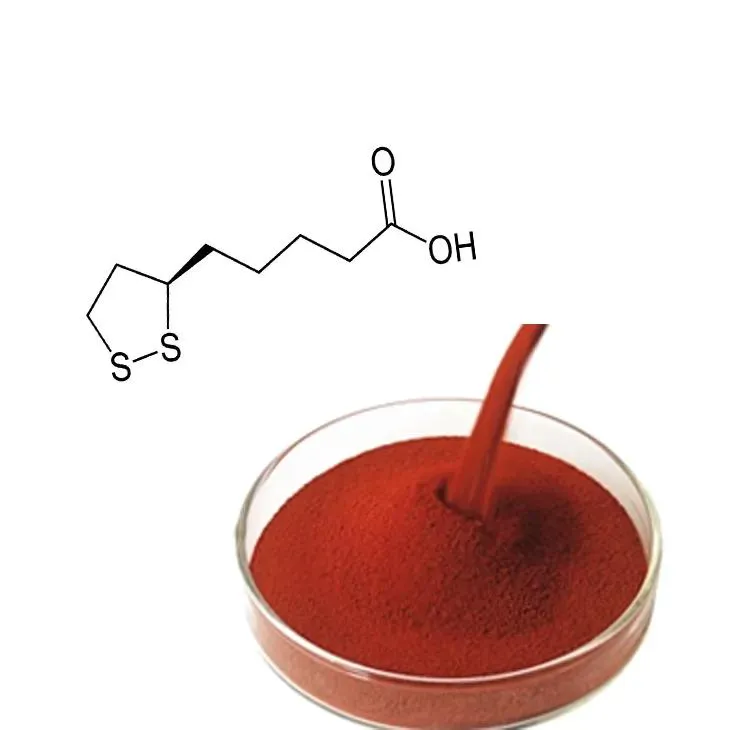
Astaxanthin has become one of the most sought-after ingredients for eye, skin, heart, and immune support, and China has grown into a major global source of this red carotenoid. But for a buyer, the hard part is not finding Astaxanthin — it is telling a genuine manufacturer apart from a middleman, and a reliable partner apart from a one-off seller. If you are sourcing from China, this guide walks through the criteria that actually matter when you compare Astaxanthin manufacturers and suppliers.
Manufacturer or trading company: the first question to ask
The single most important distinction when you compare astaxanthin suppliers in China is whether a company actually produces the ingredient or simply resells it. China's plant extract industry includes both genuine factories and thousands of trading companies that buy from factories and sell under their own name. A real manufacturer can show you its production line, its extraction equipment, and its own laboratory. A trader usually cannot, and every layer of reselling adds cost, risk, and uncertainty about the true origin of the material.
The most reliable signal is vertical integration. A supplier that controls research, cultivation, extraction, and testing under one roof can give you far stronger traceability than one that buys on the open market. When a company owns its factories and laboratories and has operated for years, its claims about source and quality carry real weight. Ask directly: do you own the production facility, and can we arrange a factory audit or video tour? The answer separates a genuine astaxanthin manufacturer from a reseller in seconds.
Source and purity: read the certificate of analysis
Not all astaxanthin is the same. Natural astaxanthin is produced by the microalgae Haematococcus pluvialis and is the form used in human health products, while synthetic astaxanthin is made from petrochemical starting materials and is mostly used in aquaculture feed. When you compare suppliers, confirm the source in writing and ask for the certificate of analysis (COA) for recent batches. Check the stated astaxanthin content and, just as important, the testing method — high-performance liquid chromatography (HPLC) is the standard used by serious laboratories.
A complete COA covers more than the active ingredient. It should also report heavy metals, microbial load, and other contaminants. A supplier that hesitates to share batch-level COAs, or that only offers a generic spec sheet, is a red flag. Genuine manufacturers test every batch and keep the records, because their reputation depends on consistency.
Certifications and production facilities
Certifications are meaningful only when they are audited by a third party. When you compare astaxanthin suppliers, look for internationally recognized systems such as ISO22000, ISO9001, BRCGS, SGS-GMP, HALAL, and Kosher, and for organic certification under programs like Ecocert if your market requires it. Ask to see the certificates themselves and check that they cover the production site rather than just the trading office.
Facilities matter just as much as paperwork. A food-grade clean production area — ideally a 100,000-class clean room without irradiation — and an in-house laboratory equipped with HPLC, GC, and UV instruments are strong indicators of a serious producer. In-house testing means faster, more reliable batch data and shorter response times when you need documentation for your own regulatory submissions.
MOQ, pricing, and lead time
Price is where many buyers start comparing, but it should never be the deciding factor on its own. A low quote from a trader often hides lower purity, weaker documentation, or an unstable supply chain. When you evaluate pricing, ask what is included: the COA, the packaging, the export documentation, and the freight terms. Compare the total cost of getting a compliant, documented ingredient to your door, not just the per-kilogram figure.
Minimum order quantity and lead time tell you how flexible a supplier can be. A manufacturer that produces at scale can usually offer competitive bulk pricing and steadier delivery schedules, while a small trader may quote low MOQs but struggle to guarantee consistent quality across orders. Ask about their production capacity and how they handle peak demand, because a supplier that runs out of stock at the wrong moment can stall your entire product launch.
Regulatory documentation and export experience
Selling astaxanthin in Europe, the United States, South Korea, or Russia means dealing with import regulations, and the supplier you choose can make this easy or painful. A manufacturer with real export experience can provide the registration documents, certificates, and technical files your market requires, saving you months of back-and-forth. Ask how many markets they currently ship to and whether they can support your specific regulatory needs.
Export experience is also a proxy for reliability. A company that has been shipping to regulated markets for years has survived audits, customs checks, and customer inspections. That track record is worth more than any brochure promise.
Red flags to watch for
As you compare astaxanthin suppliers, keep an eye out for these warning signs:
- A company that cannot or will not show its own production facility or arrange an audit.
- Certificates that cannot be verified with the issuing body, or that cover only a trading office.
- Refusal to share batch-level certificates of analysis or a testing method that is not disclosed.
- Vague answers about the source of the raw algae or whether the astaxanthin is natural or synthetic.
- Prices far below the market average, which usually mean corners cut somewhere.
- Pressure to pay in full before samples or documentation are provided.
A practical comparison checklist
To make the comparison manageable, score every candidate on the same short list:
- Ownership: does the company run its own factory and laboratory?
- Source: is the astaxanthin natural, from Haematococcus pluvialis, and documented?
- Quality: are batch COAs available, with HPLC results for content, heavy metals, and microbes?
- Certifications: are ISO22000, BRCGS, HALAL, Kosher, GMP, or organic certificates current and verifiable?
- Facilities: is there a clean production area and an in-house testing laboratory?
- Supply: are MOQ, lead time, and capacity clearly defined and realistic?
- Support: can they provide export documentation and regulatory assistance for your market?
- Communication: do they respond clearly, honestly, and quickly to technical questions?
A supplier that scores well on all eight points is worth a trial order. A supplier that fails on the first three should be dropped regardless of price.
Why a vertically integrated manufacturer makes comparison easier
The easiest way to compare astaxanthin suppliers is to start with companies that have nothing to hide. A vertically integrated manufacturer can answer every question on the checklist with evidence: its own production line, its own laboratory, its own certificates, and its own export records. That transparency is exactly what makes the comparison simple.
Greensky (Hangzhou Greensky Biological Tech. Co., Ltd.) is one such astaxanthin supplier. Founded in 2004, the company has more than 20 years of experience in natural plant extracts and operates five wholly-owned subsidiaries with full vertical integration from research and development to production. Its export value reached nearly 30 million US dollars in 2023, with main markets in Europe, the United States, South Korea, and Russia.
Greensky's production facilities include a 100,000-class clean area that meets food-grade requirements, an independent laboratory equipped with HPLC, GC, and UV instruments, and equipment ranging from multi-ton extraction tanks to spray drying towers. The company holds ISO22000, BRCGS, Ecocert Organic Standard, SGS-GMP, ISO9001, HALAL, and Kosher certifications, together with the Export Food Production Enterprise Registration Certificate. For buyers comparing astaxanthin china options, this combination of owned production, in-house testing, and export experience is a strong benchmark to measure other candidates against.
Conclusion
Comparing astaxanthin manufacturers and suppliers in China does not have to be guesswork. Focus on ownership and vertical integration, demand batch-level certificates of analysis, verify certifications with the issuing bodies, and evaluate the total cost including documentation and logistics. Watch for the red flags, score every candidate against the same checklist, and start with a small trial order before committing to volume.
The right partner is not necessarily the cheapest or the loudest — it is the one that can prove its source, its quality system, and its track record. If you are evaluating astaxanthin for your product line, browse the astaxanthin product page or contact the Greensky team directly to request certificates, samples, and specifications.
TAGS:
- ▶ Hesperidin
- ▶ Citrus Bioflavonoids
- ▶ Plant Extract
- ▶ lycopene
- ▶ Diosmin
- ▶ Grape seed extract
- ▶ Sea buckthorn Juice Powder
- ▶ Fruit Juice Powder
- ▶ Hops Extract
- ▶ Artichoke Extract
- ▶ Mushroom extract
- ▶ Astaxanthin
- ▶ Green Tea Extract
- ▶ Curcumin
- ▶ Horse Chestnut Extract
- ▶ Other Product
- ▶ Boswellia Serrata Extract
- ▶ Resveratrol
- ▶ Marigold Extract
- ▶ Grape Leaf Extract
- ▶ New Product
- ▶ Aminolevulinic acid
- ▶ Cranberry Extract
- ▶ Red Yeast Rice
- ▶ Red Wine Extract
- ▶ blog
-
Beetroot Powder
2026-08-15
-
Elderberry Extract
2026-08-15
-
Black Seed Extract
2026-08-15
-
Beta Carotene
2026-08-15
-
Oyster Mushroom Extract Powder
2026-08-15
-
Licorice Root Extract Powder
2026-08-15
-
Bilberry Extract
2026-08-15
-
Cassia Seed Extract
2026-08-15
-
Kelp Extract Powder
2026-08-15
-
Aguaje Extract
2026-08-15