- 0086-571-85302990
- [email protected]






How do I choose the best fruit extract powder supplier for my brand?
2026-08-14
Launching a supplement, beverage, or health food brand means making dozens of sourcing decisions, and few are as important as choosing the right fruit extract powder supplier. The powder you buy becomes the backbone of your product: it determines flavor, color, nutrient content, shelf life, and ultimately how your customers judge your brand. Yet many buyers focus only on price and end up with inconsistent batches, missing documentation, or ingredients that fail regulatory checks. This guide walks you through the practical steps to find a supplier you can build a brand on.
1. Define your specifications before you start looking
A clear specification sheet is your strongest negotiating tool. Before contacting anyone, decide which fruit or vegetable powders you need, the target content of key active compounds, particle size, solubility, and the standards your final product must meet. For example, a brand formulating a vitamin C drink might look for an acerola or Lemon Juice Powder with a verified vitamin C level, while a sports nutrition line may want a Beetroot juice Powder with consistent nitrate content. When your requirements are precise, you can quickly separate suppliers who understand their product from those who simply resell generic material.
2. Manufacturer or trader: know who you are really buying from
One of the biggest mistakes brands make is assuming every supplier owns the factory behind their product. Trading companies can offer attractive prices, but they have no control over production quality, batch consistency, or lead times. A true manufacturer with vertical integration, meaning it handles research, development, extraction, and production under one roof, can guarantee traceability from raw fruit to finished powder. When evaluating candidates, ask directly whether they own their production facility, and request a factory tour or video walkthrough. A plant extract supplier that manufactures in-house will usually be more transparent about its processes and more responsive when you need adjustments.
3. Check certifications that actually matter for your market
Certifications are not decoration; they are evidence that a supplier follows recognized food-safety and quality systems. Look for credentials such as ISO22000, BRCGS, SGS-GMP, ISO9001, HALAL, and Kosher, and confirm they are current and cover the specific facility that produces your ingredient. If you sell organic products, verify that the organic certification matches the claim on the label. Also ask whether the supplier holds an export food production registration, which simplifies customs clearance and regulatory submissions in many markets. A supplier that maintains a broad certification portfolio, like a manufacturer serving Europe, the United States, South Korea, and Russia simultaneously, has already proven it can satisfy demanding buyers.
4. Inspect quality control and laboratory capabilities
Quality control is where good suppliers distinguish themselves. Ask about in-house laboratory equipment, such as HPLC, GC, and UV instruments, which are used to verify active compound content and purity. A supplier with its own lab can test every batch and provide a certificate of analysis, whereas a trader often relies on third-party reports it cannot fully verify. You should also ask about routine testing for heavy metals, microbial contamination, and pesticide residues, since these are the results regulators and retailers will request. Clean production conditions matter too; a 100,000-class clean area that meets food-grade requirements reduces the risk of contamination and gives you confidence in every batch.
5. Understand the production technology behind the powder
The way a fruit is processed directly affects the quality of the powder. Spray drying is common for large volumes and works well for many juice powders, while low-temperature concentration and vacuum drying help preserve heat-sensitive nutrients, color, and flavor. Ask which equipment the supplier uses, such as multi-functional extraction tanks, low-temperature concentrators, and spray drying towers, and how they protect active compounds during processing. A supplier that can explain its drying technology in detail, rather than giving a generic answer, is far more likely to deliver a powder that performs consistently in your formulation.
6. Ask about raw material sourcing and traceability
Traceability protects your brand. A reliable supplier should be able to tell you where its raw fruit comes from, whether it is organic or non-GMO, and how it tracks material from harvest through production. This matters not only for quality but for compliance, since importers increasingly require documentation on origin, allergens, and GMO status. If a supplier cannot trace a batch back to its source, you cannot fully protect your customers or your reputation.
7. Request samples and verify with independent testing
Never commit to a supplier based on a brochure. Request samples of every powder you plan to use and evaluate them for flavor, color, texture, solubility, and consistency with your specification. Then go one step further: send a sample to an independent accredited laboratory to confirm the active compound content and check for contaminants. This small investment can save you from a costly batch failure later. Pay attention to how the supplier handles sample requests, since their responsiveness during sampling usually reflects their service after the order.
8. Compare MOQ, lead times, and pricing transparency
Minimum order quantities and lead times can make or break a launch timeline. A startup may need a flexible MOQ for pilot batches, while an established brand may prioritize a supplier who can scale up reliably. Ask for clear pricing that includes all relevant costs, and be wary of quotes that seem too good to be true, since the cheapest powder often hides inconsistent quality or missing documentation. The best value is a supplier who balances fair pricing with dependable quality and delivery.
9. Evaluate communication and long-term partnership potential
Your ingredient supplier is a long-term partner, not a one-time vendor. During initial conversations, notice whether they respond quickly, answer technical questions thoroughly, and offer practical advice rather than just pushing a sale. A supplier who understands your market and helps you solve formulation or documentation challenges is worth far more than one who simply ships boxes. Discuss your growth plans openly and see whether they can support you as your volumes increase.
Choosing a supplier you can grow with
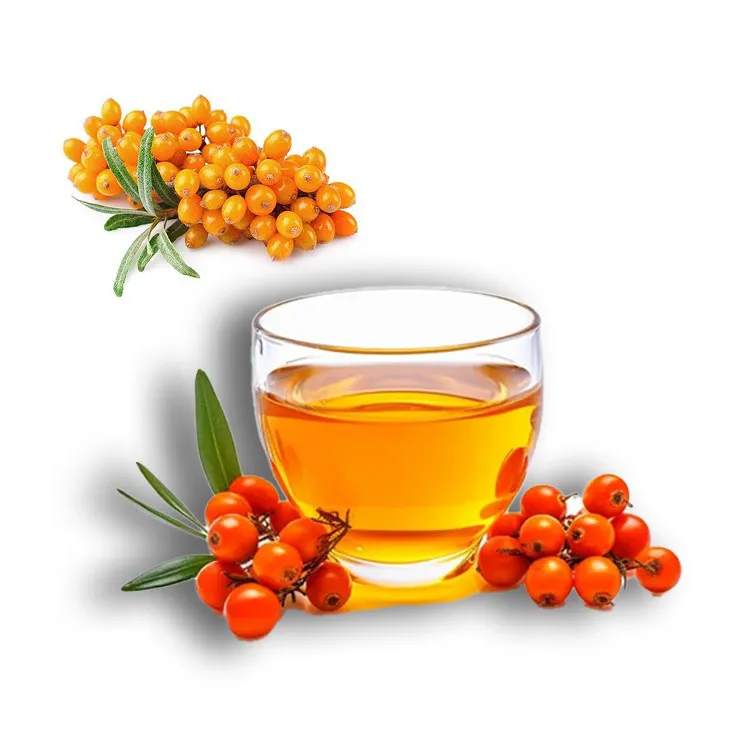
Finding the best fruit extract powder supplier for your brand comes down to preparation and verification. Define your specifications, confirm you are dealing with a real manufacturer, check certifications and lab capabilities, understand the production technology, and validate everything with samples and independent testing. A supplier with a broad product catalog, such as one offering sea buckthorn, beetroot, acerola, and Lemon Juice Powders alongside hundreds of plant extracts, gives you the flexibility to expand your product line without constantly switching vendors. If you are looking for a reliable partner with over two decades of manufacturing experience, a best lemon juice powder supplier or a trusted best beetroot powder manufacturer can be an excellent starting point for your search.
TAGS:
- ▶ Hesperidin
- ▶ Citrus Bioflavonoids
- ▶ Plant Extract
- ▶ lycopene
- ▶ Diosmin
- ▶ Grape seed extract
- ▶ Sea buckthorn Juice Powder
- ▶ Fruit Juice Powder
- ▶ Hops Extract
- ▶ Artichoke Extract
- ▶ Mushroom extract
- ▶ Astaxanthin
- ▶ Green Tea Extract
- ▶ Curcumin
- ▶ Horse Chestnut Extract
- ▶ Other Product
- ▶ Boswellia Serrata Extract
- ▶ Resveratrol
- ▶ Marigold Extract
- ▶ Grape Leaf Extract
- ▶ New Product
- ▶ Aminolevulinic acid
- ▶ Cranberry Extract
- ▶ Red Yeast Rice
- ▶ Red Wine Extract
- ▶ blog
-
Sugarcane Extract
2026-08-14
-
Nattokinase
2026-08-14
-
Rhodiola Rosea Extract
2026-08-14
-
Gynostemma pentaphyllum extract
2026-08-14
-
Aguaje Extract
2026-08-14
-
Pueraria Lobata Extract
2026-08-14
-
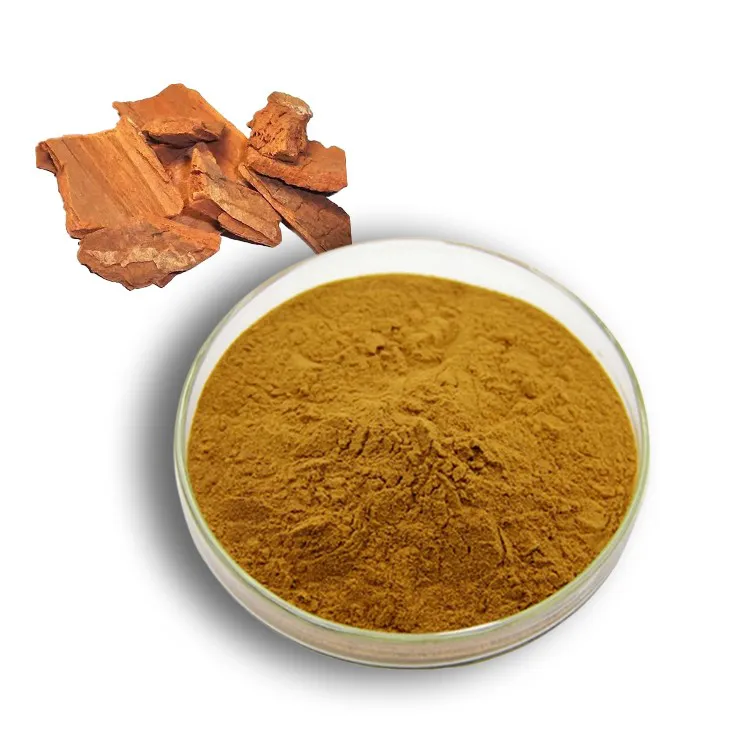
Yohimbine Bark Extract
2026-08-14
-
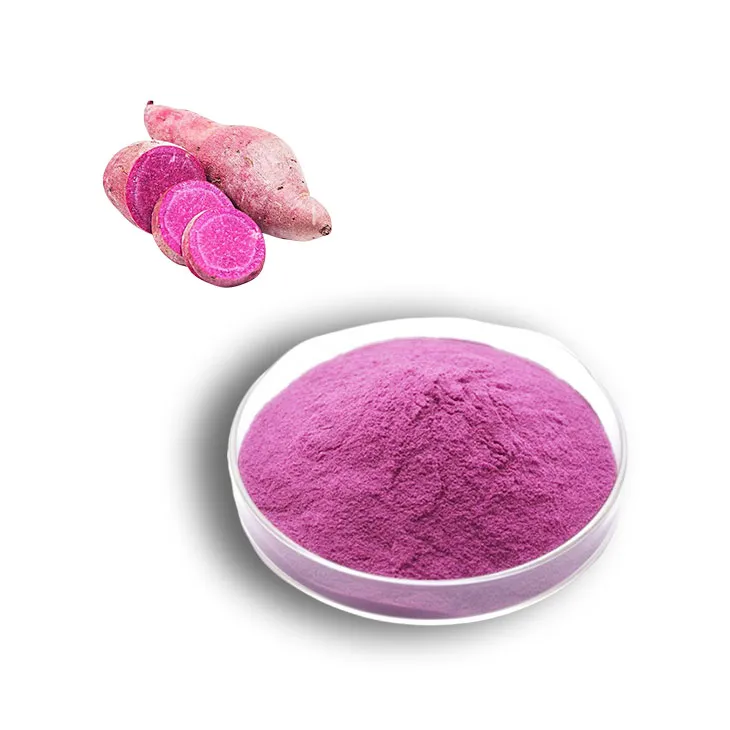
Purple Sweet Potato Extract
2026-08-14
-
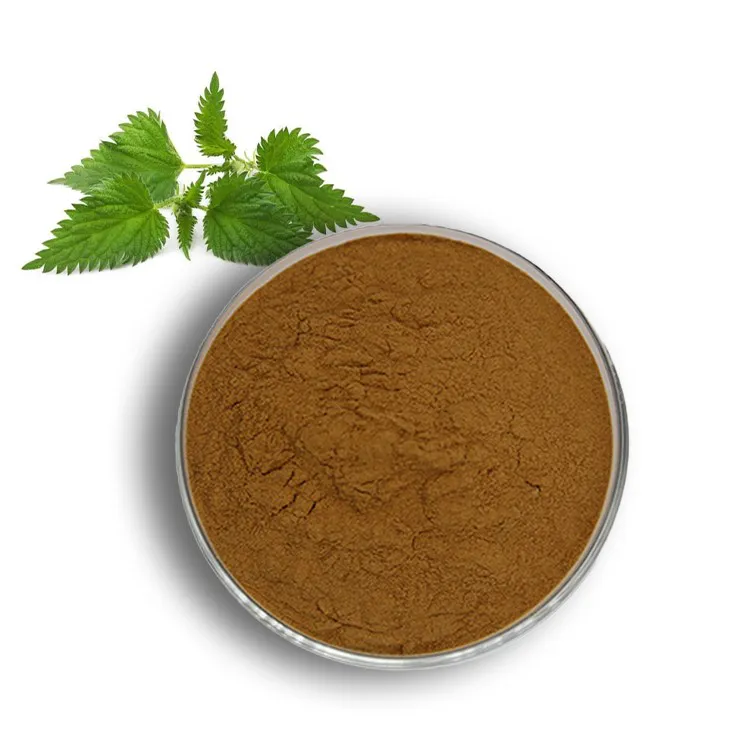
Nettle Root Extract
2026-08-14
-
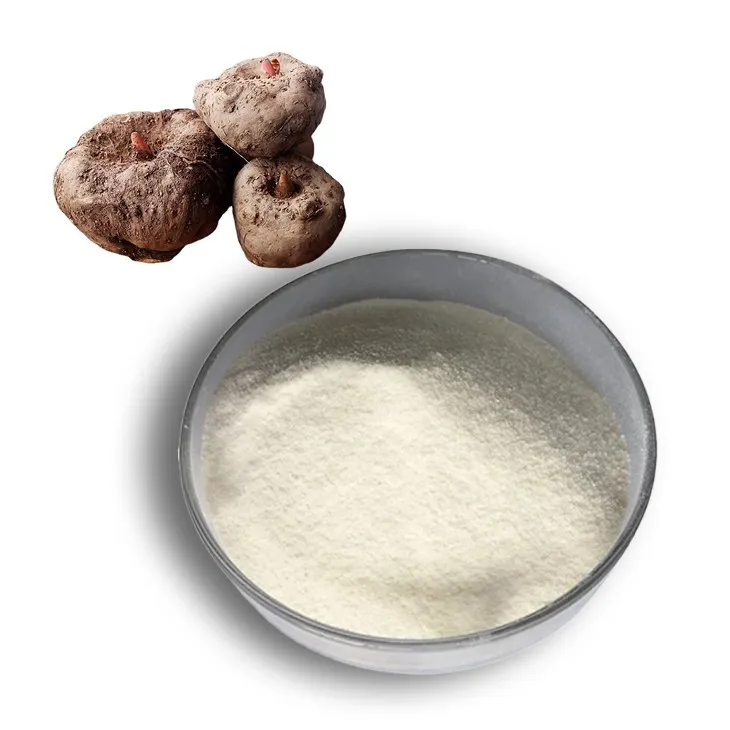
Konjac Powder
2026-08-14
