- 0086-571-85302990
- [email protected]






How do I choose a resveratrol manufacturer for private label?
2026-08-19
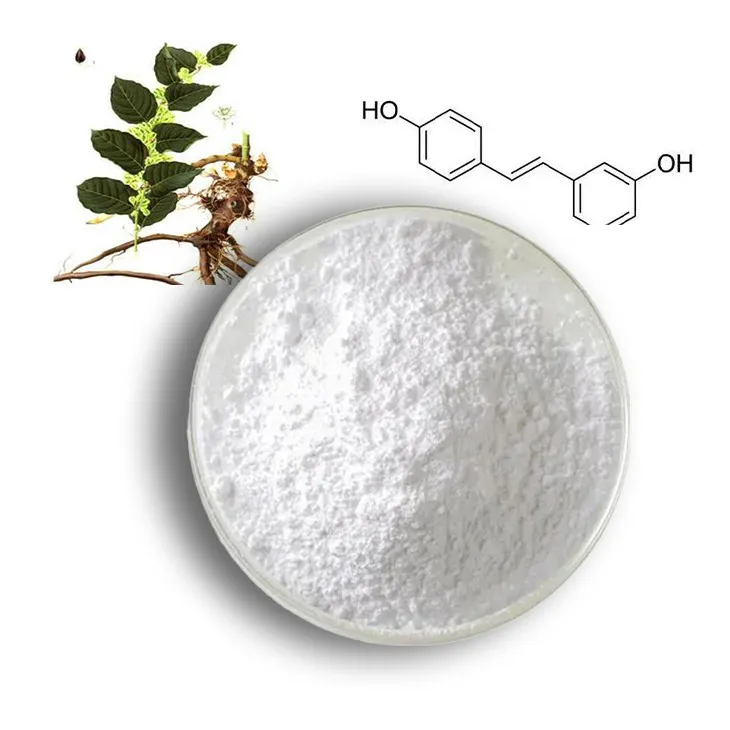
Launching a private-label resveratrol supplement is a promising move, but the quality of your finished product depends almost entirely on one decision: who manufactures your resveratrol powder. Private-label brands are judged by the reputation printed on their own label, which means every impurity, every purity claim, and every certificate you rely on must come from a partner you can trust. Choosing the right resveratrol manufacturer is not simply about finding the lowest price — it is about securing a supplier who can deliver a consistent, pure, and compliant ingredient batch after batch.
Define the technical specifications you actually need
Before you contact any supplier, clarify the specification your finished formula demands. Resveratrol is most commonly standardized to 20%, 50%, 98%, or 99% assay by HPLC, and the target will depend on whether you are building a high-dosage supplement, a blended formula, or a value-priced line. Ask every candidate for their Certificate of Analysis (COA) and confirm that the assay is measured by a reliable method such as HPLC. A professional manufacturer should supply a detailed COA covering active content, heavy metals, loss on drying, and residual solvents without hesitation.
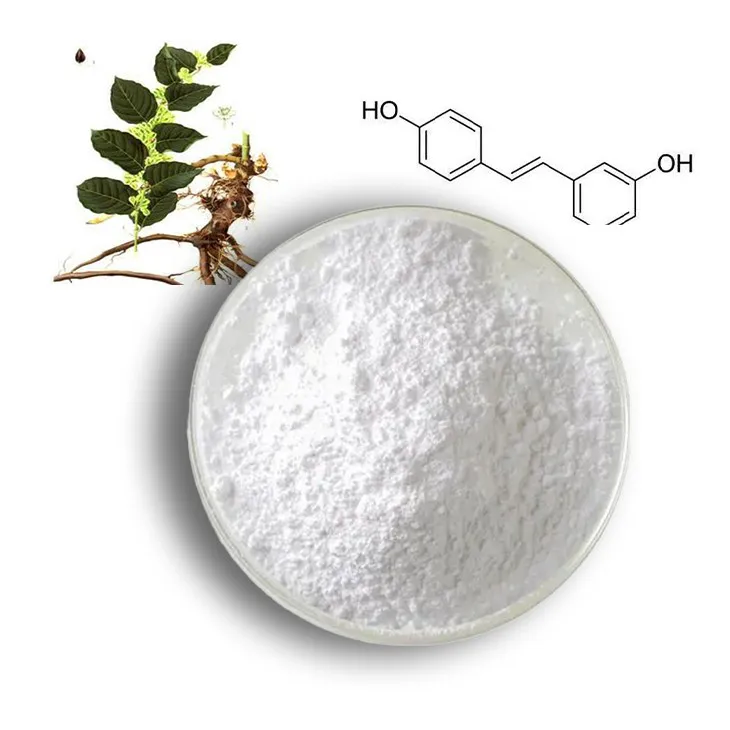
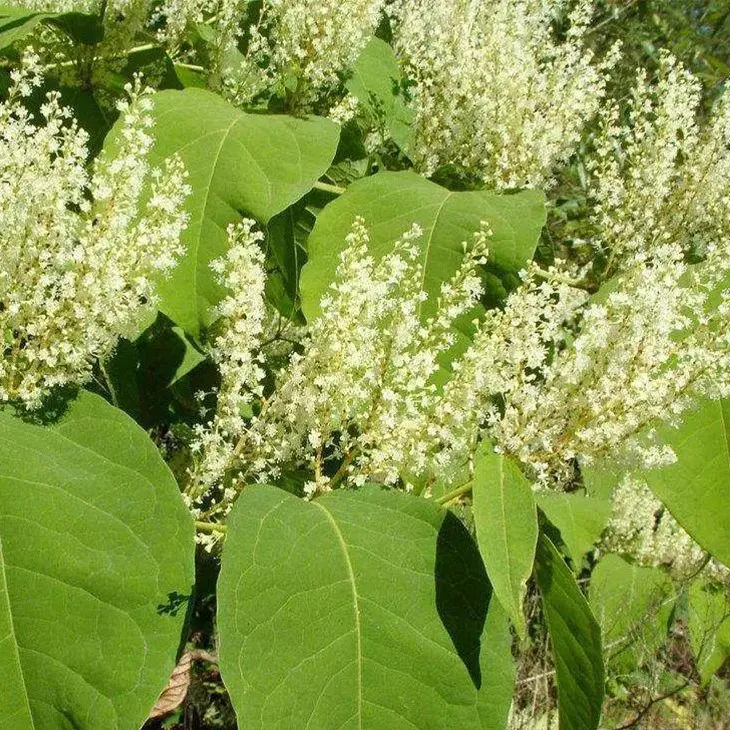
Also confirm the raw material origin. High-quality resveratrol is typically derived from Polygonum cuspidatum (giant knotweed), which is naturally rich in resveratrol, antioxidants, and multivitamins. This botanical source aligns with the growing consumer preference for plant-derived, clean-label ingredients and fits naturally into the nutraceutical and food ingredient supply chain.
Verify certifications and regulatory compliance
Certifications are the first line of evidence that a manufacturer takes quality seriously. For resveratrol used in supplements and functional foods, look for recognized food-safety and quality systems such as ISO22000, ISO9001, HACCP, and GMP compliance. If you plan to export globally, additional credentials like BRCGS, HALAL, Kosher, and organic certification expand your market access considerably.
A reliable resveratrol manufacturer should be willing to share its certifications, audit reports, and export documentation with you. Export registration proves that the facility is qualified to supply markets outside its home country, which is essential if you operate in regions such as Europe, the United States, or South Korea.
Inspect the production facility and quality-control laboratory
You are buying more than a powder — you are buying a manufacturing process. A credible supplier maintains a clean production area that meets food-grade requirements and operates its own in-house laboratory equipped with instruments such as GC, HPLC, and UV for routine testing. The ability to test every batch on-site, rather than outsourcing all analysis, is a strong indicator of manufacturing discipline.
Modernized equipment also matters. Attention to extraction tanks, concentration systems, spray-drying, and vacuum-drying capability means the supplier can preserve actives and maintain consistency across large volumes. When you tour or audit a facility, observe whether quality checks are integrated into the production line rather than bolted on at the end.
Assess production capacity and supply-chain stability
For a private-label brand, an interruption in raw material supply means a stalled product launch and disappointed customers. Choose a resveratrol manufacturer with stable, scalable capacity and vertically integrated operations. Vertical integration — where research, cultivation of raw materials, extraction, and quality control happen within one organization — gives you more control over consistency, lead times, and traceability.
Enquire about monthly production capacity, minimum order quantities, and lead times before you commit. A manufacturer with multiple subsidiaries and large-scale extraction capabilities can grow with you as your brand expands from regional launch to international distribution.
Evaluate experience and private-label support
Experience counts. A resveratrol manufacturer with decades of history has refined its sourcing, processing, and quality protocols over thousands of batches. Inquire about how many years the company has been producing plant extracts, whether it serves overseas clients, and whether it can provide the technical and regulatory documents your market requires for label claims and customs clearance.
Private-label support goes beyond raw powder. Good suppliers assist with documentation, batch variations, and samples for stability testing. Ask whether they provide reference samples, custom packaging formats, and responsive export support — practical details that determine how smoothly your launch runs.
Where to look for a dependable partner
When screening candidates, prioritize a resveratrol manufacturer with a proven export track record rather than an unverified trader. A factory-backed supplier who controls its own production gives you far greater peace of mind for consumer safety and regulatory compliance.
For those evaluating resveratrol bulk powder suppliers, look specifically at how openly the company shares COAs, certifications, and production details. Transparency during the quotation stage is usually a reliable preview of the transparency you can expect during long-term cooperation.
Why Greensky Biological stands out
Hangzhou Greensky Biological Tech Co., Ltd. is a professional plant extract manufacturer founded in 2004, with more than 20 years of experience identifying, researching, and producing active botanical ingredients. As a China resveratrol factory, Greensky integrates research, production, and sales within a vertically structured group and operates several wholly-owned subsidiaries, including plant extract production bases and a dedicated extraction facility.
Greensky maintains a clean production area that meets food-grade requirements and an independent laboratory equipped with GC, HPLC, and UV instrumentation. Its certifications include ISO22000, BRCGS, Ecocert Organic, SGS-GMP, ISO9001, HALAL, and Kosher. In 2023, the company recorded export value of nearly 30 million USD, with major markets in Europe, the United States, South Korea, and Russia — evidence of its reliability for international private-label brands.
Final checklist for your decision
Confirm the assay and botanical source. Verify COA and HPLC results before sampling.
Check certifications. ISO22000, ISO9001, GMP, plus export credentials if going global.
Audit production and QC. Prefer suppliers with in-house labs and food-grade clean production.
Validate capacity. Align MOQ, lead times, and scale with your growth plan.
Assess experience. Favor manufacturers with decades of plant-extract expertise and overseas clients.
Choosing a resveratrol manufacturer is a strategic partnership that shapes the quality of your private-label products. By prioritizing certified manufacturing, transparent documentation, and proven export experience, you can select a partner who protects your brand and supports your growth.
If you are comparing suppliers for your next resveratrol launch, contact Greensky Biological to request a COA, samples, and a tailored quote. With more than two decades of plant-extract manufacturing and strong international export experience, Greensky is ready to help your private-label brand succeed.
TAGS:
- ▶ Hesperidin
- ▶ Citrus Bioflavonoids
- ▶ Plant Extract
- ▶ lycopene
- ▶ Diosmin
- ▶ Grape seed extract
- ▶ Sea buckthorn Juice Powder
- ▶ Fruit Juice Powder
- ▶ Hops Extract
- ▶ Artichoke Extract
- ▶ Mushroom extract
- ▶ Astaxanthin
- ▶ Green Tea Extract
- ▶ Curcumin
- ▶ Horse Chestnut Extract
- ▶ Other Product
- ▶ Boswellia Serrata Extract
- ▶ Resveratrol
- ▶ Marigold Extract
- ▶ Grape Leaf Extract
- ▶ New Product
- ▶ Aminolevulinic acid
- ▶ Cranberry Extract
- ▶ Red Yeast Rice
- ▶ Red Wine Extract
- ▶ blog
-
Buckthorn bark extract
2026-08-19
-
Resveratrol
2026-08-19
-
Curcumin
2026-08-19
-
Ivy Extract
2026-08-19
-
Beetroot Powder
2026-08-19
-
Cat Claw Extract
2026-08-19
-
Pomegranate Extract
2026-08-19
-
Lion's Mane Mushroom Extract
2026-08-19
-
Soy Extract
2026-08-19
-
Tongkat Ali Extract Powder
2026-08-19
