- 0086-571-85302990
- [email protected]






How do I choose a reliable elderberry extract supplier?
2026-08-17
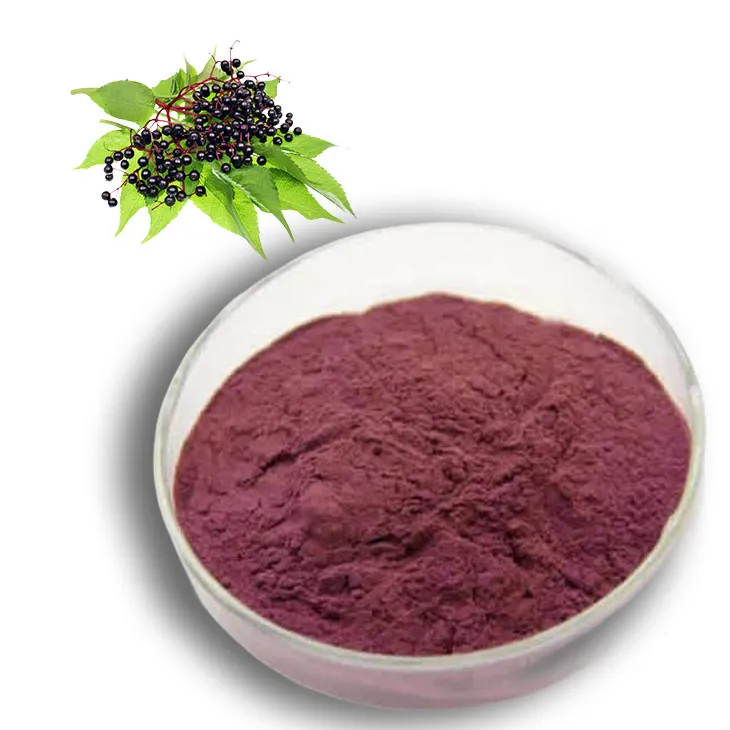
Elderberry Extract has become one of the most requested ingredients in immune-support supplements, and the number of companies offering it has grown just as fast. For a brand owner, formulator, or procurement manager, that choice is not a simple one. The difference between a dependable partner and a risky one rarely shows up in the price list. It shows up later, in inconsistent batches, failed compliance audits, or a shipment that does not match the certificate that came with it. So how do you choose a reliable elderberry extract supplier? This guide walks through the practical checks that separate trustworthy plant extract manufacturers from the rest.
Start with the basics: know exactly what you are buying
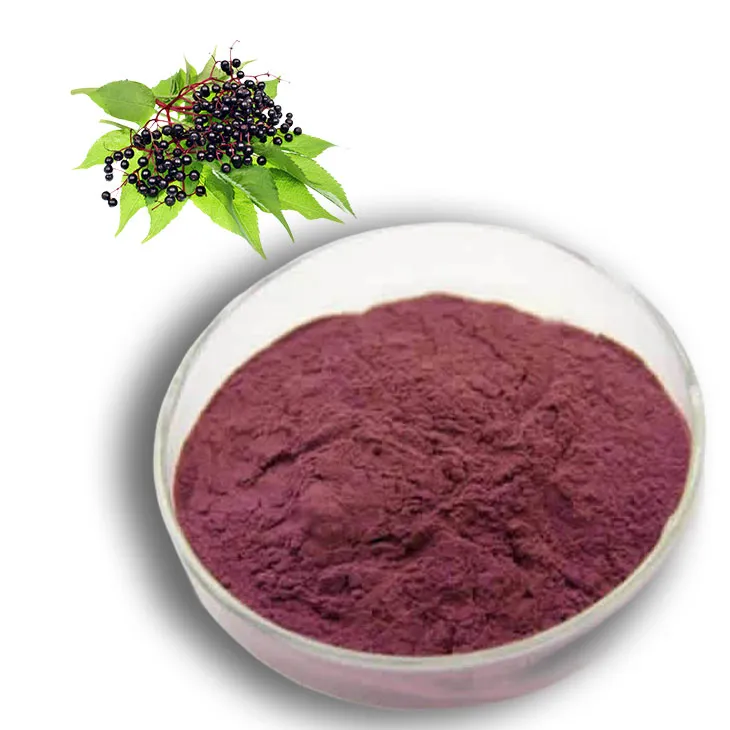
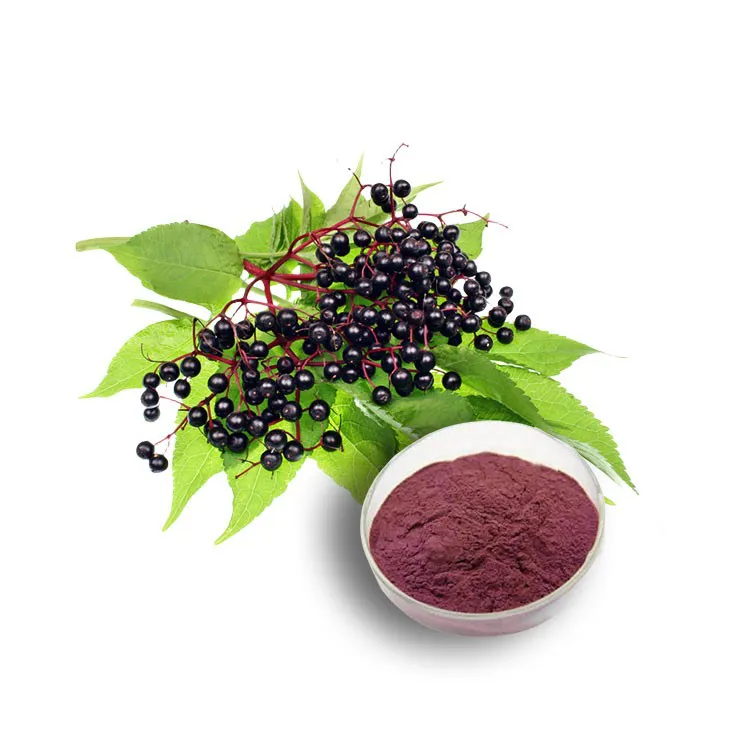
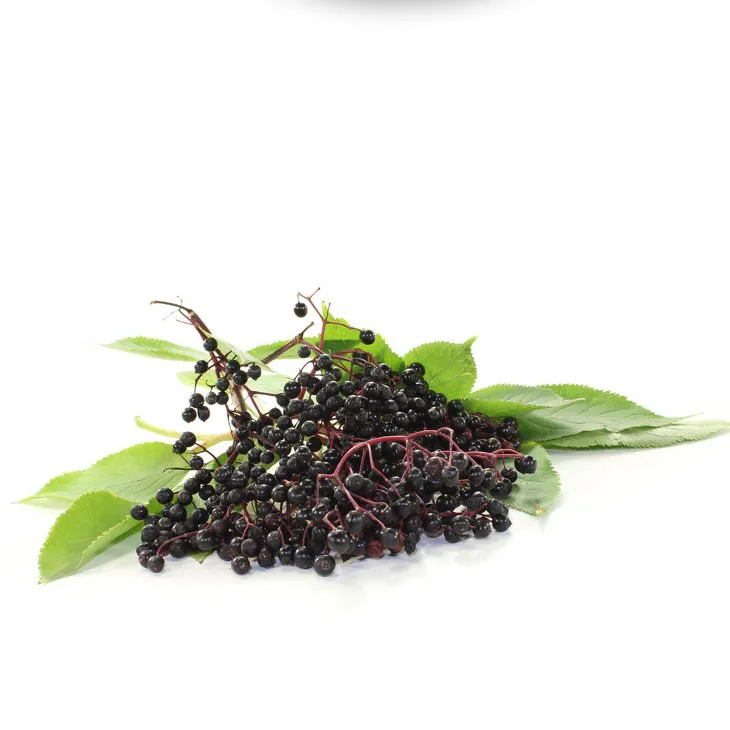
Elderberry Extract is not one uniform product. It can be sold as whole-fruit powder, juice powder, a ratio extract, or a standardized extract, and these formats are not interchangeable. Before you compare suppliers, define what your formulation actually needs: the botanical source (Sambucus nigra L.), the plant part (the ripe fruit), the extract format, and the marker you want standardized. For most supplement applications, the key marker is total anthocyanins, measured by HPLC. A supplier that can explain its specification in concrete terms, rather than relying on phrases like "high potency" or "premium grade," is already showing the kind of professionalism you want to work with.
Check certifications, then read them carefully
Certifications are a useful first filter. Look for ISO 22000, BRCGS, GMP, HALAL, Kosher, and organic certification where your market requires it. But a certificate that hangs on a wall is not the same as a certificate that covers the product you are buying. Ask which certification applies to the specific production line and the specific grade you are sourcing, and whether the supplier can provide the export documentation your destination market needs. A reliable supplier will answer these questions openly instead of waving a generic brochure.
Ask for the specification and the batch COA
The Certificate of Analysis (COA) is the single most useful document when you are evaluating a supplier. It should state the batch number, the specification limits, and the actual test results for that specific batch. For Elderberry Extract, the items that matter include total anthocyanins (HPLC), moisture, heavy metals such as lead, arsenic, mercury, and cadmium, microbiological counts, and pesticide residues. A generic template COA with no batch identity is a red flag, not a reassurance. Ask for a representative batch COA, and if the volume justifies it, have an independent laboratory verify your first shipment.
Look behind the lab report: production and testing capability
The most reliable indicator of a supplier is its own production and testing infrastructure. A manufacturer with an in-house laboratory equipped with HPLC, GC, and UV instruments can control quality at every step, from raw material intake to the finished powder that reaches your door. The production environment matters too. An ingredient that goes into food and supplements should come from a clean production area that meets food-grade requirements. And capacity matters: can the supplier scale with you as your orders grow, or will you be competing for output every season?
Experience and track record count
Elderberry extract is not a commodity you want a supplier to learn on the job. Berry quality varies with season and origin, and a company with years of botanical extraction experience is far better equipped to manage that variation without disrupting your supply. Look for a manufacturer with a long operating history, a stable team, and real export experience in your region. As an example of what to look for, Hangzhou Greensky Biological Tech. Co., Ltd. has been producing natural plant extracts since 2004, operates a 100,000-class clean production area, and runs an independent laboratory with GC, HPLC, and UV instruments. That combination of history, clean production, and in-house testing is exactly the profile a buyer should be looking for.
Test the service before you commit to a large order
A supplier's true reliability shows up in the small interactions before the big order. Do they respond quickly and clearly? Do they provide samples without hesitation? Are they willing to send technical documents and answer detailed questions about their process? A good plant extract supplier will help you define the right specification for your product rather than pushing whatever they happen to have in stock. Remember that the cheapest price per kilogram is not always the lowest total cost. Once you factor in inclusion rates, testing burden, packaging, lead time, and logistics, the "cheap" option can easily become the expensive one.
Red flags to avoid
Some warning signs should end the conversation quickly. Vague specifications with no measurable basis, COAs that are generic templates with no batch data, an unwillingness to provide samples or technical documents, no clear certifications or export documentation, prices that are suspiciously below the market, and no in-house testing capability are all reasons to keep looking. A supplier that cannot show you how it controls quality is telling you everything you need to know.
A practical checklist for your next supplier audit
When you sit down to evaluate an elderberry extract supplier, work through this checklist:
Define the specification first: botanical source, plant part, extract format, and target marker such as total anthocyanins by HPLC. Confirm the certifications and make sure they cover the product and market you are buying for. Request a batch-specific COA and verify the key parameters, including heavy metals and microbiology. Ask about in-house testing equipment and the production environment. Check the company's history, export experience, and references. Order a sample and evaluate it in your own formulation. Compare total commercial value, not just price per kilogram.
Conclusion
Choosing a reliable elderberry extract supplier comes down to a few fundamentals: clear specifications, verifiable testing, real certifications, solid production capability, and honest communication. Take the time to qualify your supplier properly, check the documents, test the samples, and build a relationship with a manufacturer who can grow with you. When a company passes these checks, you have found more than a vendor, you have found a partner you can rely on.
TAGS:
- ▶ Hesperidin
- ▶ Citrus Bioflavonoids
- ▶ Plant Extract
- ▶ lycopene
- ▶ Diosmin
- ▶ Grape seed extract
- ▶ Sea buckthorn Juice Powder
- ▶ Fruit Juice Powder
- ▶ Hops Extract
- ▶ Artichoke Extract
- ▶ Mushroom extract
- ▶ Astaxanthin
- ▶ Green Tea Extract
- ▶ Curcumin
- ▶ Horse Chestnut Extract
- ▶ Other Product
- ▶ Boswellia Serrata Extract
- ▶ Resveratrol
- ▶ Marigold Extract
- ▶ Grape Leaf Extract
- ▶ New Product
- ▶ Aminolevulinic acid
- ▶ Cranberry Extract
- ▶ Red Yeast Rice
- ▶ Red Wine Extract
- ▶ blog
-
Tongkat Ali Extract
2026-08-17
-
Baicalin
2026-08-17
-
Lotus leaf extract
2026-08-17
-
Clove Powder
2026-08-17
-
Wheat Germ Extract
2026-08-17
-
Mango flavored powder
2026-08-17
-
Yellow Pine Extract
2026-08-17
-
Withania Somnifera Extract
2026-08-17
-
Polygonum multiflorum extract
2026-08-17
-
Centella Asiatica Extract
2026-08-17
