- 0086-571-85302990
- [email protected]





How do I buy rosemary extract that meets food-grade standards?
2026-08-14
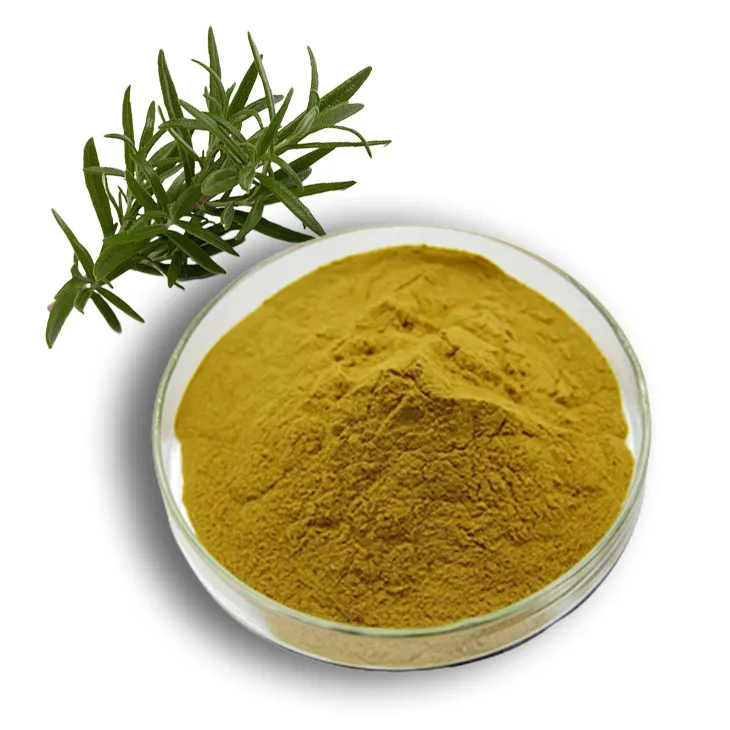
Rosemary extract has become one of the most widely used natural ingredients in the food industry, prized for its ability to keep fats and oils from turning rancid. But buying it is not as simple as ordering a bag of dried herb. If your product is destined for human consumption, the extract you purchase must meet food-grade standards, and those standards are stricter than many first-time buyers expect. This guide walks through exactly what food-grade Rosemary extract is, which specifications matter, and how to choose a supplier you can trust.
What does "food grade" actually mean for Rosemary extract?
Food grade is not a marketing label; it is a legal and technical distinction. A food-grade rosemary extract is produced, processed, and controlled under conditions that make it safe to use as an ingredient in food, beverages, and dietary supplements. That means the raw material comes from clean, traceable rosemary leaves, the extraction process uses permitted solvents, and the finished powder or liquid is tested for purity, contaminants, and microbiological safety.
In different markets, food-grade rosemary extract is defined by formal standards. In the European union it is authorised as the food additive E392, with defined purity criteria and category-specific use levels. In China, the national standard GB 1886.172 covers rosemary extract as a food additive. In the United States, rosemary extract is generally recognised as safe for use in food. A supplier who understands these frameworks can provide the right documentation for whichever market you sell into.
The active compounds that define quality
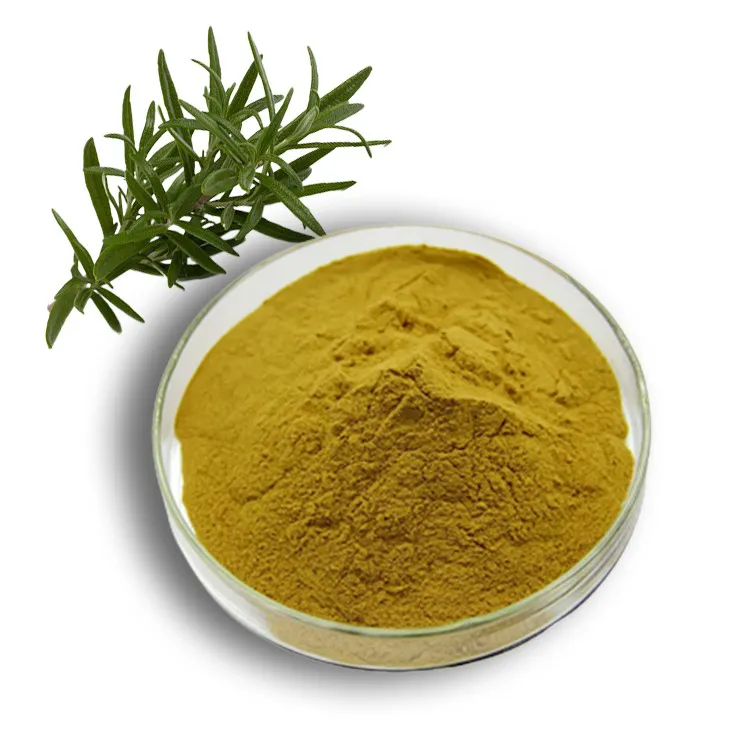
The antioxidant power of rosemary extract comes mainly from two phenolic compounds: carnosic acid and carnosol. Carnosic acid is the most abundant and the most potent, which is why it is the headline number on almost every specification sheet. Carnosol forms as carnosic acid degrades during processing and storage, so the two are often reported together as total diterpenes.
When you buy food-grade rosemary extract, you are not buying "rosemary" as such; you are buying a standardized concentration of these active compounds. That is why buyers specify a minimum carnosic acid percentage, for example 5%, 10%, or 20%, and why the number must be verified on the certificate of analysis rather than taken on trust. A water-soluble grade also carries rosmarinic acid, a phenolic acid that contributes antioxidant activity in water-based systems.
Choose the right form for your application
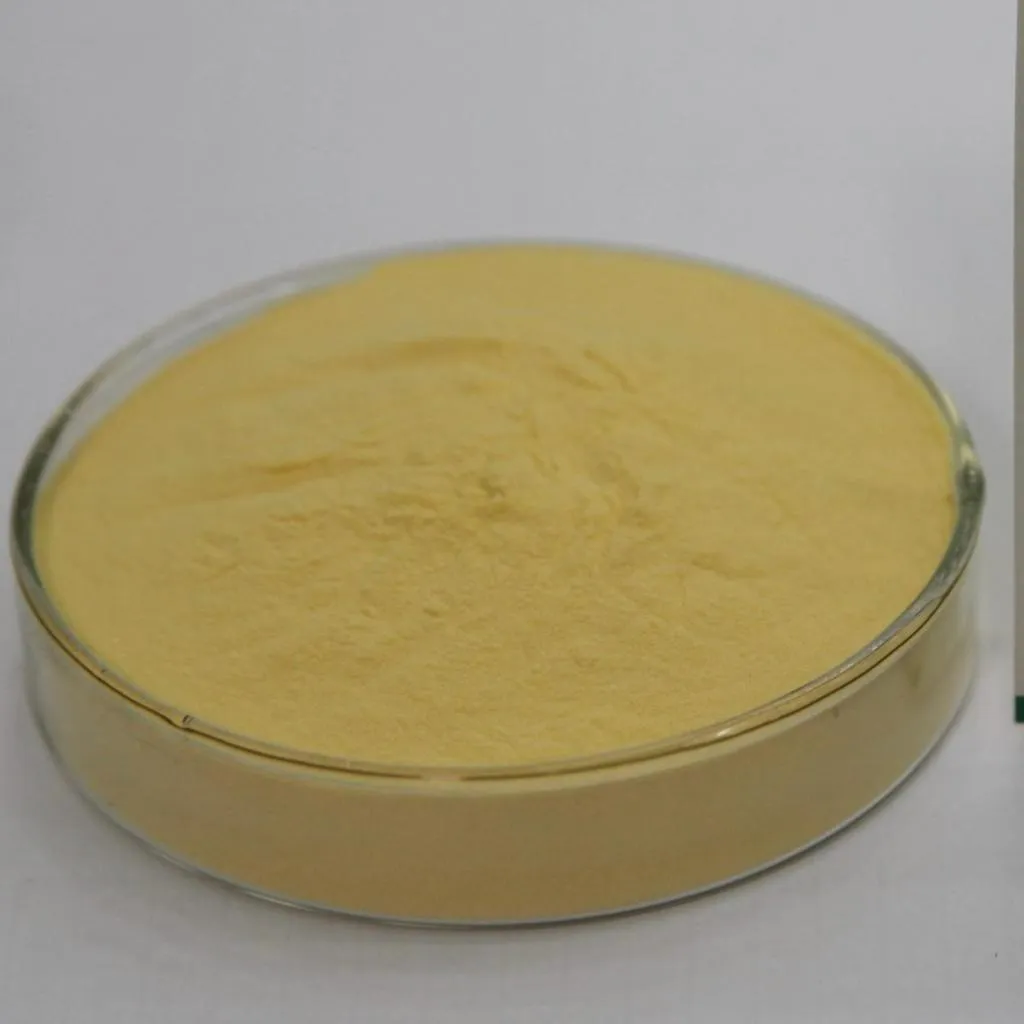
One of the most common mistakes in buying rosemary extract is ordering the wrong form. The active diterpenes are fat-loving, so the native extract suits oils, but much of the food industry works with water-based or dry products. Suppliers typically offer three main forms: oil-soluble extract in an edible oil carrier for frying oils, margarine, and fish oil; water-dispersible extract for processed meat, sauces, and beverages; and spray-dried powder on a carrier such as maltodextrin for seasonings, dry mixes, and dry pet food.
There are also deodorised and decolourised grades that strip the herbal aroma and dark green-brown colour, so the antioxidant works invisibly in neutral applications. Whatever form you choose, fix the carnosic acid specification and the carrier identity on the purchase order, then verify both on the batch certificate of analysis.
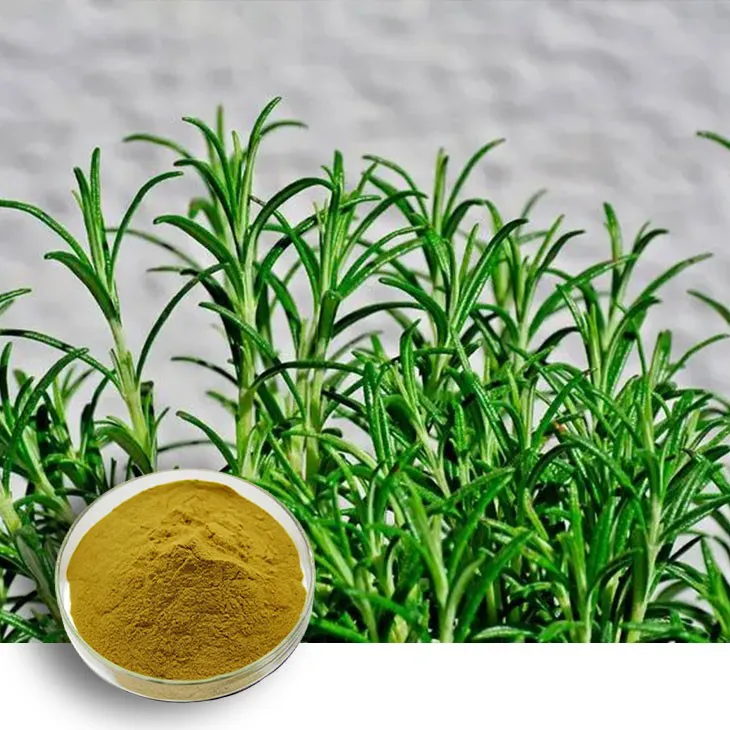
Check the supplier's food-grade credentials
The supplier's production environment is where food safety is won or lost. A credible manufacturer of food-grade rosemary extract should operate a clean production area that meets food-grade requirements, maintain an independent laboratory for in-house testing, and hold recognised quality certifications. Certifications such as ISO22000, BRCGS, ISO9001, HALAL, and Kosher are strong signals because they are audited by independent bodies and cover everything from raw material control to finished product testing.
Greensky, a plant extract manufacturer founded in 2004 with more than twenty years of experience, is a good example of what to look for. The company produces edible rosemary extract in a 100,000-class clean production area, backed by an independent laboratory equipped with GC, HPLC, and UV instruments. Its certifications include ISO22000, BRCGS, Ecocert Organic Standard, SGS-GMP, ISO9001, HALAL, and Kosher, and it holds export food production enterprise registration for international markets.
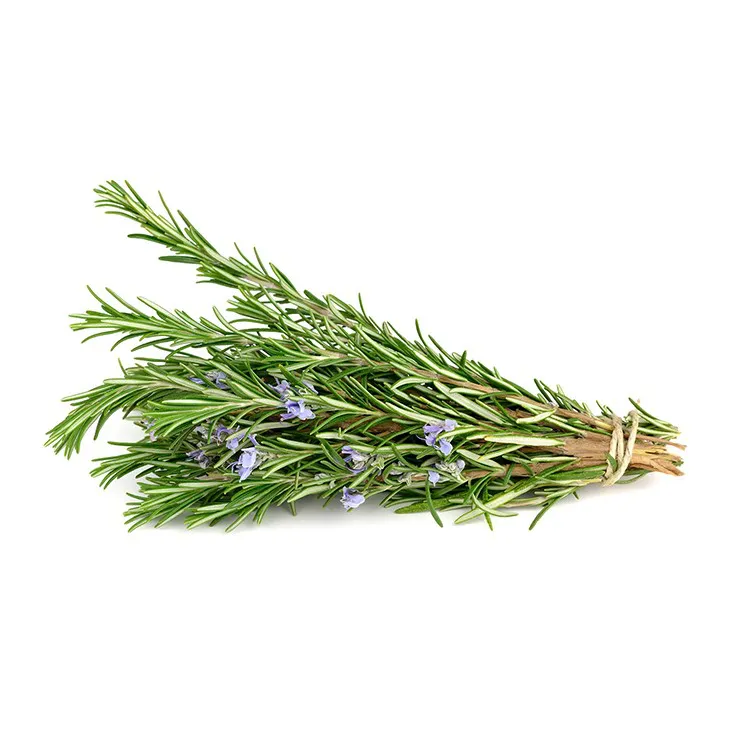
Ask for the right documents before you buy
A serious supplier provides a full document pack for every batch. The most important item is a batch-specific certificate of analysis tied to the lot number you are buying. For food-grade rosemary extract, the COA should state the carnosic acid content, the carrier or form, residual solvent levels, heavy metals such as lead, arsenic, cadmium, and mercury, and microbiological results including total plate count, yeast and mould, and absence of pathogens.
Depending on your destination market, you may also need pesticide residue data and regulatory or trade documents. A manufacturer with export registration and experience submitting documentation for global regulatory reviews can make this part far less painful, because the paperwork is already in place rather than assembled from scratch for your order.
Test samples before you commit to a large order
No specification sheet replaces your own verification. Request a sample from any rosemary extract supplier you are considering, then check the sample against the claimed carnosic acid content, run it in your own application to confirm it performs as expected, and have it tested by an independent laboratory if your quality team requires it. A reputable manufacturer will not hesitate to send samples and answer technical questions, because they are confident in what they produce.
Compare on value, not just price per kilogram
Food-grade rosemary extract is priced by grade, and a higher carnosic acid content costs more per kilogram but is dosed at a lower rate. Comparing suppliers on headline price alone can be misleading. The more useful comparison is cost per unit of active carnosic acid, together with the quality of the documentation and the reliability of supply. A slightly higher price from a manufacturer with strong certifications and consistent quality is usually the better buy than a bargain that fails your audit.
Final thoughts
Buying food-grade rosemary extract comes down to a few clear steps: understand the standards that apply to your market, specify the carnosic acid content and form you need, verify the supplier's production credentials, demand batch-specific documentation, and test samples before committing. Each step protects your product and your brand.
If you are sourcing for a new formulation or an existing product line, working with an experienced rosemary extract manufacturer such as Greensky can save you time and risk. With food-grade production facilities, independent testing, and documentation ready for global markets, Greensky is equipped to supply rosemary extract that meets the standards your customers expect.
- ▶ Hesperidin
- ▶ Citrus Bioflavonoids
- ▶ Plant Extract
- ▶ lycopene
- ▶ Diosmin
- ▶ Grape seed extract
- ▶ Sea buckthorn Juice Powder
- ▶ Fruit Juice Powder
- ▶ Hops Extract
- ▶ Artichoke Extract
- ▶ Mushroom extract
- ▶ Astaxanthin
- ▶ Green Tea Extract
- ▶ Curcumin
- ▶ Horse Chestnut Extract
- ▶ Other Product
- ▶ Boswellia Serrata Extract
- ▶ Resveratrol
- ▶ Marigold Extract
- ▶ Grape Leaf Extract
- ▶ New Product
- ▶ Aminolevulinic acid
- ▶ Cranberry Extract
- ▶ Red Yeast Rice
- ▶ Red Wine Extract
- ▶ blog
-
Coconut Water Powder
2026-08-14
-
Grape Seed Extract
2026-08-14
-
Agaricus Blazei Extract
2026-08-14
-
Pueraria Lobata Extract
2026-08-14
-
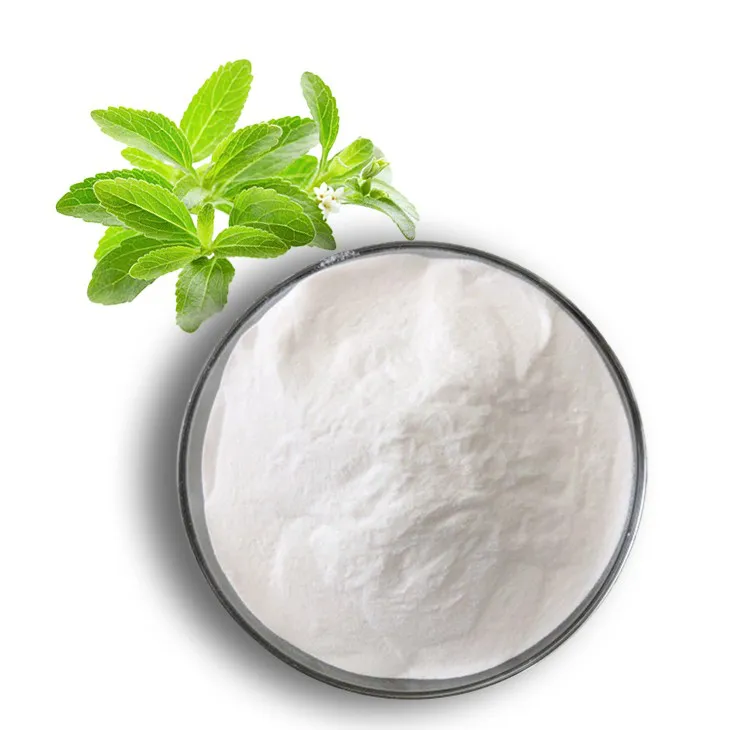
Stevia Extract
2026-08-14
-
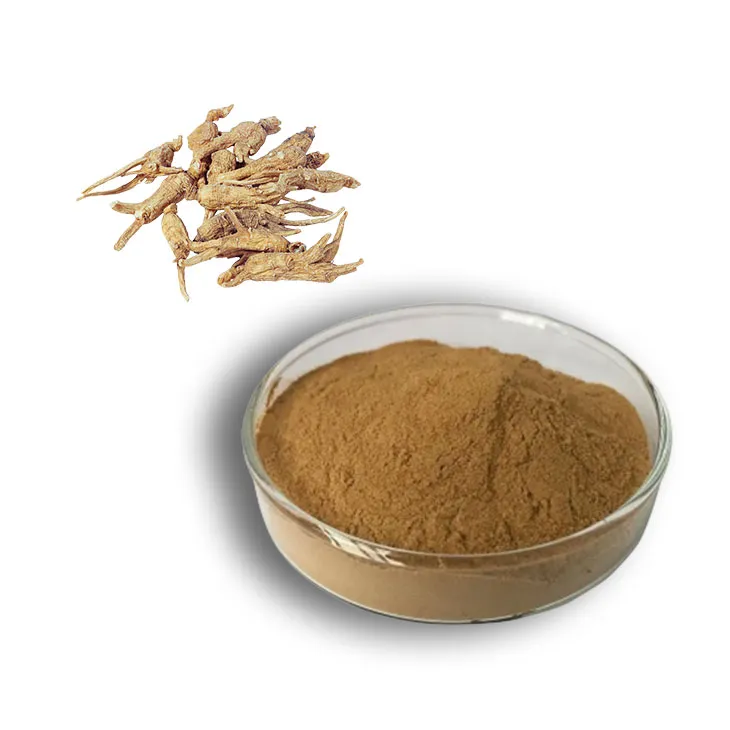
Angelica sinensis extract
2026-08-14
-
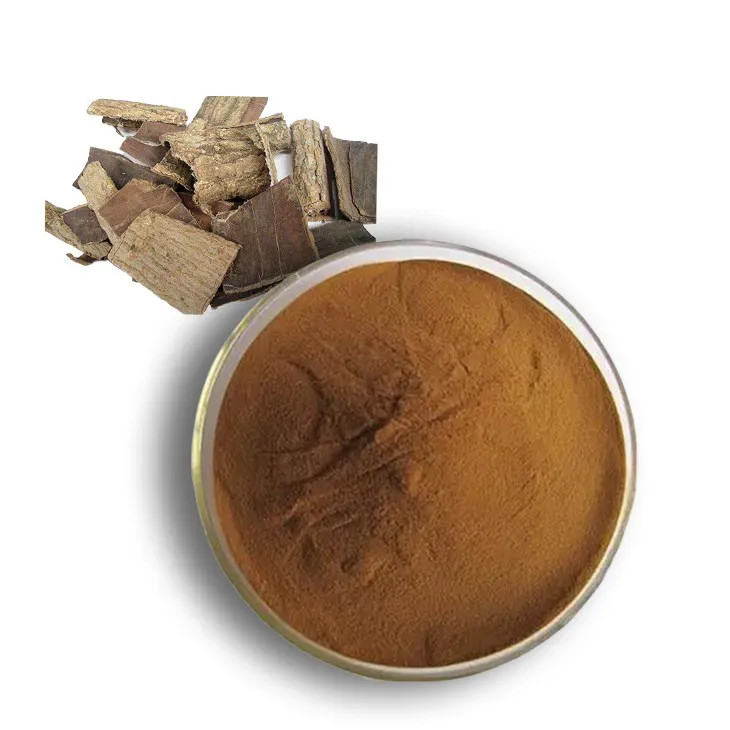
Eucommia Ulmoides Extract
2026-08-14
-
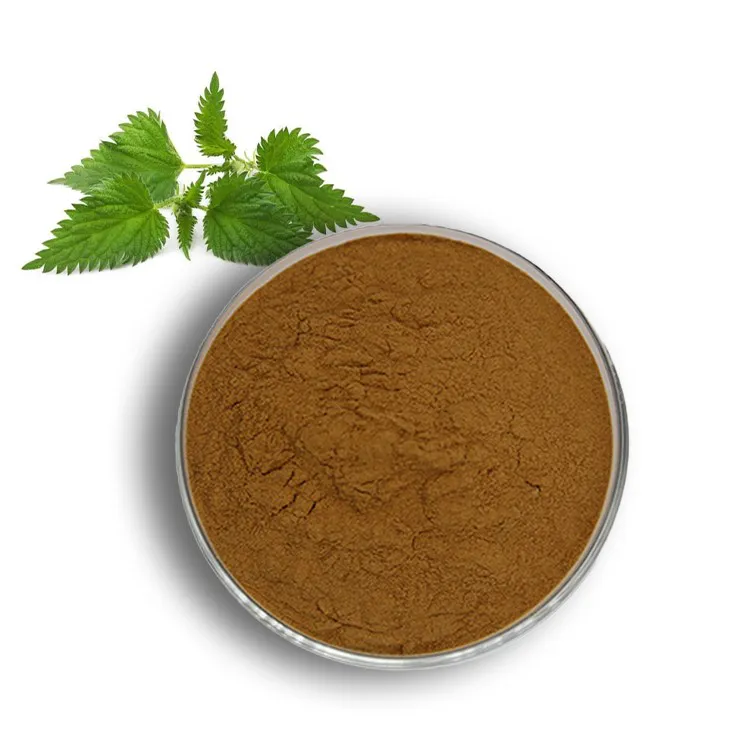
Nettle Root Extract
2026-08-14
-
Yohimbine Bark Extract
2026-08-14
-
White Peony Extract
2026-08-14