We have five factories and 23 years of experience in plant extracts
- 0086-571-85302990
- [email protected]




How can I include foods highest in quercetin in my diet?
2026-08-14
Related Product
Quercetin
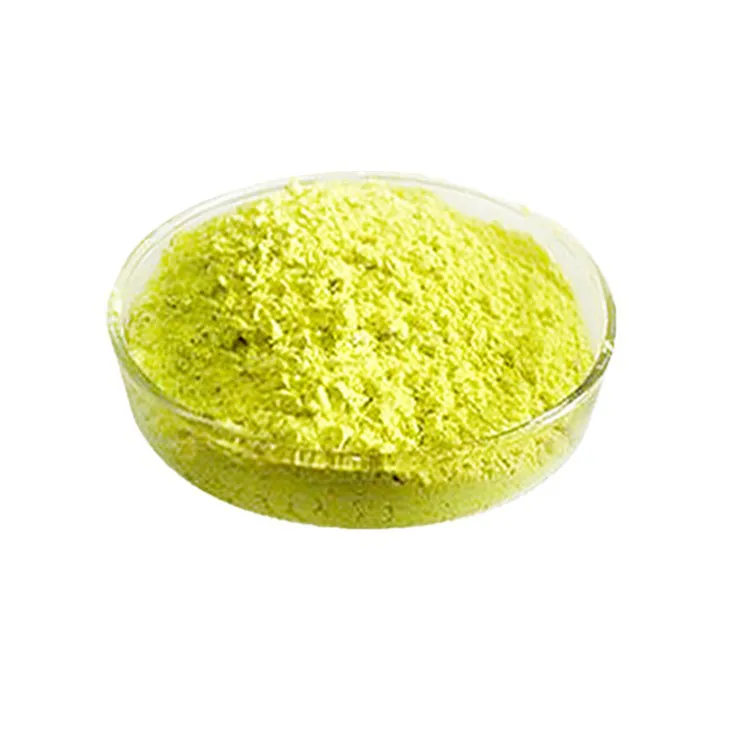
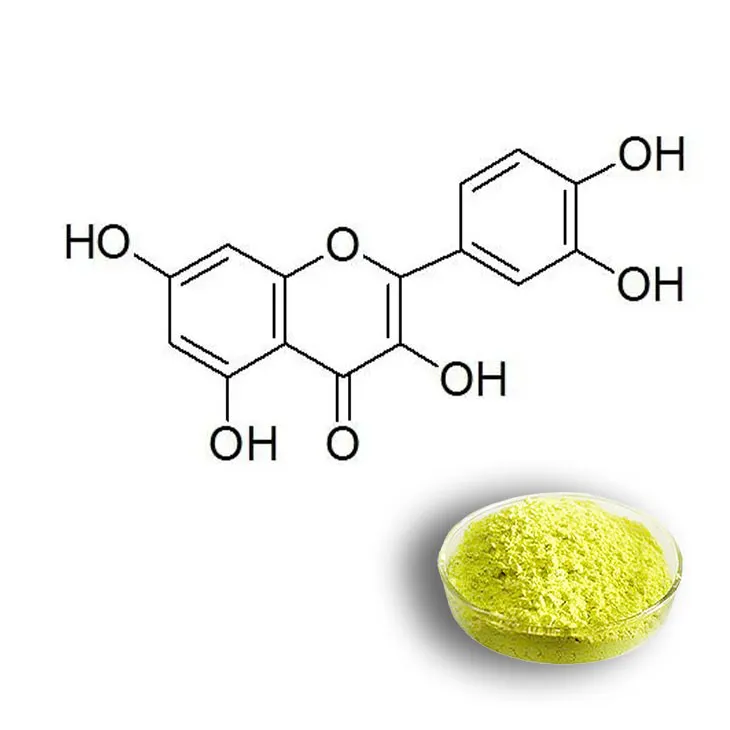
We are the leading quercetin manufacturer and also the leading supplier and exporter of quercetin. We specialize in providing natural and organic quercetin to meet your needs.
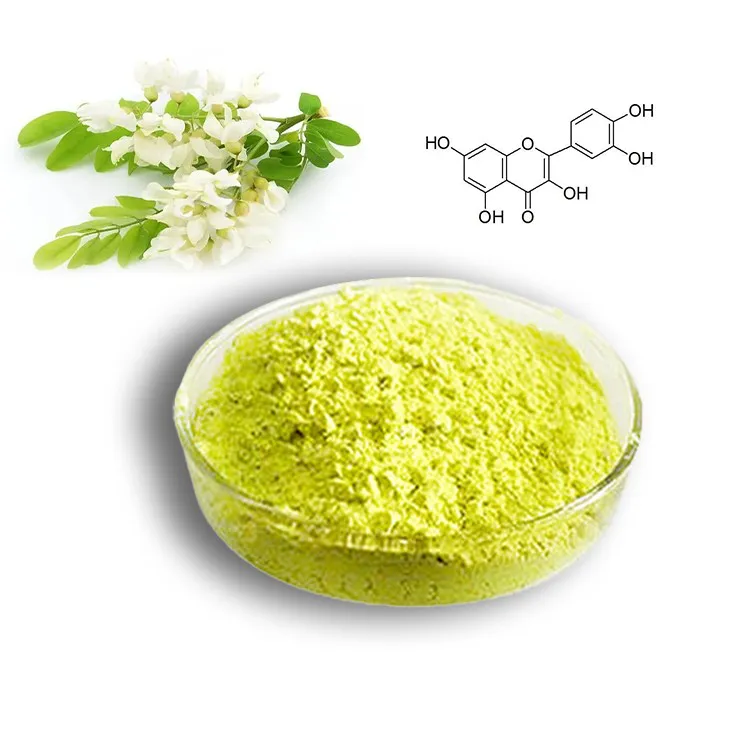
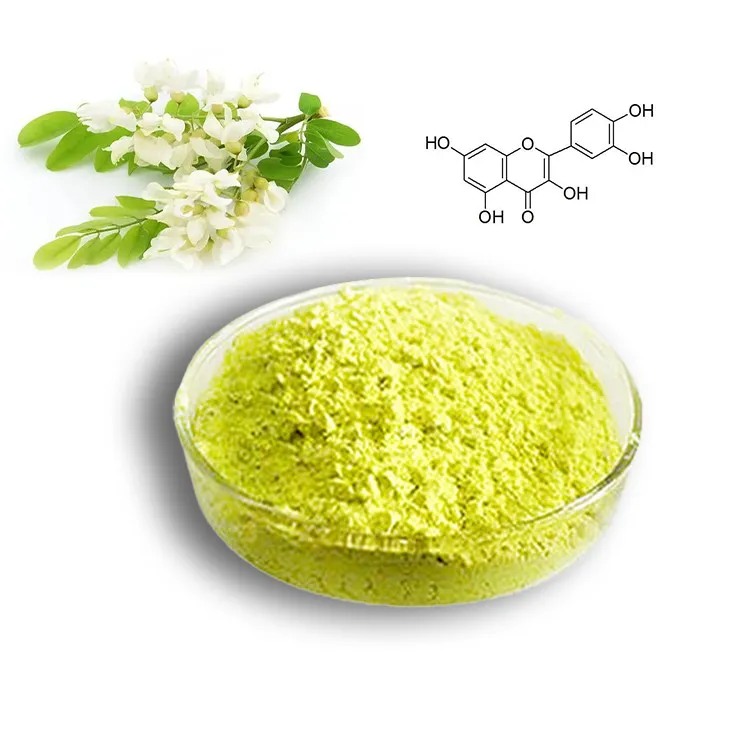
Quercetin is a natural flavonoid found in many fruits, vegetables, herbs and teas, and it works in the body as a gentle antioxidant. Adding the foods highest in Quercetin to your daily menu is one of the simplest, most pleasant ways to raise your intake. The good news is that you do not need anything exotic or expensive — most of the best sources are everyday ingredients you can find in any kitchen.
This guide walks you through what Quercetin actually is, which foods pack the most of it, and a few practical tricks to help you absorb more of it. If you formulate or supply supplements and functional foods, we also look at why the quality of the raw material matters when you build a product around this well-studied compound.
What is quercetin and why does it matter?
Quercetin is a plant pigment that plants produce to help them cope with sunlight, pests and environmental stress. When you eat those plants, you naturally take in a little quercetin as part of your normal diet. It belongs to a group of compounds called flavonoids, which are part of the larger polyphenol family best known for their antioxidant activity.
In the body, quercetin helps neutralize free radicals — the unstable molecules that can damage cells over time. Ongoing research also points to a role in supporting a balanced inflammatory response, immune function during physical stress, and pathways linked to cellular aging. None of this is a promise or a cure, but it helps explain why quercetin-rich foods keep showing up in discussions about general health and aging well.
Where quercetin lives in food
Quercetin is most concentrated in the parts of plants that face the outside world — the skins, peels and outer leaves. This is why whole fruits and vegetables matter far more than peeled or heavily processed versions. A few factors also influence how much quercetin a food carries:
- Color. Red, purple and dark green plants generally contain more flavonoids than pale ones.
- Sun exposure. Plants that get more light tend to produce more quercetin.
- Preparation. Peeling, boiling or long cooking can noticeably lower the amount that reaches your plate.
Vegetables highest in quercetin
If you want to move the needle with vegetables, these are the ones to reach for most often:
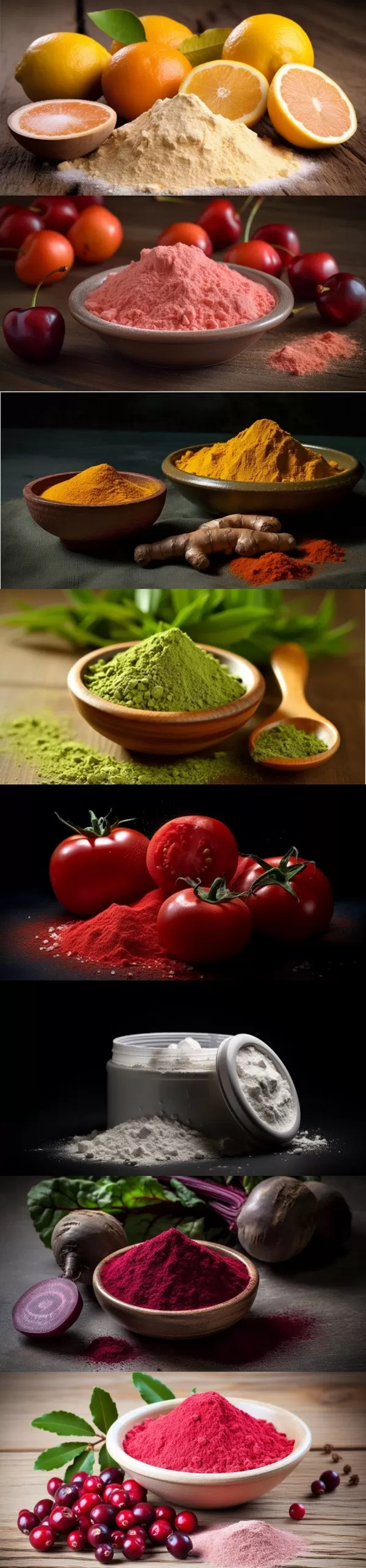
- Red onions. One of the best everyday sources. The quercetin sits in the outer layers, so light cooking or eating them raw keeps more of it.
- Shallots. Closely related to onions, with a very similar flavonoid profile.
- Kale and other leafy greens. They offer quercetin alongside fiber and vitamins A and C, and they are easy to eat in generous portions.
- Broccoli. A modest but steady contributor that most people already eat regularly.
- Cherry tomatoes. They tend to beat larger tomatoes because of their higher skin-to-flesh ratio.
- Capers. Among the highest quercetin foods by weight, though they are usually eaten in small spoonfuls.
Fruits high in quercetin
- Apples, especially with the skin. Apples are one of the most consistent fruit sources, and most of the quercetin sits in the peel.
- Dark grapes. Red and purple grapes contain more quercetin than green varieties, thanks to the pigment in the skin.
- Berries. Cranberries tend to come out higher, while blueberries offer respectable amounts in larger servings.
Herbs and drinks that add up
Beyond the obvious fruit and vegetable picks, a few herbs and beverages quietly contribute throughout the day:
- Dill and parsley. Fresh herbs are concentrated by weight, and regular use adds up nicely.
- Green and black tea. Both contain quercetin naturally, which makes a daily cup an effortless source. If you source tea-flavonoid ingredients for products, a standardized green tea extract is a common way to bring those polyphenols into a supplement.
- Red wine in moderation. It carries quercetin from grape skins, but it should never be treated as a primary source.
Five simple ways to include more quercetin in your diet
You do not need a complicated meal plan. A few small habits make a real difference:
- Stop peeling so much. Keep the skin on apples, and leave the outer layers on onions and shallots.
- Pair quercetin with healthy fats. Quercetin dissolves in fat rather than water, so drizzling olive oil over a red-onion or kale salad genuinely improves absorption.
- Prefer light cooking. Lightly sautéing or steaming preserves far more quercetin than boiling, which lets it leach into the water.
- Eat some foods raw. Raw red onions and raw apples deliver the most.
- Keep variety. Rotating through different colored vegetables and fruits means your intake adds up steadily over the week.
Can you get enough quercetin from food alone?
For many people, yes. Research has reported that typical daily quercetin intake from food often lands around 6 to 18 mg, with higher levels in people who eat more plant foods. That is a meaningful baseline for most healthy adults.
That said, some people want higher or more consistent amounts than food alone tends to provide — usually when discussing immune support, cellular health or aging. Food remains the foundation, but a measured supplement or extract is a reasonable, optional addition rather than a replacement.
For formulators: sourcing quality quercetin matters
If you are a brand or formulator looking to build a quercetin product, the raw material is where quality is won or lost. Greensky, an established plant extract supplier founded in 2004, produces quercetin extract from carefully selected botanical sources. The quercetin extract is manufactured in a 100,000-class clean area and verified in an independent laboratory equipped with HPLC, GC and UV, with certification against ISO22000, BRCGS, HALAL, Kosher and more. That traceability and documentation makes it easier to meet regulatory submissions in global markets.
Final thoughts
Quercetin is a naturally occurring plant compound hiding in plain sight. Vegetables like red onions and kale, fruits like apples and berries, and everyday herbs and teas all chip in amounts that add up over time. The most effective approach is simple: eat a variety of whole plant foods, keep the skins on, and pair them with a little healthy fat.
And if you are on the manufacturing side, remember that a reliable, well-tested source of raw quercetin makes all the difference between a great label and a great product.
TAGS:
FAQ
- ▶ Hesperidin
- ▶ Citrus Bioflavonoids
- ▶ Plant Extract
- ▶ lycopene
- ▶ Diosmin
- ▶ Grape seed extract
- ▶ Sea buckthorn Juice Powder
- ▶ Fruit Juice Powder
- ▶ Hops Extract
- ▶ Artichoke Extract
- ▶ Mushroom extract
- ▶ Astaxanthin
- ▶ Green Tea Extract
- ▶ Curcumin
- ▶ Horse Chestnut Extract
- ▶ Other Product
- ▶ Boswellia Serrata Extract
- ▶ Resveratrol
- ▶ Marigold Extract
- ▶ Grape Leaf Extract
- ▶ New Product
- ▶ Aminolevulinic acid
- ▶ Cranberry Extract
- ▶ Red Yeast Rice
- ▶ Red Wine Extract
- ▶ blog
Recommended Products
-
Liposomal Berberine HCl
2026-08-14
-
Beetroot Powder
2026-08-14
-
Black Garlic Extract
2026-08-14
-
Horse Chestnut Extract
2026-08-14
-
Nettle Root Extract
2026-08-14
-
White Peony Extract
2026-08-14
-
Astaxanthin
2026-08-14
-
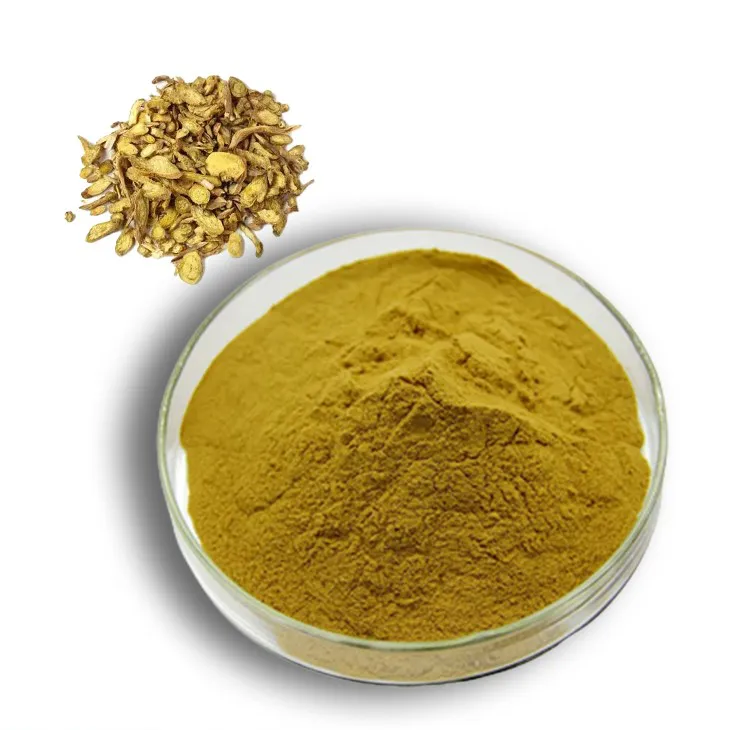
Scutellaria Extract
2026-08-14
-
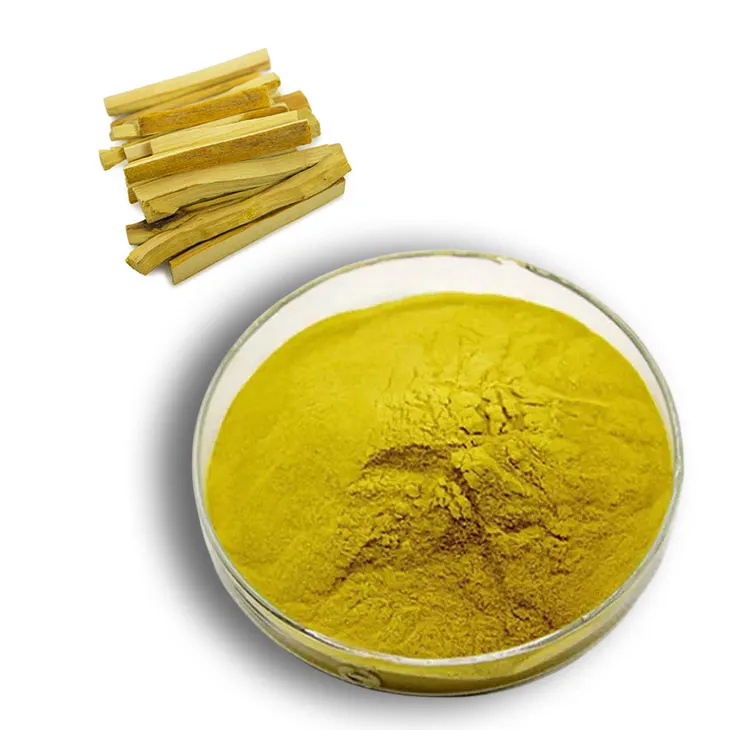
Berberis aristata Extract
2026-08-14
-
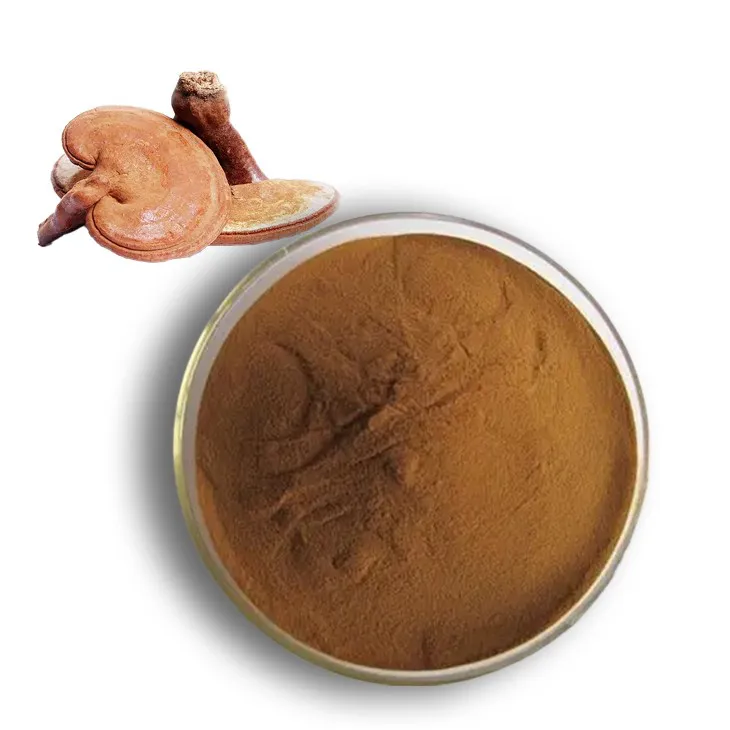
Reishi mushroom extract
2026-08-14
Get a Quote