- 0086-571-85302990
- [email protected]






Does the best red rice yeast contain any fillers or additives?
2026-08-19
If you are comparing best red yeast rice options for heart health, one of the first questions that comes up is whether the product contains fillers or additives. It is a fair question, because not every red yeast rice ingredient on the market is as clean as it claims to be. The short answer is that a genuinely high-quality red yeast rice should not need artificial fillers or additives at all, and knowing why can help you tell a premium ingredient from an over-formulated one.
Why fillers and additives find their way into red yeast rice
Red yeast rice is a traditional fermented ingredient produced by growing a selected strain of Monascus yeast on rice. The finished fermented powder is naturally rich in compounds called monacolins, the most important of which is monacolin K. When you buy red yeast rice purely as a raw material, there is no technical reason to add bulking agents, flow agents, or artificial color.
Fillers and additives are almost always introduced at a later, optional step, such as when a finished tablet or capsule is being manufactured. Common examples include calcium carbonate, microcrystalline cellulose, magnesium stearate, and silicon dioxide, which are used to help tablets hold their shape or to keep powder flowing through a filling machine. None of these make the red yeast rice itself better. They simply make a finished dosage form easier to produce.
This is an important distinction for anyone who sources ingredients for a brand or a private-label line. If a supplier hands you a bulk red yeast rice powder riddled with excipients, the concentration of the active ingredient becomes unpredictable, and every additional additive adds cost and complexity to your own quality control. A clean, well-standardized raw material is the safer and simpler foundation to build on.
What actually defines a clean red yeast rice
Rather than focusing only on the ingredient list, it helps to look at how the material is produced and what it is verified to be free of. Three factors matter most.
Standardized monacolin K content. A reliable red yeast rice carries a clearly stated range of monacolin K, because that is the compound responsible for its cholesterol-supporting properties. Working with a supplier that can document a defined range, rather than a vague figure, gives you consistency batch after batch.
Citrinin monitored or excluded. Citrinin is a naturally occurring by-product of the fermentation process that is undesirable in significant amounts. Products described as red yeast rice citrinin free have been selected and controlled so that this by-product does not become a concern, which is a meaningful safety point for downstream consumers.
Documented fermentation and traceability. Because red yeast rice is a fermented product, the strain, the process conditions, and the equipment all influence the final profile. A manufacturer that controls fermentation in-house, rather than trading unlabeled material, can guarantee a more consistent and cleaner result.
How a vertically integrated producer keeps the material clean
Greensky, a manufacturer in Hangzhou specializing in natural plant extracts and health raw materials since 2004, produces its functional red yeast rice through a dedicated subsidiary using a strict fermentation process. Its functional red yeast rice is standardized to contain monacolin K in a range from 0.2% to 5%, with citrinin controlled so the material can be supplied as citrinin-free. Operating as a vertically integrated group, Greensky controls research, development, and production under one roof, with an in-house laboratory equipped with HPLC, GC, and UV analytical instruments to verify each batch.
Because Greensky sells red yeast rice as a raw material for other companies to formulate, you receive the fermented powder without unnecessary bulking agents or artificial additives. Formulators can then decide for themselves whether there is any justification for adding additional ingredients during capsule or tablet production, based on their own target formulation rather than on what the supplier forced on them.
Questions to ask before you buy
To avoid ending up with red yeast rice that is padded out with unnecessary fillers, use these checks when evaluating a supplier.
- Ask for the monacolin K specification and the laboratory method used to determine it.
- Request the citrinin result, and confirm whether the batch is intended to be supplied citrinin-free.
- Review the full ingredient composition to see whether any excipients are present in the powder itself, which most clean raw materials should not contain.
- Ask about fermentation ownership and whether the manufacturer controls the process from strain to finished powder.
- Confirm what certifications the production facility holds, since recognized food-safety and quality systems are a strong signal of consistent output.
Many buyers look for established red yeast rice manufacturers precisely because an experienced producer is more likely to supply a standardized, documentation-backed ingredient rather than an unlabeled blend.
The bottom line
The best red yeast rice does not need to contain fillers or additives. A clean raw material should be standardized for monacolin K, monitored for citrinin, free of unnecessary excipients, and traceable back to a controlled fermentation process. Keep the ingredient list honest, and the finished product that reach consumers will reflect the quality of the starting material.
- ▶ Hesperidin
- ▶ Citrus Bioflavonoids
- ▶ Plant Extract
- ▶ lycopene
- ▶ Diosmin
- ▶ Grape seed extract
- ▶ Sea buckthorn Juice Powder
- ▶ Fruit Juice Powder
- ▶ Hops Extract
- ▶ Artichoke Extract
- ▶ Mushroom extract
- ▶ Astaxanthin
- ▶ Green Tea Extract
- ▶ Curcumin
- ▶ Horse Chestnut Extract
- ▶ Other Product
- ▶ Boswellia Serrata Extract
- ▶ Resveratrol
- ▶ Marigold Extract
- ▶ Grape Leaf Extract
- ▶ New Product
- ▶ Aminolevulinic acid
- ▶ Cranberry Extract
- ▶ Red Yeast Rice
- ▶ Red Wine Extract
- ▶ blog
-
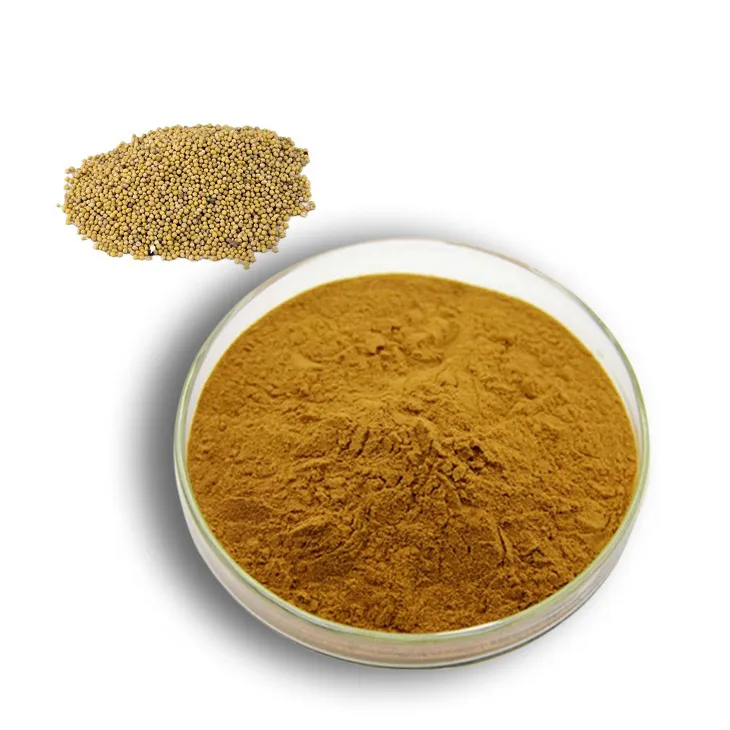
White mustard seed extract
2026-08-19
-
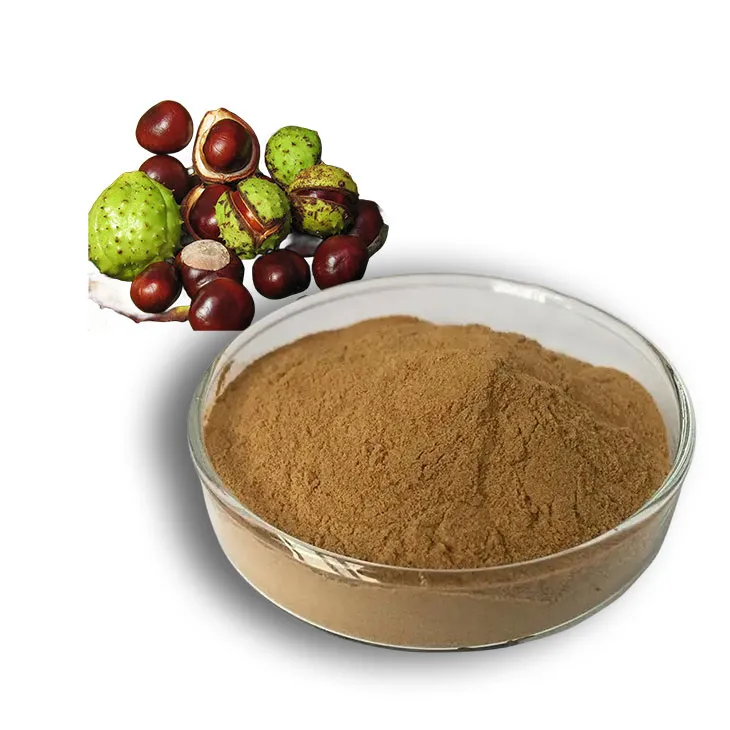
Horse Chestnut Extract
2026-08-19
-
Baobab Fruit Extract
2026-08-19
-
Dan Shen Root Extract/Salvia Root Extract
2026-08-19
-
Peppermint Extract Powder
2026-08-19
-
Chia Seed Powder
2026-08-19
-
Gynostemma pentaphyllum extract
2026-08-19
-
Liposomal Berberine HCl
2026-08-19
-
Cayenne Pepper Extract
2026-08-19
-
Liposomal NMN
2026-08-19
