- 0086-571-85302990
- [email protected]






Can rosemary leaf extract for hair promote hair growth?
2026-08-19
Can Rosemary Leaf Extract for Hair Promote Hair Growth?
Rosemary has been used in traditional herbal medicine for centuries, and in recent years it has moved from the kitchen shelf into the conversation about natural hair care. The short answer to the question is yes: a growing body of clinical research suggests that rosemary leaf extract for hair can support hair growth, with results that compare favourably to widely used pharmaceutical treatments. This article explains how it works, what the science actually shows, and how to use it for the best results.
What Is Rosemary Leaf Extract?
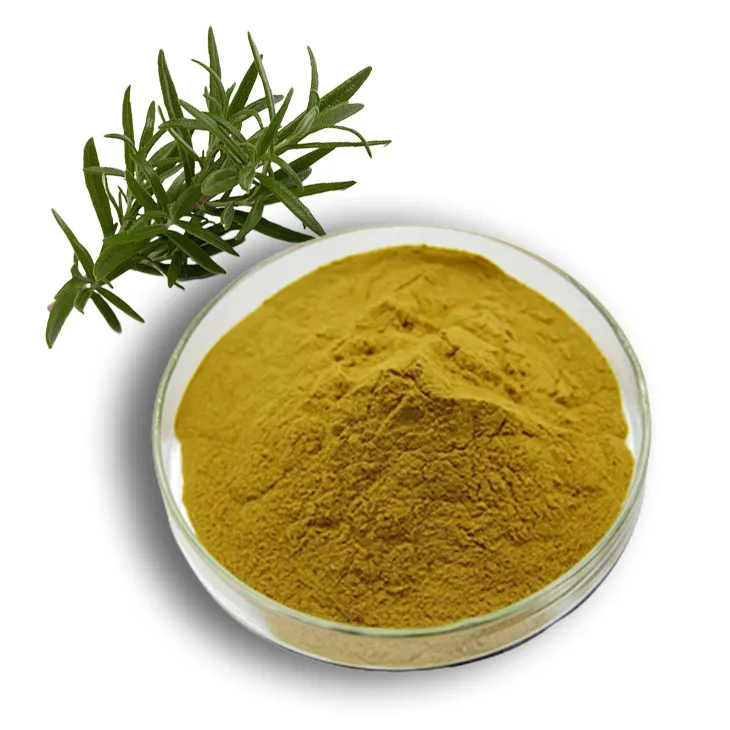
Rosemary leaf extract is a concentrated botanical ingredient obtained from the leaves of the rosemary plant (Rosmarinus officinalis). It is rich in antioxidants, essential oils and nutrients, and it is widely used in the food, beverage, health care and cosmetics industries to extend shelf life, improve taste and enhance nutritional value. The key bioactive compounds in rosemary leaves include rosmarinic acid, carnosic acid, ursolic acid and 12-methoxycarnosic acid, and it is these compounds that give the extract its hair-related benefits.
How Rosemary Leaf Extract Works for Hair Growth
Rosemary leaf extract supports hair growth through several distinct mechanisms that work together:
- Improving scalp microcirculation. The extract helps widen small blood vessels in the scalp, so more oxygen and nutrients reach the hair follicle roots, creating a better environment for growth.
- Inhibiting DHT production. A compound called 12-methoxycarnosic acid inhibits 5-alpha reductase, the enzyme that converts testosterone into dihydrotestosterone (DHT), the hormone most closely linked to pattern hair thinning in both men and women.
- Reducing scalp inflammation. Rosmarinic acid and carnosic acid help calm low-grade scalp inflammation, which is known to shorten the active growth phase of the hair cycle.
- Protecting against oxidative stress. The antioxidant activity of the extract helps shield follicle cells from free radical damage that can accelerate hair ageing and premature greying.
What Clinical Research Says
The most frequently cited study is a landmark randomised controlled trial published in 2015, in which 100 participants with androgenetic alopecia were treated for six months with either rosemary oil or minoxidil 2%, the active ingredient in many over-the-counter hair loss products. Both groups showed a statistically significant increase in hair count, and the rosemary group reported considerably less scalp itching and irritation. A separate study published in Phytotherapy Research found that rosemary leaf extract inhibited 5-alpha reductase activity in a way comparable to pharmaceutical inhibitors, supporting the mechanism described above.
It is worth being realistic about what this evidence means. The clinical body of research on rosemary is smaller than the decades of trials behind minoxidil, and most studies have focused on mild to moderate thinning rather than advanced hair loss. For that reason, rosemary leaf extract is best viewed as a well-supported natural option for early-stage thinning, and as a complementary approach alongside professional medical advice for more significant hair loss.
Rosemary Leaf Extract vs. Rosemary Essential Oil
There is an important difference between rosemary essential oil and rosemary leaf extract. Essential oil is a highly concentrated aromatic oil that must be diluted with a carrier oil before it touches the skin, and its composition can vary from batch to batch. Rosemary leaf extract, by contrast, is a standardised botanical ingredient with a consistent concentration of active compounds, which makes it easier to dose reliably in leave-on serums, mists and scalp treatments. Both forms have been studied for hair benefits, but the standardised extract is often the more practical choice for consistent daily use.
How to Use Rosemary Leaf Extract for Hair
For the best results, choose a leave-on format rather than a shampoo. Shampoos are rinsed off within a minute or two, which gives the active compounds very little time to work. Leave-on serums, mists and oils stay on the scalp for hours, allowing the extract to interact with the follicle tissue over the period that clinical results require.
- Apply to the scalp, not the hair length. Part your hair in sections and focus on areas of thinning, so the product reaches the skin where the follicles sit.
- Massage for a few minutes. Fingertip massage improves blood flow on its own, compounding the vasodilatory effect of the extract.
- Be consistent. Use the treatment three to four times a week and maintain the routine for several months. Consistency matters far more than occasional intensive use.
- Check the ingredient position. In a finished product, Rosemary extract should appear among the first ingredients on the label, which indicates a meaningful concentration rather than a fragrance-level amount.
How Long Before You See Results?
Hair grows in slow cycles, so natural treatments take time. In the clinical trials, no significant change in hair count was seen at three months, but significant improvement appeared at six months of consistent use. A realistic timeline for most people is reduced shedding and improved scalp comfort in the first few months, followed by visible new growth in previously thinning areas around the four-to-six-month mark. If you are experiencing rapid, patchy or sudden hair loss, it is wise to consult a dermatologist, because conditions such as thyroid dysfunction, iron deficiency and hormonal imbalances need medical treatment that no topical ingredient can replace.
Choosing a Quality Rosemary extract
Because the benefits of rosemary leaf extract depend on the quality and purity of the raw material, sourcing matters. A reliable supplier should be able to provide consistent, standardised extract with documented quality control. Hangzhou Greensky Biological Tech. Co., Ltd. has specialised in natural plant extracts since 2004, with more than 20 years of experience in identifying, researching, developing and producing active botanical ingredients. The company operates a 100,000-class clean production area and an independent laboratory equipped with GC, HPLC and UV instruments, and it holds certifications including ISO22000, BRCGS, Ecocert Organic Standard, SGS-GMP, ISO9001, HALAL and Kosher. These credentials give manufacturers and formulators confidence that the rosemary extract they buy is pure, consistent and suitable for food, beverage, health care and cosmetic applications.
Frequently Asked Questions
Is rosemary leaf extract safe for all hair types?
Yes. It is suitable for dry, oily, fine, thick, curly and straight hair. People with very sensitive skin should do a patch test on the inner arm for 24 hours before applying a product to the whole scalp.
Can rosemary leaf extract help with female pattern hair loss?
The 2015 clinical trial included both male and female participants and showed significant results in both groups. It is also commonly recommended for shedding linked to stress and postpartum hormonal shifts.
How often should I use rosemary leaf extract for hair growth?
Three to four times a week is the sweet spot, maintained for a minimum of three to four months before judging results. Daily use is safe but not necessary.
Does rosemary leaf extract regrow hair on a completely bald scalp?
No. It works best on follicles that are still active but thinning, and it cannot regenerate follicles that have already stopped producing hair. Starting early and staying consistent gives the best chance of visible results.
Conclusion
So, can rosemary leaf extract for hair promote hair growth? The evidence says yes, with reasonable expectations. It improves scalp circulation, helps control the hormonal and inflammatory factors behind thinning, and has been shown in a controlled trial to match minoxidil 2% on hair count while causing fewer side effects. It is not a miracle cure and it works slowly, but for mild to moderate thinning it is one of the best-supported natural options available. As with any ingredient, the quality of the extract you use makes a real difference, so it pays to source from an established, certified manufacturer.
TAGS:
- ▶ Hesperidin
- ▶ Citrus Bioflavonoids
- ▶ Plant Extract
- ▶ lycopene
- ▶ Diosmin
- ▶ Grape seed extract
- ▶ Sea buckthorn Juice Powder
- ▶ Fruit Juice Powder
- ▶ Hops Extract
- ▶ Artichoke Extract
- ▶ Mushroom extract
- ▶ Astaxanthin
- ▶ Green Tea Extract
- ▶ Curcumin
- ▶ Horse Chestnut Extract
- ▶ Other Product
- ▶ Boswellia Serrata Extract
- ▶ Resveratrol
- ▶ Marigold Extract
- ▶ Grape Leaf Extract
- ▶ New Product
- ▶ Aminolevulinic acid
- ▶ Cranberry Extract
- ▶ Red Yeast Rice
- ▶ Red Wine Extract
- ▶ blog
-
Rosemary extract
2026-08-19
-
Hericium erinaceus extract powder
2026-08-19
-
Phosphatidylserine
2026-08-19
-
Kidney Bean Extract
2026-08-19
-
White mustard seed extract
2026-08-19
-
Cassia Seed Extract
2026-08-19
-
Maitake Mushroom Extract
2026-08-19
-
Camu Camu Extract
2026-08-19
-
Cocoa Extract
2026-08-19
-
Lotus leaf extract
2026-08-19
