- 0086-571-85302990
- [email protected]






Astaxanthin: The Complete B2B Buyer's Guide to Sourcing Natural Astaxanthin for Supplements and Cosm
2026-10-06
Meta Title: Natural Astaxanthin Extract Manufacturer | Haematococcus pluvialis Supplier | Greensky Bio
Meta Description: Premium natural astaxanthin from Haematococcus pluvialis. Powerful antioxidant for supplements, cosmetics & functional foods. GMP-certified production. Request a quote today.
Introduction to Natural Astaxanthin
Astaxanthin — often called the "king of carotenoids" — has emerged as one of the fastest-growing ingredients in the global nutraceutical and cosmetics markets. With a market value projected to exceed $2 billion by 2030, astaxanthin's powerful antioxidant properties, skin health benefits, and athletic recovery applications have driven demand across multiple industries.
For B2B buyers, the challenge lies in sourcing natural astaxanthin with consistent potency, verified origin, and documented purity. The market is flooded with synthetic astaxanthin (primarily used in aquaculture feed) and lower-quality natural extracts, making supplier qualification critical for brands seeking premium, consumer-ready ingredients.
This guide provides procurement professionals and product developers with a comprehensive overview of natural astaxanthin — from the biology of Haematococcus pluvialis to extraction methods, quality specifications, and applications — to support informed sourcing decisions.
What Is Astaxanthin?
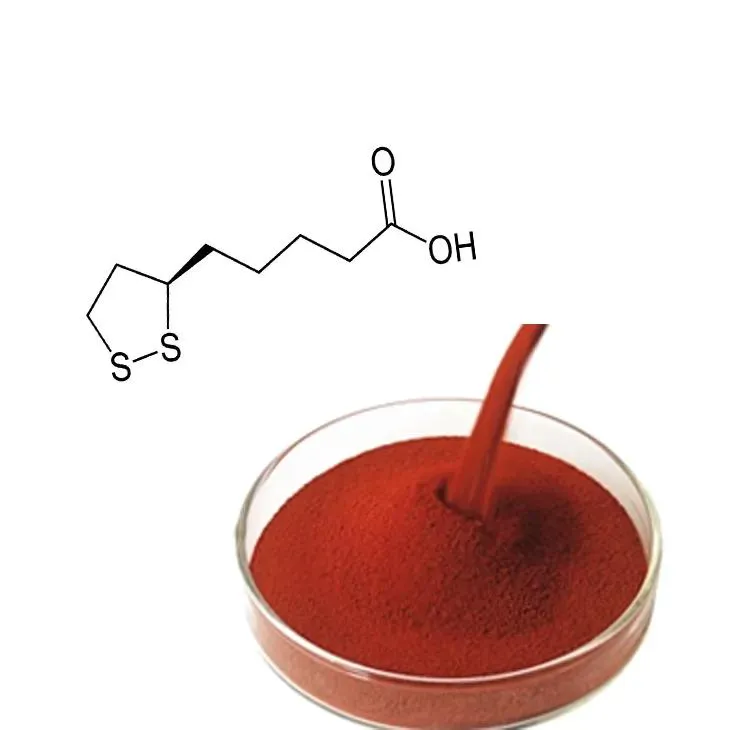
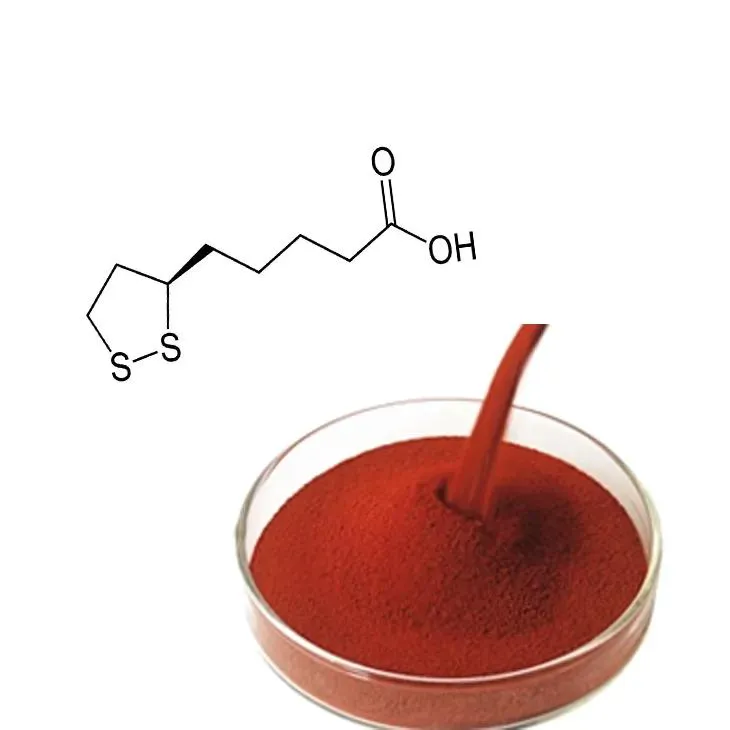
Astaxanthin (3,3′-dihydroxy-β,β′-carotene-4,4′-dione) is a naturally occurring xanthophyll carotenoid responsible for the pink-red coloration of salmon, shrimp, lobster, and flamingos. Unlike beta-carotene or Lycopene, astaxanthin spans the cell membrane bilayer, providing antioxidant protection both inside and outside the membrane — a unique structural advantage that contributes to its superior antioxidant activity.
Natural vs. Synthetic Astaxanthin
Characteristic Natural (H. pluvialis) Synthetic Source Cultivated microalgae Petrochemical synthesis Stereoisomer profile Predominantly (3S,3′S) — the most bioactive form Mixture of (3R,3′R), (3S,3′S), and meso forms Bioavailability Higher (esterified form in algae) Lower (free form) Primary market Human supplements, cosmetics, functional foods Aquaculture feed Cost Higher Lower Consumer preference Strongly preferred for human consumption Not suitable for human-grade products
For human supplements, cosmetics, and functional food applications, natural astaxanthin derived from Haematococcus pluvialis is the industry standard and consumer preference.
Haematococcus pluvialis: The Primary Natural Source
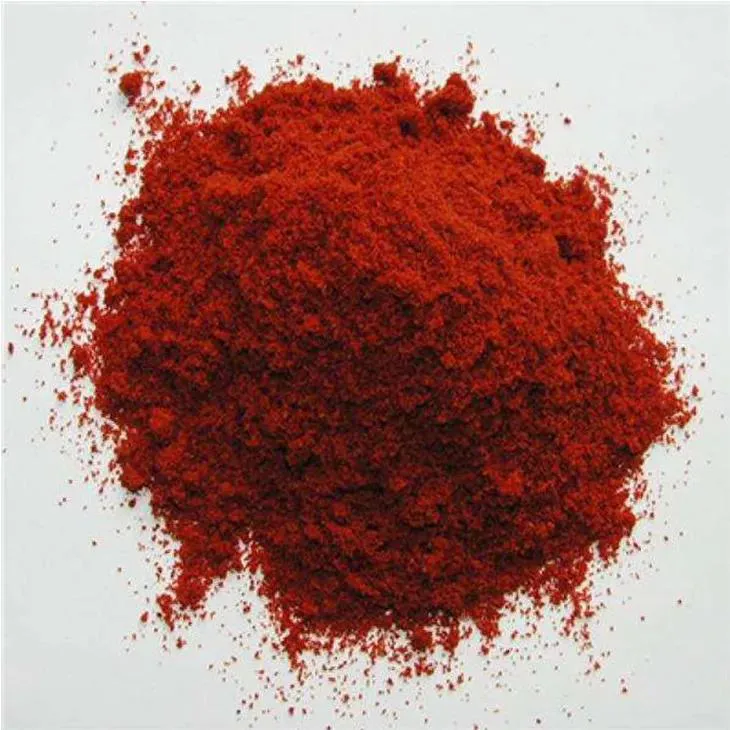
Haematococcus pluvialis is a unicellular green microalga that produces astaxanthin as a protective response to environmental stress (nutrient deprivation, high light intensity, salinity changes). Under stress conditions, the alga can accumulate astaxanthin to levels exceeding 4% of its dry weight — the highest concentration found in any natural organism.
The Cultivation Process
Green motile phase: Algae are cultivated under optimal conditions for cell multiplication
Stress induction: Nutrient limitation and high light trigger astaxanthin biosynthesis
Red cyst phase: Cells accumulate astaxanthin in lipid droplets, turning deep red
Harvesting: Red cysts are harvested, dried, and processed for extraction
Extraction Methods for Natural Astaxanthin
Supercritical CO₂ Extraction
Supercritical carbon dioxide extraction is the preferred method for producing high-quality natural astaxanthin oil:
Solvent-free: No residual solvent concerns
Low-temperature processing: Preserves the delicate astaxanthin molecule and associated carotenoids
High selectivity: Produces concentrated astaxanthin oil with minimal impurities
Eco-friendly: CO₂ is recycled within the extraction system
Solvent Extraction
Organic solvent extraction (using ethanol, ethyl acetate, or hexane) can also produce astaxanthin extracts but requires careful solvent removal and verification of residual solvent levels. This method is generally less expensive but requires more extensive downstream processing.
Astaxanthin Specifications for B2B Procurement
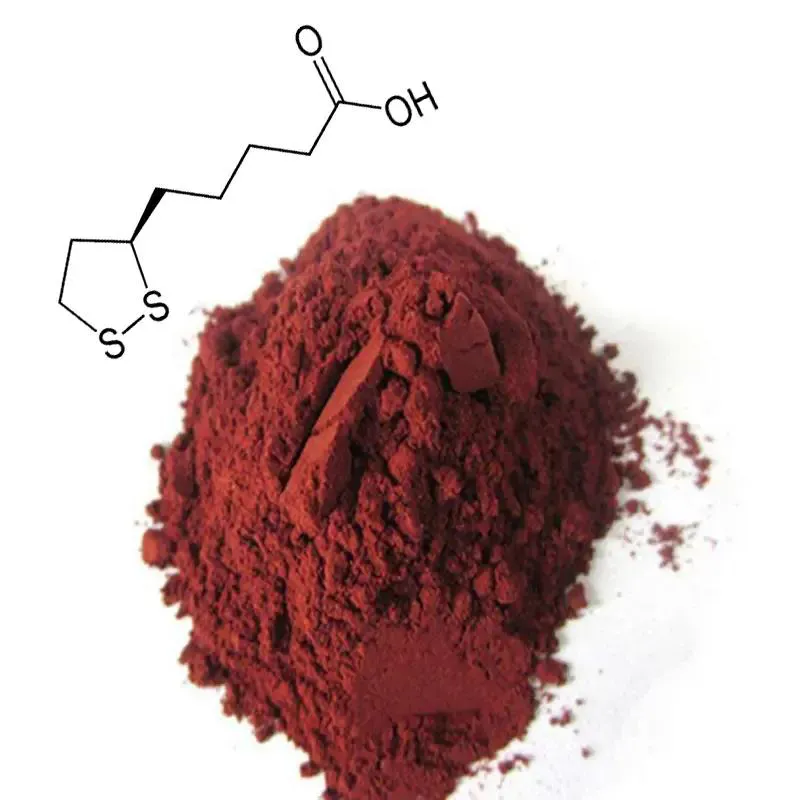
Parameter Astaxanthin Oleoresin (Oil) Astaxanthin Powder (Beadlets) Astaxanthin Crystal Astaxanthin content 5% - 10% 2% - 5% ≥95% Appearance Deep red-brown viscous oil Red-brown free-flowing powder Dark red crystalline powder Solubility Oil-soluble Water-dispersible Oil-soluble Application Softgels, oil capsules Tablets, powdered drinks, gummies Research, premium formulations Shelf life 18-24 months (refrigerated) 18-24 months 24+ months (frozen) Carrier Vegetable oil Maltodextrin, modified starch None
Key Quality Parameters to Verify
Total astaxanthin content (HPLC analysis, UV-Vis spectrophotometry)
Free vs. esterified astaxanthin ratio
Heavy metals (Pb, Cd, As, Hg) — compliant with USP/EP limits
Microbiological limits — total plate count, yeast/mold, pathogens
Pesticide residues — not detected (GC-MS/MS, LC-MS/MS)
Oxidation markers — peroxide value, anisidine value for oil products
Trans/cis isomer ratio — indicates processing quality
Applications of Natural Astaxanthin
Dietary Supplements
Skin health: Clinical studies support astaxanthin's role in improving skin elasticity, moisture, and UV resistance. Typical dosage: 4-12 mg/day
Eye health: Astaxanthin crosses the blood-retinal barrier, supporting visual acuity and reducing eye fatigue. Typical dosage: 4-12 mg/day
Athletic performance and recovery: Reduces exercise-induced muscle damage and supports endurance. Typical dosage: 4-20 mg/day
Cardiovascular health: Supports healthy lipid metabolism and vascular function. Typical dosage: 6-12 mg/day
Cosmetics and Skincare
Astaxanthin is increasingly incorporated into premium skincare formulations for its:
Antioxidant protection against environmental stressors
Anti-aging properties (reduction of fine lines and wrinkles)
Skin brightening and even-toning effects
Anti-inflammatory properties for sensitive skin
Functional Foods and Beverages
Water-dispersible astaxanthin beadlets enable incorporation into:
Energy drinks and sports beverages
Functional gummy supplements
Fortified food products
Pet nutrition products
Quality Control at Greensky Bio
At , every batch of astaxanthin undergoes comprehensive quality testing in our independent laboratory:
HPLC analysis for precise astaxanthin quantification and isomer profiling
GC analysis for fatty acid composition (in oil-based products)
Heavy metal testing via ICP-MS
Pesticide residue screening via LC-MS/MS
Microbiological testing following pharmacopoeia standards
Oxidation stability testing for oil products
Our Jiangxi production facility operates under GMP standards with ISO22000, BRCGS, and Ecocert Organic Standard certifications, ensuring consistent quality from raw material to finished product.
Why Choose Greensky Bio as Your Astaxanthin Supplier?
20+ years of experience in natural plant extract manufacturing
GMP-standard facility with advanced extraction and processing equipment
Independent quality laboratory with GC, HPLC, UV capabilities
International certifications: ISO22000, BBCGS, Ecocert Organic Standard, SGS-GMP
Global export experience with main markets in Europe, the US, South Korea, and Russia
Competitive pricing with consistent quality for long-term partnerships
How to Request a Quote
Contact our sales team with your requirements:
Desired astaxanthin specification (oleoresin, powder, crystal)
Target astaxanthin content
Intended application (softgels, cosmetics, functional foods)
Estimated order quantity
Required certifications and documentation
We provide competitive quotations within 24 hours and complimentary samples for quality evaluation.
today to discuss your astaxanthin sourcing needs.
- ▶ Hesperidin
- ▶ Citrus Bioflavonoids
- ▶ Plant Extract
- ▶ lycopene
- ▶ Diosmin
- ▶ Grape seed extract
- ▶ Sea buckthorn Juice Powder
- ▶ Fruit Juice Powder
- ▶ Hops Extract
- ▶ Artichoke Extract
- ▶ Mushroom extract
- ▶ Astaxanthin
- ▶ Green Tea Extract
- ▶ Curcumin
- ▶ Horse Chestnut Extract
- ▶ Other Product
- ▶ Boswellia Serrata Extract
- ▶ Resveratrol
- ▶ Marigold Extract
- ▶ Grape Leaf Extract
- ▶ New Product
- ▶ Aminolevulinic acid
- ▶ Cranberry Extract
- ▶ Red Yeast Rice
- ▶ Red Wine Extract
- ▶ blog
-
Golden Seal Extract
2026-10-06
-
Phellodendron Extract
2026-10-06
-
Longan Extract
2026-10-06
-
Pine bark Extract Powder
2026-10-06
-
Liposomal NMN
2026-10-06
-
Artichoke Extract
2026-10-06
-
Peppermint Extract Powder
2026-10-06
-
Jujube Extract
2026-10-06
-
Shikone Extract
2026-10-06
-
Liposomal Berberine HCl
2026-10-06
