- 0086-571-85302990
- [email protected]





What Is Monacolin K? Cholesterol Science, Red Yeast Rice Benefits & B2B Sourcing Guide (2026)
2026-10-19

Meta Title: What Is Monacolin K? Red Yeast Rice Cholesterol Science & B2B Sourcing Guide (2026)Meta Description: Complete guide to Monacolin K from functional red yeast rice. Covers cholesterol management science, Lovastatin equivalence, quality standards, and sourcing from a certified manufacturer.URL Slug: monacolin-k-red-yeast-riceKeywords: monacolin K, red yeast rice extract, monacolin K powder, natural cholesterol support, lovastatin natural source, functional red yeast rice, monacolin K supplement, red yeast rice manufacturer, monacolin K bulk supplier, Greensky Bio
Monacolin K is the most bioactive compound found in red yeast rice (Monascus purpureus), a traditional Chinese fermented food product with over 1,000 years of documented use. Structurally identical to lovastatin — the active ingredient in the first commercially approved statin medication — Monacolin K has become one of the most studied and debated natural ingredients for cholesterol management.
For B2B buyers developing cardiovascular health formulations, understanding Monacolin K's clinical evidence, regulatory landscape, and quality sourcing requirements is essential.
What Is Monacolin K?
Monacolin K (C₂₄H₃₆O₅) is a naturally occurring statin produced during the fermentation of rice with the red yeast Monascus purpureus. It was first isolated in the late 1970s by Japanese researcher Dr. Akira Endo, who was searching for compounds that could inhibit HMG-CoA reductase — the key enzyme in cholesterol biosynthesis.
Chemical Identity
Property Details Chemical Name Monacolin K (also known as Mevinolin or Lovastatin) Molecular Formula C₂₄H₃₆O₅ Molecular Weight 404.54 g/mol CAS Number 75330-75-5 IUPAC Name (1S,3R,7S,8S,8aR)-8-{2-[(2R,4R)-4-Hydroxy-6-oxooxan-2-yl]ethyl}-3,7-dimethyl-1,2,3,7,8,8a-hexahydronaphthalen-1-yl (2S)-2-methylbutanoate Classification Type I statin, polyketide-derived natural product
Monacolin K vs. Lovastatin: The Same Molecule
It is a well-established scientific fact that Monacolin K and lovastatin are chemically identical. This structural equivalence is why:
Monacolin K demonstrates the same cholesterol-lowering mechanism as lovastatin
Regulatory agencies in certain jurisdictions classify Monacolin K-containing products as medicines rather than food supplements
Quality standardization of Monacolin K content is critical for safety and efficacy
The Science: How Monacolin K Supports Cholesterol Health
HMG-CoA Reductase Inhibition
Monacolin K works by competitively inhibiting HMG-CoA reductase, the rate-limiting enzyme in the mevalonate pathway responsible for cholesterol synthesis in the liver. By blocking this enzyme, Monacolin K:
Reduces hepatic cholesterol synthesis — Decreasing the liver's internal cholesterol production
Upregulates LDL receptors — The liver compensates by increasing LDL receptor expression, clearing more LDL cholesterol from the bloodstream
Lowers total cholesterol and LDL-C — Clinical trials consistently show 15-25% reduction in LDL cholesterol
May modestly raise HDL cholesterol — Supporting a healthier cholesterol ratio
Additional Cardiovascular Benefits
Beyond cholesterol reduction, red yeast rice containing Monacolin K has been associated with:
Reduced cardiovascular events: The landmark CCSPS trial (2008) involving nearly 5,000 Chinese patients with prior myocardial infarction showed a 45% reduction in major coronary events
Anti-inflammatory effects: Reduction in C-reactive protein (CRP) levels
Endothelial function improvement: Enhanced vascular health
Antioxidant properties: Additional red yeast rice compounds contribute antioxidant benefits
Clinical Evidence
Key Clinical Trials
Study Participants Duration Key Finding CCSPS (2008) 4,870 4.5 years 45% reduction in major coronary events Liu et al. (2006) 193 12 weeks 21% reduction in LDL-C Lin et al. (2005) 84 8 weeks 28% reduction in total cholesterol Becker et al. (2009) 62 12 weeks Significant LDL reduction vs. placebo
Meta-Analyses
A 2023 meta-analysis published in the Journal of the American Heart Association reviewed 26 randomized controlled trials and found that red yeast rice supplementation significantly reduced:
Total cholesterol by an average of 26.3 mg/dL
LDL cholesterol by an average of 21.8 mg/dL
Triglycerides by an average of 13.3 mg/dL
With a modest increase in HDL cholesterol of 3.2 mg/dL
Red Yeast Rice: Beyond Monacolin K
While Monacolin K is the primary active compound, red yeast rice contains over 20 additional monacolins and bioactive compounds that may contribute to its cardiovascular benefits:
Compound Potential Benefit Monacolin J, L, M Additional HMG-CoA reductase inhibition Gamma-aminobutyric acid (GABA) Blood pressure support Dimerumic acid Antioxidant protection Ergosterol Vitamin D precursor Pigments (Monascins, Rubropunctatins) Antioxidant and antimicrobial properties
This complex composition is why some researchers argue that whole red yeast rice may provide additional benefits beyond isolated Monacolin K — the so-called "entourage effect."
Regulatory Landscape (2026)
European Union
The European Food Safety Authority (EFSA) has not approved a health claim for Monacolin K. In 2022, the European Commission set a maximum limit of 3 mg/day of Monacolin K in food supplements, with mandatory warnings about not exceeding 3 mg/day and contraindications for certain populations.
United States
The FDA considers red yeast rice products containing significant amounts of Monacolin K to be unapproved new drugs (based on the lovastatin equivalency). However, red yeast rice supplements without standardized Monacolin K content remain available, creating a complex regulatory environment.
China
In China, functional red yeast rice with specific Monacolin K content ranges (0.2%-5%) is regulated as a food ingredient and health food raw material, with established production standards.
Key Takeaway for B2B Buyers
Regulatory compliance varies significantly by market. B2B buyers must:
Verify Monacolin K content requirements for their target market
Ensure proper labeling and warning statements
Work with manufacturers who provide comprehensive quality documentation
Stay updated on regulatory changes, which are frequent in this category
Quality Specifications for B2B Buyers
Standard Product Specifications
Parameter Specification Product Name Functional Red Yeast Rice Extract Monacolin K Content 0.2% - 5% (customizable) Appearance Dark red to purple-red powder Citrinin ≤ 50 ppb (EU limit) / ≤ 100 ppb (China limit) Moisture ≤ 8.0% Heavy Metals ≤ 10 ppm Arsenic ≤ 1 ppm Lead ≤ 2 ppm Cadmium ≤ 0.5 ppm Microbial Limits Complies with food safety standards Aflatoxins ND (Not Detected)
Critical Quality Concern: Citrinin
Citrinin is a nephrotoxic mycotoxin that can be co-produced during red yeast rice fermentation. High-quality manufacturers use specialized fermentation strains and processes to minimize citrinin formation:
Fermentation strain selection: Using citrinin-non-producing Monascus strains
Process optimization: Controlled temperature, humidity, and fermentation time
Rigorous testing: Every batch tested for citrinin content
EU compliance: Citrinin levels must be ≤ 50 ppb (μg/kg) per EU regulations
Market Trends and Demand (2026)
Growing Demand Drivers
Natural Statin Alternative: Consumer preference for natural approaches to cholesterol management
Cardiovascular Health Awareness: Rising awareness of heart health among aging populations
Preventive Health Trend: Shift from treatment to prevention in healthcare
Asia-Pacific Growth: Strong traditional use and growing middle-class demand
Scientific Validation: Accumulating clinical evidence supports market confidence
Application Segments
Dietary Supplements: Capsules, tablets, softgels
Functional Foods: Fortified foods and beverages
Traditional Medicine: TCM formulations and health food products
Combination Products: With CoQ10, omega-3, plant sterols
Sourcing Functional Red Yeast Rice from Greensky Bio
Hangzhou Tianqu Biological-Tech Co., Ltd., a subsidiary of Hangzhou Greensky Biological Tech. Co., Ltd., specializes in the research, development, production, and sales of functional red yeast rice with Monacolin K content ranging from 0.2% to 5%.
Why Choose Greensky Bio / Tianqu Bio for Red Yeast Rice?
Specialized subsidiary dedicated to functional red yeast rice production
Monacolin K range: 0.2% - 5% — one of the widest ranges available
Citrinin control: Advanced fermentation technology ensures citrinin levels well below regulatory limits
National High-Tech Enterprise certification for Tianqu Biology
Qiandao Lake production facility with specialized fermentation infrastructure
Full certifications: ISO 22000, BRCGS, GMP, HALAL, Kosher
Export experience to Europe, USA, South Korea, Russia, and Southeast Asia
Technical support: Expertise in Monacolin K standardization and application
Available Product Forms
Functional Red Yeast Rice Powder (Monacolin K 0.2% - 5%)
Red Yeast Rice Extract (standardized Monacolin K)
Custom specifications available upon request
Frequently Asked Questions
Q: What is the recommended daily intake of Monacolin K?A: The European Commission recommends a maximum of 3 mg/day. Typical supplement doses range from 2.4 mg to 10 mg/day depending on the product and market regulations.
Q: Is Monacolin K the same as prescription statins?A: Monacolin K is chemically identical to lovastatin, a prescription statin. However, red yeast rice supplements contain varying amounts and additional compounds that may modify the overall effect.
Q: What is citrinin and why is it important?A: Citrinin is a potentially harmful mycotoxin that can be produced during red yeast rice fermentation. Quality manufacturers test every batch to ensure citrinin levels are within safe limits.
Q: Can Monacolin K be combined with other heart health ingredients?A: Yes, common combinations include CoQ10 (to support statin-related CoQ10 depletion), omega-3 fatty acids, and plant sterols.
Q: What should I look for in a red yeast rice supplier?A: Key factors include Monacolin K content consistency, citrinin control, regulatory documentation, and manufacturing certifications.
Conclusion
Monacolin K from functional red yeast rice represents one of the most clinically validated natural ingredients for cholesterol management. With extensive research backing its efficacy and a growing consumer preference for natural health solutions, the market for quality-controlled Monacolin K products continues to expand.
For B2B buyers, partnering with a specialized manufacturer like Greensky Bio / Tianqu Bio — a National High-Tech Enterprise with advanced fermentation capabilities and comprehensive quality certifications — ensures access to reliable, standardized Monacolin K products.
- ▶ Hesperidin
- ▶ Citrus Bioflavonoids
- ▶ Plant Extract
- ▶ lycopene
- ▶ Diosmin
- ▶ Grape seed extract
- ▶ Sea buckthorn Juice Powder
- ▶ Fruit Juice Powder
- ▶ Hops Extract
- ▶ Artichoke Extract
- ▶ Mushroom extract
- ▶ Astaxanthin
- ▶ Green Tea Extract
- ▶ Curcumin
- ▶ Horse Chestnut Extract
- ▶ Other Product
- ▶ Boswellia Serrata Extract
- ▶ Resveratrol
- ▶ Marigold Extract
- ▶ Grape Leaf Extract
- ▶ New Product
- ▶ Aminolevulinic acid
- ▶ Cranberry Extract
- ▶ Red Yeast Rice
- ▶ Red Wine Extract
- ▶ blog
-
Cat Claw Extract
2026-10-19
-
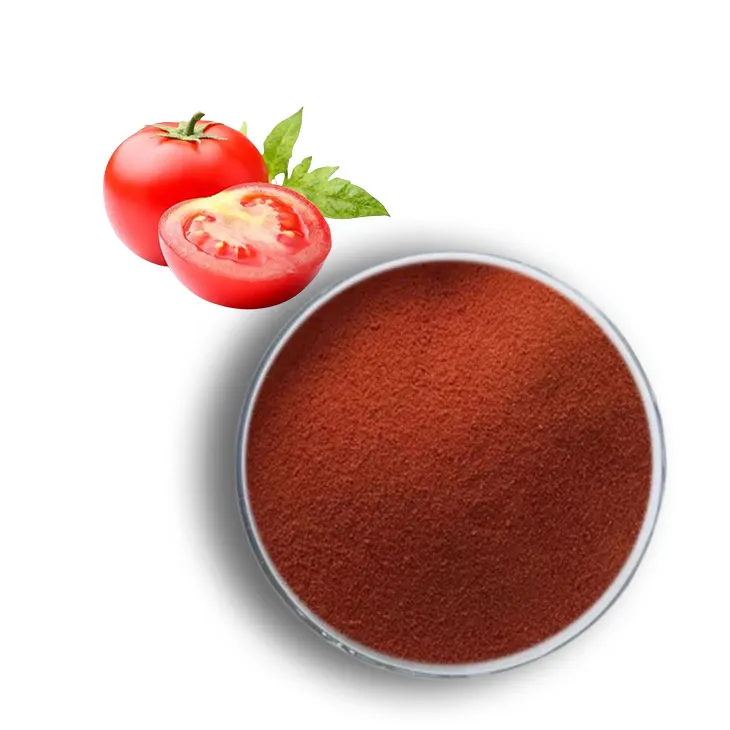
Lycopene
2026-10-19
-
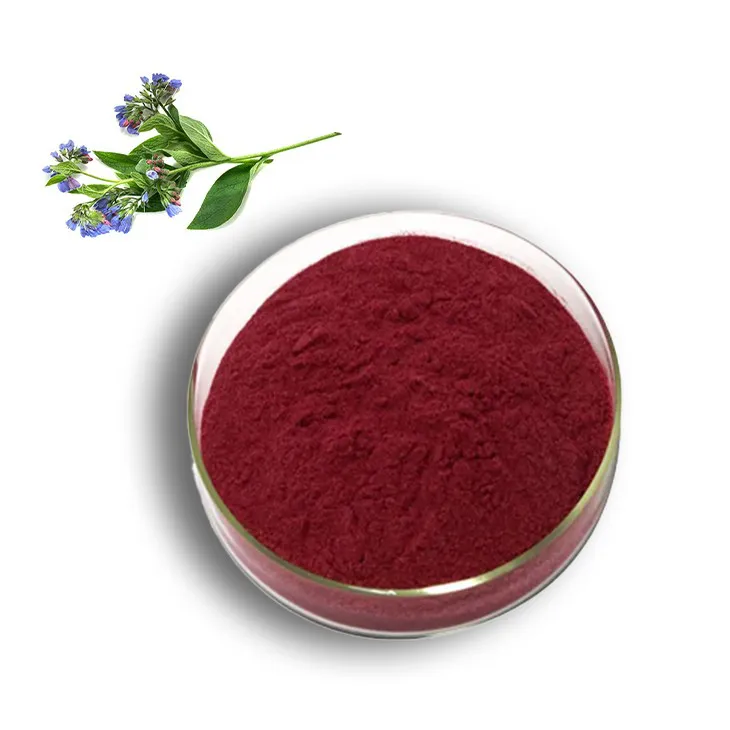
Shikonin
2026-10-19
-
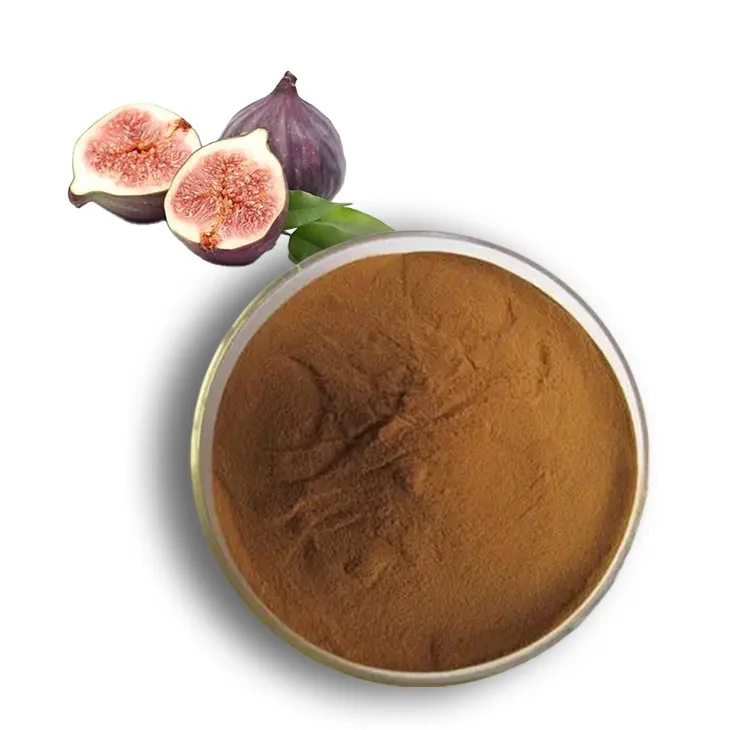
Fig Extract
2026-10-19
-
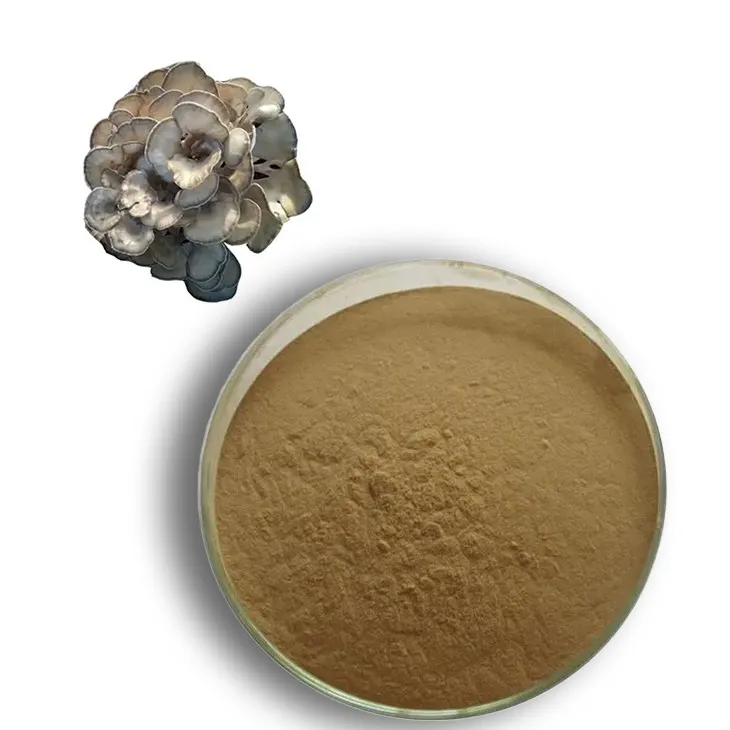
Maitake Mushroom Extract
2026-10-19
-
Phosphatidylserine
2026-10-19
-
Black Pepper Extract
2026-10-19
-
Dan Shen Root Extract/Salvia Root Extract
2026-10-19
-
Hedyotis Diffusa Extract
2026-10-19
-
Astaxanthin
2026-10-19