- 0086-571-85302990
- [email protected]




Berberine Extract: Complete Guide to Blood Sugar Management, Metabolic Health & B2B Sourcing (2026)
2026-11-08
Table of Contents
What Is Berberine and Why Is It Called "Nature's Metformin"?
Primary Botanical Sources: Barberry, Goldenseal, Oregon Grape and Coptis
Mechanism of Action: AMPK Activation and Beyond
Clinical Evidence for Blood Sugar, Cholesterol and Weight Management
Quality Standards, Purity Testing and Regulatory Compliance
B2B Sourcing: How to Choose the Right Berberine Supplier
GreenSky: Premium Berberine Extract from Trusted Manufacturing
What Is Berberine and Why Is It Called "Nature's Metformin"?
Berberine is a quaternary ammonium salt belonging to the protoberberine group of isoquinoline alkaloids. It occurs naturally in the roots, rhizomes, stems, and bark of several plants, most notably Berberis species (barberry), Hydrastis canadensis (goldenseal), Mahonia aquifolium (Oregon grape), and Coptis chinensis (golden thread).
Berberine has earned the nickname "nature's metformin" because it activates AMP-activated protein kinase (AMPK) — the same metabolic master switch targeted by the widely prescribed diabetes drug metformin. However, berberine's mechanism is broader, affecting lipid metabolism, gut microbiota, and inflammatory pathways in ways that extend far beyond glucose control.
The global berberine market is projected to reach USD 350 million by 2030, with the dietary supplement segment growing at a CAGR of 8.5%. Demand is particularly strong in North America and Europe, where metabolic syndrome affects over 34% of adults.
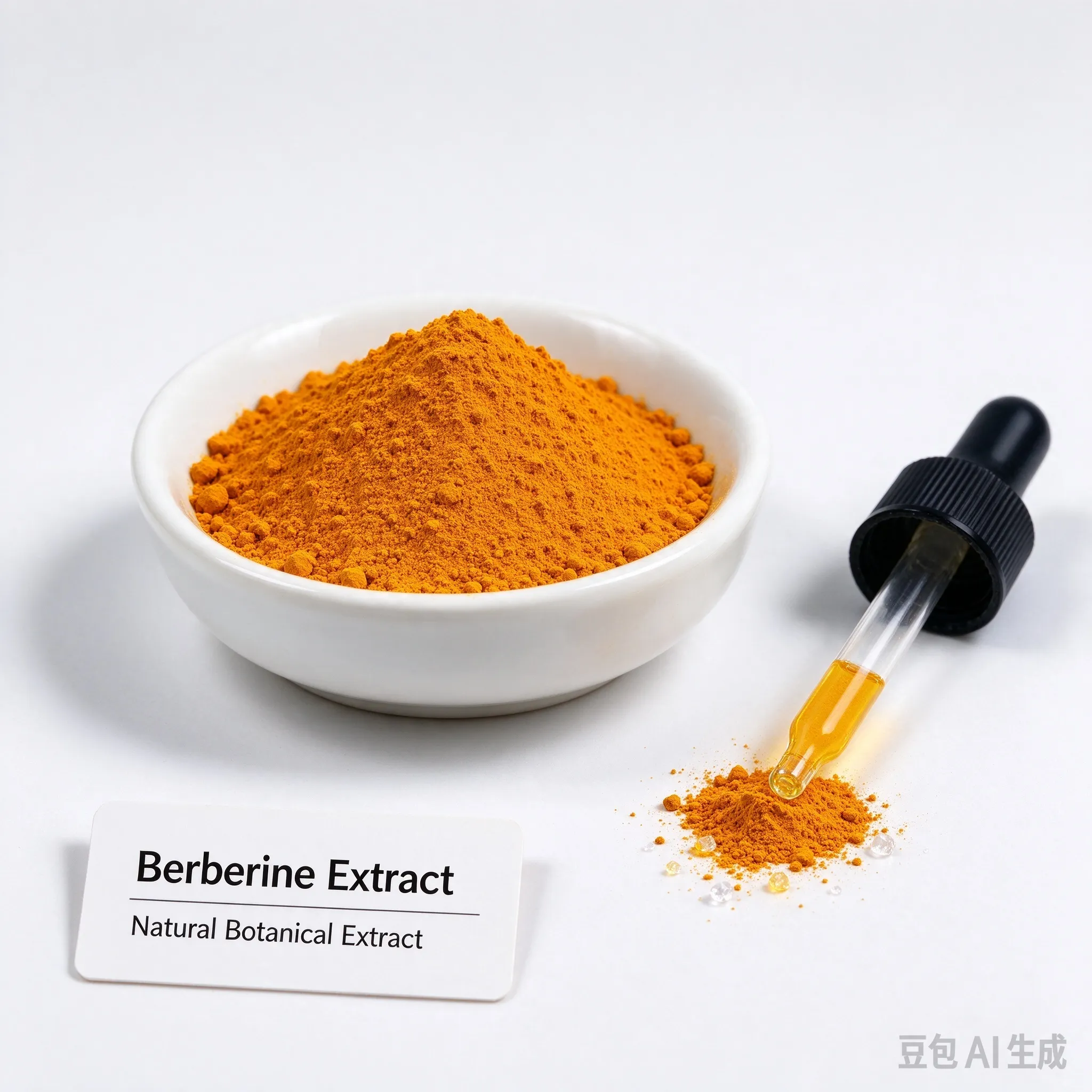
Primary Botanical Sources: Barberry, Goldenseal, Oregon Grape and Coptis
While berberine can be extracted from multiple botanical sources, each offers distinct advantages and challenges:
| Source | Berberine Content | Sustainability | Cost |
|---|---|---|---|
| Barberry (Berberis vulgaris) | 4–10% in root bark | High — widely cultivated | Low |
| Goldenseal (Hydrastis canadensis) | 2–5% in rhizome | Low — endangered species, CITES-listed | Very High |
| Oregon Grape (Mahonia aquifolium) | 3–6% in root | Medium — wild-harvested | Medium |
| Goldthread (Coptis chinensis) | 5–8% in rhizome | Medium — cultivated in China | Medium-High |
| Tree Turmeric (Berberis aristata) | 4–7% in stem bark | High — fast-growing | Low-Medium |
For commercial B2B sourcing, barberry root bark and tree turmeric stem bark offer the best combination of berberine content, sustainability, and cost-effectiveness. GreenSky primarily sources from cultivated Berberis species to ensure consistent supply and environmental responsibility.
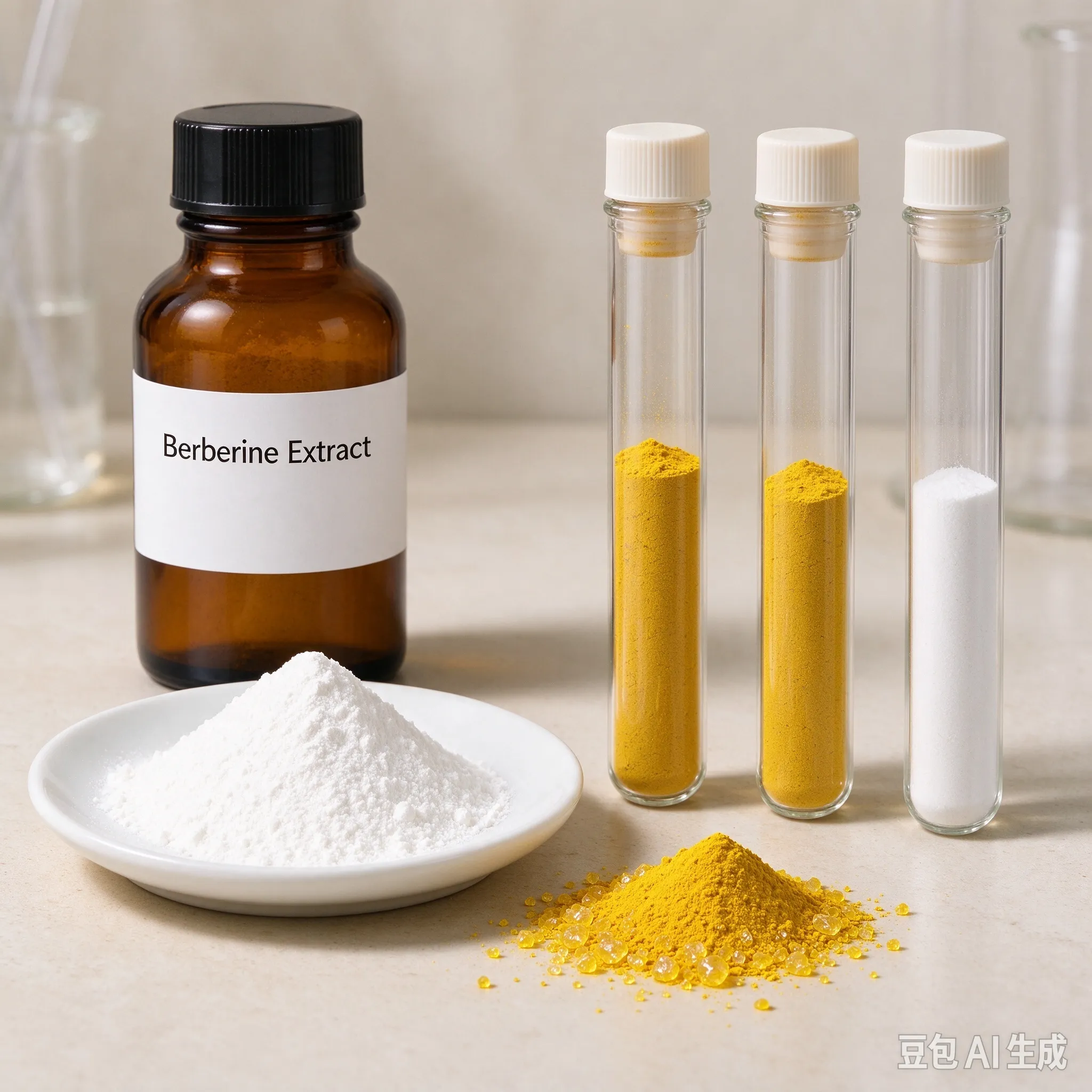
Mechanism of Action: AMPK Activation and Beyond
Berberine's multi-target mechanism makes it uniquely valuable for metabolic health:
AMPK Activation (Primary Mechanism)
Berberine activates AMPK through an upstream kinase cascade involving LKB1 and CaMKKβ. This increases glucose uptake in skeletal muscle, reduces hepatic gluconeogenesis, and enhances fatty acid oxidation — effects remarkably similar to metformin but through a different molecular pathway.
Gut Microbiota Modulation
Emerging research reveals that berberine's poor oral bioavailability (approximately 1%) is actually advantageous — it remains concentrated in the gut lumen where it reshapes the microbiome. Studies show berberine increases abundance of beneficial Akkermansia muciniphila and Bifidobacterium species while reducing pathogenic bacteria, contributing to improved glucose homeostasis.
PCSK9 Inhibition and Lipid Management
Berberine upregulates LDL receptor expression by stabilizing LDLR mRNA and inhibiting PCSK9, a mechanism distinct from statins. Clinical trials consistently show 15–25% reductions in LDL cholesterol with berberine supplementation (500 mg, 2–3 times daily).
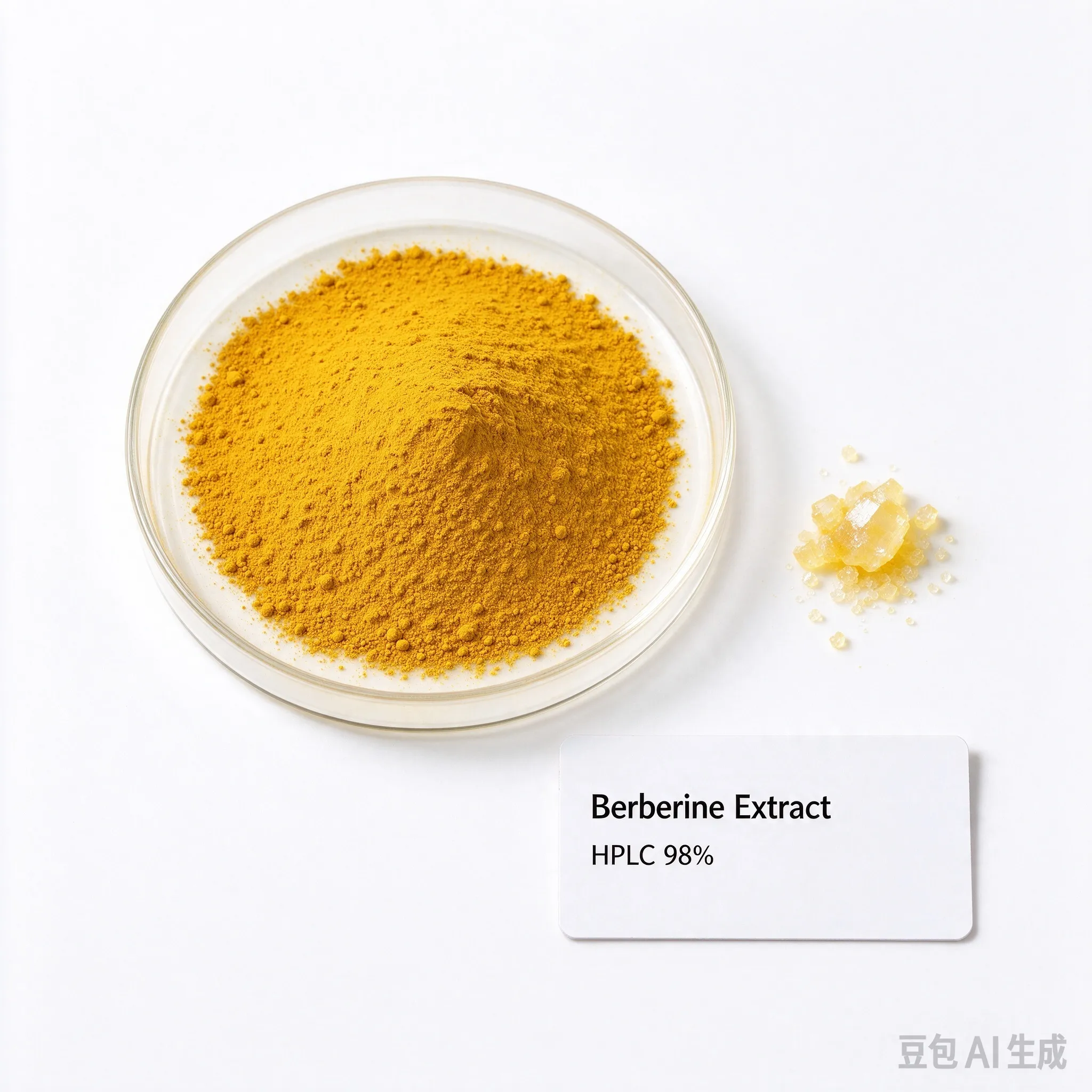
Clinical Evidence for Blood Sugar, Cholesterol and Weight Management
Glycemic Control
A landmark 2015 meta-analysis of 27 RCTs (n=2,568) confirmed that berberine significantly reduces fasting blood glucose (FBG by -0.63 mmol/L), postprandial blood glucose (PBG by -0.97 mmol/L), and HbA1c (by -0.62%) compared to placebo. A 2023 update covering 41 trials found comparable efficacy to metformin, glipizide, and rosiglitazone, with fewer gastrointestinal adverse events.
Lipid Profile Improvement
In hyperlipidemic patients, berberine (500 mg three times daily for 13 weeks) reduced total cholesterol by 29%, triglycerides by 35%, and LDL-C by 25%, while increasing HDL-C by 3%. These results are supported by multiple randomized trials and position berberine as a leading natural lipid-lowering option.
Weight Management
A 2020 RCT found that obese adults taking 500 mg berberine three times daily lost an average of 3.6 kg (7.9 lbs) over 12 weeks compared to placebo, with significant reductions in waist circumference and body fat percentage. The effect is attributed to AMPK-mediated fat oxidation and gut microbiota changes.
Polycystic Ovary Syndrome (PCOS)
Berberine has shown particular promise in PCOS management, improving insulin sensitivity, reducing testosterone levels, and restoring ovulatory function. A 2021 systematic review of 8 RCTs concluded that berberine is as effective as metformin for improving metabolic parameters in PCOS patients, with better lipid profile outcomes.
Quality Standards, Purity Testing and Regulatory Compliance
When sourcing berberine extract, verify the following quality parameters:
Purity — Berberine HCl should be ≥97% (HPLC); total alkaloid extracts typically standardized to 90–95%
Form — Berberine hydrochloride (HCl) is the most common and best-studied form for supplements
Residual solvents —必须符合 ICH Q3C limits for Class 2 solvents (methanol, acetonitrile)
Heavy metals — Pb < 1 ppm, As < 0.5 ppm, Cd < 0.5 ppm, Hg < 0.1 ppm
Microbiological limits — Total aerobic count < 1,000 CFU/g, yeast/mold < 100 CFU/g, E. coli/Salmonella absent
Botanical identity — TLC/HPLC fingerprint verification to confirm source species
Certifications — ISO 22000, GMP, Kosher, Halal
B2B Sourcing: How to Choose the Right Berberine Supplier
Key considerations when evaluating berberine suppliers:
Supply chain transparency — Traceable from raw material harvest through finished extract
Extraction technology — Acid-base extraction vs. modern chromatographic purification; chromatographic methods yield higher purity but at higher cost
Batch-to-batch consistency — Request 3 consecutive batch COAs to verify consistency
Regulatory support — Supplier should provide full documentation for FDA GRAS, EFSA Novel Food, or local regulatory submissions
Customization capability — Ability to provide different salt forms (HCl, sulfate), particle sizes, or pre-blended formulations
GreenSky: Premium Berberine Extract from Trusted Manufacturing
Hangzhou Greensky Biological Tech. Co., Ltd. offers premium berberine HCl extract (≥97% purity) produced under ISO 22000, BRCGS, Ecocert Organic, and SGS-GMP certified conditions. Our extraction facility features:
6-ton multi-functional extraction tanks with temperature-controlled processing
High-efficiency low-temperature concentrators preserving alkaloid integrity
100,000-class clean area for final processing and packaging
In-house QC laboratory with HPLC, GC, and UV for complete quality assurance
Annual production capacity of 500+ tons of plant extracts
We supply berberine extract to manufacturers across Europe, the United States, South Korea, and Russia, with competitive pricing, reliable lead times, and comprehensive quality documentation. Contact GreenSky today for samples, COAs, and customized quotations.
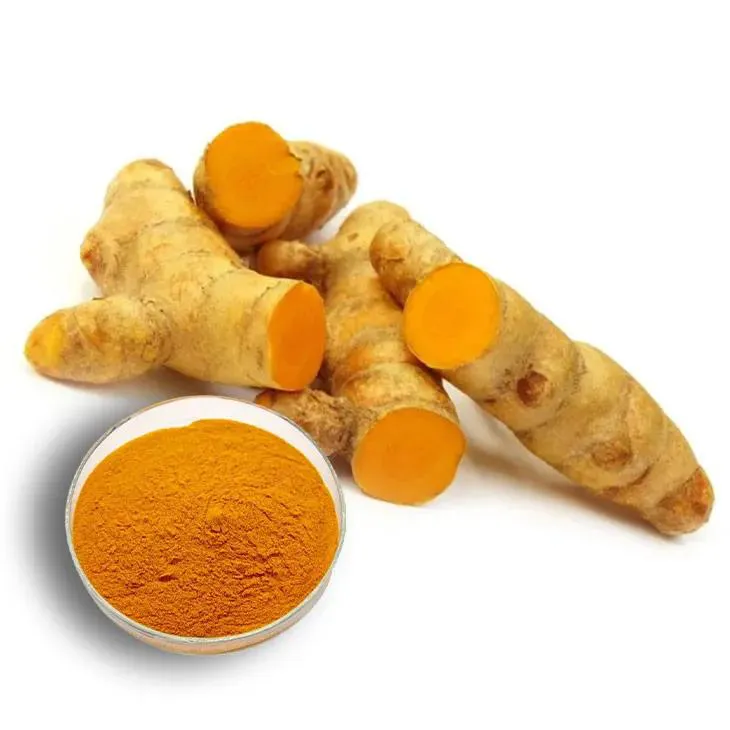
- ▶ Hesperidin
- ▶ Citrus Bioflavonoids
- ▶ Plant Extract
- ▶ lycopene
- ▶ Diosmin
- ▶ Grape seed extract
- ▶ Sea buckthorn Juice Powder
- ▶ Fruit Juice Powder
- ▶ Hops Extract
- ▶ Artichoke Extract
- ▶ Mushroom extract
- ▶ Astaxanthin
- ▶ Green Tea Extract
- ▶ Curcumin
- ▶ Horse Chestnut Extract
- ▶ Other Product
- ▶ Boswellia Serrata Extract
- ▶ Resveratrol
- ▶ Marigold Extract
- ▶ Grape Leaf Extract
- ▶ New Product
- ▶ Aminolevulinic acid
- ▶ Cranberry Extract
- ▶ Red Yeast Rice
- ▶ Red Wine Extract
- ▶ blog
-
Horse Chestnut Extract
2026-11-08
-
Nettle leaf extract
2026-11-08
-
Elderberry Extract
2026-11-08
-
Chaste Berry Extract
2026-11-08
-
5-HTP (5-Hydroxytryptophan)
2026-11-08
-
Jujube Extract
2026-11-08
-
Agaricus Blazei Extract
2026-11-08
-
Natural grape seed extract
2026-11-08
-
Artichoke Extract
2026-11-08
-
Tormentil Extract
2026-11-08