- 0086-571-85302990
- [email protected]




What Is Ginkgo Biloba Extract? Cognitive Health Science, Flavone Glycosides & B2B Sourcing Guide (20
2026-10-24
Meta Title: What Is Ginkgo Biloba Extract? Cognitive Health Science & B2B Sourcing Guide (2026)
Meta Description: Complete B2B guide to Ginkgo biloba extract (EGb 761 standard). Covers cognitive health mechanisms, flavone glycoside & terpene lactone standardization, extraction technology, quality testing, and sourcing for supplement manufacturers.
URL Slug: /ginkgo_biloba_extract/
What Is Ginkgo Biloba Extract?
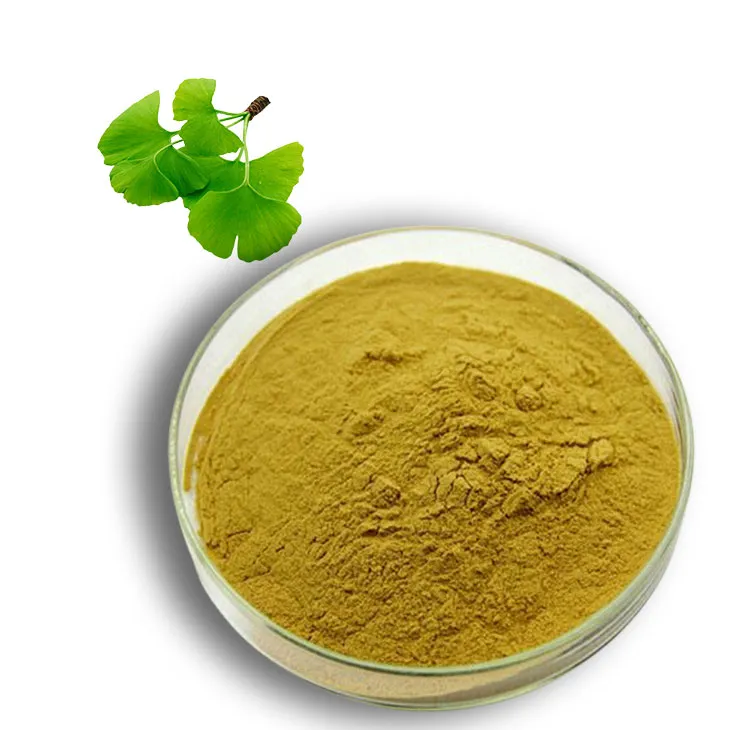
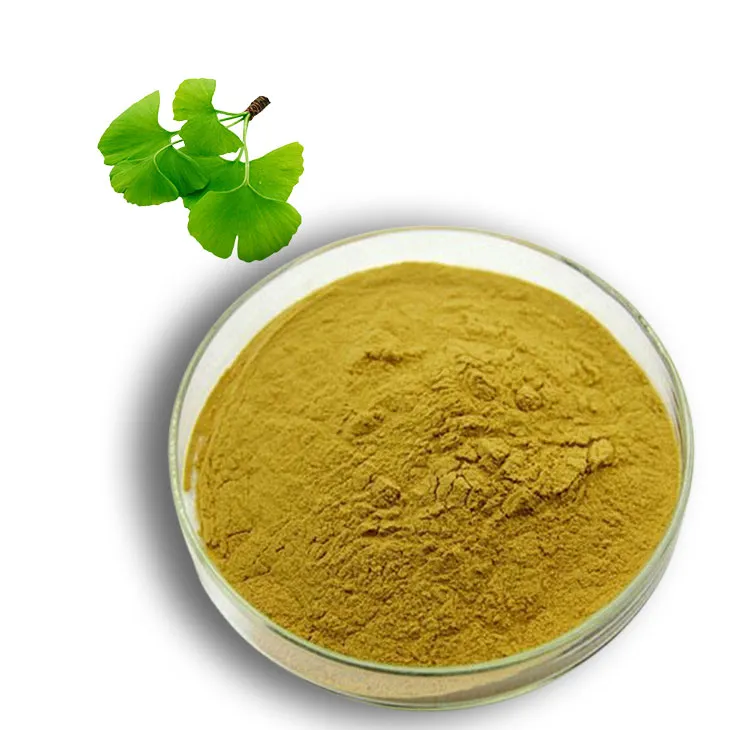
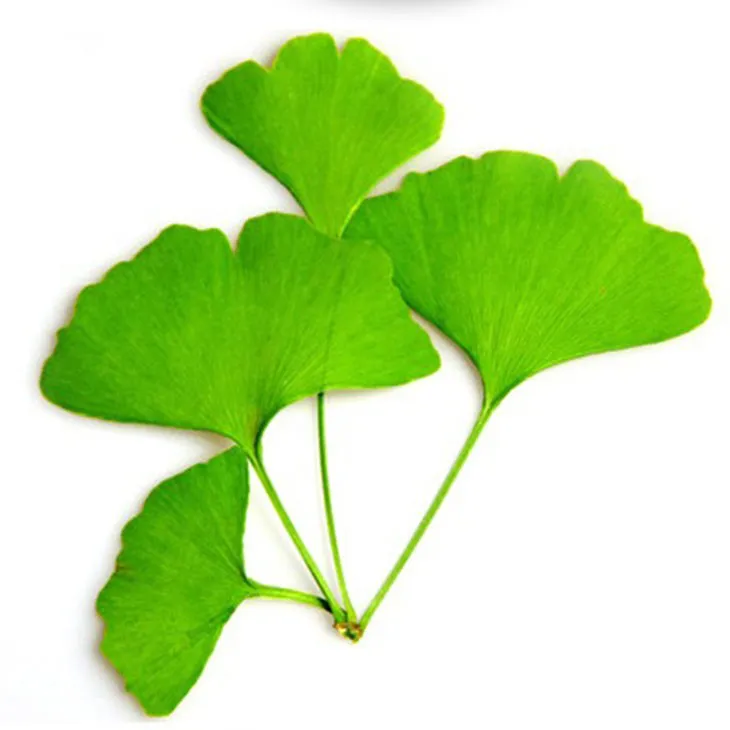
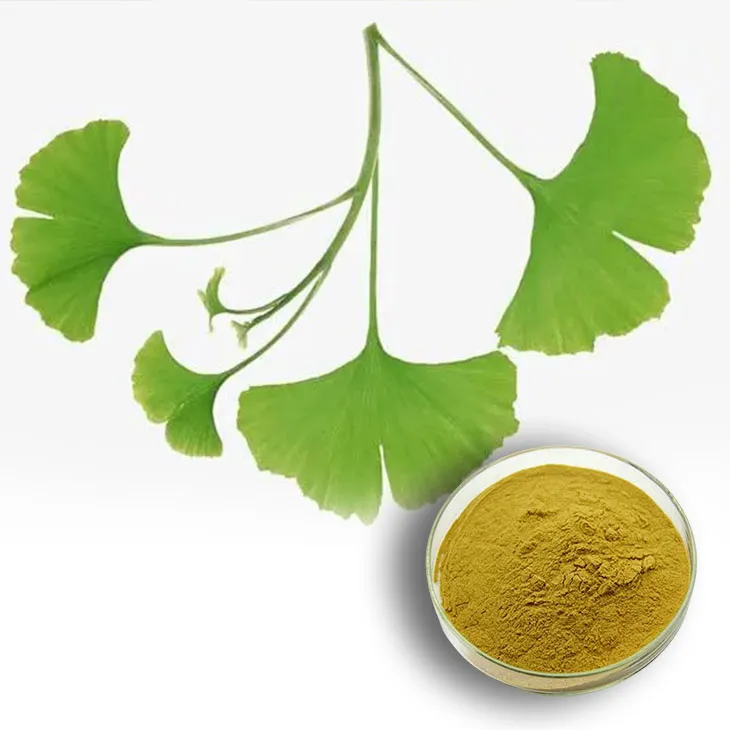
Ginkgo biloba extract is derived from the leaves of Ginkgo biloba L., one of the oldest living tree species on Earth, with fossils dating back over 270 million years. Often called a "living fossil," Ginkgo has been used in Traditional Chinese Medicine for over 5,000 years.
Modern Ginkgo biloba extract is one of the most extensively studied botanical ingredients in the world, with over 400 published scientific papers. The standardized extract known as EGb 761 (developed in Germany) has become the reference standard for Ginkgo extracts worldwide.
The two primary active compound groups in Ginkgo biloba extract are:
Flavone glycosides (24%) — including Quercetin, kaempferol, and isorhamnetin glycosides
Terpene lactones (6%) — including ginkgolides A, B, C, J and bilobalide
The extract is specifically processed to reduce ginkgolic acids to <5 ppm, as these compounds can cause allergic reactions.
The global Ginkgo biloba extract market was valued at approximately USD 1.2 billion in 2024 and is projected to grow at a CAGR of 5.8% through 2032, driven by aging populations, growing awareness of cognitive health, and increasing demand in both dietary supplements and pharmaceutical applications.
How Does Ginkgo Biloba Extract Work? The Science
Cerebral Blood Flow Enhancement
Ginkgo biloba extract improves blood circulation through multiple mechanisms:
Vasodilation — increases nitric oxide production in endothelial cells, relaxing blood vessels
Reduced blood viscosity — decreases platelet aggregation (via PAF antagonism)
Microcirculation improvement — enhances capillary blood flow, particularly important for cerebral and peripheral circulation
Neuroprotective Mechanisms
Free Radical Scavenging
The flavonoid components of Ginkgo biloba are potent antioxidants that:
Scavenge hydroxyl radicals, superoxide anions, and peroxynitrite
Protect neuronal membranes from lipid peroxidation
Reduce oxidative damage in brain tissue
Ginkgolides and Platelet-Activating Factor (PAF)
Ginkgolides (particularly ginkgolide B) are specific antagonists of platelet-activating factor (PAF), a phospholipid mediator involved in:
Platelet aggregation
Allergic and inflammatory responses
Ischemic tissue damage
By blocking PAF receptors, ginkgolides reduce excessive platelet aggregation and inflammatory responses.
Bilobalide and Neuroprotection
Bilobalide, a unique sesquiterpene lactone found only in Ginkgo biloba:
Protects neurons against hypoxia/ischemia-induced damage
Modulates GABAergic neurotransmission
Reduces glutamate-induced excitotoxicity
Supports myelin sheath integrity
Cognitive Function and Memory
Clinical evidence supports Ginkgo biloba extract for:
Age-related cognitive decline — multiple RCTs show improvement in memory, attention, and processing speed
Dementia and Alzheimer's disease — EGb 761 is approved as a prescription treatment for dementia in Germany and other European countries
Subjective cognitive complaints — benefits reported even in healthy adults under cognitive stress
Peripheral Circulation
Ginkgo biloba extract is widely used for peripheral arterial disease (PAD) and intermittent claudication, with clinical trials demonstrating improved walking distance and reduced pain symptoms.
Vision and Eye Health
Ginkgo's microcirculatory benefits extend to the retina, where it has been studied for:
Normal-tension glaucoma (improved visual field parameters)
Diabetic retinopathy (reduced retinal vascular damage)
Age-related macular degeneration support

Ginkgo Biloba Extract Specifications
EGb 761 Standard (Reference Standard)
Parameter Specification Test Method Flavone glycosides 22–27% HPLC (calculated as Quercetin + kaempferol + isorhamnetin × 2.54) Terpene lactones 5–7% HPLC — Ginkgolides A 2.8–3.4% HPLC — Ginkgolides B 2.6–3.2% HPLC — Ginkgolides C 0.8–1.2% HPLC — Bilobalide 2.6–3.2% HPLC Ginkgolic acids <5 ppm HPLC Heavy metals Pb < 3.0 ppm, As < 1.0 ppm, Cd < 0.5 ppm, Hg < 0.1 ppm ICP-MS Solvent residues Ethanol < 5,000 ppm; Acetone < 5,000 ppm GC Microbiological TPC < 10,000 CFU/g; E. coli/Salmonella: Negative Pharmacopeial methods
Common B2B Specifications
Grade Flavone Glycosides Terpene Lactones Ginkgolic Acids Application Standard 24% 6% <5 ppm Supplements, pharmaceuticals High potency 24% 6% <1 ppm Premium supplements, cosmetics Pharmaceutical 24% 6% <1 ppm Prescription-grade (EGb 761 equivalent)
Ginkgo Biloba Extraction Process
Solvent Extraction
The standard commercial process involves:
Drying and milling — Ginkgo leaves are dried at controlled temperatures and milled to a uniform particle size
Acetone-water extraction — A 60:40 acetone-water mixture extracts flavone glycosides and terpene lactones at 50–60°C
Filtration and concentration — The extract is filtered and concentrated under reduced pressure
Ethyl acetate purification — Selective partitioning removes unwanted compounds
Spray drying — The purified extract is spray-dried with a carrier (typically maltodextrin) to produce a free-flowing powder
Ginkgolic Acid Removal
A critical step in Ginkgo processing is the removal of ginkgolic acids to <5 ppm. This is achieved through:
Alkaline treatment followed by acid precipitation
Adsorption on specialized resins
Solvent partitioning
Failure to adequately remove ginkgolic acids can result in allergic reactions and regulatory non-compliance.
Quality Control Testing
Comprehensive quality control for Ginkgo biloba extract includes:
HPLC analysis of all flavone glycosides and terpene lactones
Ginkgolic acid quantification
Heavy metal testing (ICP-MS)
Pesticide residue screening
Microbiological testing
Solvent residue analysis
Identity verification (TLC fingerprinting against reference standard)
Clinical Applications of Ginkgo Biloba Extract
1. Cognitive Health Supplements
The largest application segment. Ginkgo biloba is formulated as capsules, tablets, and liquid extracts targeting:
Age-related memory support
Cognitive performance in healthy adults
Focus and concentration support
2. Circulation Support Products
Ginkgo is widely used in products targeting:
Peripheral circulation
Cold hands and feet
Vascular health
3. Eye Health Formulations
Combined with lutein, zeaxanthin, and Bilberry Extract in comprehensive eye health supplements.
4. Pharmaceutical Applications
EGb 761 is approved as a prescription medication for dementia in Germany, France, and several other countries, under brand names such as Tebonin® and Tanakan®.
5. Cosmetic Applications
Ginkgo extract's antioxidant properties are used in anti-aging skincare products for:
UV protection support
Collagen protection
Microcirculation enhancement in skin
Safety and Interactions
Blood Thinning
Ginkgo biloba's antiplatelet effects mean it may interact with anticoagulant medications (warfarin, aspirin, clopidogrel). Users on blood-thinning medications should consult healthcare professionals before use.
Surgery
Ginkgo should be discontinued at least 2 weeks before surgical procedures due to bleeding risk.
Drug Interactions
Ginkgo may interact with:
Anticoagulants (increased bleeding risk)
Anticonvulsants (reduced efficacy)
SSRIs (theoretical serotonin syndrome risk)
CYP450-metabolized drugs (mild enzyme modulation)
Contraindications
Pregnancy and breastfeeding (insufficient safety data)
Bleeding disorders
Concurrent use with anticoagulant medications (without medical supervision)
How to Choose a Ginkgo Biloba Extract Supplier
1. Standardization Accuracy
Verify that the supplier can consistently deliver the EGb 761 standard (24% flavone glycosides, 6% terpene lactones). Request HPLC chromatograms from recent production batches.
2. Ginkgolic Acid Control
This is a critical quality parameter. Ensure the supplier has validated methods for reducing ginkgolic acids to <5 ppm and can provide testing documentation.
3. Raw Material Traceability
Ginkgo leaves should be sourced from certified cultivation areas with controlled environmental conditions. Ask about:
Growing region and farm certification
Harvest timing (leaf age affects active compound content)
Drying and storage conditions
4. Manufacturing Standards
GMP certification (pharmaceutical-grade if targeting prescription markets)
ISO22000, BRCGS (for dietary supplement markets)
Organic certification if required
5. Regulatory Documentation
For international sales, ensure the supplier can provide:
Certificate of Analysis (CoA) for each batch
DMF (Drug Master File) if applicable
REACH registration (for European markets)
FDA facility registration (for US markets)
Why Choose Greensky Bio for Ginkgo Biloba Extract
Hangzhou Greensky Biological Tech. Co., Ltd. has been a professional plant extract manufacturer since 2004, with the technical capability and quality systems to produce premium Ginkgo biloba extract.
20+ years of experience in botanical extraction and standardization
Multi-certified production — ISO22000, BRCGS, Ecocert Organic, SGS-GMP
Independent analytical laboratory — HPLC, GC, UV for comprehensive quality testing
100,000-class clean area ensuring pharmaceutical-grade production standards
GMP-standard facilities with advanced extraction, concentration, and spray drying equipment
Global export experience — serving European, American, Korean, and Russian markets
Custom specification capability — from standard 24%/6% extracts to specialized formulations
Whether you're developing a cognitive health supplement, a circulation support product, or a premium skincare formulation, Greensky Bio delivers Ginkgo biloba extract that meets the highest international quality standards.
Frequently Asked Questions
Q: What does "EGb 761" mean?A: EGb 761 is the reference standard for Ginkgo biloba extract, developed by Dr. Willmar Schwabe Pharmaceuticals in Germany. It specifies 24% flavone glycosides and 6% terpene lactones, with ginkgolic acids reduced to <5 ppm. Many commercial extracts follow this standard.
Q: How is Ginkgo biloba extract calculated?A: Flavone glycosides are measured by HPLC as the aglycones (Quercetin, kaempferol, isorhamnetin) and then multiplied by a factor of 2.54 to account for the glycoside moiety. This is the standard pharmacopeial calculation method.
Q: Is Ginkgo biloba extract safe to take with blood thinners?A: Ginkgo has antiplatelet effects and may increase bleeding risk when combined with anticoagulant medications. Consult a healthcare professional before combining Ginkgo with blood thinners.
Q: What is the recommended daily dose of Ginkgo biloba extract?A: Standard doses range from 120–240 mg/day of EGb 761-standardized extract, divided into 2–3 doses. For cognitive support, 120–240 mg/day is most commonly used.
Q: Does Greensky Bio provide EGb 761-equivalent Ginkgo extract?A: Yes. We produce Ginkgo biloba extract meeting the EGb 761 specification (24% flavone glycosides, 6% terpene lactones, <5 ppm ginkgolic acids) and can provide comprehensive analytical documentation for each batch.
- ▶ Hesperidin
- ▶ Citrus Bioflavonoids
- ▶ Plant Extract
- ▶ lycopene
- ▶ Diosmin
- ▶ Grape seed extract
- ▶ Sea buckthorn Juice Powder
- ▶ Fruit Juice Powder
- ▶ Hops Extract
- ▶ Artichoke Extract
- ▶ Mushroom extract
- ▶ Astaxanthin
- ▶ Green Tea Extract
- ▶ Curcumin
- ▶ Horse Chestnut Extract
- ▶ Other Product
- ▶ Boswellia Serrata Extract
- ▶ Resveratrol
- ▶ Marigold Extract
- ▶ Grape Leaf Extract
- ▶ New Product
- ▶ Aminolevulinic acid
- ▶ Cranberry Extract
- ▶ Red Yeast Rice
- ▶ Red Wine Extract
- ▶ blog
-
Almond Extract Powder
2026-10-24
-
Cayenne Pepper Extract
2026-10-24
-
Shikone Extract
2026-10-24
-
Mangosteen extract powder
2026-10-24
-
Lavender Extract
2026-10-24
-
Propolis Extract Powder
2026-10-24
-
Horse Chestnut Extract
2026-10-24
-
Carrageenan Extract Powder
2026-10-24
-
Marigold Extract
2026-10-24
-
Buckthorn bark extract
2026-10-24