- 0086-571-85302990
- [email protected]




What Is Quercetin? Flavonoid Antioxidant Science, Immune Support & B2B Sourcing Guide (2026)
2026-10-19
What Is Quercetin? Flavonoid Antioxidant Science, Immune Support & B2B Sourcing Guide (2026)
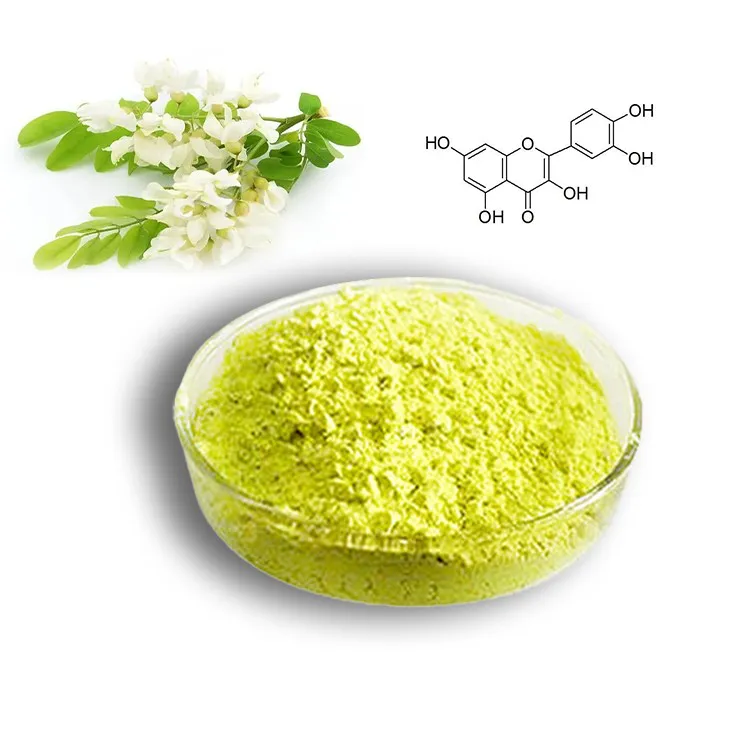
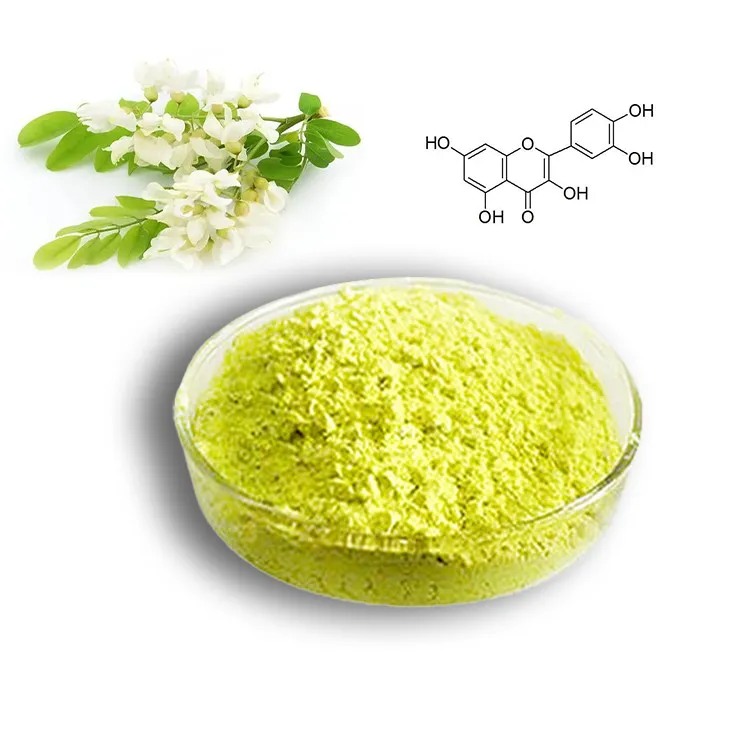
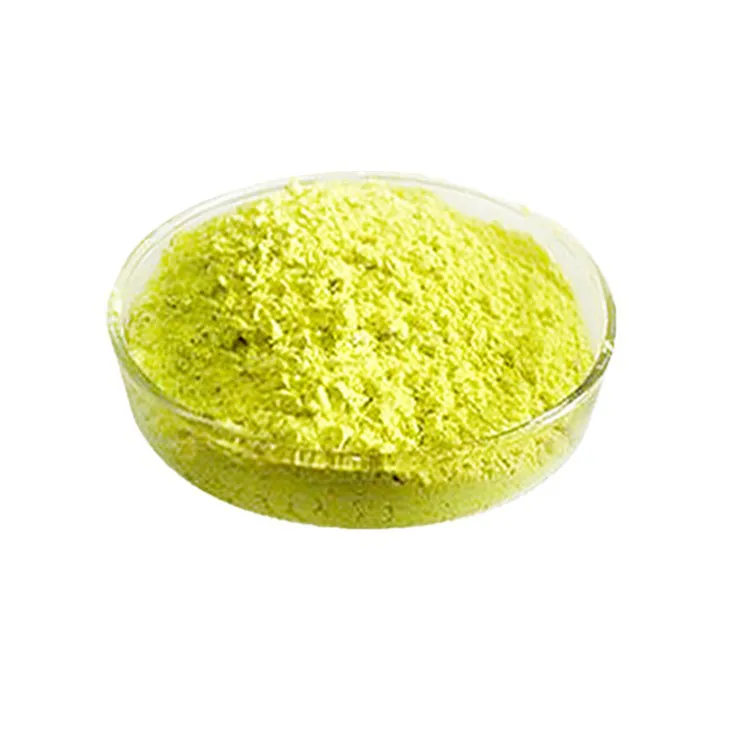
Quercetin is the most abundant and most studied dietary flavonoid in the human diet, found naturally in onions, apples, capers, broccoli, tea, and red wine. As a member of the flavonol subclass of polyphenols, Quercetin has emerged as one of the most commercially significant botanical ingredients in the global dietary supplement market — particularly for immune support, allergy management, and antioxidant protection.
With over 20 years of experience in natural plant extract manufacturing, Greensky Bio supplies premium quercetin in multiple forms (quercetin dihydrate, quercetin anhydrous, and quercetin phytosome), serving B2B formulators across Europe, the United States, South Korea, and Russia.
Quercetin Science: Why This Flavonoid Stands Out
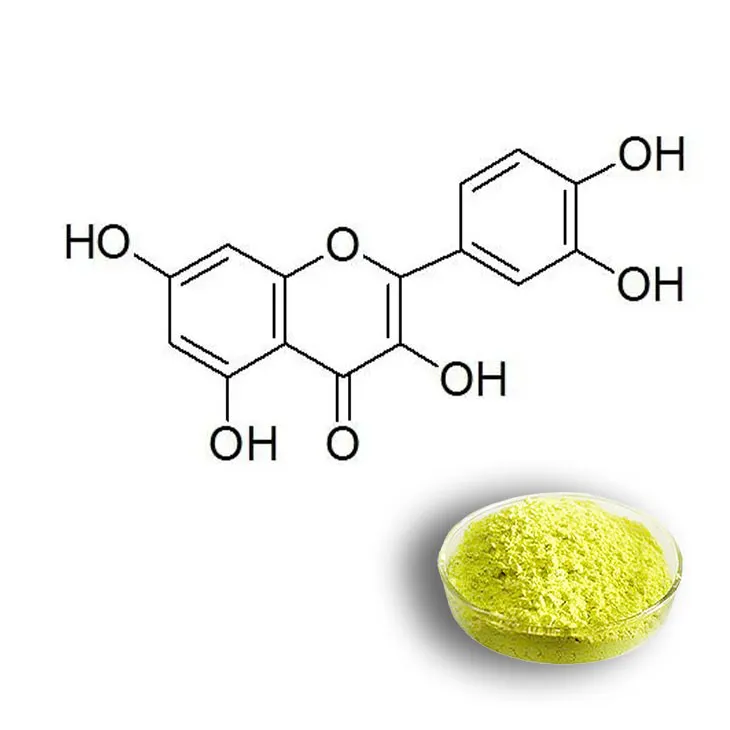
While over 6,000 flavonoids have been identified in plants, quercetin (3,3′,4′,5,7-pentahydroxyflavone) is unique in its breadth of biological activity and clinical evidence base:
Most widely consumed flavonoid — average dietary intake of 10–100mg/day
Most studied flavonoid — over 10,000 peer-reviewed publications
Broadest mechanism profile — antioxidant, anti-inflammatory, antiviral, anti-allergic, and cardioprotective
Zinc ionophore activity — facilitates zinc transport into cells, enhancing zinc's antiviral effects
Molecular Mechanisms of Action
| Mechanism | Health Relevance |
|---|---|
| Free radical scavenging (ORAC value: 3,485 μmol TE/g) | Systemic antioxidant protection |
| NF-κB pathway inhibition | Anti-inflammatory, immune modulation |
| Histamine release inhibition (mast cell stabilization) | Anti-allergic, seasonal allergy support |
| Zinc ionophore activity | Enhanced cellular zinc uptake, antiviral synergy |
| COX-2 & LOX enzyme inhibition | Inflammation management, joint health |
| AMPK activation | Metabolic health, energy regulation |
| Endothelial NO synthase activation | Cardiovascular health, blood pressure support |
Clinically Supported Health Benefits
1. Immune System Support & Antiviral Defense
Quercetin's immune-modulating effects are among its most commercially important applications:
Zinc Ionophore — Quercerin transports zinc ions across cell membranes, increasing intracellular zinc levels that inhibit viral RNA-dependent RNA polymerase — a mechanism critical for antiviral defense
Anti-inflammatory Cytokine Modulation — Reduces production of pro-inflammatory cytokines (IL-6, TNF-α) while supporting balanced immune responses
Upper Respiratory Health — A randomized controlled trial published in Medicine & Science in Sports & Exercise (2007) found that quercetin supplementation (1,000mg/day) reduced upper respiratory tract infection incidence and severity in middle-aged and older adults
2. Natural Antihistamine & Allergy Relief
Quercetin stabilizes mast cells and basophils, preventing the release of histamine and other inflammatory mediators. This makes it one of the most effective natural anti-allergy ingredients available:
Mast Cell Stabilization — Inhibits IgE-mediated histamine release from mast cells
Seasonal Allergy Support — Clinical evidence supports quercetin's effectiveness in reducing symptoms of allergic rhinitis (sneezing, nasal congestion, itchy eyes)
Food Allergy Adjunct — May help reduce sensitivity reactions when used as part of a comprehensive approach
3. Cardiovascular Protection
Epidemiological studies consistently link higher quercetin intake with reduced cardiovascular disease risk:
Blood Pressure — A meta-analysis in Critical Reviews in Food Science and Nutrition (2016) found quercetin supplementation significantly reduced systolic blood pressure (−4.4 mmHg) in hypertensive subjects
LDL Protection — Prevents LDL oxidation, a key step in atherosclerosis development
Endothelial Function — Improves nitric oxide-mediated vasodilation
4. Exercise Performance & Recovery
Quercetin's anti-inflammatory and mitochondrial-supportive effects make it valuable for athletes:
Endurance Enhancement — Some studies show modest improvements in VO2 max and time-to-exhaustion
Reduced Exercise-Induced Inflammation — Lowers post-exercise IL-6 and CRP levels
Faster Recovery — Reduces muscle damage markers and DOMS after intense exercise
5. Anti-Aging & Senolytic Potential
Quercetin has gained attention as a senolytic compound — one that selectively eliminates senescent ("zombie") cells that accumulate with age and drive chronic inflammation. The combination of quercetin with dasatinib (a cancer drug) has shown senolytic activity in clinical trials, sparking significant research interest in quercetin's anti-aging potential.
Quercetin Forms: Choosing the Right Type for Your Product
| Form | Description | Bioavailability | Best Applications |
|---|---|---|---|
| Quercetin Dihydrate | Quercetin with 2 water molecules; most common commercial form | Low (poor water solubility) | Capsules, tablets (standard formulations) |
| Quercetin Anhydrous | Water-free form; higher quercetin content per weight | Low (similar to dihydrate) | High-dose formulations where weight matters |
| Quercetin Phytosome | Quercetin bound to phosphatidylcholine (lipid complex) | High (20× standard quercetin) | Premium supplements, maximum absorption |
| Quercetin Glycosides (Isoquercitrin/EMIQ) | Naturally glycosylated form; enzymatically modified | Moderate-High | Functional beverages, water-soluble applications |
| Liposomal Quercetin | Encapsulated in lipid vesicles | Very High | Premium liquid supplements, clinical formulations |
Bioavailability Optimization: The Critical Challenge
Standard quercetin has notoriously poor oral bioavailability (<2%) due to low water solubility and extensive first-pass metabolism. B2B formulators should consider these proven strategies:
Phytosome Technology — Quercetin bound to phosphatidylcholine shows up to 20× higher absorption than standard quercetin dihydrate
Vitamin C Synergy — Co-administration with vitamin C can improve quercetin bioavailability by regenerating oxidized quercetin metabolites
Piperine Enhancement — Adding Black Pepper Extract (piperine) inhibits glucuronidation, extending quercetin's half-life in circulation
Liposomal Encapsulation — Lipid vesicle delivery protects quercetin through digestion and enhances cellular uptake
Enzymatically Modified Isoquercitrin (EMIQ) — Water-soluble glycosylated form with significantly improved absorption
Standardization & Quality Specifications
| Parameter | Specification | Test Method |
|---|---|---|
| Quercetin Content (dihydrate) | ≥95% (HPLC) | HPLC |
| Quercetin Content (anhydrous) | ≥98% (HPLC) | HPLC |
| Loss on Drying | ≤6% (dihydrate); ≤1% (anhydrous) | Gravimetric |
| Heavy Metals | Pb < 2ppm, As < 1ppm, Cd < 1ppm, Hg < 0.1ppm | ICP-MS |
| Residual Solvents | Within ICH Q3C limits | GC |
| Microbiological | TPC < 1,000 CFU/g; Yeast/Mold < 100 CFU/g | Plate count |
At Greensky Bio, our ISO22000, BRCGS, Ecocert Organic, and SGS-GMP certified facility provides comprehensive COA documentation for every batch, tested using in-house HPLC, GC, and UV analytical instruments.
Quercetin Applications by Industry
| Industry | Application | Recommended Form |
|---|---|---|
| Dietary Supplements | Immune support capsules, allergy relief tablets | Quercetin dihydrate 95% |
| Premium Supplements | High-absorption formulations | Quercetin phytosome or liposomal |
| Functional Beverages | Immune-boosting drinks, wellness tonics | Water-soluble EMIQ or glycosides |
| Cosmetics | Anti-inflammatory creams, anti-aging serums | Quercetin phytosome |
| Sports Nutrition | Recovery formulas, endurance supplements | Standard quercetin + vitamin C blend |
| Pet Supplements | Allergy and joint health for pets | Standard quercetin |
Why Source Quercetin from Greensky Bio?
Established 2004 — 20+ years of plant extract R&D and production
Multiple forms available — dihydrate, anhydrous, and custom specifications
Full certifications — ISO22000, BRCGS, Ecocert Organic, SGS-GMP
In-house quality lab — HPLC verified ≥95% quercetin content per batch
Global export experience — Europe, USA, South Korea, Russia (~$30M annual export)
Competitive factory-direct pricing — no intermediaries, reliable supply
Frequently Asked Questions
What is the recommended daily dosage of quercetin?
Typical dosages range from 500–1,000mg per day of quercetin dihydrate. For immune support during cold/flu season, doses of 500–1,000mg twice daily are commonly used. For general antioxidant support, 250–500mg daily is sufficient.
Is quercetin safe for long-term use?
Quercetin is generally recognized as safe (GRAS) by the FDA. Human studies have used doses up to 1,000mg/day for periods up to 12 weeks without significant adverse effects. Higher doses may cause mild gastrointestinal discomfort in some individuals.
Can quercetin be combined with other supplements?
Yes. Quercetin is commonly and safely combined with vitamin C, zinc, bromelain, NAC, and Black Pepper Extract (piperine). These combinations often produce synergistic effects — for example, the quercetin + vitamin C + zinc combination is one of the most popular immune support formulations globally.
What is quercetin's zinc ionophore activity?
Quercetin can transport zinc ions across cell membranes, increasing intracellular zinc concentrations. Since zinc inhibits viral replication enzymes, this ionophore activity makes quercetin-zinc combinations particularly effective for immune and antiviral support.
Get a Quote for Quercetin
Whether you need standard 95% quercetin dihydrate for an immune support formula or high-bioavailability phytosome quercetin for a premium product, Greensky Bio provides certified, consistent quercetin at competitive prices.
Contact us today for samples, technical specifications, or a customized quote.
- ▶ Hesperidin
- ▶ Citrus Bioflavonoids
- ▶ Plant Extract
- ▶ lycopene
- ▶ Diosmin
- ▶ Grape seed extract
- ▶ Sea buckthorn Juice Powder
- ▶ Fruit Juice Powder
- ▶ Hops Extract
- ▶ Artichoke Extract
- ▶ Mushroom extract
- ▶ Astaxanthin
- ▶ Green Tea Extract
- ▶ Curcumin
- ▶ Horse Chestnut Extract
- ▶ Other Product
- ▶ Boswellia Serrata Extract
- ▶ Resveratrol
- ▶ Marigold Extract
- ▶ Grape Leaf Extract
- ▶ New Product
- ▶ Aminolevulinic acid
- ▶ Cranberry Extract
- ▶ Red Yeast Rice
- ▶ Red Wine Extract
- ▶ blog
-
Lavender Extract
2026-10-19
-
Marigold Extract
2026-10-19
-
Scutellaria Extract
2026-10-19
-
Black Seed Extract
2026-10-19
-
Rosemary extract
2026-10-19
-
Longan Extract
2026-10-19
-
White mustard seed extract
2026-10-19
-
Bilberry Extract
2026-10-19
-
Beetroot juice Powder
2026-10-19
-
Acerola Extract
2026-10-19