- 0086-571-85302990
- [email protected]






The Complete Guide to Boswellia Serrata Extract: Anti-Inflammatory Powerhouse, Applications & Suppli
2026-09-02
Introduction
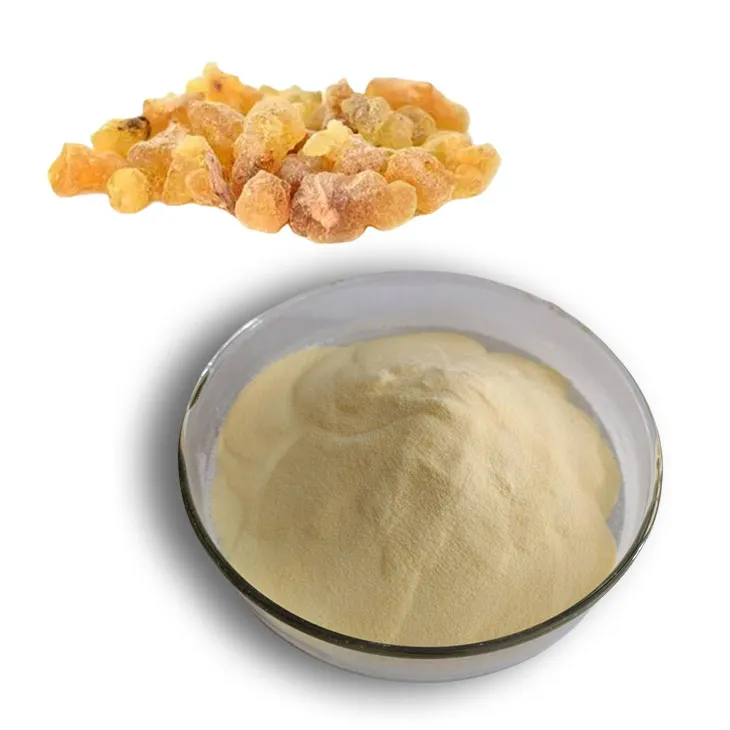
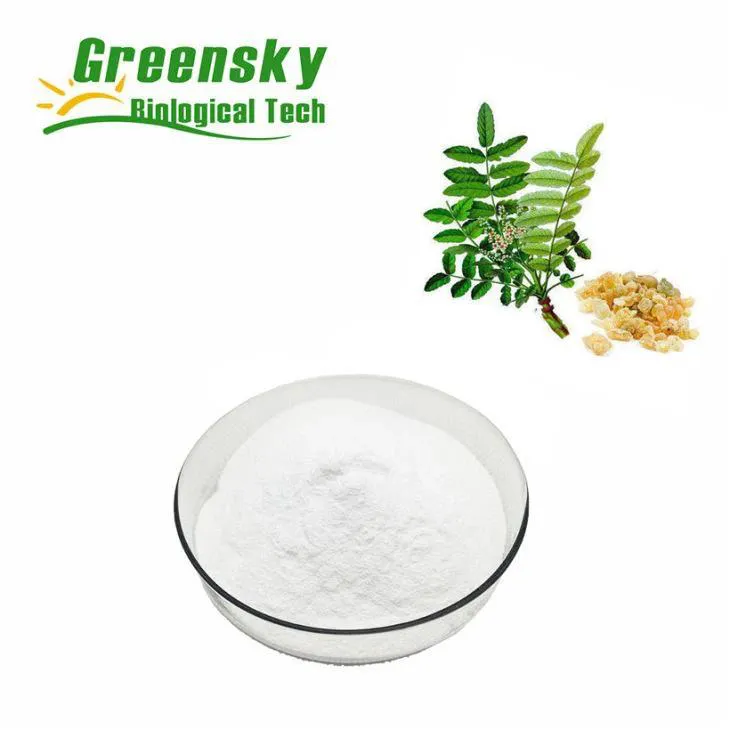
For over 2,000 years, the resin of the Boswellia serrata tree — commonly known as Indian Frankincense — has been treasured in Ayurvedic medicine for its remarkable ability to ease joint discomfort, support respiratory health, and combat inflammatory conditions. Modern pharmacological research has now confirmed what ancient practitioners long understood: the active compounds in Boswellia serrata, particularly AKBA (acetyl-11-keto-β-boswellic acid), represent one of the most potent natural anti-inflammatory agents known to science. This guide provides a comprehensive overview of Boswellia Serrata Extract — its chemistry, clinical benefits, commercial applications, and what distinguishes premium-quality material in an increasingly crowded market.
Part 1: What Is Boswellia Serrata Extract?
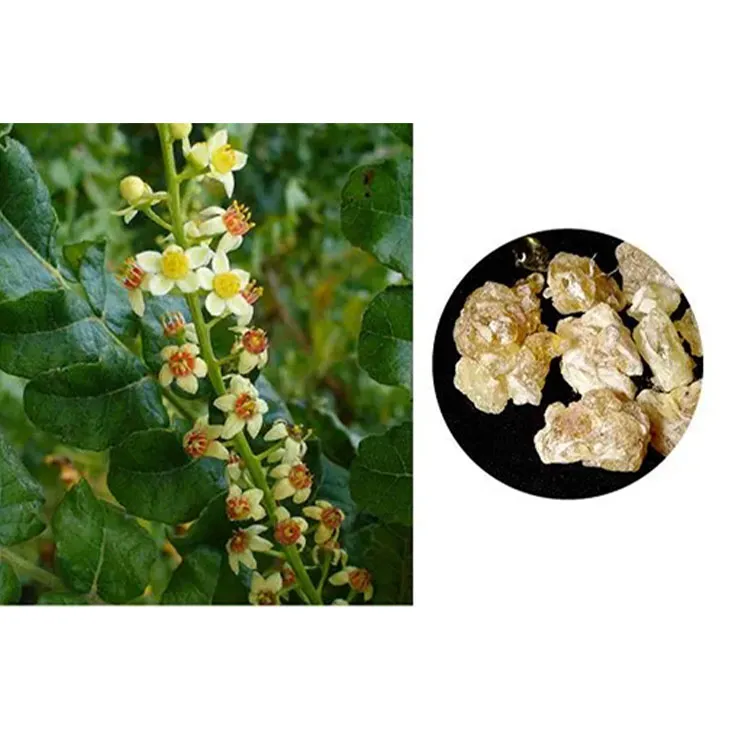
Botanical Profile
Parameter Detail Botanical Name Boswellia serrata Roxb. ex Colebr. Family Burseraceae Common Names Indian Frankincense, Shallaki, Salai Guggul Part Used Oleo-gum-resin (exudate from bark incision) Primary Growing Regions India, Pakistan, Somalia, Ethiopia
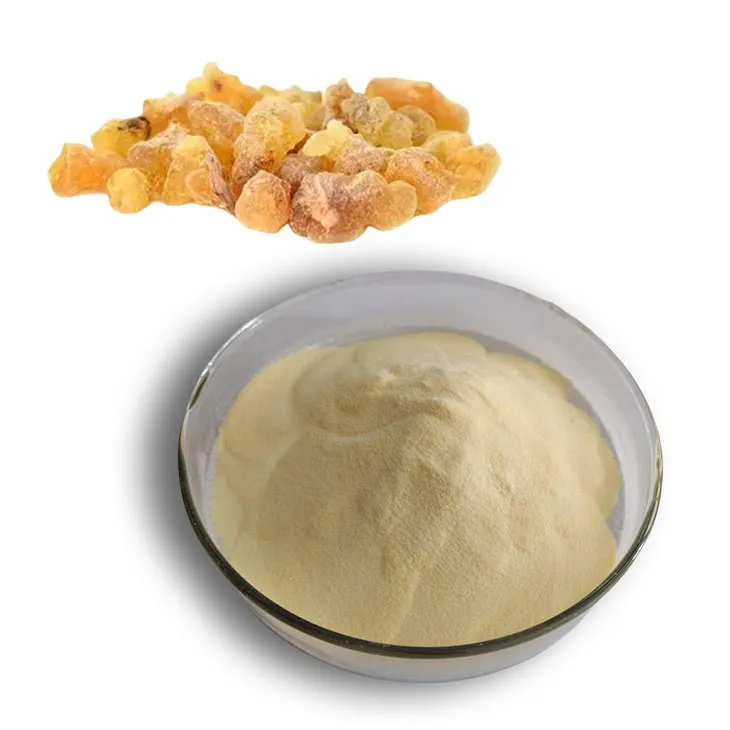
Boswellia serrata is a moderate-sized branching tree native to the mountainous regions of India. The resin is harvested by making controlled incisions in the bark, allowing the milky oleo-gum-resin to exude and harden — a process that has been practiced sustainably for millennia.
Key Active Constituents — Boswellic Acids
The pharmacologically active fraction of Boswellia serrata consists of pentacyclic triterpenic acids, collectively known as boswellic acids. The four major boswellic acids are:
Compound Abbreviation Significance β-Boswellic Acid β-BA Base triterpene structure Acetyl-β-Boswellic Acid AβBA Anti-inflammatory activity 11-Keto-β-Boswellic Acid KBA Potent 5-LOX inhibitor Acetyl-11-Keto-β-Boswellic Acid AKBA Most potent — primary active marker
AKBA is the gold-standard marker compound for quality assessment. Research has shown it to be approximately 5–10× more potent than other boswellic acids in inhibiting 5-lipoxygenase (5-LOX), a key enzyme in the inflammatory cascade.
Available Specifications
We supply Boswellia Serrata Extract in multiple standardized forms:
Specification Total Boswellic Acids AKBA Standard 1 65% 10% Standard 2 65% 20% Standard 3 70% 30% Standard 4 85% 15–20% Standard 5 (Super) 90%+ 25–35% Full-Spectrum Resin Extract 40–50% —
Each batch is accompanied by a full HPLC profile quantifying individual boswellic acids, plus a comprehensive Certificate of Analysis.
Quality Documentation
Every shipment includes:
Certificate of Analysis (COA) — HPLC chromatograms for all major boswellic acids, heavy metals, pesticides, microbial limits
Third-party verification — Independent lab reports available (SGS, Eurofins, or equivalent)
Organic certification — Selected batches available with USDA/EU Organic certification
Part 2: Core Benefits & Mechanisms of Action
1. Potent Anti-Inflammatory Action via 5-LOX Inhibition
Mechanism: AKBA is a highly specific, non-redox, non-competitive inhibitor of 5-lipoxygenase (5-LOX), the enzyme responsible for converting arachidonic acid into leukotrienes — potent mediators of inflammation, bronchoconstriction, and allergic responses. Unlike NSAIDs that inhibit COX enzymes (and can cause gastric irritation), Boswellia selectively targets the 5-LOX pathway without disrupting protective prostaglandins.
Evidence: A landmark study in the European Journal of Medical Research (2001) demonstrated that Boswellia serrata extract significantly reduced leukotriene formation in whole blood at concentrations as low as 1.5 μg/mL of AKBA. A follow-up study in Phytomedicine (2008) confirmed the specificity of AKBA's 5-LOX inhibitory activity.
2. Joint Health & Osteoarthritis Support
Mechanism: By inhibiting 5-LOX and suppressing NF-κB signaling, boswellic acids reduce the production of inflammatory cytokines (TNF-α, IL-1β, IL-6) that drive cartilage degradation. They also inhibit leukocyte elastase, an enzyme that directly damages joint tissue.
Evidence: A double-blind, placebo-controlled clinical trial (Phytomedicine, 2011) involving 70 knee osteoarthritis patients found that 100 mg/day of enriched AKBA extract produced significant improvements in pain, stiffness, and physical function within 7 days, with sustained benefits over the 90-day study period. A separate trial published in the International Journal of Medical Sciences (2014) confirmed comparable efficacy to standard NSAIDs with a superior gastrointestinal safety profile.
3. Respiratory Health & Asthma Support
Mechanism: Leukotrienes are primary mediators of bronchoconstriction and airway inflammation in asthma. By blocking 5-LOX, boswellic acids reduce leukotriene-driven airway constriction and mucus hypersecretion.
Evidence: A clinical study in the European Journal of Medical Research (1998) showed that 300 mg of Boswellia serrata extract taken three times daily for 4 weeks significantly improved asthma symptoms, reduced attack frequency, and improved lung function parameters compared to baseline.
4. Gut Health & Inflammatory Bowel Disease (IBD) Support
Mechanism: Boswellic acids suppress NF-κB activation in intestinal epithelial cells, reducing the expression of pro-inflammatory cytokines in the gut mucosa. They also modulate the gut microbiome by inhibiting pathogenic bacterial growth while supporting beneficial commensal species.
Evidence: A prospective, randomized, double-blind study in the European Journal of Gastroenterology & Hepatology (2001) found that Boswellia serrata extract (350 mg three times daily) induced remission in chronic colitis patients with efficacy comparable to mesalazine, the standard pharmaceutical treatment.
5. Anti-Cancer Research Potential
Mechanism: Emerging research indicates that AKBA and KBA induce apoptosis in various cancer cell lines through multiple pathways: inhibition of topoisomerase I/II, activation of caspase cascades, and suppression of NF-κB-mediated cell survival signaling.
Evidence: Pre-clinical studies published in Cancer Letters (2007) and Molecular Cancer Therapeutics (2009) demonstrated that AKBA induced apoptosis in pancreatic cancer, colon cancer, and melanoma cell lines at physiologically relevant concentrations. Note: These findings are pre-clinical and do not support therapeutic claims for human cancer treatment.
6. Skin Health & Topical Anti-Inflammatory Applications
Mechanism: Topical boswellic acid formulations reduce skin inflammation by inhibiting leukotriene production in dermal cells and suppressing matrix metalloproteinase (MMP) activity that degrades collagen.
Evidence: A study in the Journal of Dermatological Science (2012) demonstrated that AKBA-containing formulations significantly reduced UV-induced skin inflammation and improved skin barrier function markers in human volunteers.
Part 3: Wide-Ranging Application Areas
Nutraceuticals & Dietary Supplements
Boswellia serrata extract is a cornerstone ingredient in the global joint health supplement market, valued at over USD 7 billion:
Joint Health Formulations — Standalone or combined with glucosamine, chondroitin, Curcumin, and MSM for comprehensive joint support
Anti-Inflammatory Capsules — Targeting the growing natural pain management consumer segment
Liquid/Spray Formulations — Enhanced bioavailability formats using phospholipid or micellar delivery systems
Functional Foods & Beverages
Anti-Inflammatory Functional Beverages — Added to herbal teas, golden milk blends, and wellness shots
Gut Health Supplements — Combined with probiotics and prebiotics for IBD/IBS support formulations
Sports Recovery Drinks — Natural anti-inflammatory alternative for post-exercise recovery
Cosmetics & Personal Care
Anti-Aging Serums & Creams — Boswellic acids' collagen-protective and anti-inflammatory properties suit premium skincare
Sensitive Skin Formulations — Soothing active for rosacea, eczema, and reactive skin products
Scalp & Hair Care — Emerging use in anti-inflammatory scalp treatments and hair loss formulations
After-Sun Products — Leukotriene inhibition provides targeted relief from UV-induced skin inflammation
Veterinary & Animal Health
Equine Joint Supplements — Widely used in the performance horse market for osteoarthritis management
Canine Mobility Formulations — Growing demand in pet supplements for aging dogs
Livestock Anti-Inflammatory — Natural alternative to pharmaceutical anti-inflammatories in organic farming
Pharmaceutical Research
Drug Discovery — AKBA serves as a lead compound for developing selective 5-LOX inhibitors with improved pharmacokinetics
Combination Therapies — Research exploring Boswellia extract as an adjunct to standard anti-inflammatory treatments
Part 4: Key Factors in Choosing a Premium Boswellia Serrata Extract
AKBA Content — The Critical Quality Marker
Not all Boswellia extracts are created equal. The AKBA content is the single most important quality parameter:
Standard extracts typically contain 2–10% AKBA — suitable for general wellness formulations
Enriched extracts (20–35% AKBA) — required for clinical-efficacy-level dosing and premium supplements
Be wary of "total boswellic acid" claims — A product can claim 65% total BA while containing minimal AKBA. Always request individual boswellic acid breakdown.
Bioavailability Enhancement
Boswellic acids have inherently poor oral bioavailability. Leading suppliers now offer enhanced delivery formats:
Phospholipid Complexes — Boswellic acid-phosphatidylcholine complexes showing 3–5× improved absorption
Micellar Formulations — Nano-emulsified extracts for water-soluble applications
Piperine-Combined Extracts — With Black Pepper Extract to enhance systemic uptake
Species Authenticity
The Boswellia genus includes several commercially relevant species:
Species Primary Source Key Difference B. serrata India Highest AKBA content — gold standard B. carterii Somalia/Ethiopia Different boswellic acid profile B. sacra Oman Premium frankincense, lower BA content
Ensure your supplier provides species verification through HPLC fingerprinting or DNA barcoding.
Sustainable & Ethical Sourcing
Boswellia populations face threats from over-harvesting, climate change, and habitat loss. Choose suppliers who:
Practice responsible tapping methods (limited incisions per tree, adequate recovery periods)
Support local harvesting communities with fair-trade pricing
Provide traceability from tree to extract
Hold organic and sustainability certifications
Quality Testing Standards
Reputable suppliers should provide:
HPLC quantification of all four major boswellic acids (β-BA, AβBA, KBA, AKBA)
Heavy metals — Pb, Cd, As, Hg within pharmacopoeial limits
Pesticide residues — EU MRL and USP panels
Microbial limits — Standard pharmacopoeial testing
Solvent residues — If any organic solvents used in extraction
Part 5: Why Partner With Us
As an experienced botanical extract manufacturer specializing in evidence-based phytochemicals, we provide Boswellia Serrata Extract with the following advantages:
Premium Raw Material Sourcing — Direct partnerships with sustainable harvesting cooperatives in India's Madhya Pradesh and Rajasthan regions
Advanced Enrichment Technology — Capable of producing AKBA-enriched extracts up to 35% for clinical-grade formulations
Bioavailability Solutions — Phospholipid complex and micellar delivery options available for enhanced absorption
Comprehensive Documentation — Full HPLC profiles, COAs, third-party lab reports, and regulatory support packages
Custom Formulation Support — We can tailor specifications, combine with complementary botanicals (Curcumin, ashwagandha, etc.), or develop proprietary blends
Scalable Supply — From 100 g R&D samples to multi-ton commercial orders, with consistent batch-to-batch quality
Certifications — GMP, ISO 9001, ISO 22000, HACCP, Kosher, Halal, and organic-certified options
Conclusion & Call to Action
Boswellia serrata extract has evolved from an ancient Ayurvedic remedy to one of the most clinically validated natural anti-inflammatory ingredients available today. Its unique 5-LOX inhibitory mechanism, extensive safety profile, and versatility across nutraceutical, cosmetic, and pharmaceutical applications make it an indispensable ingredient for forward-thinking formulators.
Ready to incorporate Boswellia Serrata Extract into your product pipeline?
Request a quotation — Competitive pricing for all AKBA specifications
Free sample available — Test material for your formulation and quality teams
Technical consultation — Our experts can help you select the optimal specification and delivery format
Full documentation package — COAs, third-party reports, and regulatory support included
Our botanical specialists are ready to support your development timeline with reliable supply, consistent quality, and the technical expertise you need to bring breakthrough products to market. Contact us today — let's build something remarkable together.
- ▶ Hesperidin
- ▶ Citrus Bioflavonoids
- ▶ Plant Extract
- ▶ lycopene
- ▶ Diosmin
- ▶ Grape seed extract
- ▶ Sea buckthorn Juice Powder
- ▶ Fruit Juice Powder
- ▶ Hops Extract
- ▶ Artichoke Extract
- ▶ Mushroom extract
- ▶ Astaxanthin
- ▶ Green Tea Extract
- ▶ Curcumin
- ▶ Horse Chestnut Extract
- ▶ Other Product
- ▶ Boswellia Serrata Extract
- ▶ Resveratrol
- ▶ Marigold Extract
- ▶ Grape Leaf Extract
- ▶ New Product
- ▶ Aminolevulinic acid
- ▶ Cranberry Extract
- ▶ Red Yeast Rice
- ▶ Red Wine Extract
- ▶ blog
-
Propolis Extract Powder
2026-09-02
-
Hesperidin
2026-09-02
-
Boswellia Serrata Extract
2026-09-02
-
Echinacea Extract
2026-09-02
-
Buckthorn bark extract
2026-09-02
-
Milk Thistle Extract
2026-09-02
-
Acerola Extract
2026-09-02
-
Beta Carotene
2026-09-02
-
Kidney Bean Extract
2026-09-02
-
Andrographis Paniculata Extract Powder
2026-09-02
