- 0086-571-85302990
- [email protected]




What Are Botanical Flavonoids? A Comprehensive Guide to Quercetin, Diosmin, Astaxanthin & More (2026
2026-10-24
Introduction
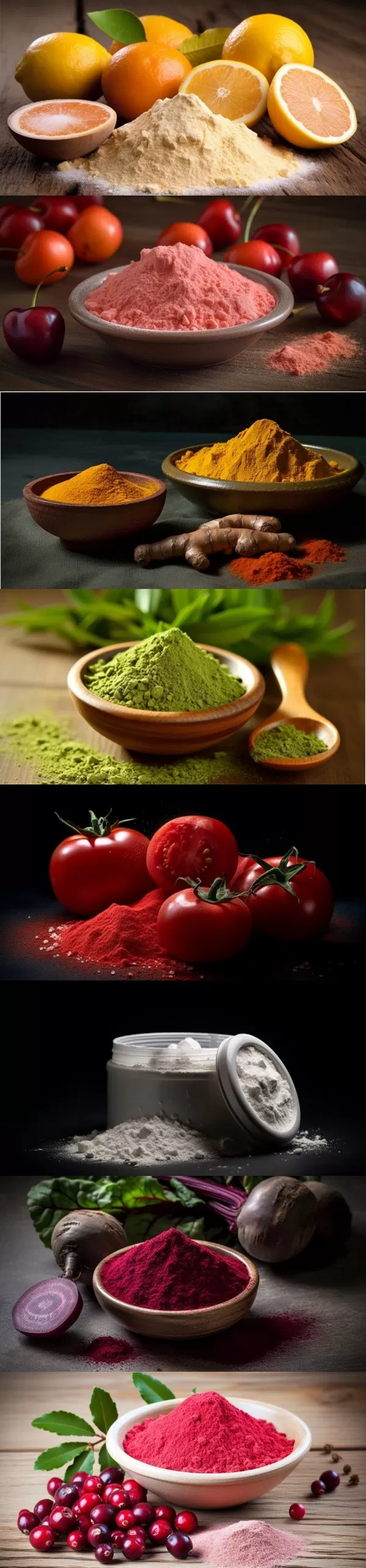
Botanical flavonoids and related polyphenolic compounds represent one of the most diverse and commercially important classes of plant-derived bioactive ingredients. Found naturally in fruits, vegetables, herbs, and marine organisms, these compounds have been the subject of thousands of scientific studies exploring their antioxidant, anti-inflammatory, and health-supporting properties.
For supplement manufacturers, nutraceutical companies, and cosmetic formulators, understanding the key flavonoids and carotenoids available in the market — and how to source quality extracts — is essential.
Quercetin: The Most Studied Dietary Flavonoid
What Is Quercetin?
Quercetin is a flavonol — a subclass of flavonoids — found abundantly in onions, apples, capers, broccoli, tea, and red wine. It is the most abundant and most extensively studied dietary flavonoid in the human diet.
Key Benefits
Immune support — Quercetin has been studied for its ability to modulate immune responses and support the body's natural defense mechanisms
Antioxidant activity — Neutralizes free radicals and reduces oxidative stress
Anti-inflammatory effects — May help modulate inflammatory pathways
Cardiovascular support — Supports healthy blood vessel function
Applications
Quercetin is used in immune support supplements, allergy relief formulas, cardiovascular health products, and sports nutrition. The global quercetin market has grown significantly, driven by consumer demand for natural immune-supporting ingredients.
Diosmin: Citrus Flavonoid for Circulatory Health
What Is Diosmin?
Diosmin is a naturally occurring flavone glycoside found primarily in citrus fruits, particularly oranges and lemons. It is commonly converted from hesperidin through a simple chemical process and is one of the most important venoactive drugs used in clinical practice worldwide.
Key Benefits
Venous health — Supports healthy vein function and capillary integrity
Lymphatic support — Helps maintain healthy lymphatic drainage
Microcirculation — Promotes healthy blood flow in small blood vessels
Antioxidant protection — Protects vascular tissue from oxidative damage
Applications
Diosmin is the key active ingredient in many venotonic pharmaceutical products and dietary supplements targeting venous insufficiency, hemorrhoids, and varicose veins. It is often combined with hesperidin for synergistic effects.
Astaxanthin: The "King of Carotenoids"
What Is Astaxanthin?
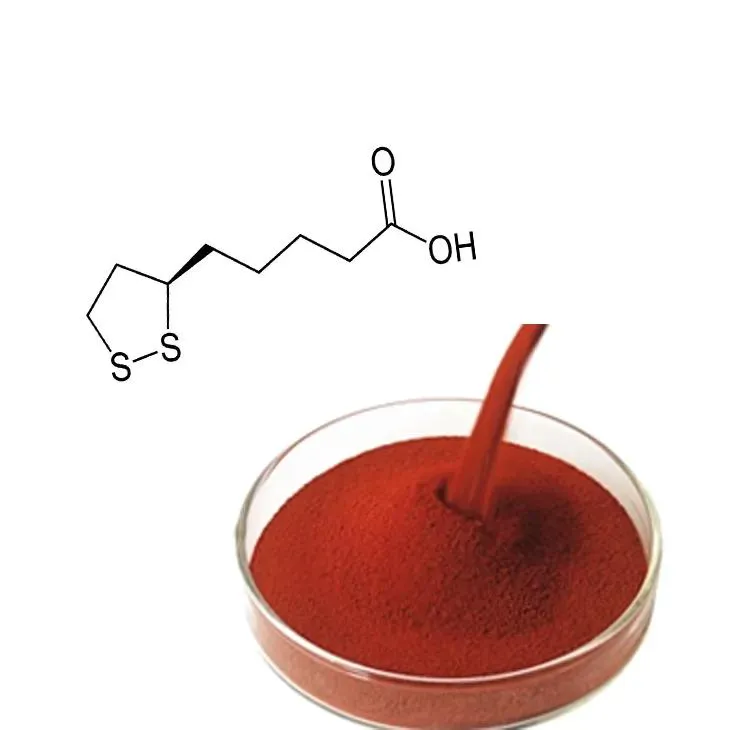
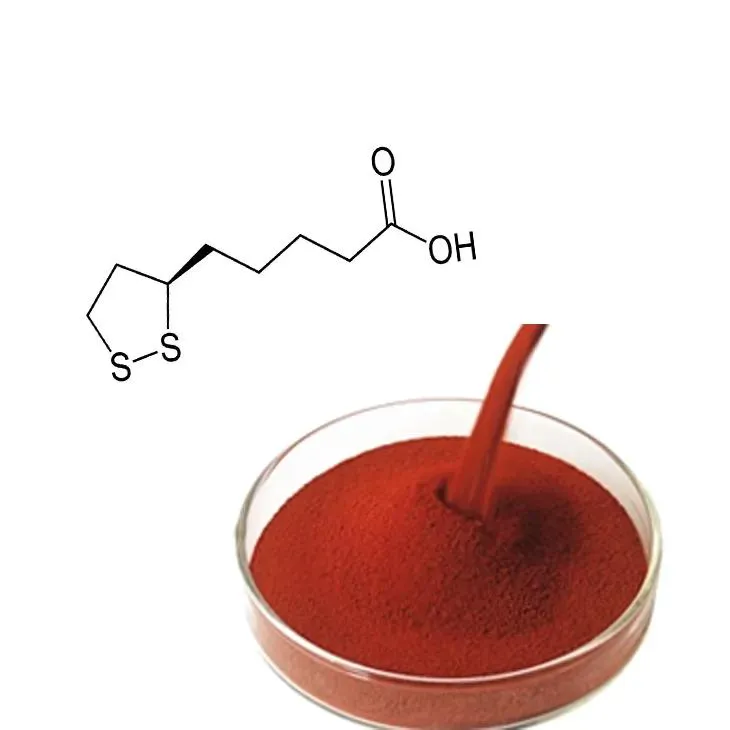
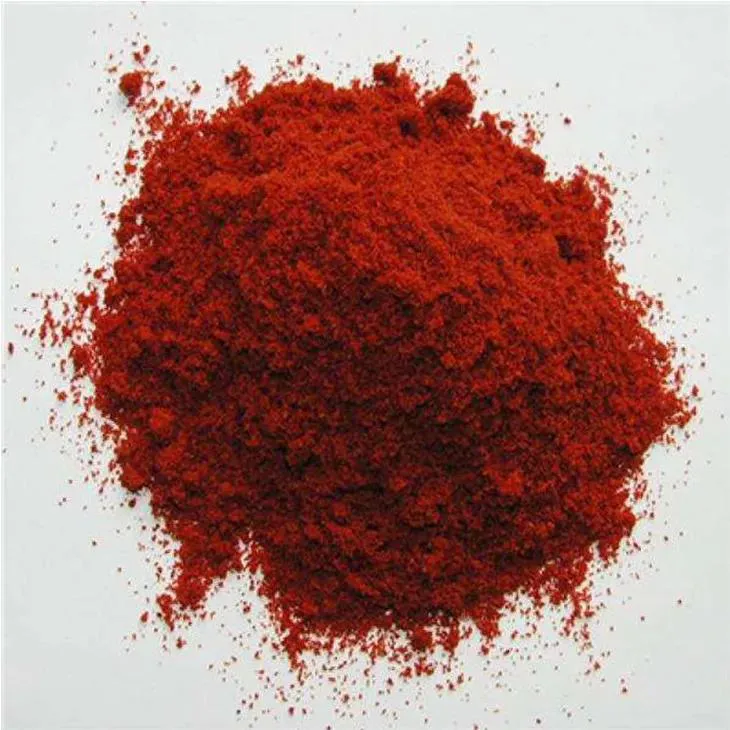
Astaxanthin is a reddish-pink pigment belonging to the carotenoid family. It is naturally produced by the microalgae Haematococcus pluvialis and accumulates in marine animals like salmon, shrimp, and krill (which is why these animals have a pinkish-red color).
Key Benefits
Powerful antioxidant — Astaxanthin is up to 6,000 times more potent than vitamin C and 800 times more potent than CoQ10 in certain antioxidant assays
Eye health — Crosses the blood-retinal barrier to protect ocular tissue
Skin protection — Supports skin elasticity and protects against UV-induced damage
Exercise recovery — May help reduce exercise-induced muscle damage and fatigue
Anti-inflammatory — Modulates multiple inflammatory pathways
Applications
Astaxanthin is used in premium dietary supplements, sports nutrition products, anti-aging skincare formulations, and eye health products.
Other Important Botanical Extracts from Greensky's Portfolio
Artichoke Extract (Cynarin)
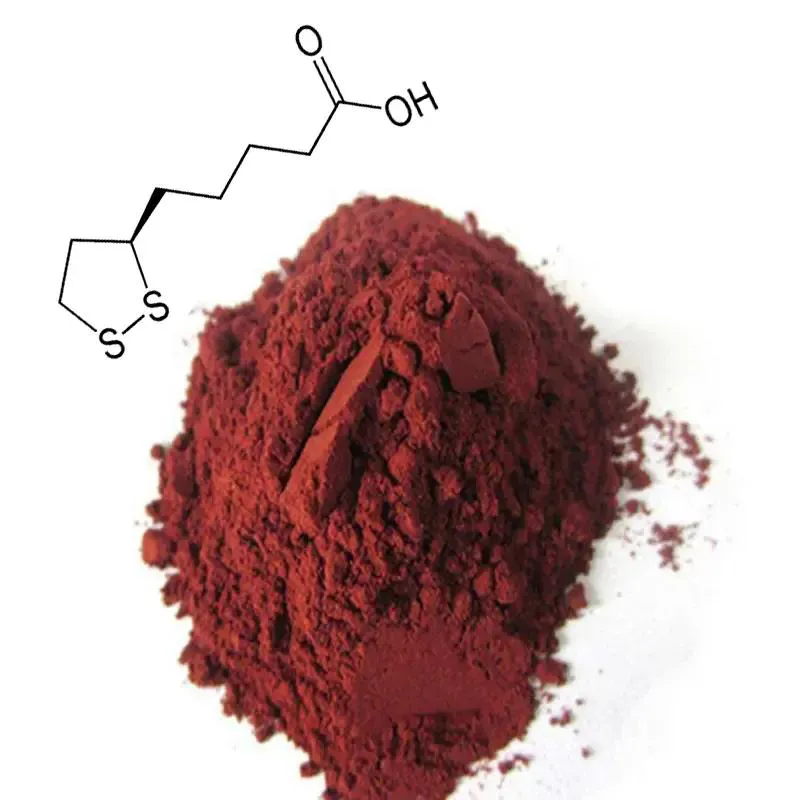
Artichoke (Cynara scolymus) extract, standardized to 1–5% cynarin, is widely used for liver health and digestive support. Cynarin stimulates bile production and supports healthy liver function.
Uridine-5'-Monophosphate (Disodium Salt)
This nucleotide compound supports neurodevelopment, memory function, and cellular energy metabolism. It is increasingly popular in cognitive health and anti-aging supplement formulations.
How to Source Quality Flavonoid and Carotenoid Extracts
Quality Indicators
When sourcing botanical flavonoids and carotenoids, look for:
Standardization — Extracts should be standardized to specific active compound percentages (e.g., quercetin 95%, diosmin 90%, astaxanthin 5%)
Testing methods — HPLC for flavonoids, UV-Vis for carotenoids
Purity — Free from heavy metals, pesticide residues, and microbial contamination
Stability data — Especially important for carotenoids like astaxanthin, which are sensitive to light and oxygen
Why Choose Greensky Bio
Hangzhou Greensky Biological Tech.Co., Ltd supplies a comprehensive range of botanical flavonoids and carotenoid extracts from its GMP-certified facilities. Key advantages:
ISO22000, BRCGS, Ecocert, SGS-GMP certified production
Independent laboratory with HPLC, GC, and UV testing capabilities
500 tons/year production capacity
20+ years of plant extract expertise
Global export experience to Europe, the US, South Korea, and Russia
FAQ
What's the difference between flavonoids and carotenoids?
Flavonoids (like quercetin and diosmin) are polyphenolic compounds found in plants, typically with antioxidant and anti-inflammatory properties. Carotenoids (like astaxanthin) are pigmented compounds that also have strong antioxidant activity but are chemically distinct from flavonoids.
Are botanical extracts better than synthetic compounds?
Botanical extracts offer a complex matrix of compounds that may work synergistically (the "entourage effect"), which synthetic single-molecule compounds cannot replicate. However, both have their place depending on the application.
What forms do these extracts come in?
Botanical extracts are available as powders, liquids, soft extracts, and encapsulated forms. The appropriate form depends on your intended application (capsules, tablets, beverages, cosmetics, etc.).
Conclusion
Botanical flavonoids and carotenoids represent a rapidly growing segment of the global nutraceutical market, driven by increasing consumer demand for evidence-based natural health ingredients. For manufacturers and brands, partnering with a certified, experienced extract supplier ensures consistent quality, regulatory compliance, and product efficacy.
- ▶ Hesperidin
- ▶ Citrus Bioflavonoids
- ▶ Plant Extract
- ▶ lycopene
- ▶ Diosmin
- ▶ Grape seed extract
- ▶ Sea buckthorn Juice Powder
- ▶ Fruit Juice Powder
- ▶ Hops Extract
- ▶ Artichoke Extract
- ▶ Mushroom extract
- ▶ Astaxanthin
- ▶ Green Tea Extract
- ▶ Curcumin
- ▶ Horse Chestnut Extract
- ▶ Other Product
- ▶ Boswellia Serrata Extract
- ▶ Resveratrol
- ▶ Marigold Extract
- ▶ Grape Leaf Extract
- ▶ New Product
- ▶ Aminolevulinic acid
- ▶ Cranberry Extract
- ▶ Red Yeast Rice
- ▶ Red Wine Extract
- ▶ blog
-
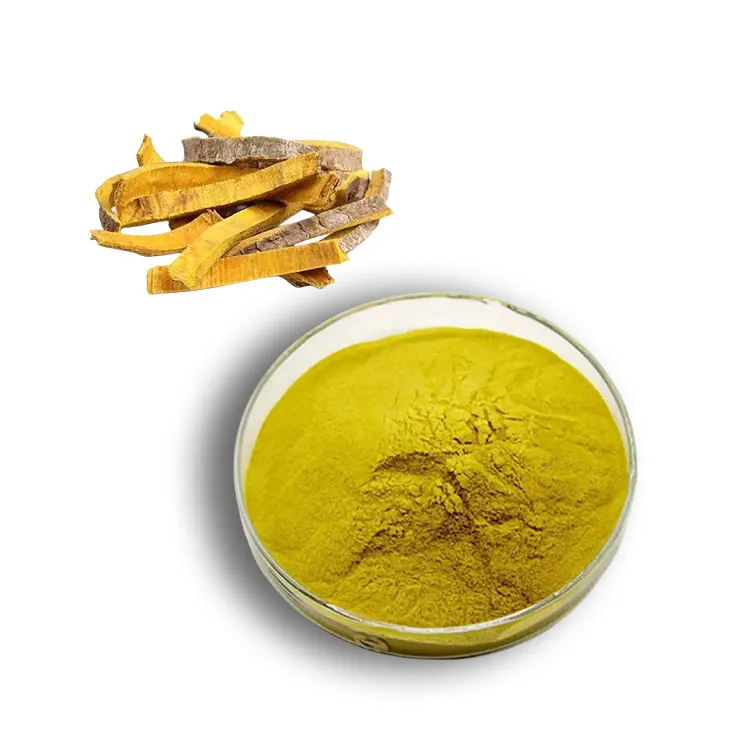
Phellodendron Extract
2026-10-24
-
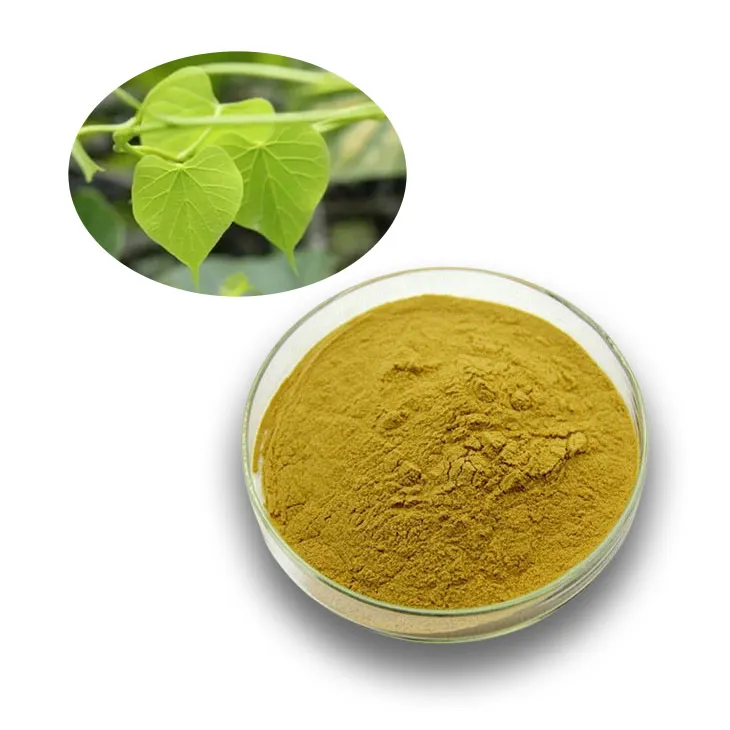
Tinospora cordifolia extract
2026-10-24
-
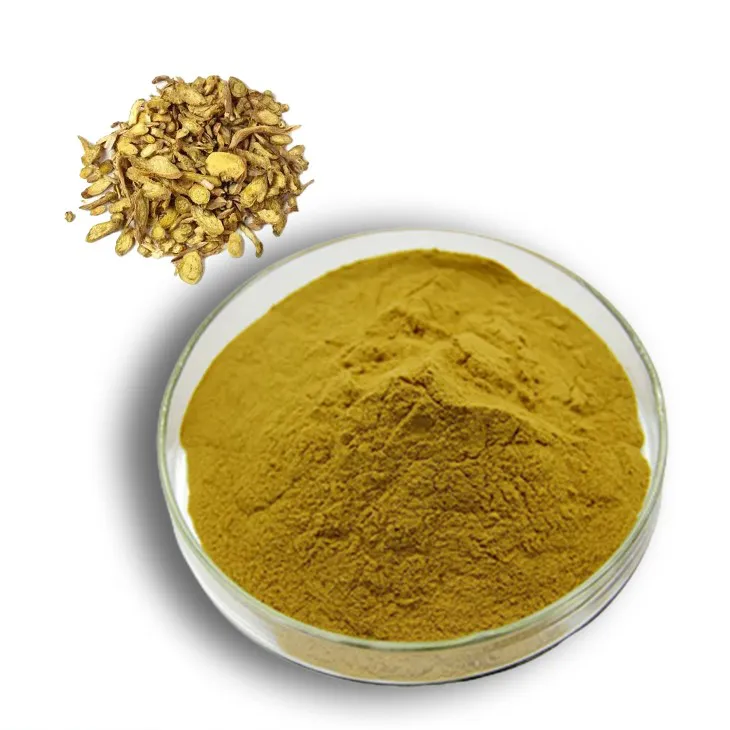
Baicalin
2026-10-24
-
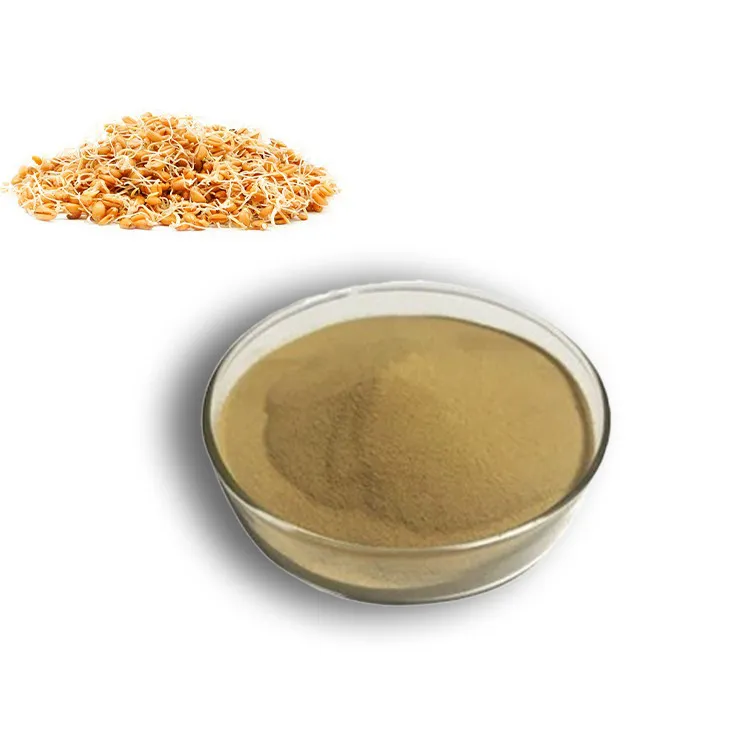
Wheat Germ Extract
2026-10-24
-
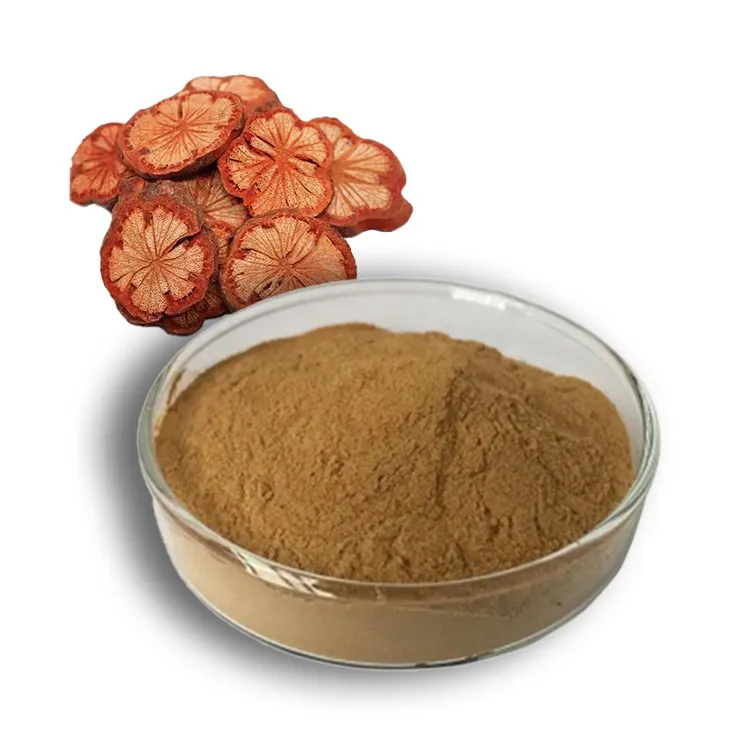
Red Vine Extract
2026-10-24
-
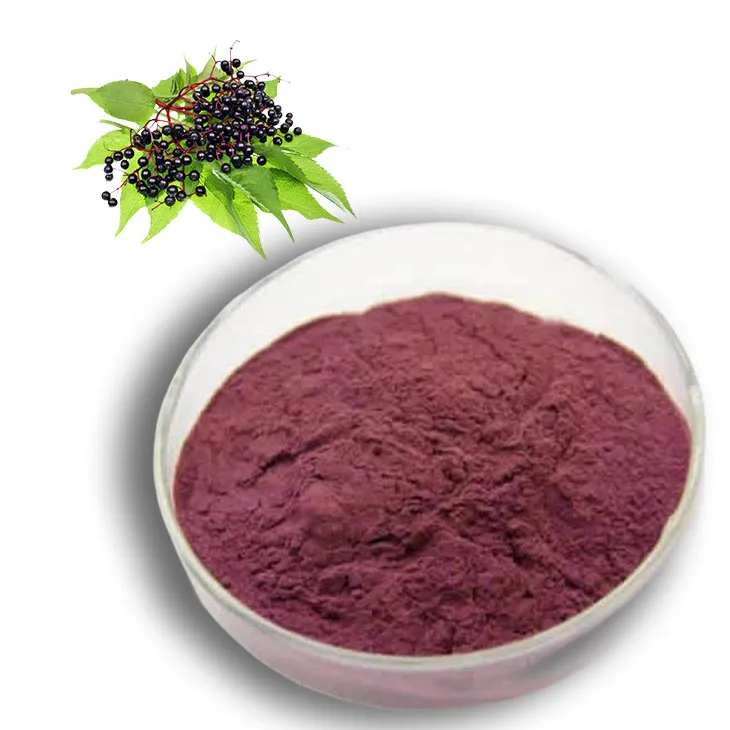
Elderberry Extract
2026-10-24
-
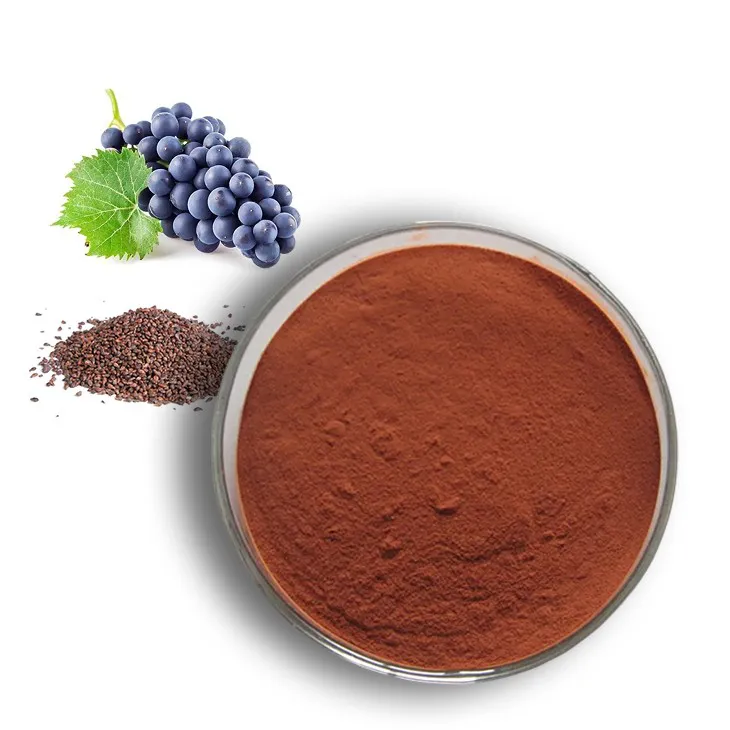
Natural grape seed extract
2026-10-24
-
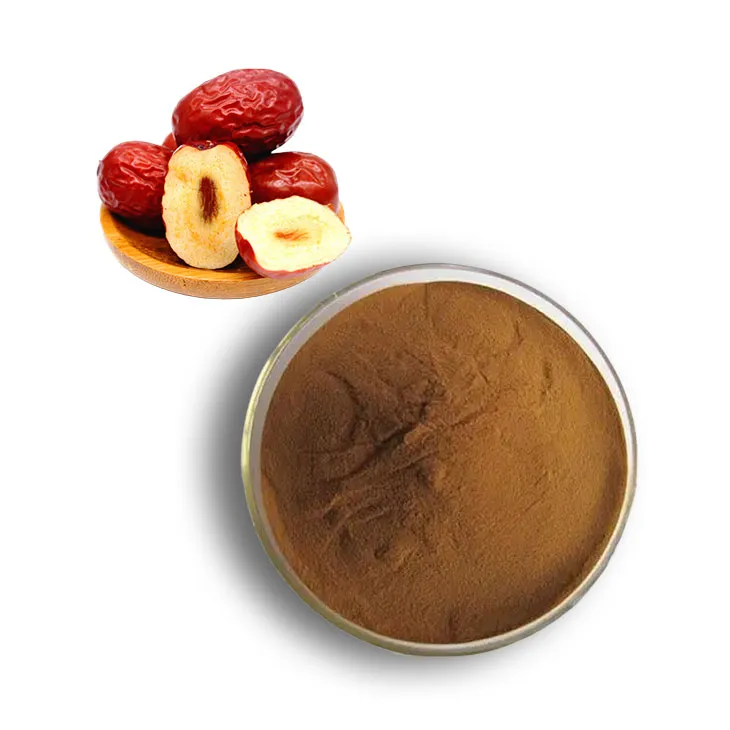
Red Date Extract
2026-10-24
-
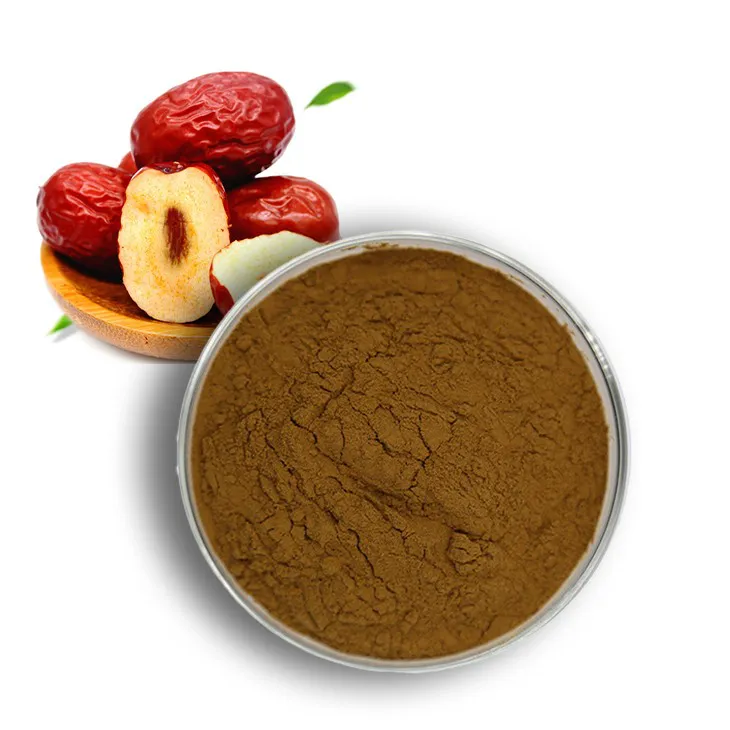
Jujube Extract
2026-10-24
-
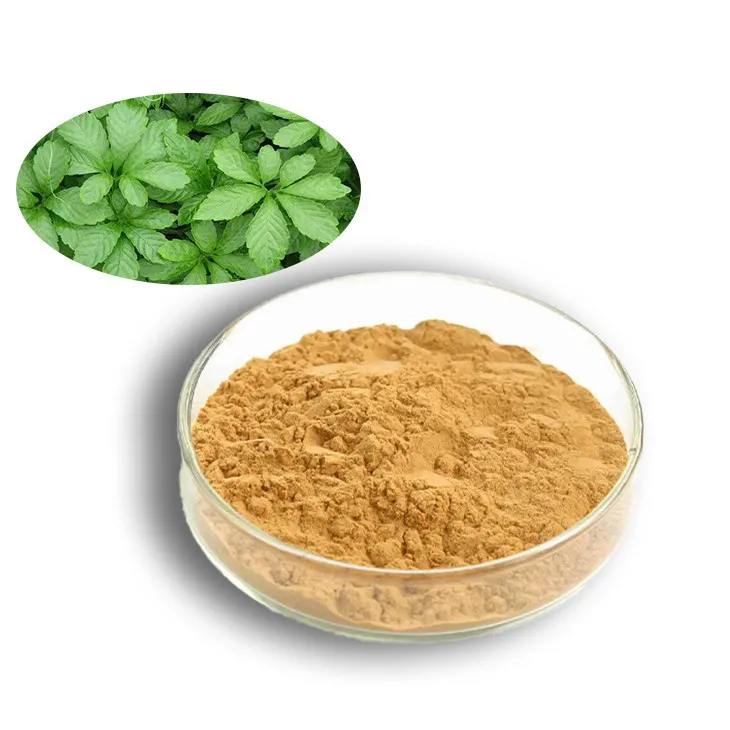
Gynostemma pentaphyllum extract
2026-10-24