- 0086-571-85302990
- [email protected]






Plant Extract Standardization Explained
2026-10-03
Plant Extract Standardization Explained: Why It Matters for Supplement Manufacturers and Brands
Date: 2026-09-29 | Author: Greensky Bio Quality Assurance Team
What Is Botanical Extract Standardization?
Standardization is the process of adjusting a botanical extract to contain a consistent, defined amount of one or more active compounds — the molecules responsible for the extract's biological activity. Without standardization, the potency of a plant extract can vary wildly from batch to batch due to differences in growing conditions, harvest timing, extraction parameters, and natural biological variation.
For plant extract manufacturers and their B2B buyers, standardization is the difference between a reliable, effective ingredient and an unpredictable raw material that undermines product quality and consumer trust.
Why Standardization Is Non-Negotiable in the Supplement Industry
Consistent Efficacy
If a dietary supplement capsule contains 500 mg of an unstandardized herbal extract on Day 1 and the same capsule on Day 30 contains extract with half the active compound content, consumers will experience inconsistent results — leading to lost trust, negative reviews, and ultimately, lost sales.
Standardization ensures that every batch, every capsule, every serving delivers the same amount of active ingredients.
Regulatory Compliance
Regulatory bodies worldwide increasingly require documented standardization for botanical ingredients:
European Pharmacopoeia: Specifies minimum and maximum levels for active compounds in standardized herbal extracts
US FDA: Requires dietary supplement manufacturers to verify the identity, purity, strength, and composition of their ingredients (21 CFR Part 111)
Health Canada: Requires standardized extracts for Natural Health Product (NHP) licensing
China NMPA: Specifies standardization requirements for both food and pharmaceutical-grade botanical extracts
Competitive Advantage
In a crowded supplement market, brands that can credibly claim standardized, clinically-studied ingredient levels have a significant marketing advantage. Consumers are increasingly educated and look for specific standardization levels on labels (e.g., "Standardized to 95% Curcuminoids").
How Standardization Works: From Plant to Potent Extract
Step 1: Raw Material Assessment
Before extraction begins, the raw botanical material is analyzed for its natural active compound content. This varies by:
Geographic origin: A Turmeric rhizome grown in India's tropical climate contains different Curcuminoid levels than one grown in a cooler region
Harvest timing: Saw Palmetto berries harvested in autumn contain higher fatty acid levels than spring-harvested berries
Plant age: Mature plants typically contain higher concentrations of secondary metabolites
Post-harvest processing: Drying temperature and duration affect heat-sensitive compounds
Step 2: Extraction
The chosen extraction method (supercritical CO₂, hydro-alcoholic, steam distillation, etc.) is selected based on the target compounds' solubility and stability. At Greensky Bio's research center, we employ multiple extraction technologies to optimize yield and quality for each specific botanical.
Step 3: Concentration and Purification
After initial extraction, the raw extract undergoes concentration (removing excess solvent or water) and purification (removing unwanted compounds). Macroporous resin adsorption chromatography is one of the most effective techniques for enriching specific active compounds while removing impurities.
Step 4: Adjustment and Blending
The final standardization step involves adjusting the concentrated extract to the target specification. This may involve:
Blending multiple batches to achieve the target active compound level
Adding carriers (maltodextrin, silicon dioxide) to standardize concentration and improve flowability
Microencapsulation to enhance stability and bioavailability of sensitive compounds
Step 5: Analytical Verification
Every standardized batch must be analytically verified before release. This is where advanced laboratory instrumentation is critical.
Key Analytical Methods for Standardization Testing
| Method | What It Measures | Common Applications |
|---|---|---|
| HPLC (High-Performance Liquid Chromatography) | Individual active compound content | EGCG in Green Tea, Curcuminoids in Turmeric, Monacolin K in Red Yeast Rice |
| UV-Vis Spectrophotometry | Total compound classes (e.g., total flavonoids, total anthocyanins) | Green Tea polyphenols, Grape seed OPC, Bilberry anthocyanins |
| GC (Gas Chromatography) | Volatile compounds, residual solvents | Essential oils, solvent residue testing |
| TLC (Thin-Layer Chromatography) | Fingerprint comparison, adulteration detection | Species identification, quality screening |
| ICP-MS / AAS | Heavy metal content | Lead, cadmium, arsenic, mercury quantification |
Greensky Bio's independent laboratory is equipped with HPLC, GC, UV, and other analytical instruments, enabling real-time quality verification for every production batch.
Common Standardization Examples in the Market
| Botanical Extract | Standardized Compound | Typical Standard |
|---|---|---|
| Curcumin/Turmeric Extract | Total Curcuminoids | 95% |
| Green Tea Extract | EGCG / Total Polyphenols | 50% EGCG / 80% Polyphenols |
| Saw Palmetto Extract | Total Fatty Acids | 45%, 85%, or 95% |
| Ginkgo Biloba Extract | Flavone Glycosides / Terpene Lactones | 24% / 6% |
| Red Yeast Rice Extract | Monacolin K | 0.2% – 5.0% |
| Grape Seed Extract | OPC (Oligomeric Proanthocyanidins) | 95% |
| Astaxanthin | Astaxanthin | 2.5% – 10% |
The Challenge of Adulteration and How to Detect It
Unfortunately, the botanical extract industry faces a significant adulteration problem. Unscrupulous suppliers may:
Spike extracts with synthetic compounds to artificially inflate standardization levels (e.g., adding synthetic curcumin to a low-potency turmeric extract)
Use inferior plant species that look similar but contain lower active compound levels
Dilute extracts with fillers without declaring them on the COA
Mix old and new batches to mask potency degradation
How to Protect Your Supply Chain
Demand full COAs with detailed test methods, instrument specifications, and reference standards
Conduct independent third-party testing on every incoming batch, especially for new suppliers
Request isotope ratio analysis to detect synthetic compound spiking
Use TLC fingerprinting to verify botanical identity and detect species substitution
Partner with certified manufacturers — ISO22000, BRCGS, and GMP certifications require documented quality systems that make adulteration virtually impossible
Standardization vs. Full-Spectrum Extracts: Which Is Better?
There is an ongoing debate in the botanical extract industry between standardized extracts and full-spectrum (whole-plant) extracts:
Standardized Extracts: Precision and Predictability
Pros: Consistent dosing, clinical evidence, regulatory compliance, quality verification
Cons: May lose some beneficial minor compounds during purification
Best for: Targeted health applications, clinical formulations, regulatory-compliant products
Full-Spectrum Extracts: Complexity and Synergy
Pros: Preserves the complete phytochemical profile, potential entourage effects
Cons: Batch-to-batch variability, harder to standardize, less clinical evidence
Best for: Traditional herbal medicine products, holistic wellness formulations
The Hybrid Approach
Many leading supplement brands now use a hybrid approach — a standardized base extract combined with a full-spectrum co-extract to deliver both precision and phytochemical complexity. This approach requires a manufacturer capable of producing both types of extracts and formulating them synergistically.
Greensky Bio's Standardization Capabilities
As a professional plant extract manufacturer with over 20 years of experience, Greensky Bio offers comprehensive standardization services:
Wide standardization range: From 5% to 98% active compound content, depending on the botanical
Multiple extraction technologies: Supercritical CO₂, hydro-alcoholic, resin chromatography, spray drying
In-house analytical laboratory: HPLC, GC, UV, TLC, ICP-MS — full testing capability
Custom specifications: Our R&D team can develop tailored standardization profiles for your specific product needs
Full certification: ISO22000, BRCGS, Ecocert Organic, SGS-GMP — every batch backed by documented quality systems
Transparent documentation: Complete COAs, TDS, SDS, and stability data for every product
Frequently Asked Questions
How is the standardization percentage determined?
The percentage represents the weight of the target active compound(s) relative to the total weight of the extract. For example, a "95% Curcumin" extract contains 950 mg of curcuminoids per gram of extract.
Does higher standardization always mean better quality?
Not necessarily. While higher standardization ensures more consistent dosing, some botanical benefits come from the interaction of multiple compounds. The "right" standardization level depends on the intended application and supporting clinical evidence.
Can you standardize an extract to multiple compounds simultaneously?
Yes. Many of our products are dual- or multi-standardized. For example, Ginkgo Biloba Extract is standardized to both 24% flavone glycosides AND 6% terpene lactones simultaneously.
What is the typical lead time for a custom standardization request?
Standard specifications are available from stock. Custom standardization typically requires 2–4 weeks for R&D development and 4–6 weeks for production, depending on complexity.
Partner with a Standardization Expert
Choosing a manufacturer with proven standardization expertise is one of the most important decisions you'll make for your supplement brand. Contact Greensky Bio to discuss your standardization requirements, request samples, and learn how our quality systems can support your product development goals.
- ▶ Hesperidin
- ▶ Citrus Bioflavonoids
- ▶ Plant Extract
- ▶ lycopene
- ▶ Diosmin
- ▶ Grape seed extract
- ▶ Sea buckthorn Juice Powder
- ▶ Fruit Juice Powder
- ▶ Hops Extract
- ▶ Artichoke Extract
- ▶ Mushroom extract
- ▶ Astaxanthin
- ▶ Green Tea Extract
- ▶ Curcumin
- ▶ Horse Chestnut Extract
- ▶ Other Product
- ▶ Boswellia Serrata Extract
- ▶ Resveratrol
- ▶ Marigold Extract
- ▶ Grape Leaf Extract
- ▶ New Product
- ▶ Aminolevulinic acid
- ▶ Cranberry Extract
- ▶ Red Yeast Rice
- ▶ Red Wine Extract
- ▶ blog
-
Dandelion Leaf Extract
2026-10-03
-
Avocado Extract Powder
2026-10-03
-
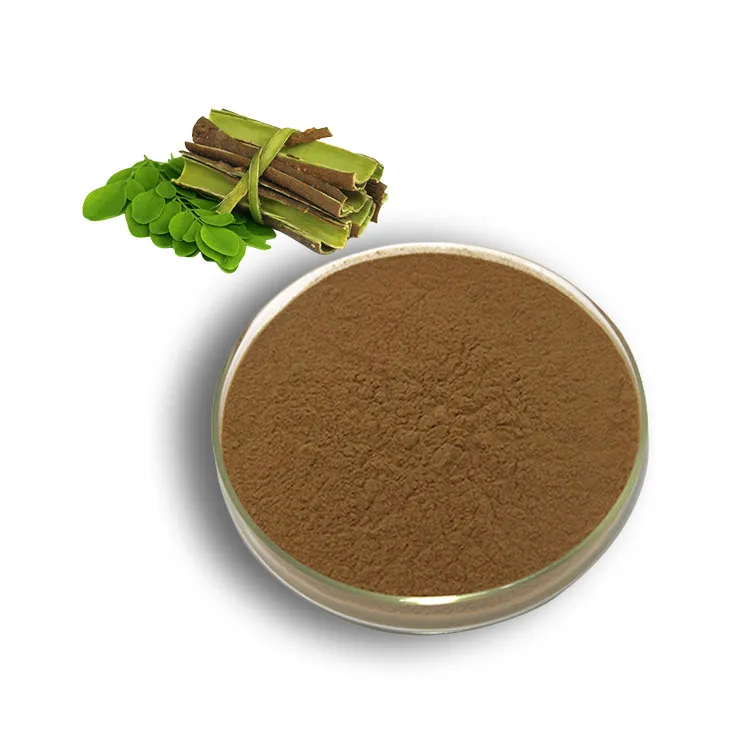
White Willow Bark Extract
2026-10-03
-
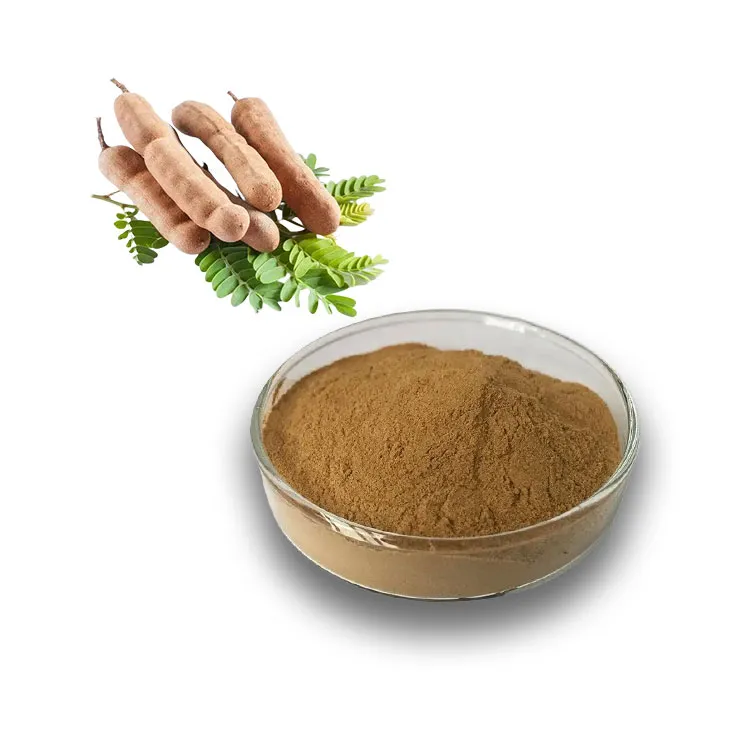
Tamarind extract powder
2026-10-03
-
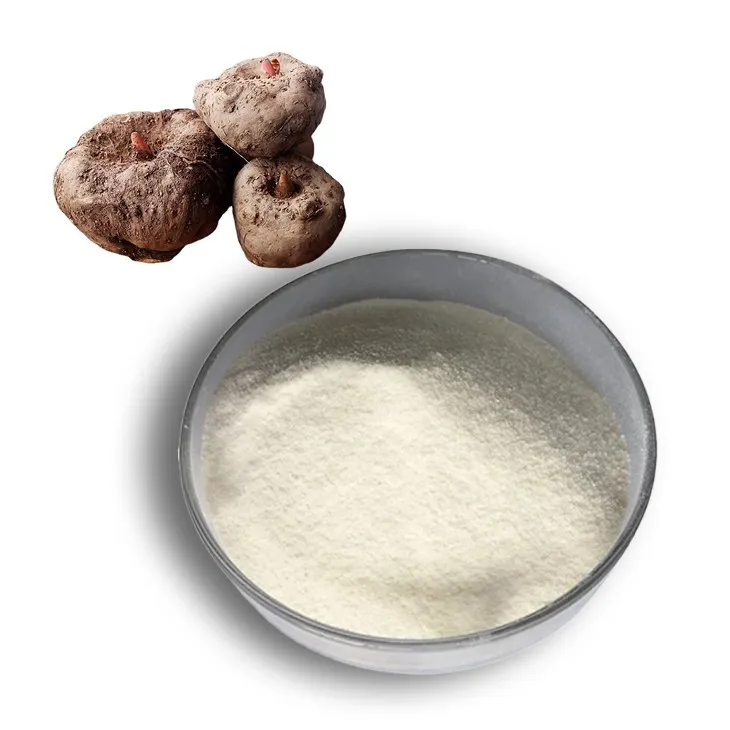
Konjac Powder
2026-10-03
-
White mustard seed extract
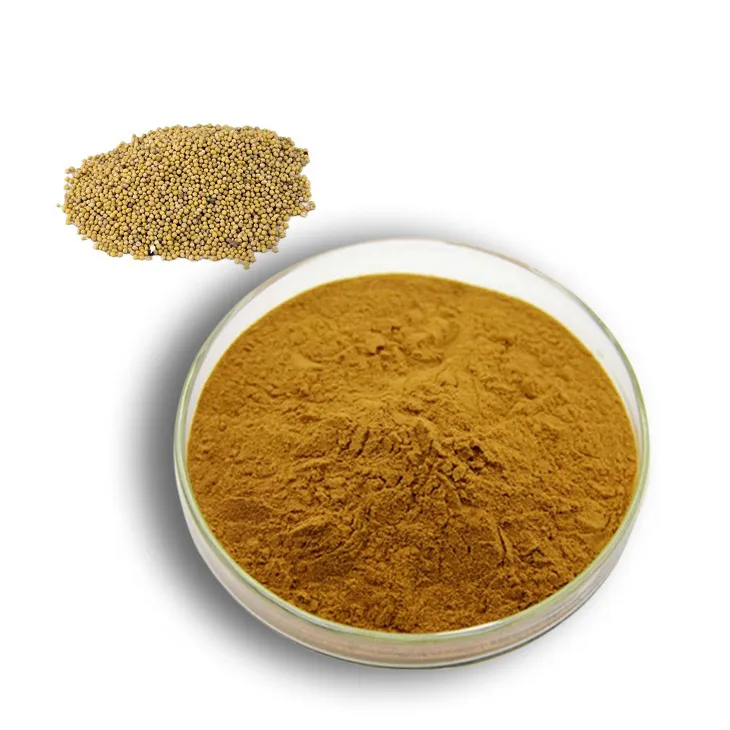
2026-10-03
-
Maca Extract
2026-10-03
-
Cocoa Extract
2026-10-03
-
Ginseng Root Extract
2026-10-03
-
Curcuma Longa Extract/Turmeric extract
2026-10-03
