- 0086-571-85302990
- [email protected]


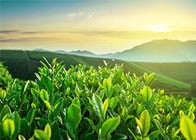

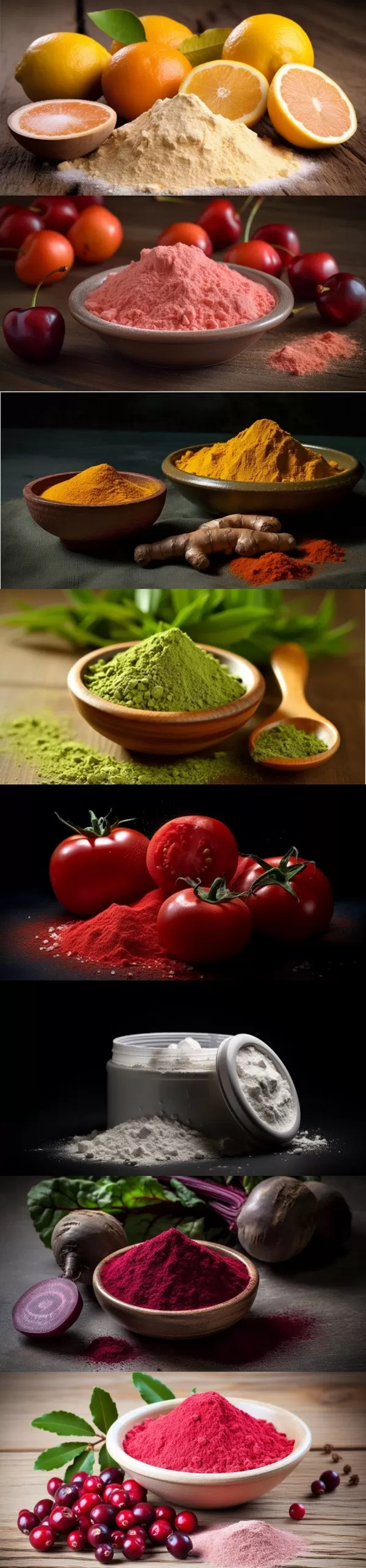

Global Botanical Extracts Market: Industry Trends, Growth Drivers & Key Opportunities in 2026
2026-08-23
Global Botanical Extracts Market: Industry Trends, Growth Drivers & Key Opportunities in 2026
The global botanical extracts market is experiencing remarkable growth as industries worldwide shift toward natural, clean-label, and sustainably sourced ingredients. According to the latest industry research from Future Market Insights, the botanical extracts market is valued at USD 7.8 billion in 2025 and is projected to reach USD 15.7 billion by 2035, registering a compound annual growth rate (CAGR) of 7.2% over the forecast period. Meanwhile, MarketsandMarkets reports the broader plant extracts market is expected to reach USD 61.5 billion by 2027, at an impressive CAGR of 12.3%.
This comprehensive article explores the latest trends, key growth drivers, regional dynamics, and emerging opportunities in the global plant extracts industry — providing valuable insights for manufacturers, distributors, and end-users in the botanical extracts sector.
1. Market Size & Growth Forecast
Multiple industry reports confirm robust growth trajectories for botanical and plant extracts across all major segments:
| Metric | Value |
|---|---|
| Botanical Extracts Market Value (2025) | USD 7.8 Billion |
| Forecast Value (2035) | USD 15.7 Billion |
| Forecast CAGR (2025–2035) | 7.2% |
| Plant Extracts Market Forecast (2027) | USD 61.5 Billion |
| Plant Extracts CAGR | 12.3% |
These figures reflect the increasing global demand for plant-based ingredients across food & beverage, pharmaceuticals, cosmetics, and nutraceutical industries.
2. Key Market Segments
2.1 By Source: Herbs Lead with 28.7% Revenue Share
The herbs segment is projected to account for 28.7% of total market revenue in 2025, making it the dominant source category. The widespread availability, rich phytochemical profiles, and broad therapeutic applications of herbs have driven this leadership position. Key herbs driving market growth include turmeric, ginseng, green tea, ginger, and rosemary.
Other significant source segments include flowers, fruits, spices, and tea leaves, each contributing to the diversified product portfolio of the botanical extracts industry.
2.2 By Form: Powder Extracts Command 61.2% Share
The powder form is expected to represent 61.2% of the botanical extracts market in 2025. This leadership position is driven by powder extracts' high stability, ease of storage, extended shelf life, and versatility across applications including capsules, tablets, drink mixes, and cosmetics. The lower moisture content also makes powders less susceptible to microbial growth, improving overall product safety.
2.3 By Application: Food & Beverage Dominates at 46.9%
The food and beverage sector is forecasted to capture 46.9% of market revenue in 2025. Rising consumer demand for functional foods and naturally flavored beverages has been the primary growth engine. Botanical extracts from herbs, fruits, and spices are increasingly incorporated into teas, health drinks, baked goods, and dairy alternatives due to their antioxidant, antimicrobial, and adaptogenic properties.
Other key application segments include cosmetics & skincare, pharmaceuticals, and nutraceuticals.
3. Major Growth Drivers in 2026
3.1 Rising Health Awareness & Clean-Label Demand
Consumer preference for natural and organic ingredients has surged dramatically. Shoppers increasingly scrutinize product labels and actively seek out botanical, plant-derived alternatives to synthetic additives. This "clean-label" movement is reshaping product formulations across the food, beverage, and personal care industries, driving sustained demand for botanical extracts.
3.2 Advancements in Extraction Technologies
Significant technological progress has transformed the botanical extracts landscape. Key innovations include:
Supercritical CO₂ extraction — delivering higher purity with zero solvent residue
Ultrasonic-assisted extraction — improving yield while preserving bioactive compounds
Microwave-assisted processing — reducing processing time and energy consumption
Solvent-free green technologies — aligning with global sustainability goals
These advanced techniques have enhanced the purity, potency, and functional benefits of botanical extracts, enabling manufacturers to produce high-quality, standardized ingredients at commercial scale.
3.3 Expansion in Nutraceutical & Dietary Supplements
The nutraceutical industry has emerged as a major consumer of botanical extracts. Plant-derived bioactive compounds such as polyphenols, alkaloids, flavonoids, and terpenes have been extensively studied for their antioxidant, antimicrobial, and anti-inflammatory benefits. Botanical extracts are incorporated into dietary supplements, herbal medicines, and wellness products targeting immunity, cardiovascular health, cognitive function, and digestive wellness.
3.4 Growing Demand in Cosmetics & Personal Care
The cosmetics and personal care industry has increasingly adopted botanical extracts for their natural bioactive properties. Ingredients like aloe vera, chamomile, lavender, ginseng, and tea tree extracts are integrated into skincare, haircare, and personal hygiene products for their antioxidant, anti-aging, anti-inflammatory, and moisturizing functions.
3.5 Sustainability & Ethical Sourcing
Consumers and regulators alike are pushing for sustainable sourcing and transparent supply chains. Companies that can demonstrate ethical cultivation practices, fair trade sourcing, and environmentally responsible processing are gaining a significant competitive advantage in the global market.
4. Regional Market Analysis
Asia Pacific demonstrates the strongest growth momentum, supported by abundant raw material resources, lower production costs, and expanding applications across multiple industries. China leads the region with a projected CAGR of 9.7%, driven by large-scale herbal cultivation, strong domestic demand, and rising export capacity.
| Country | Projected CAGR (2025–2035) |
|---|---|
| China | 9.7% |
| India | 9.0% |
| Germany | 8.3% |
| United Kingdom | 6.8% |
| United States | 6.1% |
India follows China at a 9.0% CAGR, supported by its strong Ayurveda foundation and increasing utilization of botanical extracts in dietary supplements and functional foods. Germany grows at 8.3%, benefiting from established natural cosmetics and herbal medicine industries.
Europe shows steady advancement, underpinned by stringent regulations on natural ingredients in food, beverages, and personal care products. The region exhibits strong demand for traceable, clean-label botanical extracts. North America displays consistent growth, driven primarily by dietary supplements and functional food sectors.
5. Key Players in the Global Market
The global botanical and plant extracts market features a diverse competitive landscape. Leading companies include:
International Flavors & Fragrances Inc. (IFF, US)
Givaudan (Switzerland)
Symrise (Germany)
Kerry Group Plc (Ireland)
ADM (Archer Daniels Midland, US)
Synthite Industries Ltd. (India)
Kalsec Inc. (US)
Martin Bauer Group (Germany)
Döhler GmbH (Germany)
Nutra Green Biotechnology Co., Ltd. (China)
Ambe NS Agro Products Pvt. Ltd. (India)
Kangcare Bioindustry Co., Ltd. (China)
These companies are investing heavily in R&D, capacity expansion, and strategic partnerships to capitalize on the growing demand for premium botanical extracts.
6. Emerging Trends to Watch
6.1 Plant-Based & Vegan Products
The global shift toward plant-based diets and vegan lifestyles is creating new opportunities for botanical extracts as natural flavorings, colorants, and functional ingredients in plant-based food formulations.
6.2 Personalized Nutrition
As consumer health awareness deepens, personalized nutrition solutions tailored to individual health profiles are gaining traction. Botanical extracts with targeted health benefits — such as adaptogens for stress management or specific antioxidants for cellular protection — are well-positioned to lead this trend.
6.3 Regulatory Support for Natural Ingredients
Governments worldwide are increasingly supporting the use of natural, plant-based ingredients in food and consumer products. Regulatory frameworks in the EU, US, and Asia are evolving to facilitate the adoption of botanical extracts while maintaining safety standards.
6.4 Green & Sustainable Processing
The focus on environmentally friendly extraction methods — including solvent-free processes, water-based extraction, and energy-efficient technologies — is becoming a key differentiator for manufacturers. This trend aligns with global sustainability commitments and consumer expectations for eco-friendly products.
7. Conclusion
The global botanical extracts and plant extracts market is poised for sustained, robust growth through 2035 and beyond. Driven by rising health consciousness, clean-label demand, technological innovations in extraction, and expanding applications across food, pharmaceuticals, cosmetics, and nutraceuticals, the industry offers significant opportunities for manufacturers, suppliers, and distributors.
Companies that invest in quality, sustainability, and innovation will be best positioned to capture a growing share of this dynamic and rapidly expanding market.
For inquiries about our botanical extract products, please contact us today.
- ▶ Hesperidin
- ▶ Citrus Bioflavonoids
- ▶ Plant Extract
- ▶ lycopene
- ▶ Diosmin
- ▶ Grape seed extract
- ▶ Sea buckthorn Juice Powder
- ▶ Fruit Juice Powder
- ▶ Hops Extract
- ▶ Artichoke Extract
- ▶ Mushroom extract
- ▶ Astaxanthin
- ▶ Green Tea Extract
- ▶ Curcumin
- ▶ Horse Chestnut Extract
- ▶ Other Product
- ▶ Boswellia Serrata Extract
- ▶ Resveratrol
- ▶ Marigold Extract
- ▶ Grape Leaf Extract
- ▶ New Product
- ▶ Aminolevulinic acid
- ▶ Cranberry Extract
- ▶ Red Yeast Rice
- ▶ Red Wine Extract
- ▶ blog
-
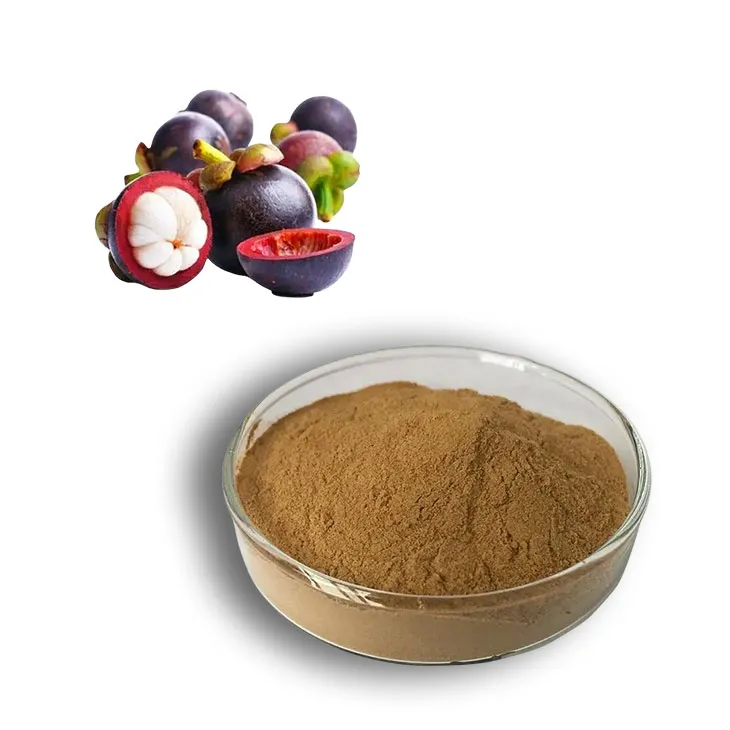
Mangosteen extract powder
2026-08-23
-
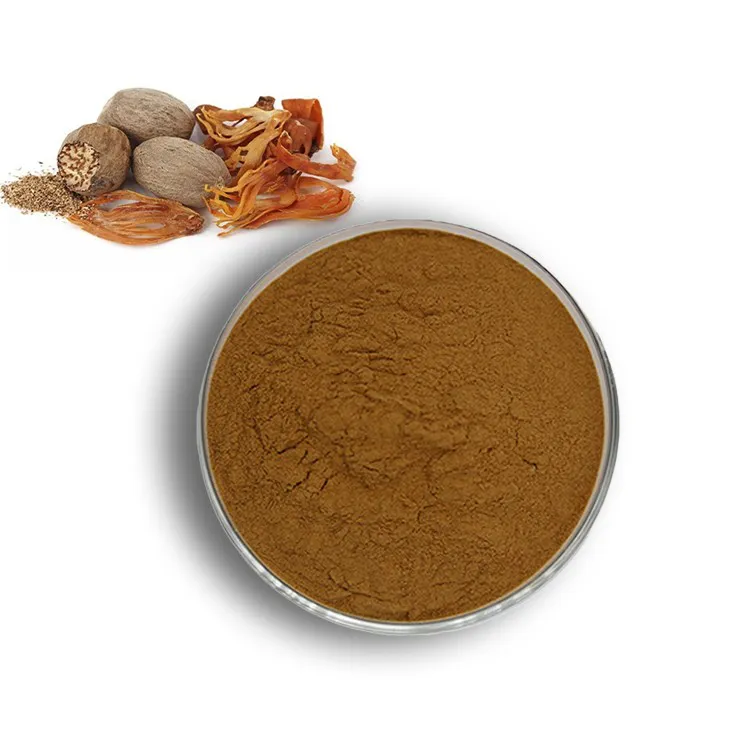
Nutmeg Extract
2026-08-23
-
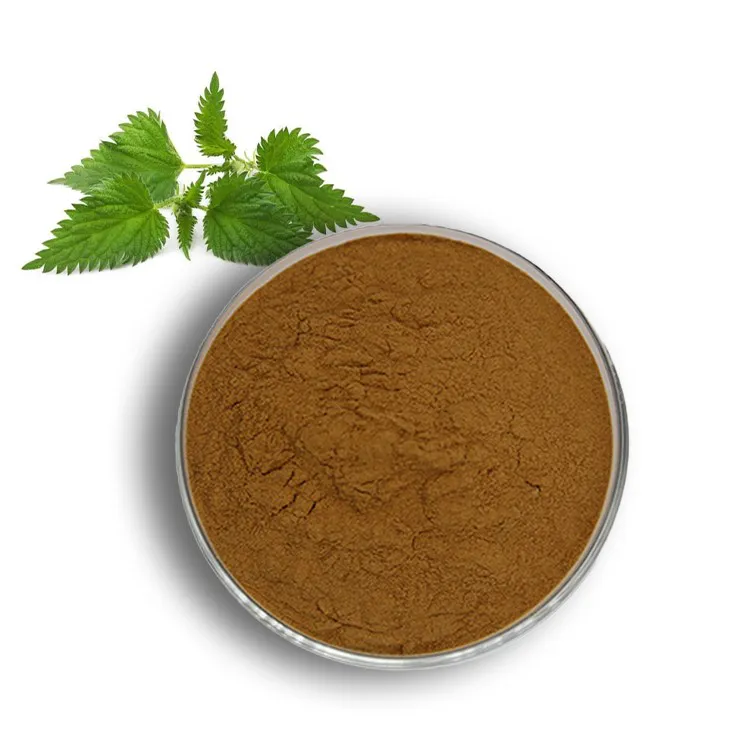
Nettle Root Extract
2026-08-23
-
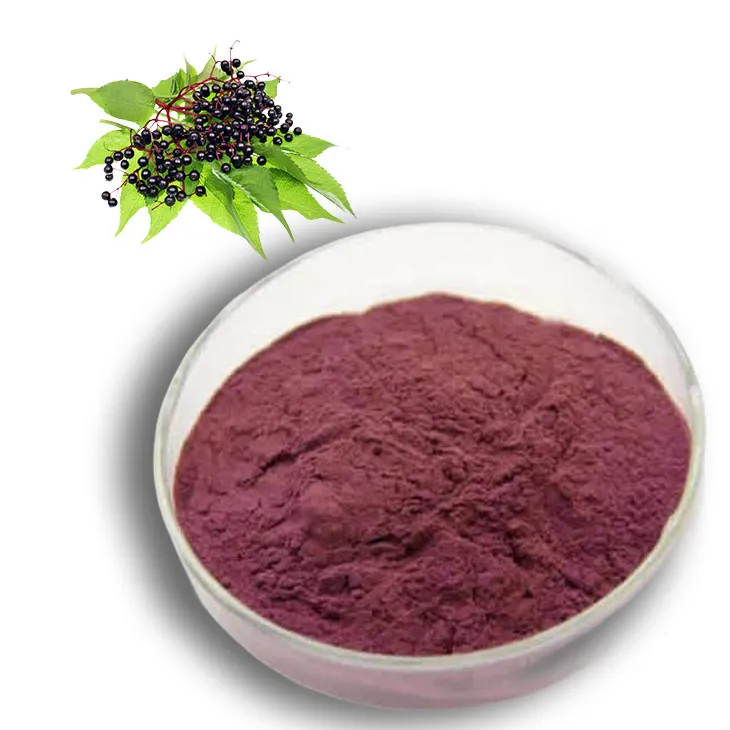
Elderberry Extract
2026-08-23
-
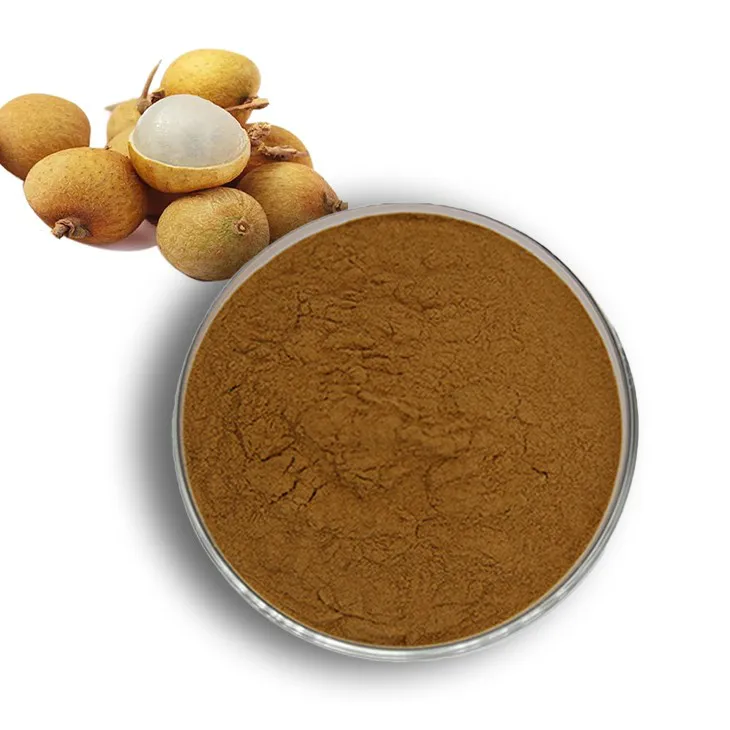
Longan Extract
2026-08-23
-
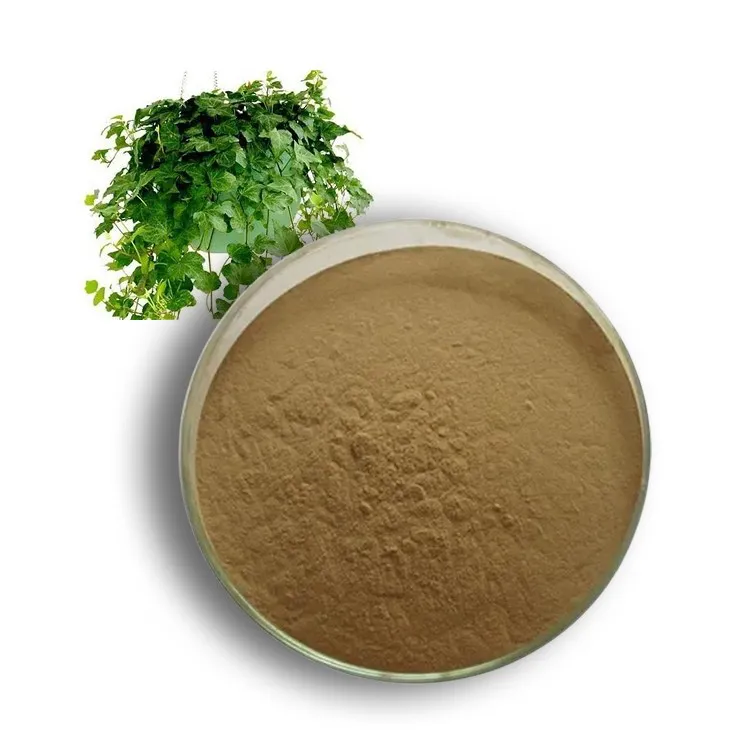
Ivy Extract
2026-08-23
-
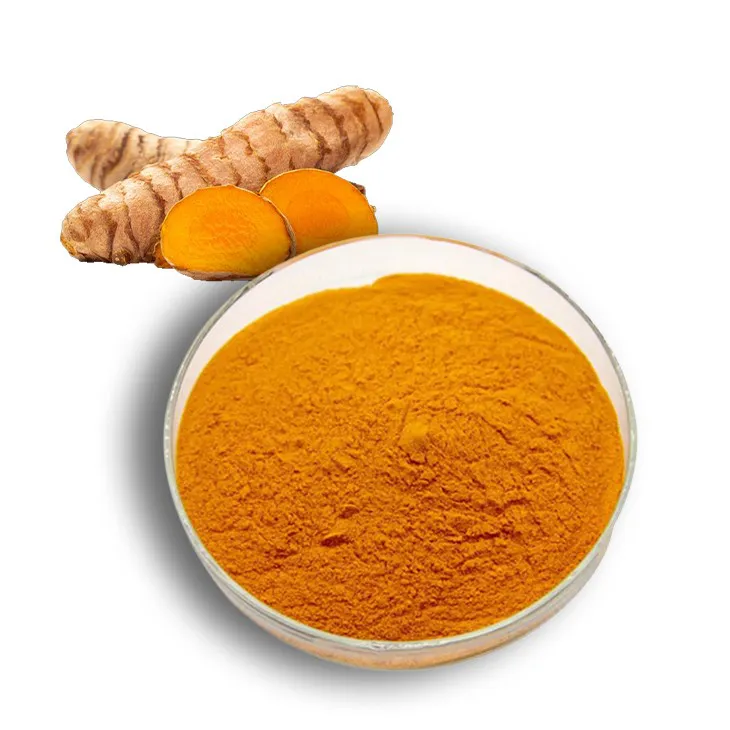
Curcumin
2026-08-23
-
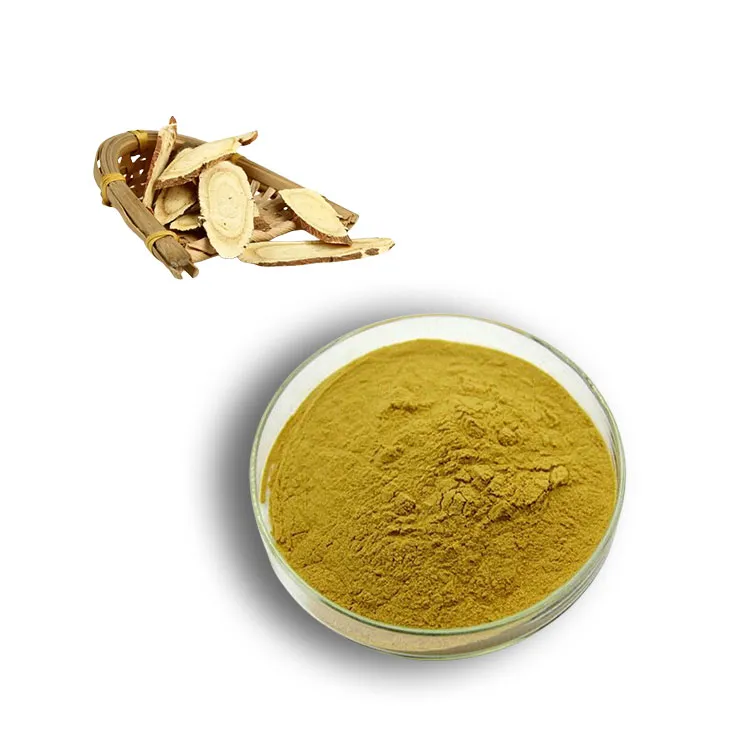
Licorice Root Extract Powder
2026-08-23
-
Mulberry leaf Extract
2026-08-23
-
Camu Camu Extract
2026-08-23