- 0086-571-85302990
- [email protected]




Global Plant Extract Industry: 2025-2026 Market Trends, News & Outlook
2026-08-21
Published: August 2026 Keywords: Plant Extract, Botanical Extract, Natural Ingredients, Functional Food, Dietary Supplements, Natural Cosmetics
Introduction
The global plant extract (botanical extract) industry is experiencing unprecedented growth, driven by rising health consciousness, clean-label demand, and technological breakthroughs in extraction processes. From food and beverages to pharmaceuticals and personal care, plant extracts are reshaping multiple industries. This article provides a comprehensive overview of the latest market data, technological innovations, regulatory developments, and regional competitive landscape in the global plant extract sector.
1. Global Market Size & Growth Outlook
According to the latest report from Future Market Insights, the global botanical extracts market stands at:
Metric Data Market Value (2025) USD 7.8 Billion Forecast Value (2035) USD 15.7 Billion CAGR (2025–2035) 7.2%
Meanwhile, MarketsandMarkets reports that the broader plant extracts market — encompassing oleoresins, essential oils, flavonoids, alkaloids, and carotenoids — is projected to reach USD 61.5 Billion by 2027, growing at a CAGR of 12.3%. This broader figure reflects the strong growth momentum in high-value applications including pharmaceuticals, cosmetics, and dietary supplements.
Key Growth Drivers
Rising Health Awareness — Global consumers are increasingly seeking "clean label" products. Plant-based natural extracts serve as the ideal alternative to synthetic additives in food ingredient lists.
Preventive Healthcare Trend — The shift from reactive treatment to preventive health has fueled demand for botanicals with antioxidant, anti-inflammatory, and immune-supporting properties.
Extraction Technology Advances — Supercritical fluid extraction, ultrasonic-assisted extraction, and solvent-free technologies have significantly improved product purity, bioavailability, and stability.
2. Segment Analysis
2.1 By Source
Herbs lead the market with a 28.7% revenue share in 2025. Their rich phytochemical profiles, established use in traditional pharmacopeias, and broad therapeutic applications sustain their dominance.
Flowers, Fruits, Spices, and Tea Leaves follow, each contributing unique value in flavoring, antioxidant, and beauty & personal care applications.
2.2 By Form
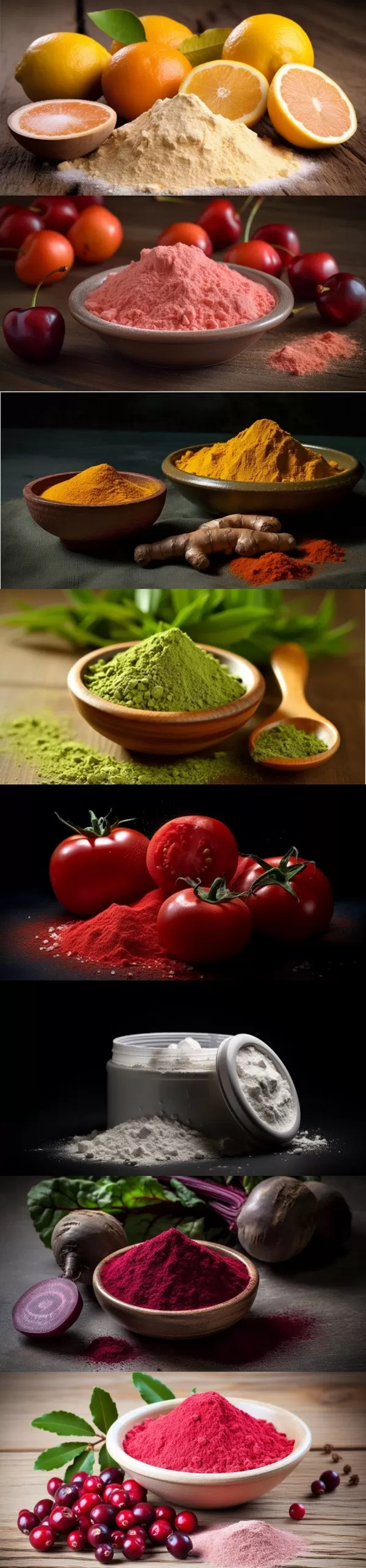
Powder Form accounts for 61.2% of market revenue, dominating due to its extended shelf life, ease of storage, cost-efficient transportation, and compatibility with capsules, tablets, drink mixes, and cosmetic formulations.
Liquid Form continues to grow within the beverage and liquid supplement segments.
2.3 By Application
Food & Beverage leads with a 46.9% market share. Plant extracts serve three key functions: natural flavoring, natural coloring, and natural preservation. Green Tea Extract, Curcumin, and Rosemary extract have become core ingredients in functional beverages and bakery products.
Cosmetics & Skincare follows closely, with natural plant essences gaining traction in anti-aging, skin-brightening, and restorative product categories.
Pharmaceutical & Nutraceutical is the fastest-growing segment, with polyphenols, flavonoids, alkaloids, and terpenes being extensively studied for cardiovascular, digestive, and immune health benefits.
3. Regional Competitive Landscape
3.1 Asia Pacific: The Global Growth Engine
The Asia Pacific region is outpacing the global average, driven by:
Abundant Raw Materials — China, India, and Indonesia possess rich botanical biodiversity and are the world's primary plant raw material suppliers.
Complete Supply Chain — From cultivation and harvesting to extraction and deep processing, the regional supply chain is increasingly mature with significant cost advantages.
Export-Oriented Growth — Chinese and Indian companies are rapidly expanding into premium European and North American markets, with export volumes climbing steadily.
3.2 Europe: Quality Benchmark Driven by Regulation
Europe's stringent regulatory framework — including EFSA health claim assessments and Novel Food regulations — drives the industry toward traceable, verifiable, high-quality botanical extracts. European consumer trust in "Organic" and "Natural" labels is the highest globally, providing a stable demand foundation.
3.3 North America: Core Dietary Supplement Market
The North American market is primarily driven by the dietary supplement and functional food sectors. The US FDA regulatory framework for dietary supplement ingredients provides a clear pathway for botanical applications, while cGMP compliance requirements continue to raise industry entry barriers.
4. Technology Innovation & Industry Trends
4.1 Extraction Technology Breakthroughs
Supercritical CO₂ Extraction — Solvent-free, high extraction efficiency, preserves heat-sensitive active compounds;已成为高端提取首选。
Ultrasonic-Assisted Extraction — Dramatically reduces extraction time and energy consumption, suitable for large-scale industrial production.
Enzyme-Assisted Extraction — Uses specific enzymes to break cell walls and release intracellular active substances, improving target compound yield.
Microwave-Assisted Extraction — Uniform heating, high efficiency, suitable for oil-containing plant materials.
4.2 Sustainable Supply Chain & Traceability
Leading companies are advancing sustainable sourcing and full-chain traceability systems — from GAP-compliant cultivation to GMP-compliant processing and end-product quality management. Carbon footprint accounting and Fair Trade certification are emerging as new competitive dimensions.
4.3 Microencapsulation & Targeted Delivery
Breakthroughs in microencapsulation technology and liposomal delivery systems enable plant extract active ingredients to remain stable during processing and achieve targeted release in the human body, significantly improving bioavailability and efficacy.
5. Key Industry Players
Major players in the global plant extract market include:
International Flavors & Fragrances (IFF) (USA)
Givaudan (Switzerland)
Symrise (Germany)
Kerry Group (Ireland)
ADM (USA)
Döhler (Germany)
Kalsec (USA)
Synthite Industries (India)
Martin Bauer Group (Germany)
Nutra Green Biotechnology (China)
Consolidation is accelerating, with multinational corporations expanding their Asia Pacific footprint through M&A and technology partnerships, while increasing R&D investment in customized extract solutions.
6. Regulatory Environment Updates
6.1 United States
The US FDA continues to enforce FSMA (Food Safety Modernization Act), imposing stricter cGMP requirements for botanical ingredients in dietary supplements and functional foods. The GRAS certification process is also being optimized for efficiency.
6.2 European Union
The EU EFSA continues updating its Novel Food approval process for new botanical ingredients. Companies entering the European market must prepare comprehensive safety assessment data. The EU Organic certification standard is also being tightened.
6.3 China
As a leading global producer and exporter of plant extracts, China has made significant progress in national standards, export compliance, and green manufacturing. Customs export data shows continuous growth in Chinese plant extract exports, particularly in functional food ingredients and natural cosmetic raw materials.
7. Future Outlook & Strategic Recommendations
Key trends shaping the global plant extract industry in 2025-2026:
Continued Market Expansion — The global plant extract market will double over the next decade, with CAGR maintained in the 7-12% range.
Asia Pacific Dominance — China, India, and other APAC countries will continue to play core roles in the global plant extract supply chain.
Technology as Competitive Edge — Continuous optimization of extraction processes and breakthroughs in delivery technology will be key differentiators.
Rising Compliance Thresholds — Stricter regulations worldwide require greater investment in quality management and regulatory compliance.
Sustainability as Industry Standard — End-to-end greening from source cultivation to end products is becoming the industry baseline.
For industry participants, focusing on the three high-growth segments — functional foods, natural cosmetics, and dietary supplements — while continuously improving R&D capabilities and compliance levels will be the key strategy for standing out in an increasingly competitive market.

- ▶ Hesperidin
- ▶ Citrus Bioflavonoids
- ▶ Plant Extract
- ▶ lycopene
- ▶ Diosmin
- ▶ Grape seed extract
- ▶ Sea buckthorn Juice Powder
- ▶ Fruit Juice Powder
- ▶ Hops Extract
- ▶ Artichoke Extract
- ▶ Mushroom extract
- ▶ Astaxanthin
- ▶ Green Tea Extract
- ▶ Curcumin
- ▶ Horse Chestnut Extract
- ▶ Other Product
- ▶ Boswellia Serrata Extract
- ▶ Resveratrol
- ▶ Marigold Extract
- ▶ Grape Leaf Extract
- ▶ New Product
- ▶ Aminolevulinic acid
- ▶ Cranberry Extract
- ▶ Red Yeast Rice
- ▶ Red Wine Extract
- ▶ blog
-
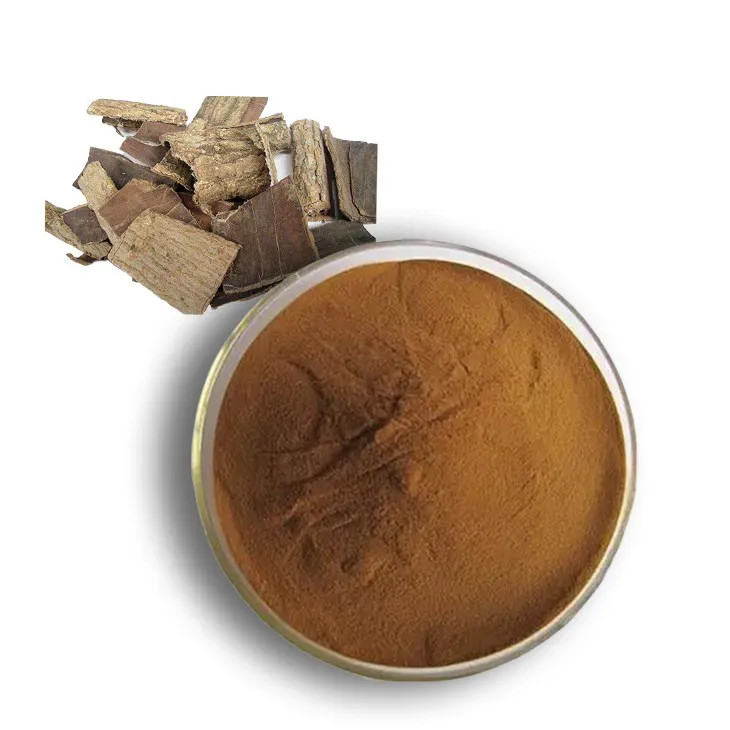
Eucommia Ulmoides Extract
2026-08-21
-
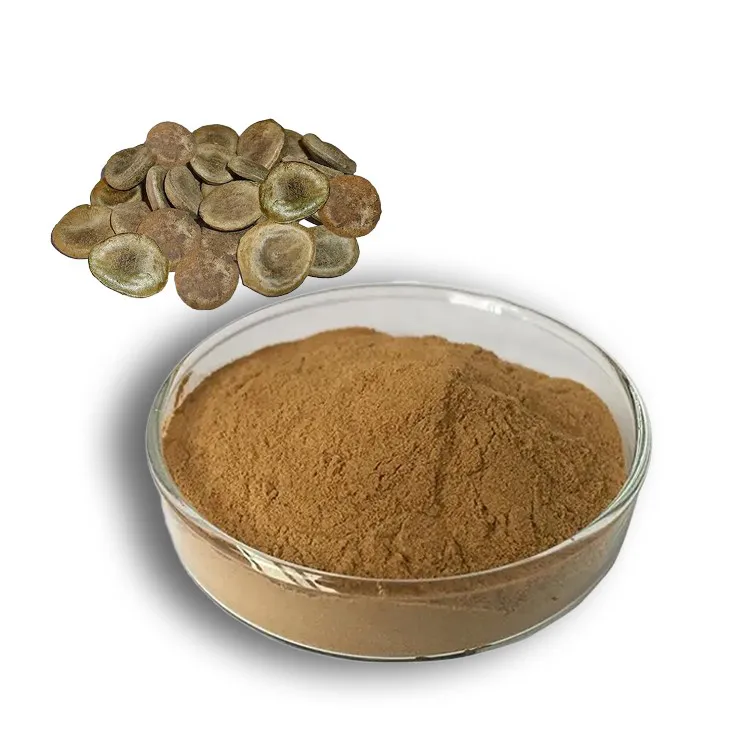
Kupilu Extract
2026-08-21
-
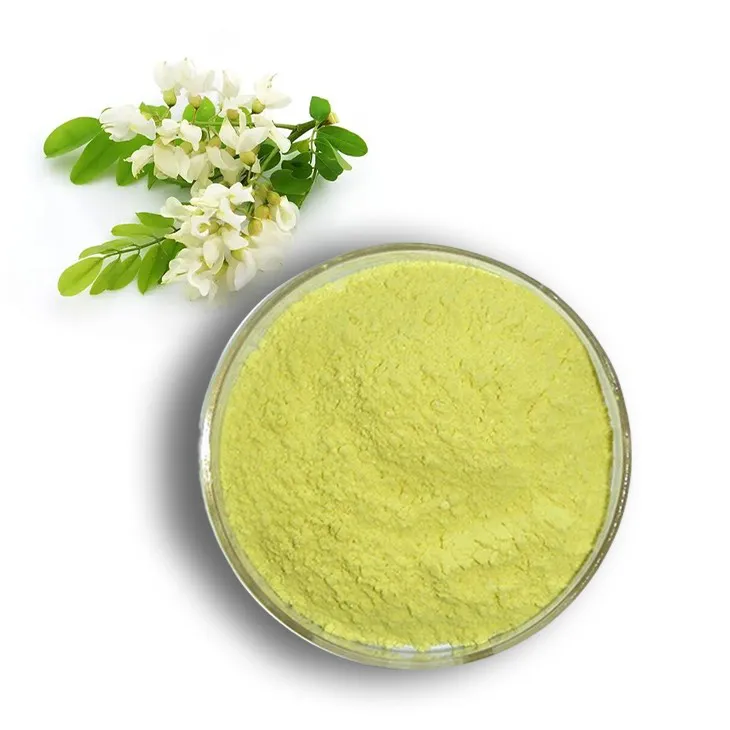
Troxerutin
2026-08-21
-
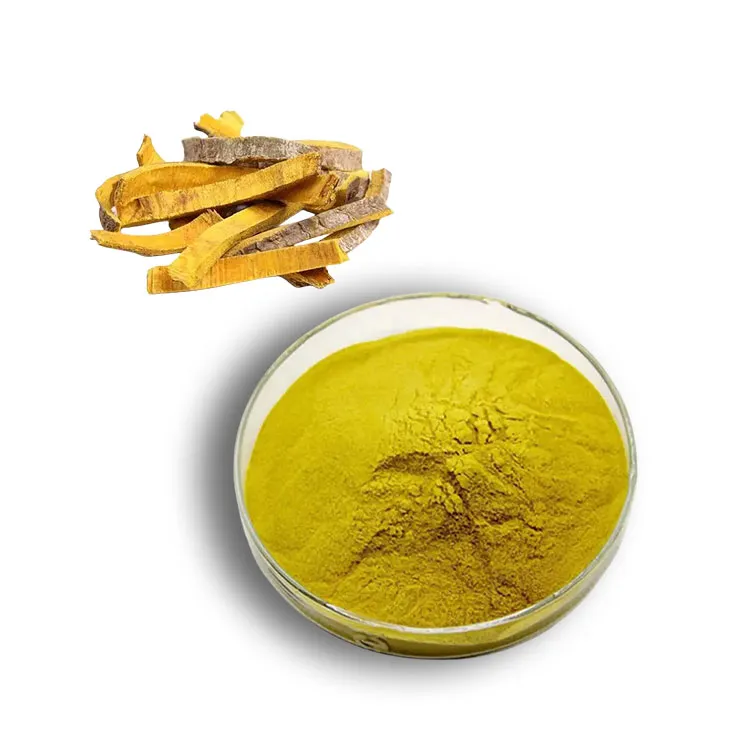
Phellodendron Extract
2026-08-21
-
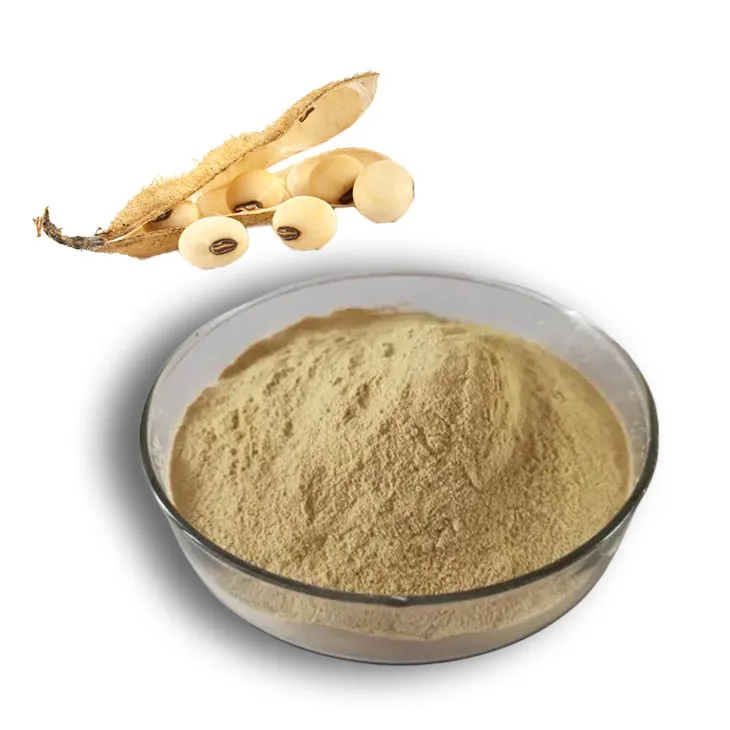
Soy Extract
2026-08-21
-
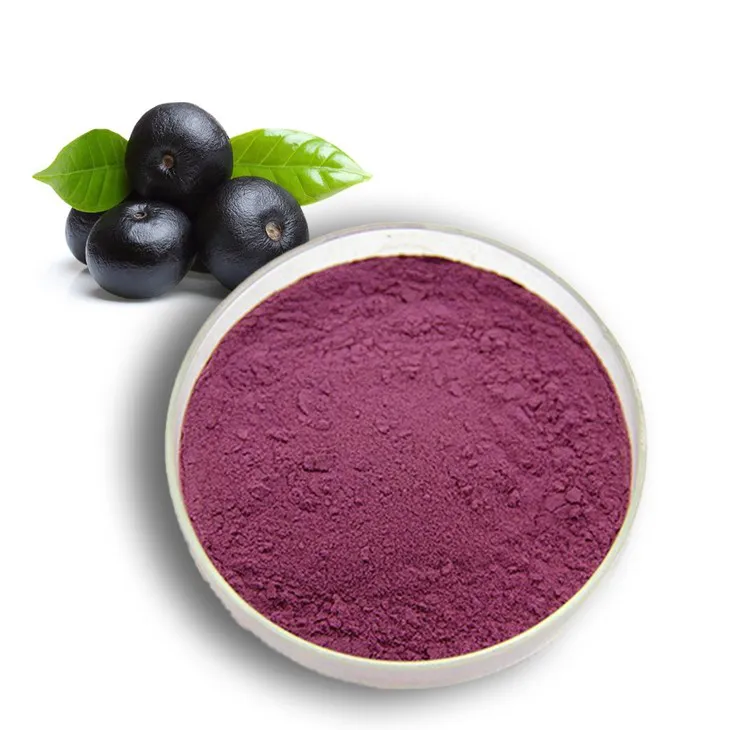
Acai Berry Extract
2026-08-21
-
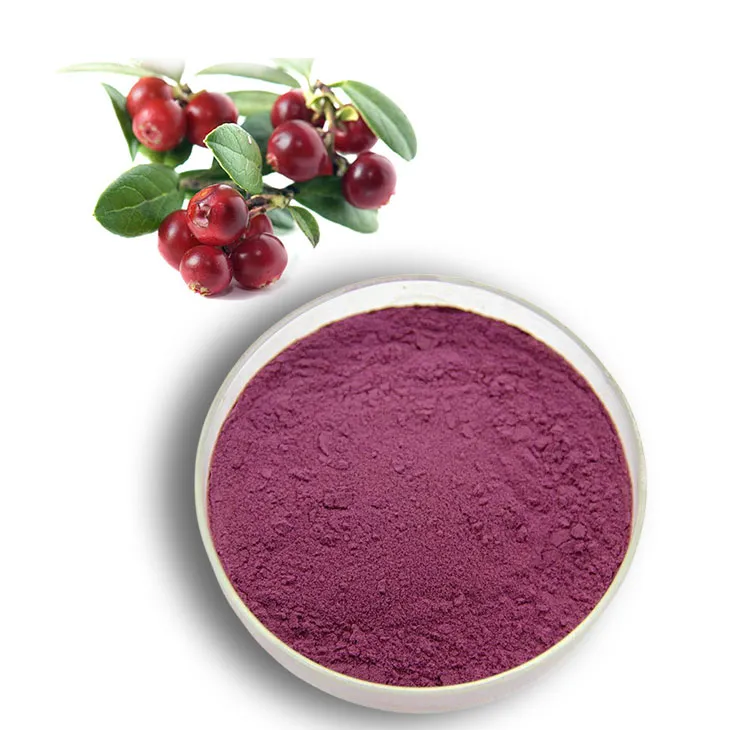
Bilberry Extract
2026-08-21
-
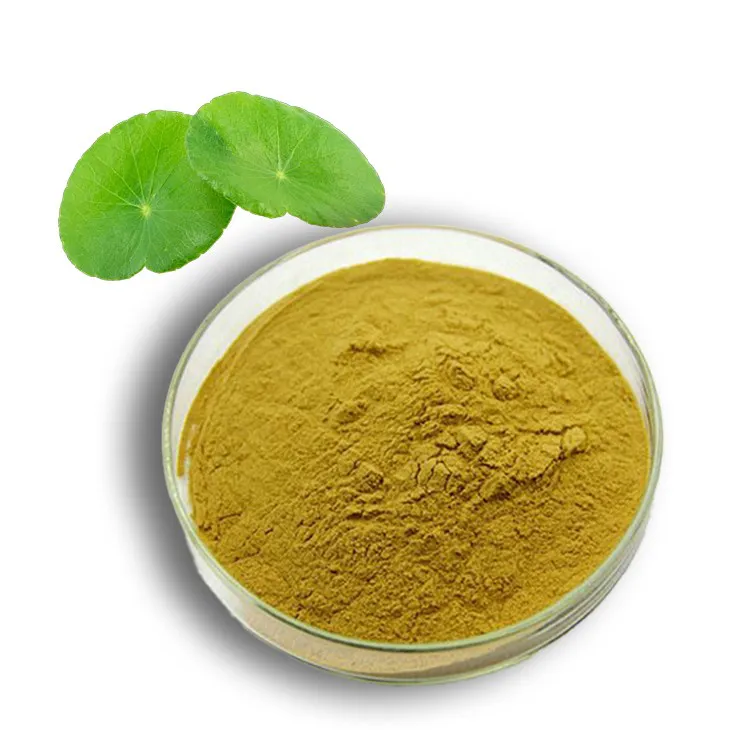
Centella Asiatica Extract
2026-08-21
-
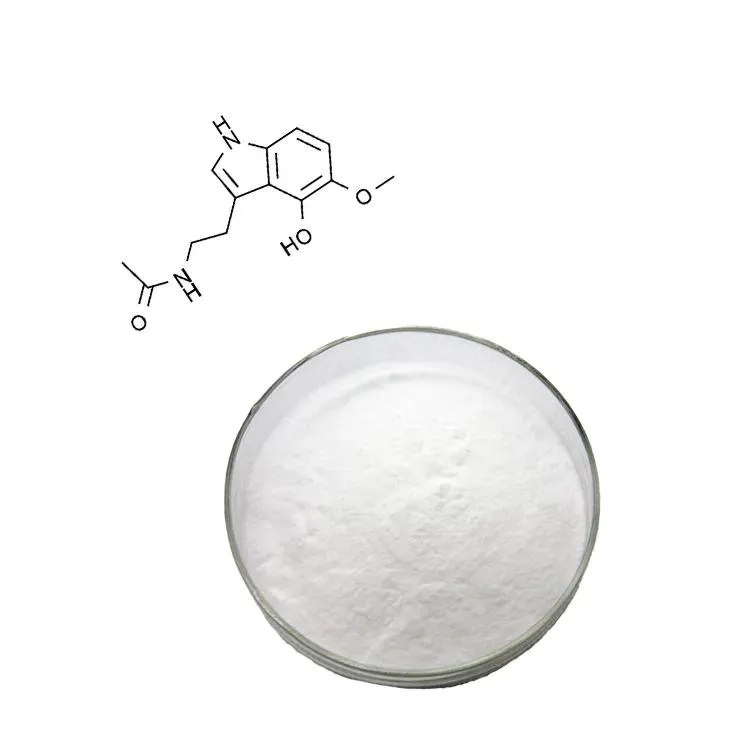
melatonin
2026-08-21
-
Beta Carotene
2026-08-21