- 0086-571-85302990
- [email protected]






2026 International Plant Extract Industry: Market Surges to $85.3 Billion by 203
2026-07-31
2026 International Plant Extract Industry: Market Surges to $85.3 Billion by 2030
1. Market Overview: Unprecedented Growth in Plant Extract Demand
The international plant extracts industry is experiencing a historic growth phase. According to the latest market research report published by MarketsandMarkets, the global plant extracts market will nearly double in size over the next five years. This explosive growth is powered by a fundamental shift in consumer behavior: a decisive move away from synthetic additives toward natural, plant-derived ingredients.
Consumers worldwide are increasingly aware of the limitations and potential side effects associated with synthetic food additives, artificial preservatives, and chemical-based cosmetic ingredients. Plant-derived extracts — rich in polyphenols, flavonoids, essential oils, alkaloids, carotenoids, and other bioactive compounds — are gaining significant attention for their proven antioxidant, anti-inflammatory, antimicrobial, immune-supporting, and therapeutic properties.
The stability of these natural compounds under varied processing conditions enables broad integration into functional foods, dietary supplements, beverages, cosmetics, and personal care formulations. Popular extracts such as turmeric, ashwagandha, green tea, aloe vera, rosemary, chamomile, and ginseng are increasingly recognized for promoting digestive health, stress relief, cognitive balance, skin vitality, and immune resilience.
2. Key Market Segments & Growth Drivers
2.1 Essential Oils Lead with Highest CAGR (11.2%)
By product type, the essential oil segment is expected to register the highest compound annual growth rate of 11.2% during the forecast period. Essential oils from lavender, peppermint, eucalyptus, tea tree, and citrus varieties are in soaring demand from the cosmetics and aromatherapy industries. The clean beauty movement — which prioritizes transparent ingredient lists and naturally sourced actives — has been a major catalyst for this growth.
2.2 Herbs & Spices Dominate by Source
The herbs and spices segment is estimated to hold the largest share of the plant extracts market. A 2023 study published in Springer Nature evaluated 21 commercial spice samples and found high levels of phenolic compounds with significant antioxidant and antimicrobial activity across multiple spices — including clove, cinnamon, turmeric, and pepper — confirming their functional potential for both health and preservative applications.
Key herbs and spices driving demand include:
Turmeric (Curcumin) — Anti-inflammatory applications in dietary supplements and functional foods
Ginger — Digestive health and nausea relief formulations
Garlic — Cardiovascular health and immune support
Cinnamon — Blood sugar management and antioxidant formulations
Black Pepper (Piperine) — Bioavailability enhancement in nutraceutical combinations
Rosemary — Natural preservative for food and cosmetic applications
Basil & Oregano — Antimicrobial and culinary applications
2.3 Cosmetics & Personal Care: Fastest Growing Application
By application, the cosmetics and personal care segment is projected to grow at the fastest rate from 2025 to 2030. This is driven by the global clean beauty movement, increasing consumer awareness of ingredient transparency, and the shift away from synthetic cosmetic actives. Leading companies are investing heavily in plant-derived skincare ingredients:
Symrise entered into a strategic partnership with Evoxx Technologies to create biotechnological procedures for cosmetic ingredients, combining Evoxx's R&D expertise with Symrise's capabilities in developing novel, long-lasting cosmetic components.
Givaudan Active Beauty is using advanced vegetal extraction and biomimetic NaDES (Natural Deep Eutectic Solvent) technology to develop authentically natural, sustainable botanical actives. Its Eutectys platform enables the creation of unique plant-derived skincare ingredients that deliver high-performance actives supporting hydration, anti-ageing, and skin balance.
2.4 Europe Leads Regional Market Share
Europe is estimated to account for 21.3% of the global plant extracts market in 2025. The region's dominance is attributed to stringent regulations on synthetic food additives, a strong tradition of herbal medicine, and high consumer awareness of clean-label products. The European Union's regulatory framework, including EFSA (European Food Safety Authority) guidelines, continues to shape global standards for botanical extract safety and quality.
3. Technology Trends: Green Extraction & Innovation
3.1 Supercritical CO2 Extraction
Supercritical carbon dioxide (CO2) extraction has emerged as the gold standard for producing premium-quality plant extracts. This method offers several advantages over traditional solvent-based extraction:
No toxic solvent residues — Critical for food-grade and cosmetic-grade extracts
Temperature control — Preserves heat-sensitive bioactive compounds
Higher purity — Produces cleaner, more concentrated extracts
Environmental sustainability — CO2 is recyclable and non-polluting
Selective extraction — Adjustable pressure/temperature targets specific compounds
3.2 Green Technology Adoption
"Green technologies" are being rapidly adopted across the plant extraction supply chain, resulting in significant sustainability improvements. Innovations include:
Ultrasound-assisted extraction (UAE) — Reduces extraction time and solvent usage by up to 50%
Microwave-assisted extraction (MAE) — Higher yields with lower energy consumption
Enzyme-assisted extraction — Improved bioactive compound release from plant cell walls
Pressurized liquid extraction (PLE) — Efficient extraction of polar and non-polar compounds
"Technological intervention across the supply chain helps the plant extracts business to propel. Bioactive extraction is witnessing high technology adoption. Green technologies are being adopted to result in significant sustainable measures." — MarketsandMarkets, 2026
4. Industry Challenges & Opportunities
4.1 Key Challenges
| Challenge | Impact |
|---|---|
| Lack of standardization across regulations | High — Varying quality standards between regions complicate global trade |
| Price fluctuations & raw material inadequacy | High — Seasonal crop yields and climate variability affect supply consistency |
| Microbial contamination in imported spices | Medium — Increasing incidences from developing country sources |
| Adulteration & cost vs. synthetic alternatives | Medium — Natural additives carry higher cost margins |
| Downstream processing facility gaps | Medium — Limits scale-up in emerging producer countries |
4.2 Emerging Opportunities
Government initiatives to promote natural ingredients — Several national governments are launching programs to support botanical agriculture and natural product manufacturing
Novel applications in pharmaceuticals — Plant-derived compounds in targeted drug delivery and precision medicine formulations
Expansion of botanical nutraceuticals — Growing consumer preference for plant-based dietary supplements over synthetic vitamins
Asia-Pacific growth — Rapid urbanization and rising health awareness in China, India, and Southeast Asia creating new demand centers
Regenerative agriculture integration — Companies like Pladis are launching regenerative farming programs to strengthen botanical supply chains, as reported by FoodNavigator in July 2026
5. Competitive Landscape: Star Players & Emerging Leaders
The global plant extracts market features a mix of established multinational corporations and fast-growing specialty companies:
| Category | Key Companies |
|---|---|
| Star Players (Global Leaders) | IFF (International Flavors & Fragrances), Givaudan, Symrise |
| Emerging Leaders (SMEs & Startups) | Arjuna Natural, Blue Sky Botanics, Prinova Group LLC |
These companies are distinguished by their strong market share, product portfolio breadth, and investment in extraction technology innovation. The competitive landscape is expected to intensify as demand accelerates and new entrants emerge from Asia-Pacific and Latin America.
6. Hot Trends to Watch in H2 2026
Adaptogenic Botanicals Boom — Ashwagandha, rhodiola, and holy basil extracts are seeing exponential demand growth in stress-relief and cognitive health supplements
Plant-Based Preservatives — Rosemary, oregano, and Green Tea Extracts replacing synthetic preservatives (BHA, BHT) in food applications
Cannabinoid-Derived Wellness — Hemp and CBD extracts expanding into mainstream functional beverages and topical products
Personalized Nutrition — Custom botanical blends tailored to individual genetic profiles and health markers
Regenerative Sourcing — Brands increasingly demanding sustainably sourced, traceable botanical raw materials
AI-Driven Extraction Optimization — Machine learning algorithms optimizing extraction parameters for maximum bioactive yield
7. What This Means for Industry Players
The plant extract industry is at an inflection point. For manufacturers, suppliers, and distributors, the message is clear:
Invest in extraction technology — Companies adopting supercritical CO2 and other green extraction methods will command premium pricing and capture growing demand from quality-conscious buyers
Prioritize quality certification — Standardization (USP, EP, ISO) and third-party testing are becoming table stakes for international trade
Build transparent supply chains — Traceability from farm to extract is no longer optional — major brands demand full ingredient provenance
Develop application-specific formulations — Moving beyond raw extracts into customized, ready-to-use formulations for food, cosmetic, and pharma applications creates higher-margin opportunities
Monitor regulatory developments — Staying ahead of changing regulations in key markets (EU, US FDA, China NMPA) is critical for sustained growth
Partner with Us for Premium Plant Extracts
We specialize in high-quality, sustainably sourced plant extracts — from raw botanical materials to customized formulations. Let us help you meet the growing global demand for natural, clean-label ingredients.
Contact Us Today →8. Conclusion
The international plant extracts market is on a remarkable growth trajectory, driven by an irreversible consumer shift toward natural, plant-based ingredients. With the market projected to reach $85.28 billion by 2030, the opportunities for companies across the plant extract value chain — from cultivation and extraction to formulation and distribution — are substantial.
Success in this rapidly evolving market will depend on technological innovation, quality assurance, supply chain transparency, and the ability to anticipate and respond to emerging application trends. Companies that invest in these capabilities today will be well-positioned to capture significant market share in the years ahead.
Sources: MarketsandMarkets "Plant Extracts Market — Global Forecast to 2030" (2026); FoodNavigator industry reports (July 2026); Springer Nature spice research study (2023); GlobeNewswire industry press releases (July 2026). Market data points sourced from published industry research reports.
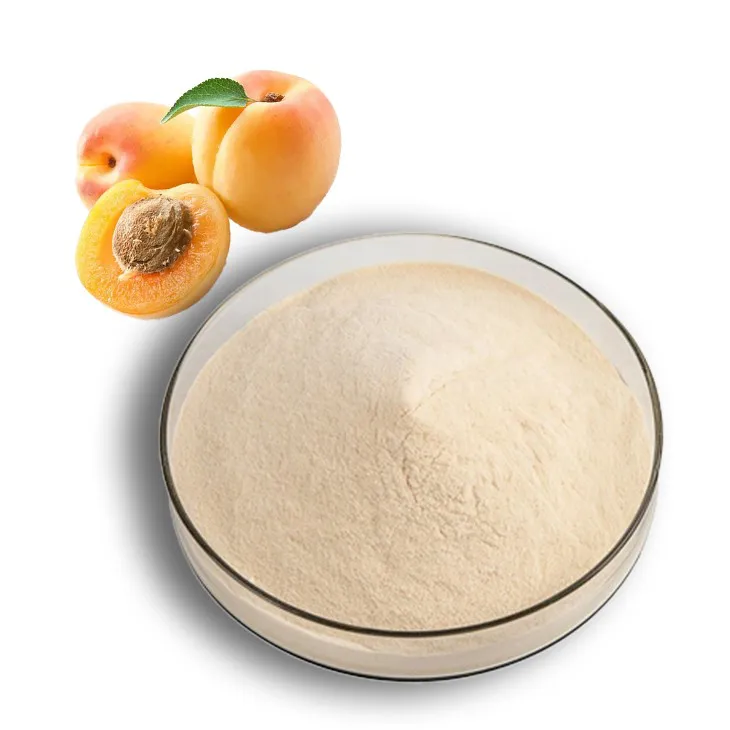
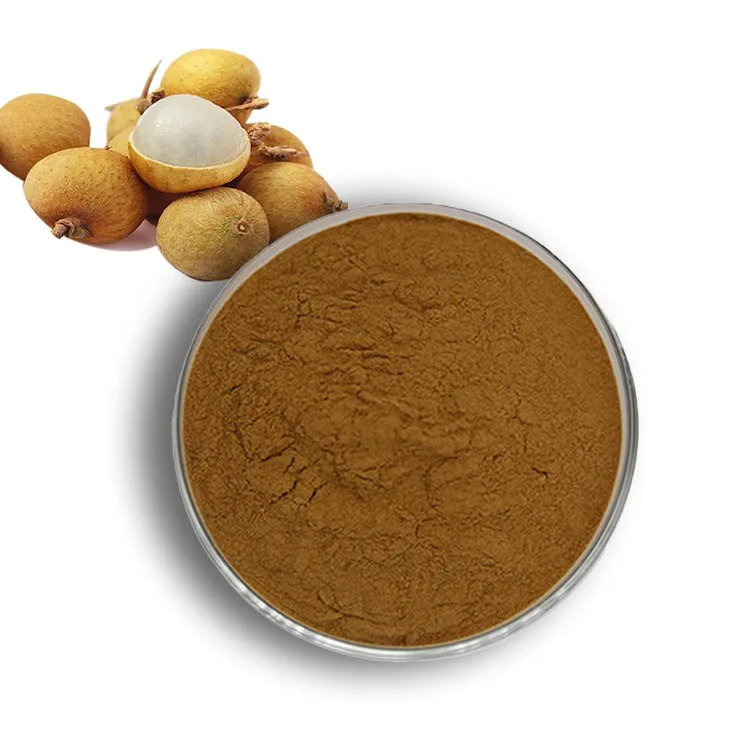
- ▶ Hesperidin
- ▶ Citrus Bioflavonoids
- ▶ Plant Extract
- ▶ lycopene
- ▶ Diosmin
- ▶ Grape seed extract
- ▶ Sea buckthorn Juice Powder
- ▶ Fruit Juice Powder
- ▶ Hops Extract
- ▶ Artichoke Extract
- ▶ Mushroom extract
- ▶ Astaxanthin
- ▶ Green Tea Extract
- ▶ Curcumin
- ▶ Horse Chestnut Extract
- ▶ Other Product
- ▶ Boswellia Serrata Extract
- ▶ Resveratrol
- ▶ Marigold Extract
- ▶ Grape Leaf Extract
- ▶ New Product
- ▶ Aminolevulinic acid
- ▶ Cranberry Extract
- ▶ Red Yeast Rice
- ▶ Red Wine Extract
- ▶ blog
-
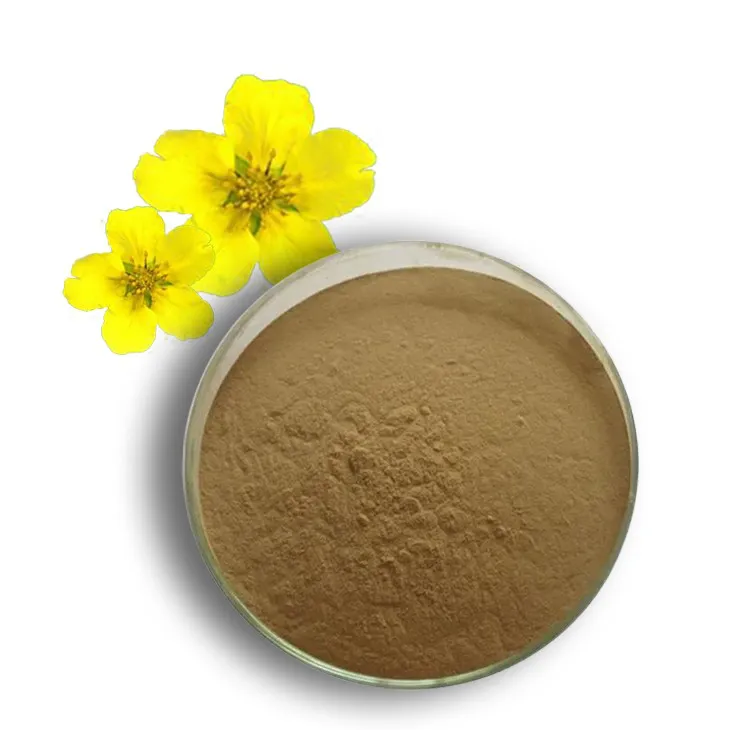
Tormentil Extract
2026-07-31
-
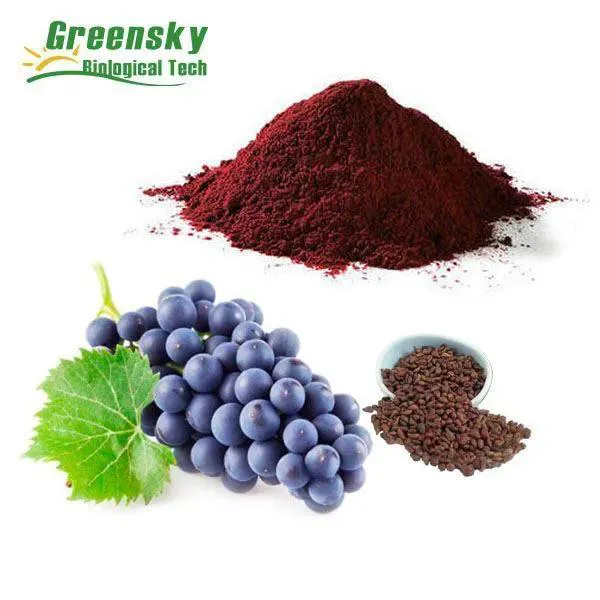
Grape Seed Extract
2026-07-31
-
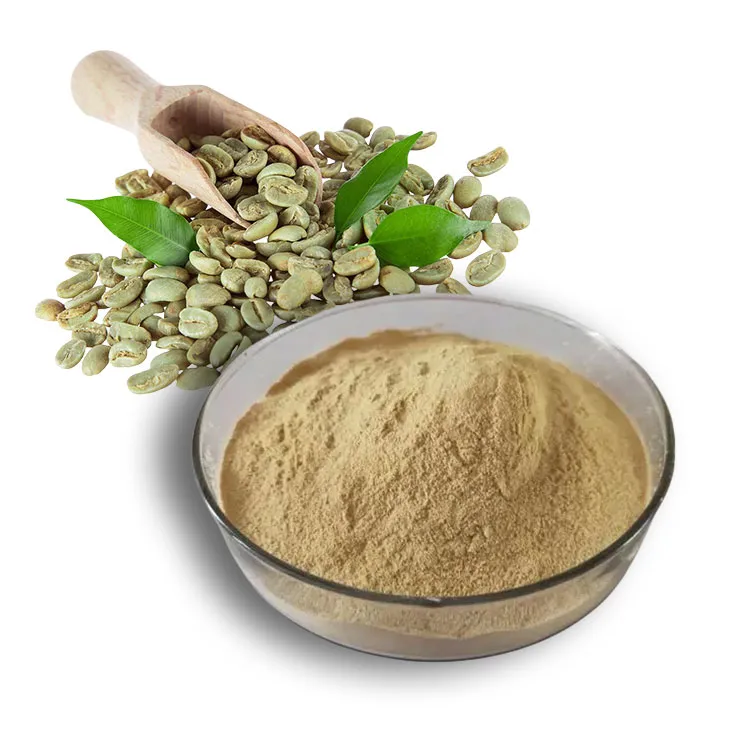
Green coffee bean Extract
2026-07-31
-
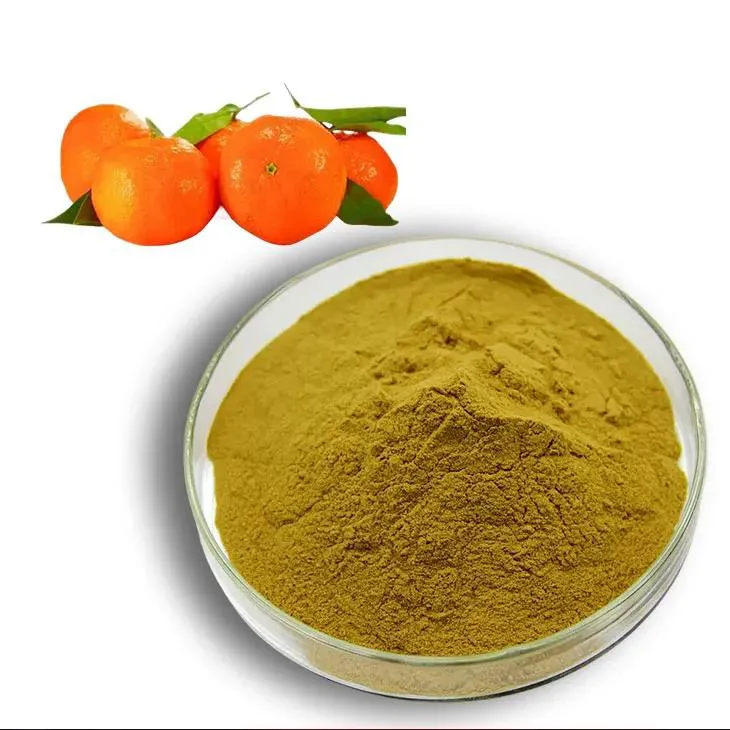
Citrus bioflavonoids
2026-07-31
-
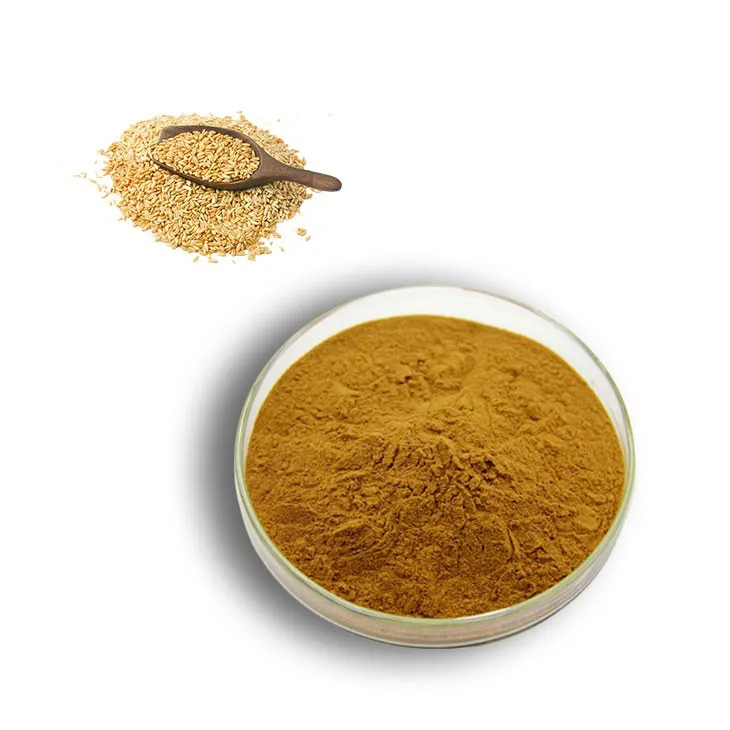
Oat Straw Extract Powder
2026-07-31
-
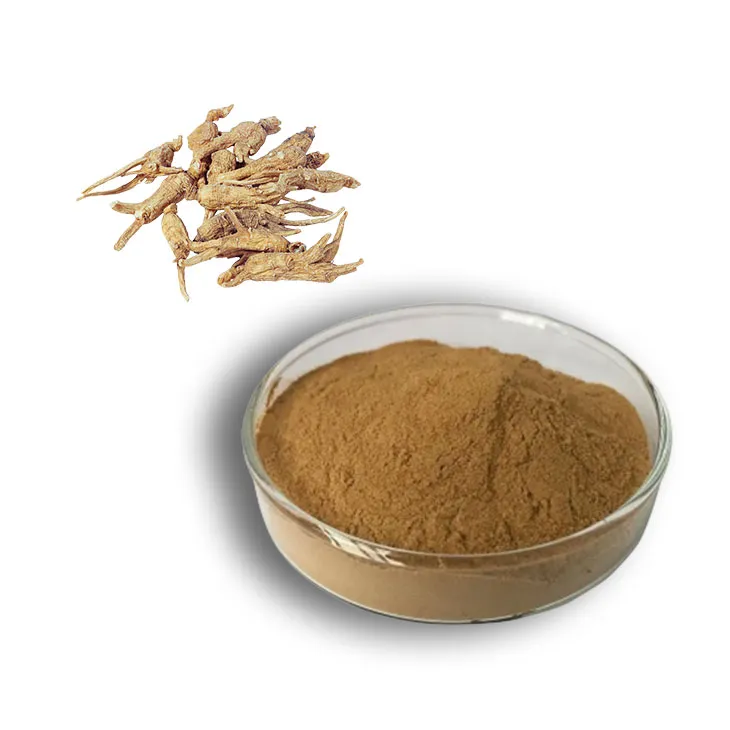
Angelica sinensis extract
2026-07-31
-
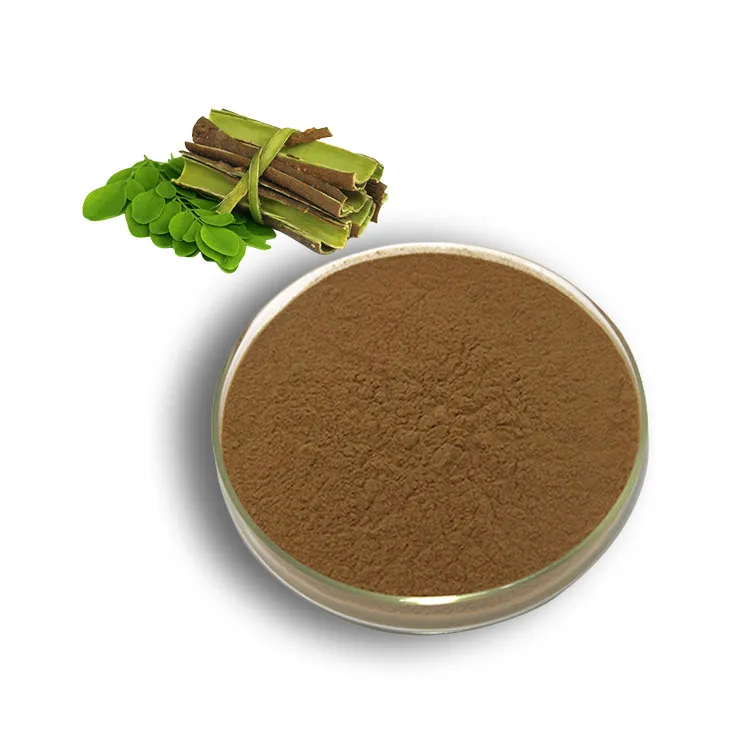
White Willow Bark Extract
2026-07-31
-
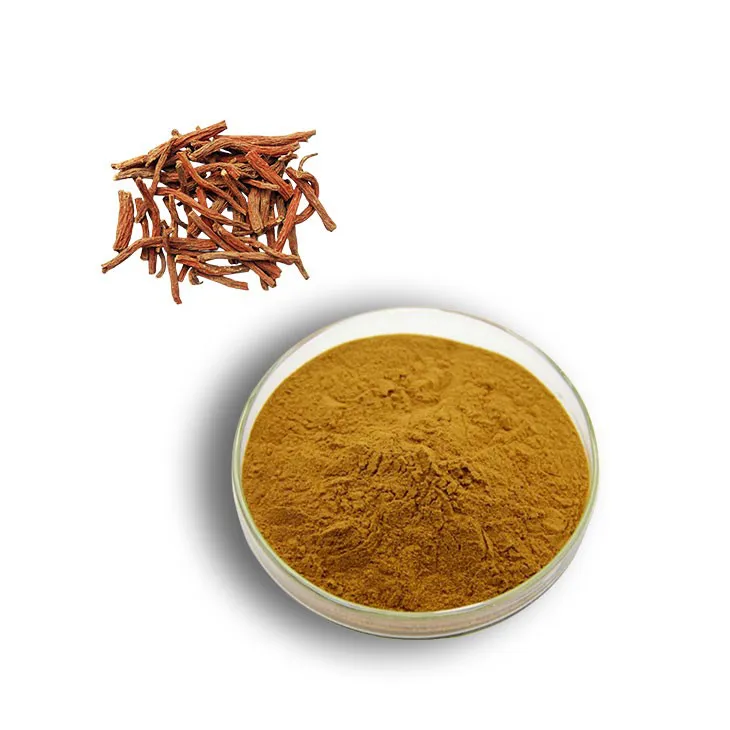
Dan Shen Root Extract/Salvia Root Extract
2026-07-31
-
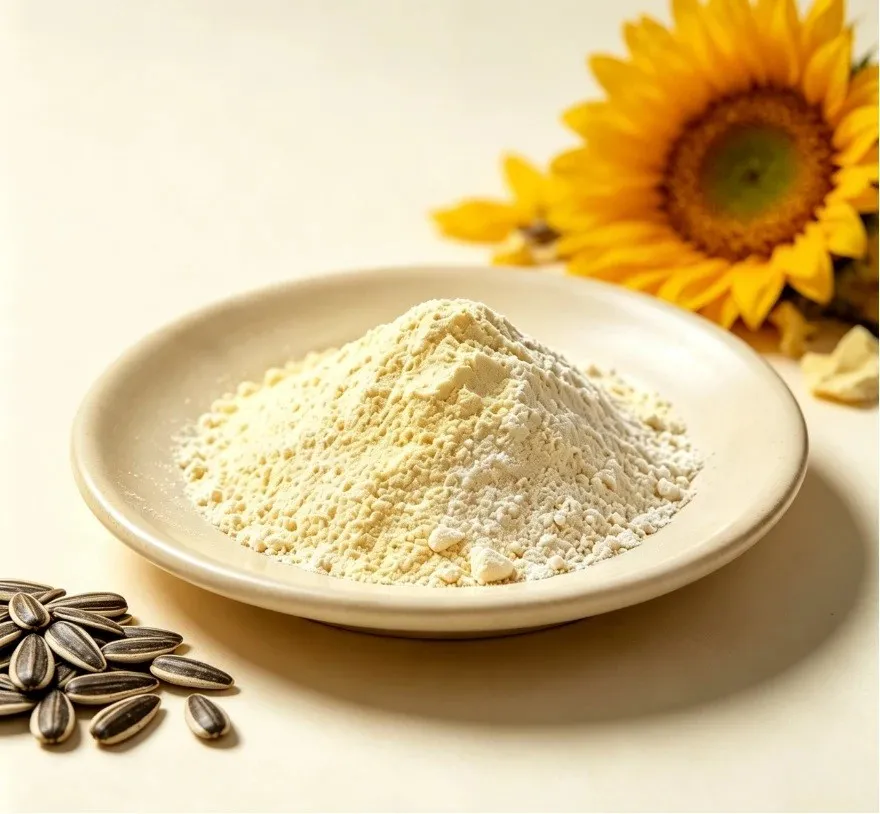
Phosphatidylserine
2026-07-31
-
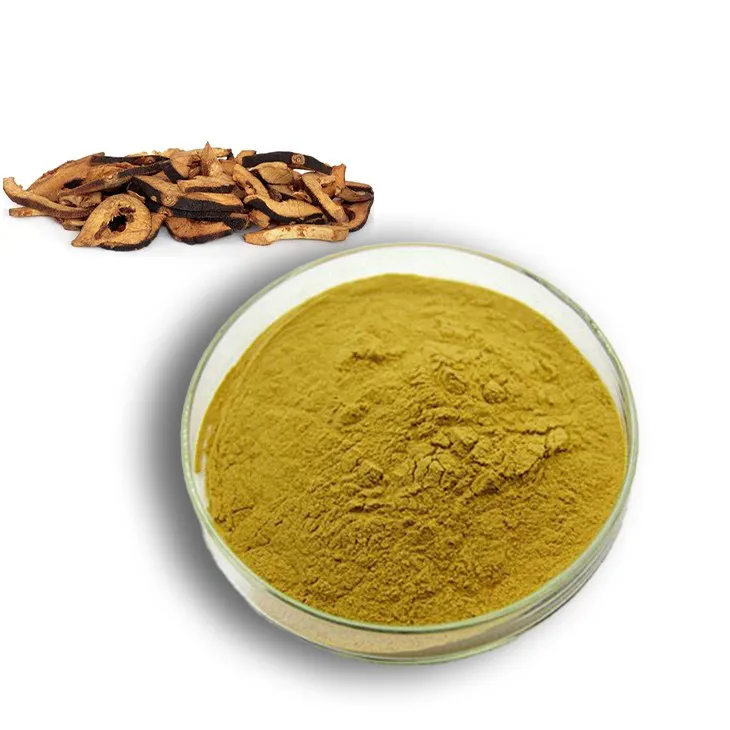
Citrus Aurantium Extract
2026-07-31
