- 0086-571-85302990
- [email protected]






Global Plant Extracts Industry 2026: Market Trends, Key Innovations & Future Outlook
2026-07-26
Global Plant Extracts Industry 2026: Market Trends, Key Innovations & Future Outlook
July 2026
The global plant extracts industry stands at an exciting inflection point in 2026. Fueled by growing consumer demand for clean-label products, scientific validation of traditional botanical compounds, and breakthrough technologies like AI-driven bioactive discovery, the botanical extracts market is experiencing unprecedented growth and transformation. This article provides a comprehensive overview of the latest developments shaping the international plant extracts sector.
Table of Contents
1. Global Market Overview & Growth Projections
According to market research from MarketsandMarkets, the global plant extracts market is projected to reach USD 61.5 billion by 2027, registering a robust compound annual growth rate (CAGR) of 12.3% during the forecast period. This growth is driven by expanding applications across food & beverages, cosmetics, pharmaceuticals, and dietary supplements.
Key Market Segments by Extract Type:
Oleoresins — Leading segment in food & beverage applications
Essential Oils — Strong growth driven by aromatherapy and personal care
Flavonoids — Expanding in nutraceuticals and functional foods
Alkaloids — Pharmaceutical and therapeutic applications
Carotenoids — Growing demand in cosmetics and dietary supplements
Separately, the botanical ingredients market has seen continued expansion, with a comprehensive global forecast report published in August 2026 covering segmentation by type, end-use industry, application, and region. The food antioxidants market, which heavily relies on plant-derived sources including spices, herbs, and botanical extracts, is projected to reach USD 2.2 billion by 2028 at a CAGR of 6.2%.
The phytochemicals & plant extracts market report (August 2026) further confirms sustained growth momentum, with particular emphasis on organic and clean-label product trends driving demand across nutraceutical and personal care industries.
2. Six Key Trends Reshaping the Plant Extracts Industry
Trend 1: AI-Powered Bioactive Discovery
Artificial intelligence is transforming how companies discover, validate, and commercialize plant-derived bioactive compounds. Leading companies such as Brightseed and Nuritas are leveraging AI platforms to screen thousands of botanical sources, identifying novel peptides and phytochemicals with specific health benefits at unprecedented speed. This technology dramatically reduces the time from plant source identification to product commercialization.
Trend 2: Rise of "Mitoceuticals" — Mitochondrial Health
Cellular health is emerging as a major frontier in the botanical extracts industry. Kaneka has introduced the concept of "mitoceuticals" — mechanism-based mitochondrial health supplements — with ubiquinol (CoQ10) derived from natural fermentation leading this segment. As research reveals the central role of mitochondria in aging and disease, plant extracts targeting cellular energy are expected to see surging demand.
Trend 3: Gut-Brain Axis & Cognitive Health
Consumer interest in cognitive function and brain health is driving significant innovation in plant-derived nootropic ingredients. Recent market analysis shows that holistic health approaches are the primary driver behind the rapid growth of cognitive supplements. Botanical extracts rich in polyphenols, flavonoids, and adaptogenic compounds — including ginkgo biloba, ashwagandha, and bacopa monnieri — are central to this trend.
Trend 4: Polyphenol Research & Neuroprotection
New clinical research is strengthening the scientific foundation for plant polyphenols. A recent study has linked polyphenol-rich diets to a reduced risk of dementia, Alzheimer's disease, and other neurodegenerative conditions. This finding is expected to significantly boost demand for standardized polyphenol extracts from sources such as green tea, grape seed, turmeric, and berries in the nutraceutical sector.
Trend 5: Clean-Label & Natural Preservation
The shift toward clean-label products continues to accelerate. Food manufacturers are increasingly replacing synthetic additives with plant-derived alternatives — natural colorants, botanical preservatives, and herbal flavor enhancers. This trend is particularly strong in the food & beverage sector, where consumers demand transparency and natural ingredients.
Trend 6: GLP-1 Companion Nutrition
The rapid adoption of GLP-1 medications (e.g., semaglutide, tirzepatide) for weight management has created a new application space for plant extracts. Emerging research suggests benefits extending to liver health, mobility, and longevity — and botanical ingredients are being positioned as complementary nutrition for GLP-1 users, addressing nutrient gaps and supporting overall wellness.
3. Major M&A Activity & Industry Consolidation
The plant extracts and natural ingredients sector is undergoing significant consolidation:
SuanNutra Acquires IFF's Natural Ingredients Portfolio
Functional ingredients supplier SuanNutra has signed an agreement to acquire a portfolio of specialty natural ingredients, vitamins & minerals businesses from International Flavors & Fragrances (IFF). This acquisition includes botanical extract product lines and is expected to reshape the competitive landscape of the natural ingredients market.
Other notable industry developments include major investment activity in the broader supplement space, with David Beckham's longevity supplement brand IM8 (under Prenetics Global) securing US$1 billion in growth funding — a signal of strong investor confidence in the health and wellness sector that includes plant-based formulations.
Key players dominating the global plant extracts market include:
| Company | Headquarters | Key Focus Areas |
|---|---|---|
| International Flavors & Fragrances (IFF) | United States | Botanical extracts, natural flavors |
| Givaudan | Switzerland | Plant-based flavors & fragrances |
| Symrise | Germany | Botanical actives, essential oils |
| Kerry Group | Ireland | Taste & nutrition solutions |
| ADM (Archer Daniels Midland) | United States | Plant proteins, botanical extracts |
| Synthite Industries | India | Oleoresins, spice extracts |
| Kalsec Inc. | United States | Natural colors, spice extracts |
| DSM | Netherlands | Carotenoids, vitamins, natural ingredients |
| Döhler GmbH | Germany | Fruit & botanical extracts |
4. AI & Technology: Revolutionizing Botanical Discovery
The integration of artificial intelligence into botanical research represents one of the most transformative developments in the plant extracts industry. Companies are now using machine learning algorithms to:
Screen botanical libraries — Analyze thousands of plant species for bioactive compounds, identifying promising candidates in weeks rather than years
Predict bioactivity — Model the interaction between plant compounds and human biological pathways before conducting clinical trials
Optimize extraction — AI-driven process optimization improves yield, purity, and sustainability of extraction methods
Validate traditional knowledge — Bridge ethnobotanical wisdom with modern scientific validation, creating evidence-based product pipelines
This technological shift is lowering the barriers to innovation and enabling both large multinational corporations and smaller specialized companies to develop novel plant extract-based products with documented efficacy.
5. Latest Research Breakthroughs in Plant-Derived Bioactives
Polyphenols & Brain Health
A significant study has demonstrated that diets rich in polyphenols are associated with a lower risk of dementia and Alzheimer's disease. This research provides strong scientific backing for the development of standardized polyphenol extracts from botanical sources, including:
Green Tea Extract (EGCG)
Grape Seed Extract (proanthocyanidins)
Turmeric/Curcumin extract
Berry extracts (anthocyanins)
Ginkgo biloba extract (flavonoids and terpenoids)
Plant-Based Proteins & Muscle Health
Recent clinical findings have revealed that plant-based whole-food proteins can influence post-workout muscle synthesis differently compared to animal proteins. While plant proteins showed a blunted muscle protein synthesis response, this research highlights the importance of formulating plant protein blends with complementary amino acid profiles — an area where plant extract technologies can add significant value through targeted nutrient enhancement.
Adaptogens & Stress Management
Research into adaptogenic botanicals continues to expand, with growing evidence supporting the efficacy of plant extracts such as ashwagandha, rhodiola, holy basil, and panax ginseng in managing stress, improving sleep quality, and supporting cognitive performance under pressure.
6. Emerging Application Segments
Longevity & Healthy Aging
As consumers increasingly focus on healthspan rather than just lifespan, botanical extracts targeting cellular health, inflammation, and metabolic function are gaining traction. The launch of Solaray's Unlimit longevity supplement line — addressing cellular health, muscle, and bone — exemplifies this trend. Botanical extracts rich in resveratrol, Quercetin, and other senolytic compounds are at the forefront of this movement.
Pet Nutrition
The pet health sector is emerging as a significant growth area for plant extracts. ADM's research has identified China and Mexico as leading markets for pet longevity nutrition. Botanical ingredients are increasingly incorporated into pet food and supplements for their natural anti-inflammatory, antioxidant, and immune-supporting properties.
Functional Beverages
The functional beverage category continues to expand rapidly, with botanical extracts serving as key active ingredients in energy drinks, adaptogenic beverages, nootropic drinks, and functional teas. Consumer willingness to pay a premium for beverages with documented health benefits is driving innovation in this segment.
7. Regulatory Landscape & Quality Standards
The regulatory environment for plant extracts is evolving:
United States: The NPA (Natural Products Association) and CRN (Council for Responsible Nutrition) have publicly rejected calls for premarket approval of dietary supplements, defending the existing DSHEA framework. This stance supports continued market growth for botanical supplement ingredients.
European Union: Strict novel food regulations and EFSA health claim requirements continue to shape the botanical extracts market in Europe, with emphasis on standardized, well-characterized extracts.
Asia-Pacific: China and India are strengthening quality standards for plant extracts, with increasing adoption of GMP, ISO, and organic certifications — important considerations for international trade.
For international plant extract suppliers, maintaining third-party certifications (USP verification, NSF, organic, non-GMO) and providing comprehensive certificate of analysis (COA) documentation with every batch is essential for accessing premium global markets.
8. Key Industry Events in 2026
Industry professionals should note these upcoming events:
| Event | Date | Location |
|---|---|---|
| CPHI Korea 2026 | August 25, 2026 | COEX, Seoul, Korea |
| Vitafoods Asia 2026 | September 2, 2026 | Bangkok, Thailand |
| CPHI Milan 2026 | October 6, 2026 | Fiera Milano, Italy |
These events offer valuable opportunities for networking, discovering new extraction technologies, and understanding the latest regulatory developments affecting the global plant extracts trade.
9. Future Outlook & Strategic Recommendations
Looking ahead, the global plant extracts industry is positioned for continued strong growth. Key strategic priorities for companies operating in this space include:
Invest in R&D — Companies that combine traditional botanical knowledge with modern scientific validation (clinical studies, mechanistic research) will lead the market
Embrace sustainable sourcing — Traceable, ethically sourced, and environmentally sustainable botanical raw materials are increasingly demanded by end customers
Adopt advanced extraction technologies — Supercritical CO₂ extraction, ultrasound-assisted extraction, and other green technologies improve yield and reduce environmental impact
Strengthen quality systems — Robust QA/QC processes, batch-to-batch consistency, and transparent documentation are essential for premium market access
Diversify applications — Expanding into emerging segments such as pet nutrition, functional beverages, and GLP-1 companion nutrition creates new revenue streams
Leverage AI and data science — Companies adopting AI-driven bioactive discovery and extraction optimization will gain significant competitive advantages
Bottom Line: The global plant extracts industry in 2026 is characterized by strong market growth, accelerating scientific validation, technological disruption through AI, and expanding application horizons. Companies that combine quality, innovation, and sustainability will be best positioned to capture the full potential of this dynamic market.


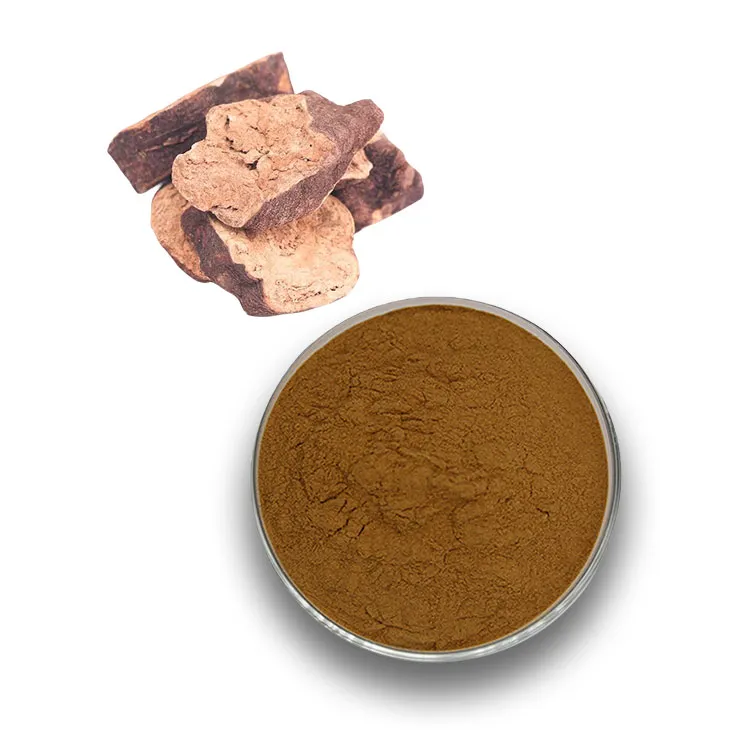



- ▶ Hesperidin
- ▶ Citrus Bioflavonoids
- ▶ Plant Extract
- ▶ lycopene
- ▶ Diosmin
- ▶ Grape seed extract
- ▶ Sea buckthorn Juice Powder
- ▶ Fruit Juice Powder
- ▶ Hops Extract
- ▶ Artichoke Extract
- ▶ Mushroom extract
- ▶ Astaxanthin
- ▶ Green Tea Extract
- ▶ Curcumin
- ▶ Horse Chestnut Extract
- ▶ Other Product
- ▶ Boswellia Serrata Extract
- ▶ Resveratrol
- ▶ Marigold Extract
- ▶ Grape Leaf Extract
- ▶ New Product
- ▶ Aminolevulinic acid
- ▶ Cranberry Extract
- ▶ Red Yeast Rice
- ▶ Red Wine Extract
- ▶ blog
-

Pomegranate Extract
2026-07-26
-

Nettle leaf extract
2026-07-26
-
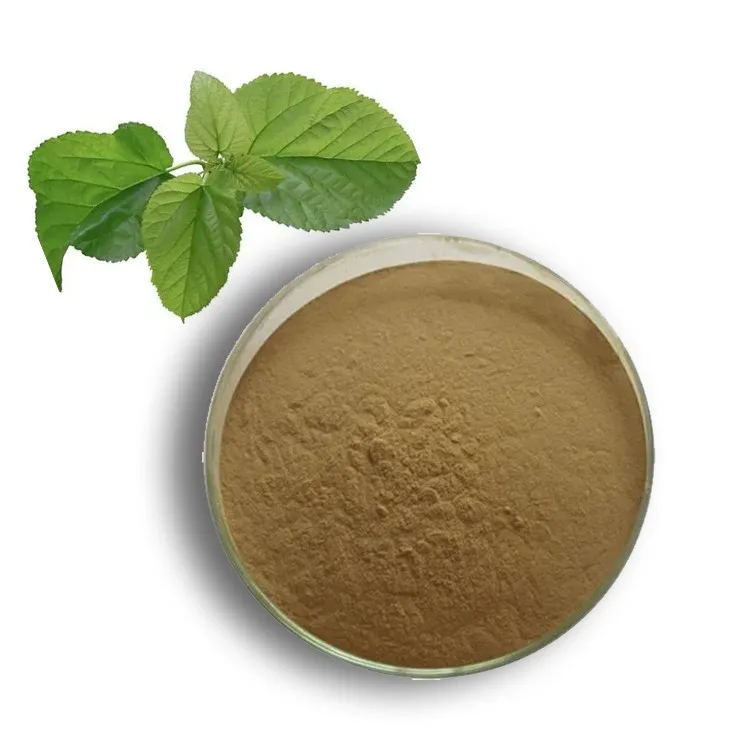
Mulberry leaf Extract
2026-07-26
-
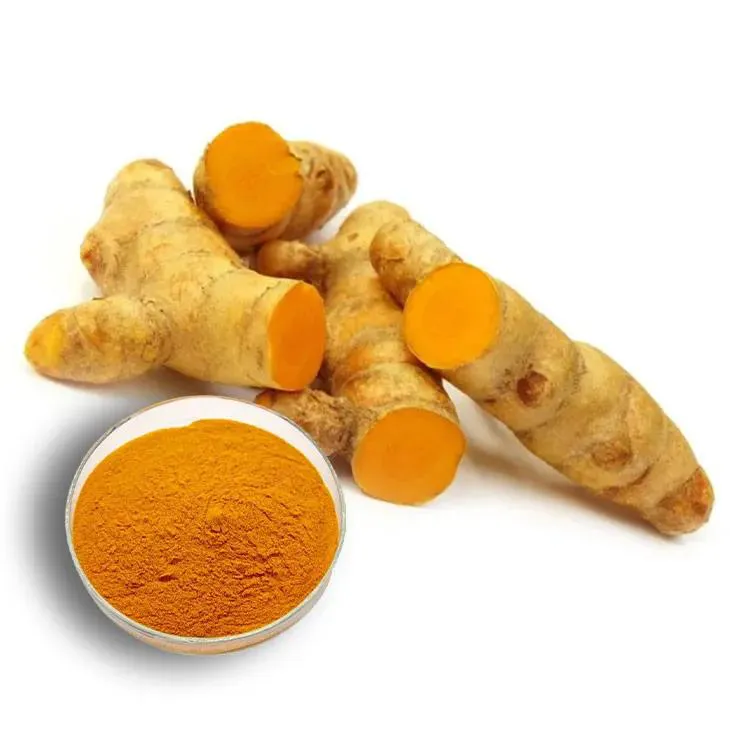
Curcumin
2026-07-26
-

Kupilu Extract
2026-07-26
-
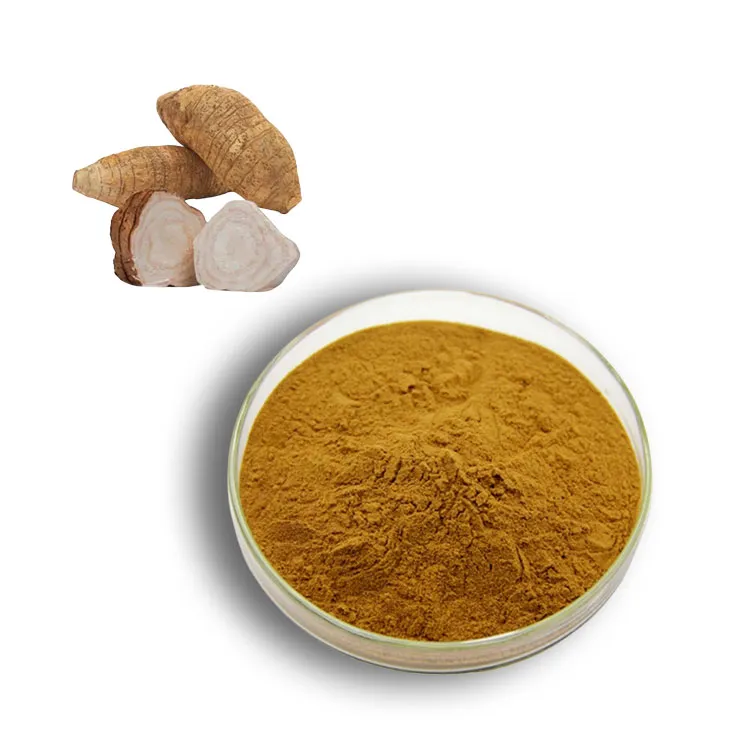
Pueraria Lobata Extract
2026-07-26
-

American Ginseng Root Extract
2026-07-26
-

Black Seed Extract
2026-07-26
-
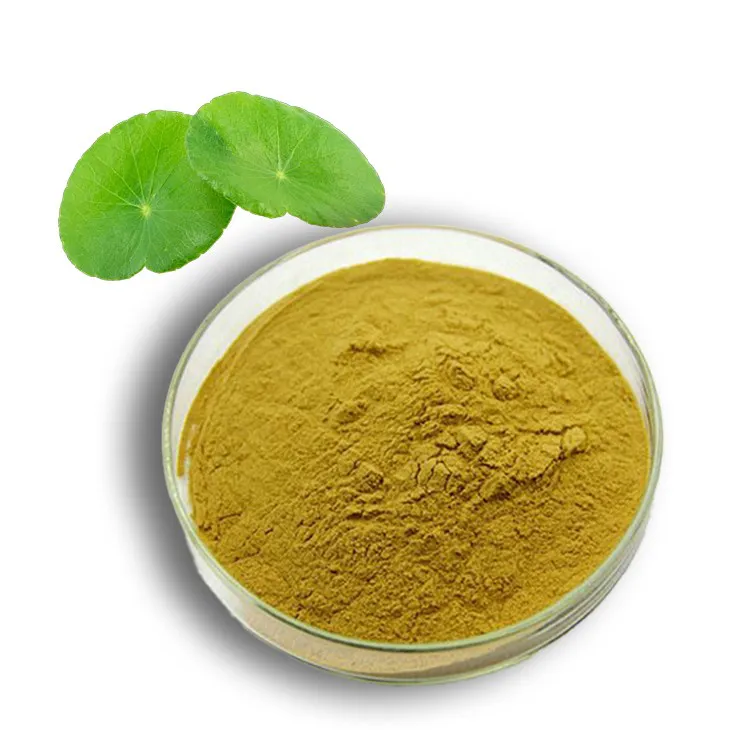
Centella Asiatica Extract
2026-07-26
-
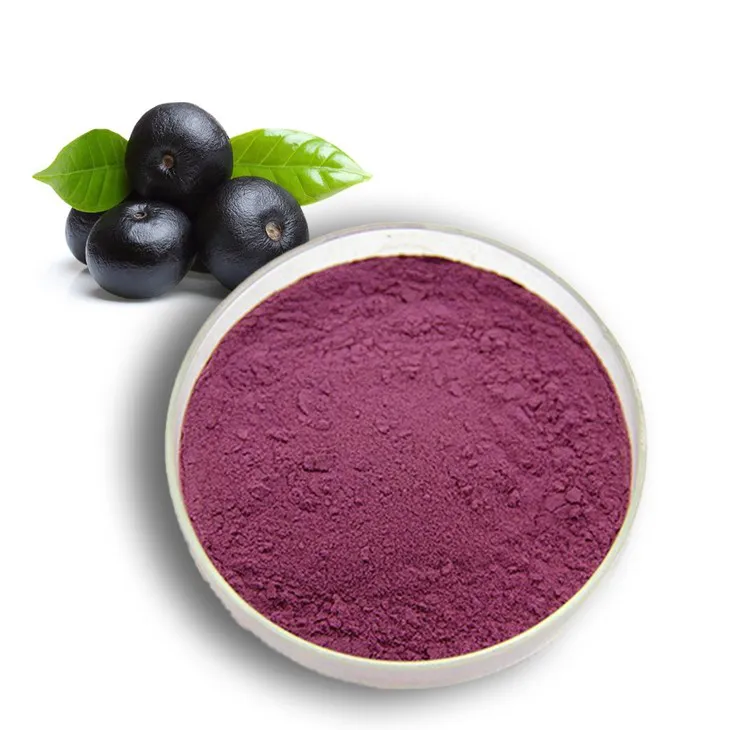
Acai Berry Extract
2026-07-26
