- 0086-571-85302990
- [email protected]



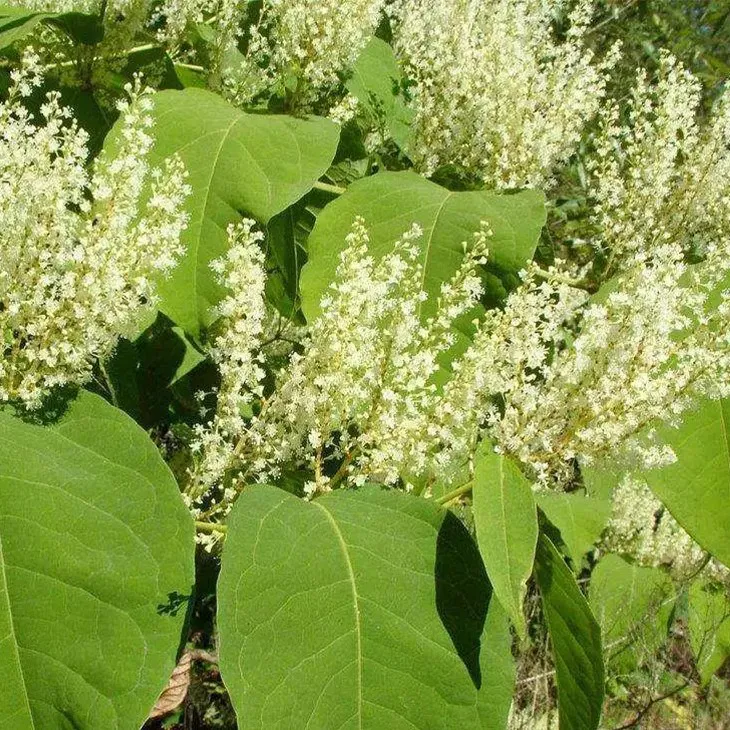
Greensky supplies high-purity Resveratrol Extract sourced from Polygonum cuspidatum and grape skin,
2026-11-23
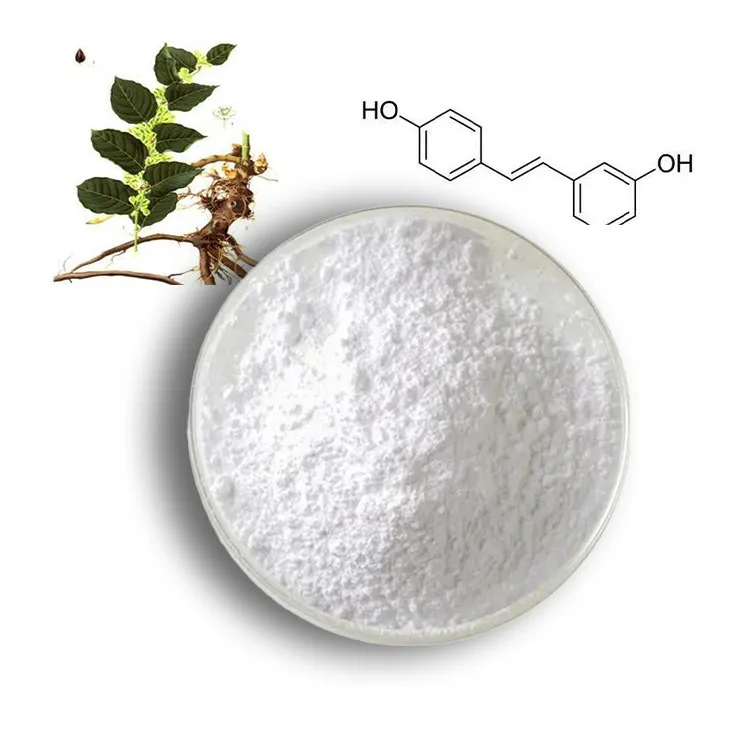
Table of Contents
What Is Resveratrol extract and Why Is It the Most Researched Anti-Aging Compound?
Natural Sources: Japanese Knotweed, Grape Skin, and Red Wine
Active Compounds and Mechanisms of Action
Clinical Evidence for Longevity and Cellular Health
Cardiovascular Benefits: Endothelial Function and Lipid Protection
Neuroprotection and Cognitive Health: The Anti-Aging Brain Connection
Anti-Inflammatory and Antioxidant Science
Skin Health and UV Protection: Topical and Oral Applications
Metabolic Health: Insulin Sensitivity and Weight Management
Quality Standards and Certifications for Resveratrol extract
How to Source Premium Resveratrol: A Buyer's Guide for B2B
Applications in Supplements, Cosmetics, and Functional Foods
Why Choose Greensky as Your Resveratrol extract Supplier
1. What Is Resveratrol Extract and Why Is It the Most Researched Anti-Aging Compound?
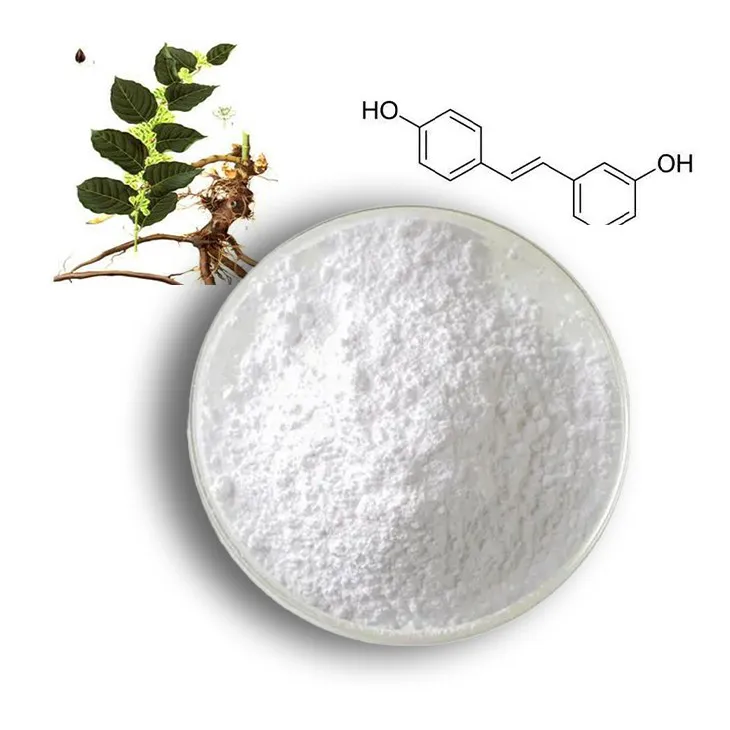
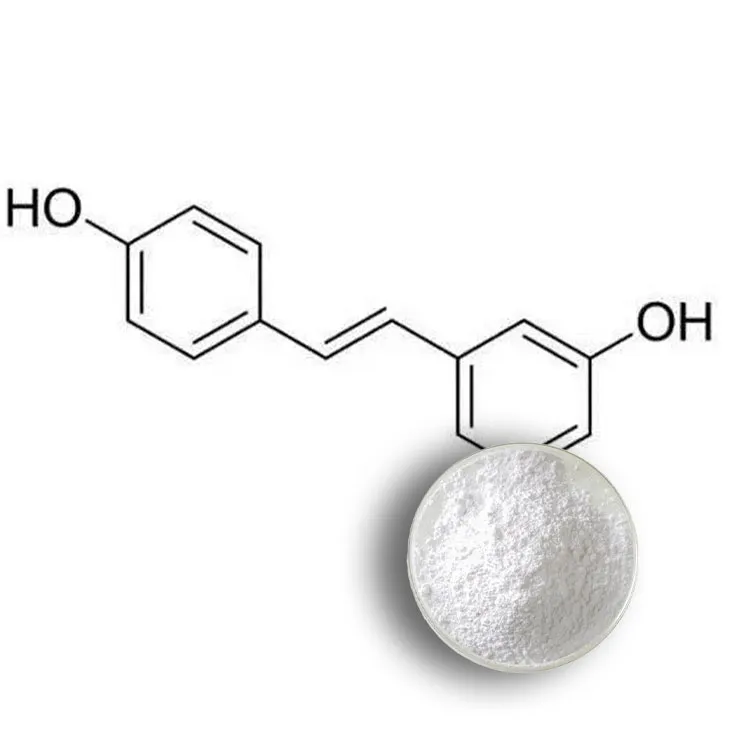
Resveratrol (3,5,4′-trihydroxystilbene) is a naturally occurring stilbenoid — a type of polyphenolic compound produced by plants in response to environmental stress, fungal infection, or UV radiation. First isolated in 1940 from the roots of white hellebore (Veratrum grandiflorum), resveratrol gained widespread scientific attention in the 1990s when researchers identified it as a key component of the "French Paradox" — the observation that French populations exhibited lower rates of cardiovascular disease despite diets high in saturated fat, largely attributed to regular red wine consumption.
Since then, resveratrol has become one of the most extensively studied natural compounds in modern science, with over 12,000 peer-reviewed publications covering its effects on longevity, cardiovascular health, neuroprotection, cancer biology, and metabolic function.
The compound's reputation as a leading anti-aging molecule stems from its ability to activate sirtuins (particularly SIRT1), a family of proteins associated with lifespan extension and cellular repair. Research in yeast, worms, flies, and fish has demonstrated significant lifespan extension, sparking intense interest in resveratrol as a potential human longevity intervention.
The global resveratrol market is projected to reach USD 580 million by 2030, driven by the growing anti-aging supplement industry, expanding applications in skincare, and increasing consumer demand for evidence-based natural health products.
2. Natural Sources: Japanese Knotweed, Grape Skin, and Red Wine
2.1 Major Botanical Sources
Plant Species Part Used Resveratrol Content Region Polygonum cuspidatum (Japanese Knotweed) Root/Rhizome 1–5% (raw); up to 98% (extracted) China, Japan, Korea Vitis vinifera (Grape) Skin/Seeds 0.1–2 mg/100g fresh weight Global Arachis hypogaea (Peanut) Skin 0.01–0.2 mg/100g Global Morussin (Mulberry) Root bark Variable East Asia Picea mariana (Red Pine) Bark Variable North America
2.2 Commercial Sourcing Considerations
For large-scale production, Polygonum cuspidatum (Japanese Knotweed) is the dominant commercial source due to:
High concentration: Root material naturally contains 1–5% resveratrol, far exceeding grape skin
Sustainable supply: Japanese Knotweed is an abundant, fast-growing plant; using it for extract production supports ecological management of an invasive species
Cost efficiency: Established supply chains in China ensure consistent quality at competitive pricing
Scalability: Industrial extraction processes can achieve purifications from 1% to 98%+ resveratrol
Grape skin-derived resveratrol, while popular in premium "wine extract" marketing, offers lower concentrations and higher raw material costs, making it better suited for niche, premium-positioned products rather than high-volume supplement manufacturing.
3. Active Compounds and Mechanisms of Action
3.1 Molecular Profile
Compound Class Activity trans-Resveratrol Stilbenoid Primary bioactive isomer; SIRT1 activation cis-Resveratrol Stilbenoid Less stable, lower bioactivity Resveratrol-3-O-glucoside (Piceid) Stilbenoid glycoside Prodrug form, converted to resveratrol in vivo Pterostilbene Dimethylated derivative Higher bioavailability, similar mechanisms
3.2 Sirtuin Activation: The Longevity Pathway
Resveratrol's most celebrated mechanism is the activation of SIRT1 (Sirtuin 1), a NAD+-dependent deacetylase that regulates:
DNA repair: SIRT1 deacetylates p53, reducing apoptosis and promoting genomic stability
Mitochondrial biogenesis: Through PGC-1α activation, resveratrol enhances mitochondrial density and function
Inflammation control: SIRT1 deacetylates NF-κB, reducing pro-inflammatory cytokine production
Metabolic regulation: SIRT1 modulates insulin signaling and glucose homeostasis
This multi-pathway activation mirrors caloric restriction — the most robust intervention for lifespan extension across species — earning resveratrol the designation "caloric restriction mimetic."
3.3 AMPK Activation and mTOR Inhibition
Resveratrol activates AMP-activated protein kinase (AMPK) through two mechanisms:
Direct activation: Binding to AMPK complex, promoting phosphorylation
Indirect activation: Inhibition of mitochondrial complex I, increasing AMP:ATP ratio
Downstream effects include:
mTOR inhibition: Reducing protein synthesis and cell proliferation, promoting autophagy
Fatty acid oxidation: Enhanced lipid metabolism through ACC phosphorylation
Glucose uptake: Increased GLUT4 translocation, improved insulin sensitivity
3.4 Antioxidant and Anti-Inflammatory Pathways
Nrf2 activation: Upregulates endogenous antioxidant enzymes (SOD, catalase, glutathione peroxidase)
COX-2 inhibition: Reduces prostaglandin synthesis, similar to NSAIDs but with broader safety
NF-κB suppression: Decreases TNF-α, IL-6, and IL-1β production
ROS scavenging: Direct free radical neutralization via phenolic hydroxyl groups
4. Clinical Evidence for Longevity and Cellular Health
4.1 Human Clinical Trials
Study Population Dose Duration Key Findings Evans et al. (2011) Healthy adults (n=8) 150 mg/day 30 days Improved insulin sensitivity, reduced BP Gualdoni et al. (2020) Healthy subjects (n=24) 500 mg/day 28 days Enhanced endothelial function Wong et al. (2017) Type 2 diabetics (n=50) 1,000 mg/day 12 weeks Reduced fasting glucose, improved lipid profile Rege et al. (2014) Alzheimer's patients (n=114) 500–2,000 mg/day 52 weeks Slowed cognitive decline, reduced CSF MMP-9
4.2 Telomere and Epigenetic Effects
Emerging research suggests resveratrol may influence epigenetic aging markers:
Telomerase activation: In vitro studies show resveratrol can upregulate telomerase activity in certain cell types
DNA methylation: Modulates age-related methylation patterns, potentially slowing epigenetic clock progression
Senescence-associated secretory phenotype (SASP): Reduces SASP factor secretion in senescent cells
5. Cardiovascular Benefits: Endothelial Function and Lipid Protection
5.1 Endothelial Health
Resveratrol improves endothelial function through multiple mechanisms:
eNOS upregulation: Increases nitric oxide synthase activity, enhancing NO production and vasodilation
Oxidized LDL reduction: Protects LDL particles from oxidative modification, a critical step in atherosclerosis
Platelet aggregation inhibition: Reduces thrombotic risk without the bleeding complications of pharmaceutical antiplatelets
Clinical outcomes:
Systolic blood pressure: Reduction of 3–5 mmHg (meta-analysis of 6 RCTs)
Flow-mediated dilation (FMD): Improvement of 1.2–2.3% in endothelial function tests
LDL oxidation: 20–40% reduction in oxidized LDL biomarkers
5.2 Lipid Profile Modulation
Total cholesterol: Modest reduction (5–10 mg/dL) in hyperlipidemic populations
Triglycerides: Reduction of 10–15% with doses ≥500 mg/day
HDL cholesterol: Modest increase in some studies, though results are mixed
6. Neuroprotection and Cognitive Health: The Anti-Aging Brain Connection
6.1 Mechanisms of Neuroprotection
Blood-brain barrier penetration: Resveratrol crosses the BBB, albeit with moderate bioavailability
Amyloid-beta reduction: Decreases Aβ production and promotes clearance in Alzheimer's models
Tau protein modulation: Reduces hyperphosphorylation of tau, preventing neurofibrillary tangle formation
BDNF upregulation: Increases brain-derived neurotrophic factor, supporting neurogenesis and synaptic plasticity
Microglial activation: Suppresses excessive microglial activation, reducing neuroinflammation
6.2 Clinical Evidence
Alzheimer's disease: Phase II trials show resveratrol (up to 2,000 mg/day) is well-tolerated and may slow cognitive decline
Mild cognitive impairment: Improved memory performance and cerebral blood flow in older adults
Stroke recovery: Animal models demonstrate reduced infarct volume and improved functional recovery with pre-treatment
7. Anti-Inflammatory and Antioxidant Science
7.1 Anti-Inflammatory Mechanisms
Resveratrol targets multiple inflammatory pathways simultaneously:
NF-κB pathway: Inhibits IκB kinase, preventing NF-κB nuclear translocation and pro-inflammatory gene expression
COX-1/COX-2 inhibition: Reduces prostaglandin E2 synthesis
5-LOX inhibition: Decreases leukotriene production
Cytokine suppression: Downregulates TNF-α, IL-1β, IL-6, and IL-8
This multi-target anti-inflammatory profile positions resveratrol as a natural alternative to NSAIDs for chronic inflammatory conditions, with a significantly more favorable safety profile.
7.2 Antioxidant Capacity
ORAC value: Resveratrol demonstrates significant oxygen radical absorbance capacity
Glutathione preservation: Maintains intracellular glutathione levels under oxidative stress
Mitochondrial protection: Preserves mitochondrial membrane potential and reduces ROS generation
8. Skin Health and UV Protection: Topical and Oral Applications
8.1 Photoprotection
UV damage prevention: Resveratrol reduces UVB-induced DNA damage and apoptosis in keratinocytes
Collagen preservation: Inhibits MMP-1 and MMP-3, enzymes that degrade collagen and elastin
Anti-glycation: Reduces advanced glycation end-product (AGE) formation, preventing skin stiffening
8.2 Clinical Applications
Topical formulations: 0.5–1% resveratrol in serums and creams for anti-aging skincare
Oral supplementation: 100–500 mg/day for systemic skin health benefits
Combination therapy: Synergistic effects when combined with vitamin C, vitamin E, and ferulic acid
9. Metabolic Health: Insulin Sensitivity and Weight Management
9.1 Insulin Sensitivity
AMPK-SIRT1 axis: Dual activation improves insulin receptor signaling
Adiponectin increase: Resveratrol upregulates adiponectin secretion from adipose tissue
GLUT4 translocation: Enhanced glucose uptake in skeletal muscle and adipose tissue
Clinical results:
HOMA-IR: Reduction of 15–25% in insulin-resistant populations
Fasting glucose: Reduction of 5–15 mg/dL in type 2 diabetics
9.2 Body Composition
White-to-brown adipose conversion: Resveratrol promotes browning of white adipose tissue, increasing energy expenditure
Lipolysis enhancement: Increased fatty acid oxidation through AMPK activation
Appetite regulation: Modulates leptin and ghrelin signaling in animal models
10. Quality Standards and Certifications for Resveratrol Extract
Parameter Standard Specification Resveratrol content ≥50%, ≥98% (HPLC) trans/cis ratio ≥95% trans-isomer Heavy metals Pb < 1.0 ppm, As < 0.5 ppm, Cd < 0.3 ppm, Hg < 0.1 ppm Pesticide residues Compliant with EU/USP limits Residual solvents Compliant with ICH Q3C Microbiological limits Total plate count < 1,000 CFU/g Loss on drying < 2.0% Appearance White to light yellow crystalline powder
11. How to Source Premium Resveratrol: A Buyer's Guide for B2B
11.1 Critical Quality Considerations
Botanical authentication: Verify Polygonum cuspidatum species via DNA barcoding or HPLC fingerprinting
trans/cis ratio: The trans-isomer is the bioactive form; premium extracts contain ≥95% trans-resveratrol
Extraction method: Ethanol extraction followed by chromatographic purification ensures high purity without harsh chemical residues
Particle size: For capsule formulations, 80–200 mesh ensures consistent filling and dissolution
Stability: Resveratrol is light- and oxygen-sensitive; proper packaging (amber glass, nitrogen-flushed aluminum bags) is essential
Third-party testing: Request independent lab verification for potency, heavy metals, and microbiological safety
11.2 Market Pricing Factors
Purity level: 50% extract costs significantly less than 98% pharmaceutical-grade material
Source material: Japanese Knotweed-derived resveratrol is more cost-effective than grape skin-derived
Certifications: Organic, Kosher, and Halal certifications add premium value
Order volume: Bulk orders (≥25 kg) typically receive 15–30% pricing advantages
11.3 Sustainability and Traceability
GAP cultivation: Sourced from Good Agricultural Practice-certified Japanese Knotweed farms
Batch traceability: Full documentation from raw material to finished extract
Environmental impact: Japanese Knotweed utilization supports ecological management programs
12. Applications in Supplements, Cosmetics, and Functional Foods
12.1 Dietary Supplements
Anti-aging formulas: 100–500 mg per serving, often combined with NMN, CoQ10, and PQQ
Cardiovascular health: Paired with red yeast rice, omega-3, and Hawthorn Extract
Cognitive support: Combined with Bacopa monnieri, Lion's Mane, and Ginkgo biloba
12.2 Skincare and Cosmetics
Anti-aging serums: 0.5–1% concentration in topical formulations
Sun protection: Complementary to SPF products for enhanced UV damage prevention
Anti-acne formulations: Anti-inflammatory properties complement traditional acne treatments
12.3 Functional Foods and Beverages
Anti-aging beverages: Added to juices, teas, and functional water products
Chocolate and confectionery: Resveratrol-fortified dark chocolate for dual antioxidant benefits
Wine enhancement: Post-fermentation addition for premium "super-resveratrol" wine positioning
13. Why Choose Greensky as Your Resveratrol Extract Supplier
Hangzhou Greensky Biological Tech.Co., Ltd brings over 20 years of expertise in natural plant extract manufacturing:
ISO22000, BRCGS, Ecocert Organic, SGS-GMP certified facilities ensure pharmaceutical-grade quality
100,000-class clean area production environment meets the highest food and supplement safety standards
Independent laboratory equipped with HPLC, GC, and UV ensures every batch meets strict specifications
Sustainable sourcing from GAP-certified Japanese Knotweed cultivation bases
Export experience serving Europe, the United States, South Korea, and Russia with nearly $30 million in annual export value
Custom specifications available from 1% to 98% resveratrol content
Full documentation: COA, MSDS, allergen statements, and third-party testing reports provided with every order
- ▶ Hesperidin
- ▶ Citrus Bioflavonoids
- ▶ Plant Extract
- ▶ lycopene
- ▶ Diosmin
- ▶ Grape seed extract
- ▶ Sea buckthorn Juice Powder
- ▶ Fruit Juice Powder
- ▶ Hops Extract
- ▶ Artichoke Extract
- ▶ Mushroom extract
- ▶ Astaxanthin
- ▶ Green Tea Extract
- ▶ Curcumin
- ▶ Horse Chestnut Extract
- ▶ Other Product
- ▶ Boswellia Serrata Extract
- ▶ Resveratrol
- ▶ Marigold Extract
- ▶ Grape Leaf Extract
- ▶ New Product
- ▶ Aminolevulinic acid
- ▶ Cranberry Extract
- ▶ Red Yeast Rice
- ▶ Red Wine Extract
- ▶ blog
-
Centella Asiatica Extract
2026-11-23
-
Rose Hip Extract
2026-11-23
-
Phyllanthus Emblica Extract
2026-11-23
-
Moringa powder
2026-11-23
-
5-HTP (5-Hydroxytryptophan)
2026-11-23
-
Stevia Extract
2026-11-23
-
Lavender Extract
2026-11-23
-
Tamarind extract powder
2026-11-23
-
Rhodiola Rosea Extract
2026-11-23
-
Resveratrol
2026-11-23