- 0086-571-85302990
- [email protected]



What Is Resveratrol? Anti-Aging Science, Longevity Benefits & B2B Sourcing Guide (2026)
2026-10-31
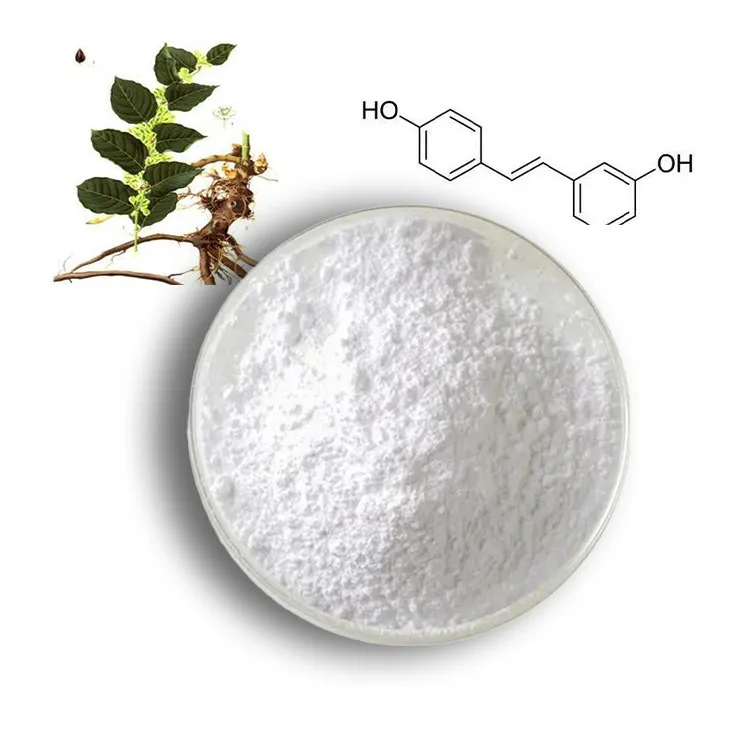
1. What Is Resveratrol and Why Is It the Premier Anti-Aging Compound?
Resveratrol (3,5,4'-trihydroxystilbene) is a naturally occurring polyphenolic compound classified as a stilbenoid phytoalexin — a molecule produced by plants in response to injury, UV radiation, or pathogenic attack. First isolated from the roots of white hellebore (Veratrum grandiflorum) in 1940, resveratrol gained widespread scientific and commercial attention following the 1992 discovery of its presence in red wine and its proposed role in the "French Paradox."
In 2026, the global resveratrol market is valued at approximately $100 million and growing at a CAGR of 8.5%, fueled by expanding applications in anti-aging supplements, cardiovascular health products, cosmeceuticals, and functional foods. For B2B buyers and formulators, understanding the science, sourcing quality, and regulatory landscape of resveratrol is critical for product development.
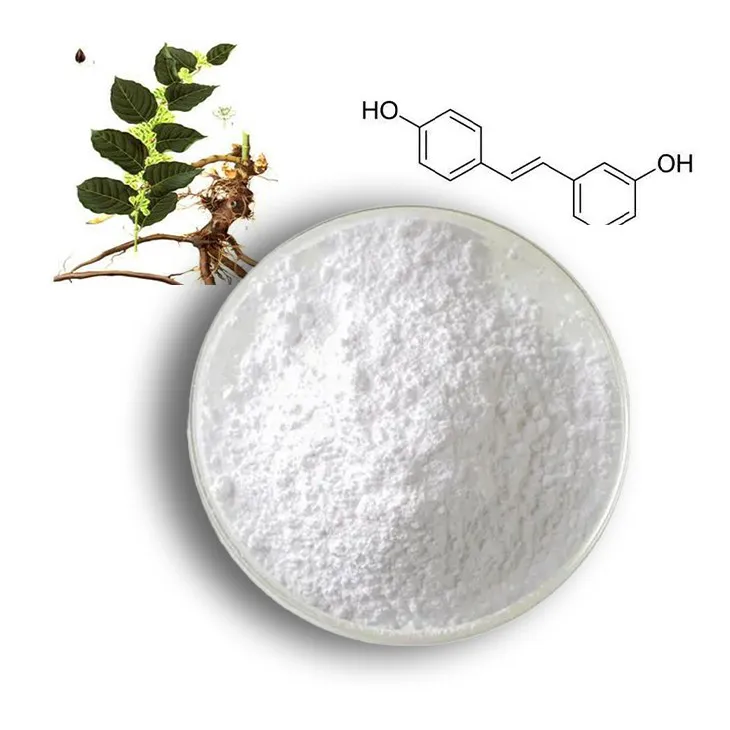
2. Natural Sources of Resveratrol
Resveratrol is found in over 72 plant species. The most commercially significant sources include:
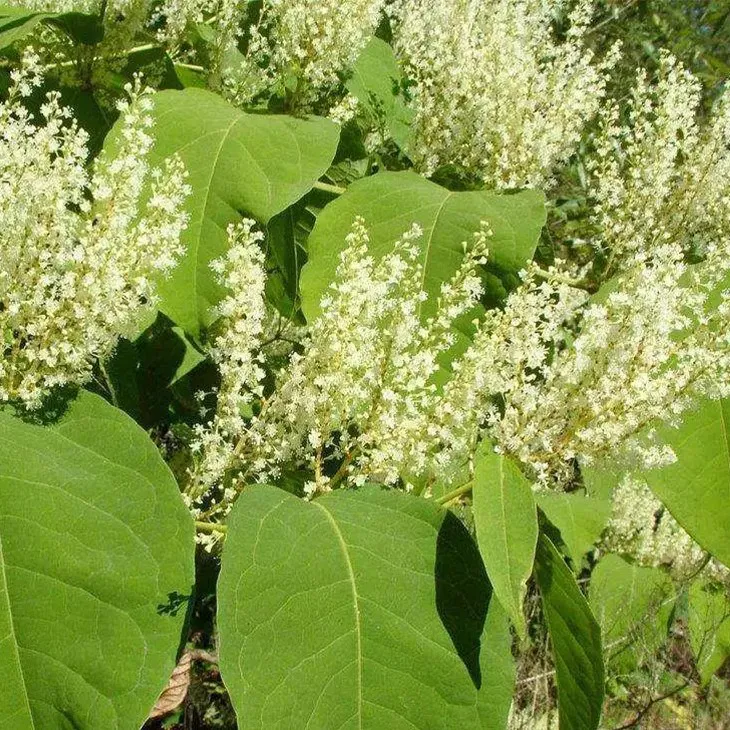
Source Resveratrol Content Commercial Viability Polygonum cuspidatum (Japanese Knotweed) 1%–8% (root) Primary commercial source Vitis vinifera (Grape skin/seeds) 50–1000 mg/kg Premium wine industry byproduct Peanut (Arachis hypogaea) 0.3–1.4 mg/100g Limited commercial extraction Blueberry & Bilberry 70–600 ng/g Niche supplement ingredient Mulberry (Morus alba) 20–300 mg/kg Emerging source for functional foods
Japanese Knotweed (Polygonum cuspidatum) remains the dominant commercial source due to its high resveratrol concentration, sustainable cultivation, and cost-effective extraction processes.
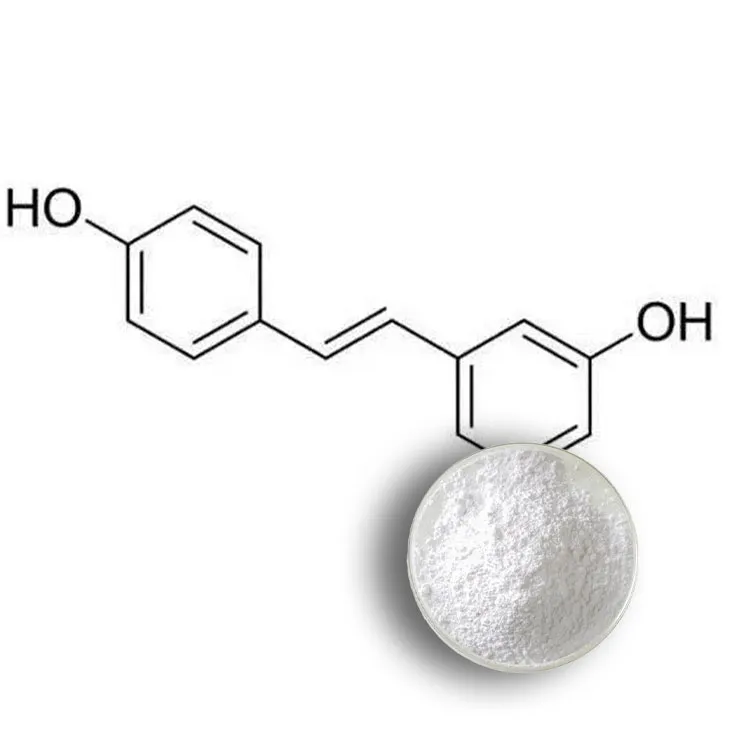
3. Key Active Forms: Trans-Resveratrol vs. Cis-Resveratrol
The biological activity of resveratrol depends critically on its isomeric form:
Trans-resveratrol: The biologically active, thermodynamically stable form used in clinical research and commercial supplements. Look for ≥98% trans-resveratrol purity.
Cis-resveratrol: An inactive isomer formed through UV exposure. Should be minimized in quality products.
Resveratrol glycosides (Piceid): Bound forms found naturally in plants; require enzymatic conversion in the body to release active resveratrol.
When sourcing, always specify trans-resveratrol and request HPLC chromatograms confirming isomeric purity.
4. Scientific Evidence for Anti-Aging and Longevity
4.1 SIRT1 Activation and Cellular Health
Resveratrol activates SIRT1 (Sirtuin 1), a NAD+-dependent deacetylase enzyme central to cellular aging pathways. SIRT1 activation promotes:
Enhanced mitochondrial biogenesis via PGC-1α signaling
Improved DNA repair mechanisms
Regulation of inflammatory pathways (NF-κB inhibition)
4.2 Cardiovascular Protection
Clinical and epidemiological studies demonstrate resveratrol's cardiovascular benefits:
Endothelial function: Improves nitric oxide bioavailability and vascular elasticity
LDL oxidation: Reduces oxidized LDL cholesterol, a key factor in atherosclerosis
Platelet aggregation: Mild antiplatelet effects support healthy blood flow
4.3 Neuroprotection
Emerging research suggests resveratrol crosses the blood-brain barrier and may protect against neurodegenerative conditions:
Reduces amyloid-beta plaque accumulation in preclinical models
Supports cerebral blood flow and cognitive performance in aging adults
Exhibits anti-inflammatory effects in neural tissue
5. Recommended Dosage and Bioavailability
Application Daily Dosage Notes General antioxidant support 50–100mg Trans-resveratrol, with food Cardiovascular health 100–500mg Divided doses with meals Anti-aging / longevity 250–1000mg Higher doses in clinical studies Topical (cosmeceutical) 0.1%–1% Formulation-dependent
Bioavailability Note: Resveratrol has relatively low oral bioavailability due to rapid glucuronidation and sulfation in the liver. Formulation strategies to improve absorption include micronization, liposomal delivery, piperine co-administration, and cyclodextrin complexation.
6. Quality Sourcing Checklist for B2B Buyers
Purity: ≥98% trans-resveratrol (HPLC verified)
Source: Polygonum cuspidatum root extract (sustainable cultivation)
Solvent Residue: Ensure compliance with ICH Q3C guidelines for residual solvents
Heavy Metals: Pb < 1ppm, As < 1ppm, Cd < 0.5ppm, Hg < 0.1ppm
Microbial Limits: Total plate count < 10,000 CFU/g; yeast/mold < 100 CFU/g
Stability: Store in light-resistant, airtight containers at <25°C
Certifications: ISO22000, GMP, Kosher, HALAL for global market access
7. Emerging Applications in 2026
NAD+ precursor combinations (Resveratrol + NMN/NR) for longevity protocols
Skin care formulations targeting photoaging and collagen preservation
Pet supplements for senior dog joint and cognitive health
Sports nutrition leveraging resveratrol's mitochondrial support properties
8. Why Choose Greensky for Resveratrol extract
Hangzhou Greensky Biological Tech. Co., Ltd. is a professional natural plant extract manufacturer with over 20 years of experience. Our resveratrol offerings feature:
High-purity trans-resveratrol (≥98% by HPLC) from sustainable Polygonum cuspidatum
Multiple specifications available: 50%, 98%, 99% trans-resveratrol
Full analytical support: COA, HPLC reports, heavy metal screening, microbial testing
GMP-compliant production with ISO22000, BRCGS, and Ecocert certifications
Independent laboratory with advanced HPLC, GC, and UV equipment for quality verification
With established export markets in Europe, the United States, South Korea, and Russia, Greensky is your reliable B2B Resveratrol extract supplier.
Contact Greensky
- ▶ Hesperidin
- ▶ Citrus Bioflavonoids
- ▶ Plant Extract
- ▶ lycopene
- ▶ Diosmin
- ▶ Grape seed extract
- ▶ Sea buckthorn Juice Powder
- ▶ Fruit Juice Powder
- ▶ Hops Extract
- ▶ Artichoke Extract
- ▶ Mushroom extract
- ▶ Astaxanthin
- ▶ Green Tea Extract
- ▶ Curcumin
- ▶ Horse Chestnut Extract
- ▶ Other Product
- ▶ Boswellia Serrata Extract
- ▶ Resveratrol
- ▶ Marigold Extract
- ▶ Grape Leaf Extract
- ▶ New Product
- ▶ Aminolevulinic acid
- ▶ Cranberry Extract
- ▶ Red Yeast Rice
- ▶ Red Wine Extract
- ▶ blog
-
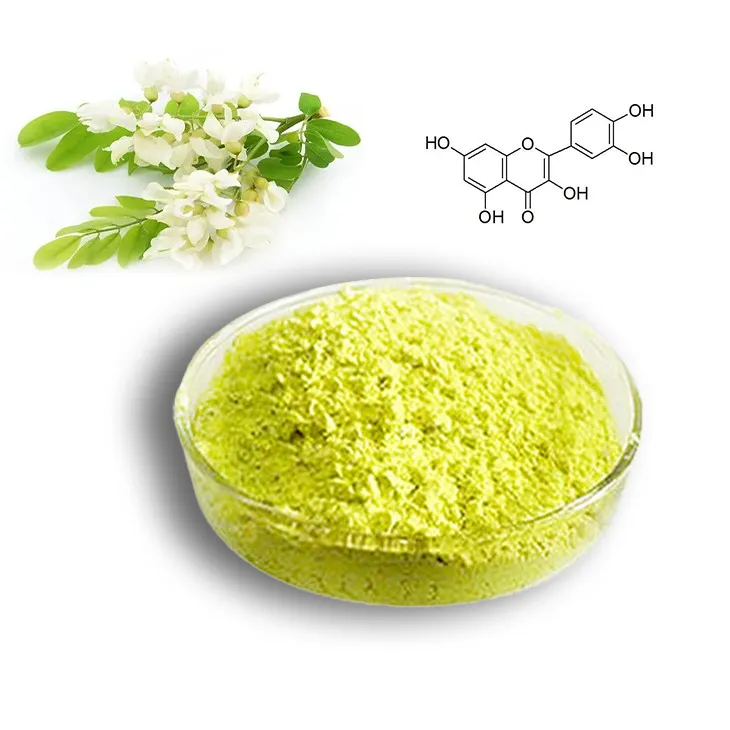
Quercetin
2026-10-31
-
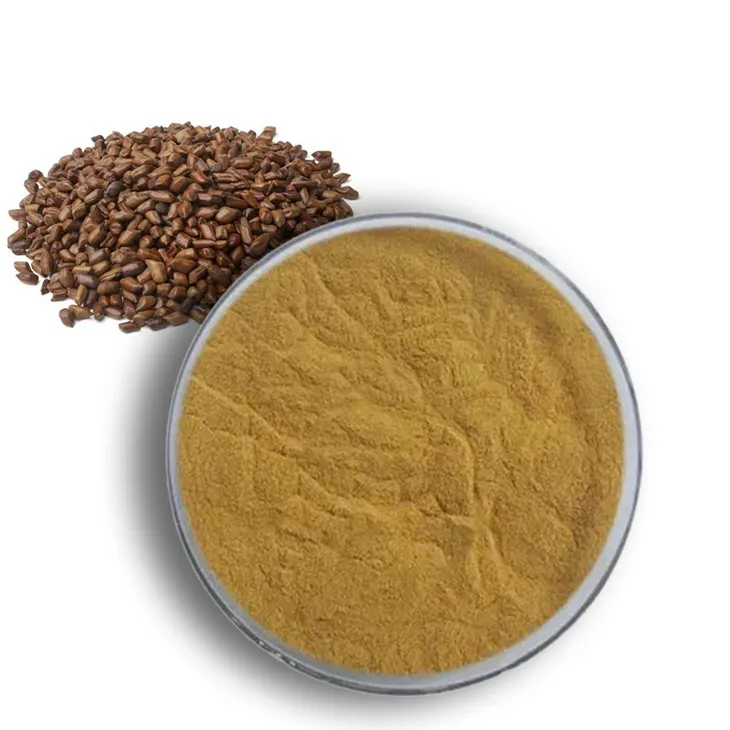
Cassia Seed Extract
2026-10-31
-
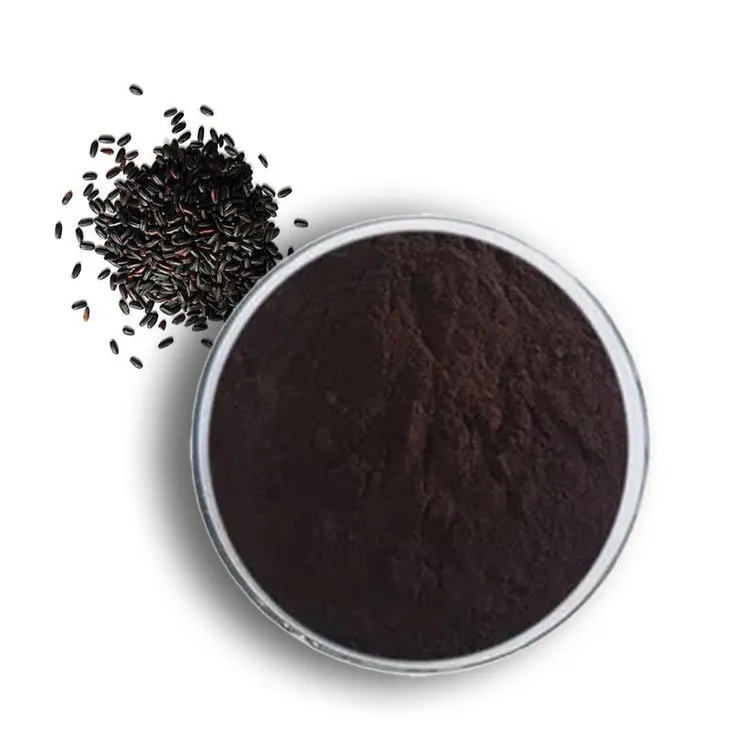
Black Rice Extract
2026-10-31
-
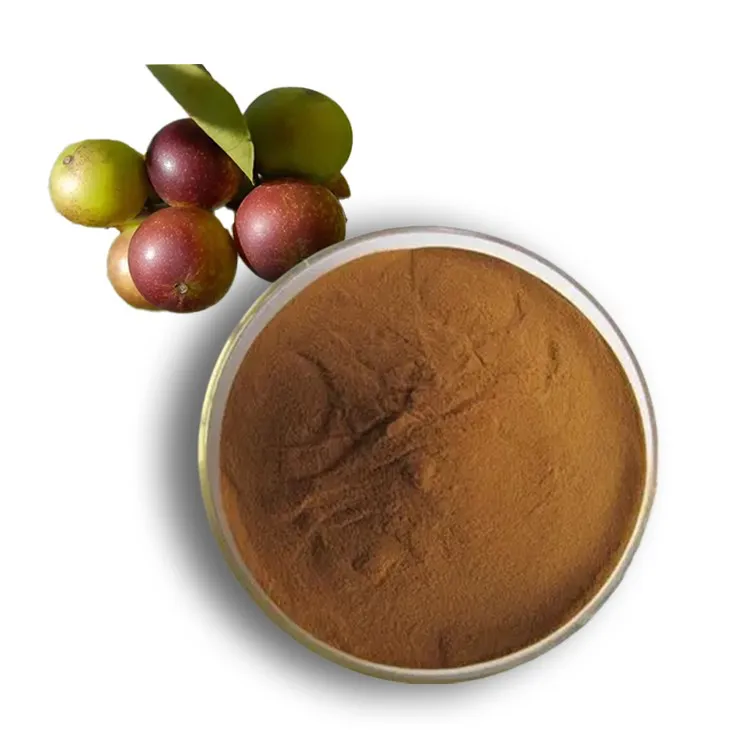
Camu Camu Extract
2026-10-31
-
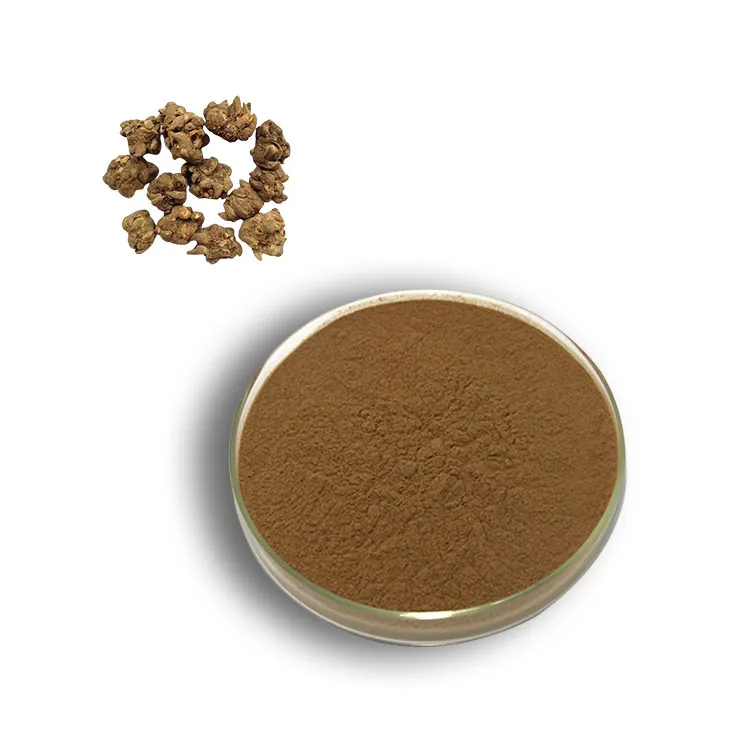
Cat Claw Extract
2026-10-31
-
Konjac Powder
2026-10-31
-
Tormentil Extract
2026-10-31
-
Citrus Aurantium Extract
2026-10-31
-
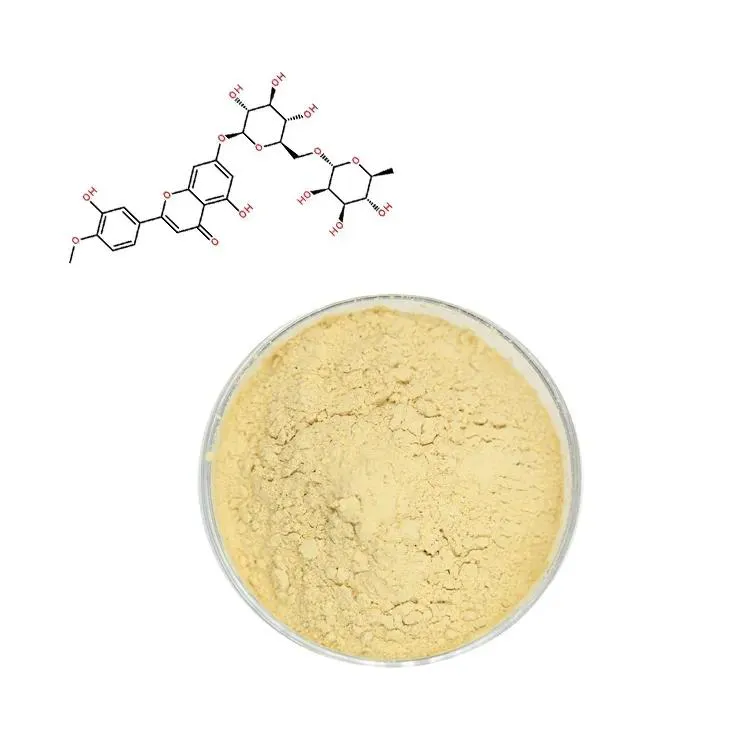
Diosmin
2026-10-31
-
Andrographis Paniculata Extract Powder
2026-10-31