- 0086-571-85302990
- [email protected]




Greensky supplies high-standardization Milk Thistle Extract (Silymarin 80%)
2026-11-23
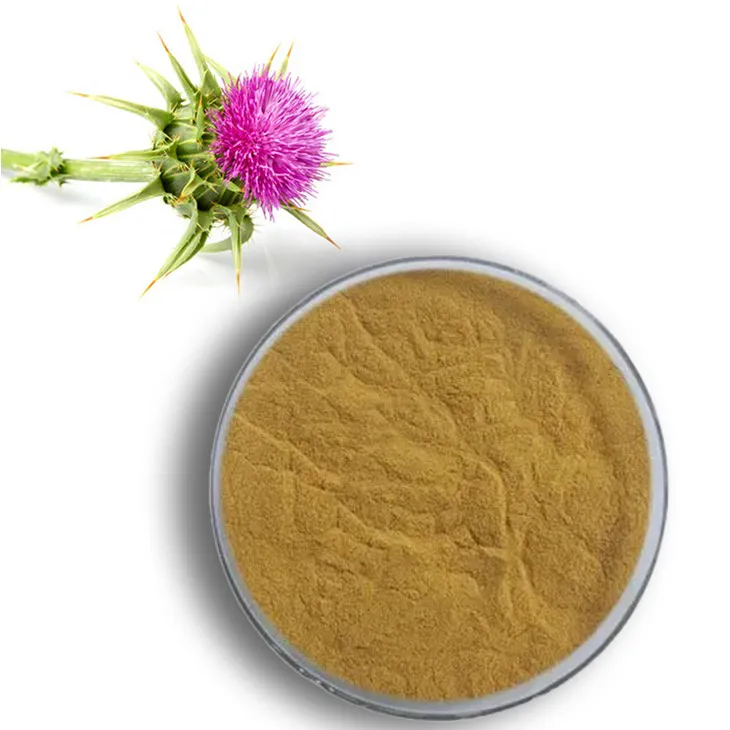
Table of Contents
What Is Milk Thistle Extract (Silymarin) and Why Is It the Gold Standard for Liver Health?
Botanical Origins: Silybum marianum and Its 2,000-Year Medicinal History
Active Compounds: Silybin, Silychristin, Silydianin, and Isosilybin
Clinical Evidence for Liver Disease and Hepatoprotection
Detoxification Support and Drug-Induced Liver Injury Prevention
Metabolic Liver Disease: NAFLD and NASH
Antioxidant and Anti-Fibrotic Mechanisms
Skin Health and Anti-Aging Applications
Quality Standards and Certifications for Silymarin Extract
How to Source Premium Milk Thistle Extract: A B2B Buyer's Guide
Applications in Supplements, Pharmaceuticals, and Functional Foods
Why Choose Greensky as Your Milk Thistle Extract Supplier
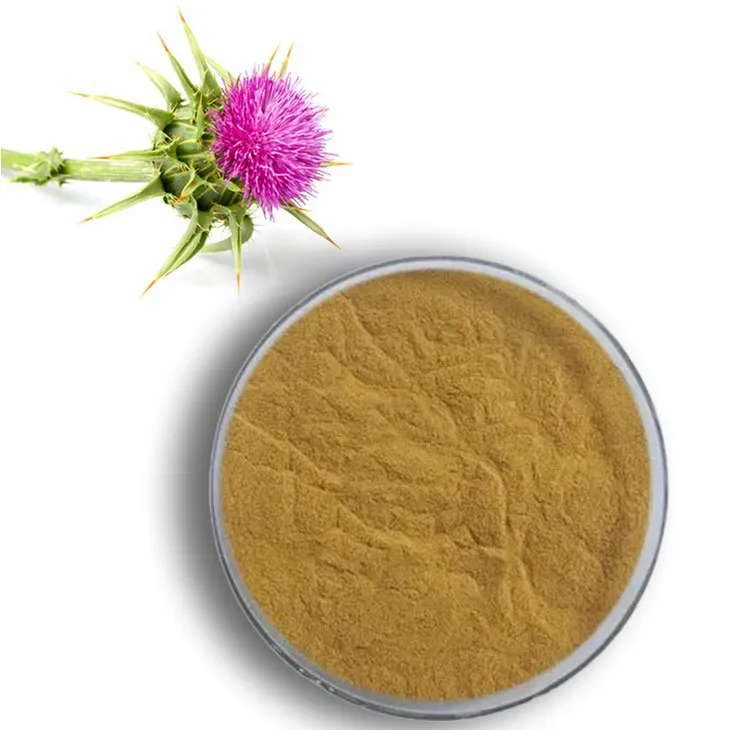
1. What Is Milk Thistle Extract (Silymarin) and Why Is It the Gold Standard for Liver Health?
Milk thistle (Silybum marianum) is one of the most widely used and scientifically validated herbal medicines for liver health. The active extract, known as silymarin, is a complex of flavonolignans isolated from the seeds and fruits of the milk thistle plant. For over 2,000 years, milk thistle has been used in European and Mediterranean traditional medicine to treat liver and gallbladder conditions.
Today, silymarin is the most prescribed hepatoprotective agent in Europe, approved by Germany's Commission E for toxic liver damage and chronic inflammatory liver conditions. In the United States, it is one of the top-selling liver health supplements, with the global milk thistle extract market projected to reach USD 350 million by 2028.
For B2B buyers, milk thistle extract represents an essential ingredient in any liver health supplement portfolio, with strong consumer awareness, extensive clinical backing, and growing demand driven by rising rates of NAFLD, alcohol-related liver disease, and environmental toxin exposure.
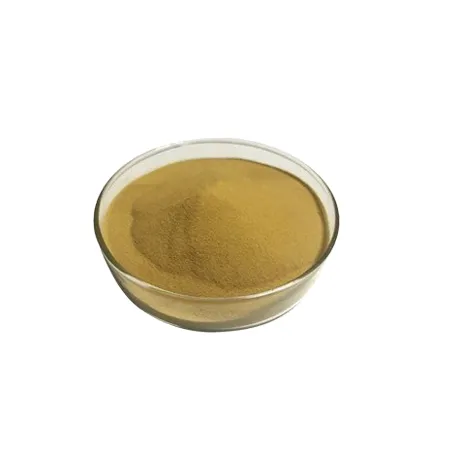
2. Botanical Origins: Silybum marianum and Its 2,000-Year Medicinal History
2.1 Botanical Profile
Scientific name: Silybum marianum (L.) Gaertn.
Family: Asteraceae (daisy family)
Part used: Seeds and fruits
Native range: Mediterranean region, North Africa, Middle East
Major cultivation: China, Eastern Europe, Argentina, United States
Harvest time: Late summer when seeds are fully mature
2.2 Historical Use
Ancient Greece: Dioscorides (1st century AD) recommended milk thistle for snake bites and liver conditions
Middle Ages: Hildegard of Bingen prescribed milk thistle for liver disorders
19th century: Eclectic physicians in America used milk thistle for liver, kidney, and spleen conditions
1960s–present: German researchers isolated silymarin and established its hepatoprotective mechanisms through rigorous clinical trials
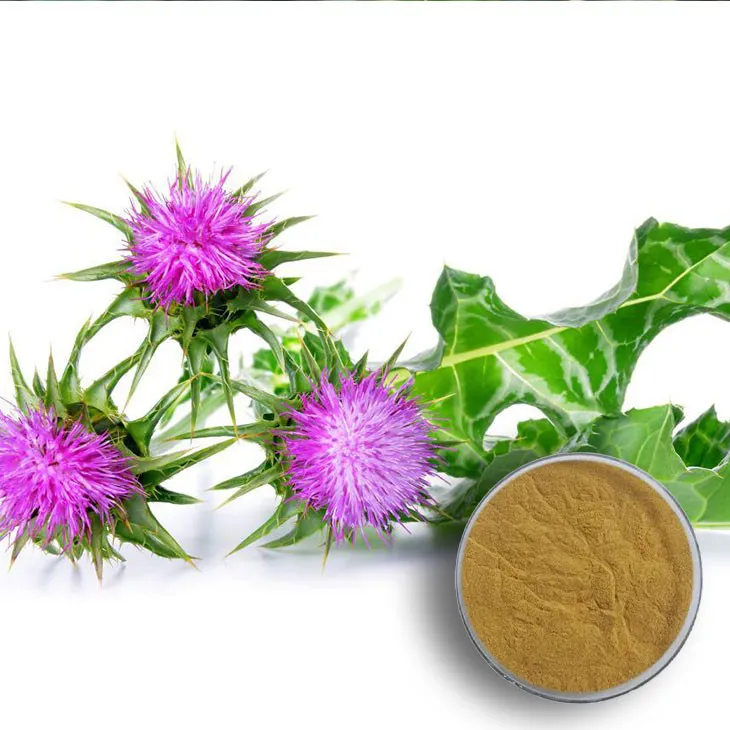
3. Active Compounds: Silybin, Silychristin, Silydianin, and Isosilybin
3.1 Silymarin Complex Composition
Compound Percentage of Silymarin Bioactivity Silybin (Silibinin) A + B 50–70% Most active component; primary hepatoprotective agent Isosilybin A + B 10–20% Complementary hepatoprotective activity Silychristin 10–20% Antioxidant, anti-fibrotic Silydianin 5–10% Minor component, contributes to overall effect
3.2 Mechanism of Action
Silymarin protects the liver through multiple complementary mechanisms:
Membrane stabilization: Binds to hepatocyte cell membranes, preventing toxin entry and enhancing membrane integrity
Antioxidant activity: Scavenges free radicals and increases intracellular glutathione by up to 35%
Protein synthesis stimulation: Promotes ribosomal RNA synthesis, accelerating liver cell regeneration
Anti-fibrotic effects: Inhibits hepatic stellate cell activation, reducing collagen deposition and fibrosis
Anti-inflammatory action: Suppresses NF-κB activation and reduces TNF-α and IL-6 production
Detoxification support: Modulates Phase I and Phase II liver enzymes, enhancing toxin elimination
4. Clinical Evidence for Liver Disease and Hepatoprotection
4.1 Alcoholic Liver Disease
Study Population Dose Duration Key Findings Ferenci et al. (1989) Alcoholic cirrhosis (n=170) 420 mg/day 41 months Significant survival benefit (58% vs. 39% placebo) Pares et al. (2006) Alcoholic liver disease (n=120) 600 mg/day 2 years Improved liver function tests, reduced oxidative stress Meta-analysis (4 RCTs, n=632) Various liver diseases 120–420 mg/day Variable Significant mortality reduction in cirrhosis patients
4.2 Viral Hepatitis
Hepatitis B: Silymarin supplementation (420 mg/day) reduced ALT and AST levels by 30–50% in chronic HBV patients
Hepatitis C: Improved liver enzyme profiles and reduced oxidative stress markers; synergistic with antiviral therapy
Mechanism: Inhibits viral entry into hepatocytes and reduces inflammation-driven liver damage
4.3 Mushroom Poisoning (Amanita phalloides)
Intravenous silybin (Legalon SIL) is the standard treatment for death cap mushroom poisoning in Europe
Mechanism: Blocks amatoxin uptake into hepatocytes and stimulates protein synthesis for liver regeneration
Efficacy: Reduces mortality from >50% to <10% when administered within 48 hours of ingestion
5. Detoxification Support and Drug-Induced Liver Injury Prevention
5.1 Phase I and Phase II Enzyme Modulation
Silymarin modulates the liver's detoxification pathways:
Phase I (Cytochrome P450): Mild inhibition of CYP3A4 and CYP2C9, reducing toxic metabolite formation
Phase II (Conjugation): Upregulation of glutathione-S-transferase and UDP-glucuronosyltransferase, enhancing toxin conjugation and excretion
Glutathione: Increases hepatic glutathione levels by 35%, the body's primary antioxidant and detoxification molecule
5.2 Drug-Induced Liver Injury (DILI)
Acetaminophen toxicity: Silymarin protects against acetaminophen-induced hepatotoxicity in animal models by preserving glutathione
Chemotherapy protection: Reduces liver toxicity associated with methotrexate, cisplatin, and other chemotherapeutic agents
Alcohol metabolism: Protects hepatocytes from acetaldehyde-induced oxidative damage
5.3 Environmental Toxin Protection
Heavy metals: Reduces liver damage from cadmium, lead, and mercury exposure
Pesticides: Protects against organophosphate-induced hepatotoxicity
Industrial solvents: Mitigates carbon tetrachloride and chloroform liver damage
6. Metabolic Liver Disease: NAFLD and NASH
6.1 Non-Alcoholic Fatty Liver Disease (NAFLD)
NAFLD affects approximately 25% of the global population, making it the most common chronic liver disease worldwide. Silymarin has emerged as a promising therapeutic intervention:
Study Population Dose Duration Key Findings Wah Kheong et al. (2019) NAFLD (n=50) 600 mg/day 12 weeks Significant ALT/AST reduction, improved ultrasound grading Ebrahimpour-Koujan et al. (2018) NAFLD (n=50) 140 mg TID 8 weeks Improved liver enzymes, insulin resistance, and lipid profile Meta-analysis (7 RCTs, n=641) NAFLD patients 200–600 mg/day 8–24 weeks Significant ALT (-23 U/L) and AST (-14 U/L) reduction
6.2 Mechanisms in NAFLD/NASH
Lipid metabolism: Reduces hepatic triglyceride accumulation through AMPK activation
Insulin sensitization: Improves HOMA-IR scores by 15–25%
Anti-fibrotic: Inhibits hepatic stellate cell activation, preventing progression to cirrhosis
Oxidative stress: Reduces lipid peroxidation and malondialdehyde (MDA) levels
6.3 Combination Therapy
Silymarin + Vitamin E: Superior outcomes in NASH patients compared to either alone
Silymarin + Berberine: Enhanced lipid-lowering and insulin-sensitizing effects
Silymarin + Omega-3: Comprehensive approach to NAFLD management
7. Antioxidant and Anti-Fibrotic Mechanisms
7.1 Antioxidant Properties
Direct scavenging: Silybin neutralizes hydroxyl, superoxide, and peroxyl radicals
Glutathione synthesis: Increases γ-glutamylcysteine synthetase activity, the rate-limiting enzyme in glutathione production
SOD and catalase upregulation: Enhanced endogenous antioxidant enzyme expression
Lipid peroxidation inhibition: Protects hepatocyte membranes from oxidative damage
7.2 Anti-Fibrotic Mechanisms
Liver fibrosis is the pathological hallmark of chronic liver disease progression. Silymarin interrupts the fibrotic cascade:
Hepatic stellate cell (HSC) inhibition: Suppresses HSC activation and proliferation
TGF-β1 downregulation: Reduces the primary profibrogenic cytokine
Collagen synthesis reduction: Decreases type I and III collagen deposition
MMP/TIMP balance: Restores the balance between matrix metalloproteinases and their inhibitors
8. Skin Health and Anti-Aging Applications
8.1 Photoprotection
UVB damage prevention: Silymarin reduces UVB-induced DNA damage and sunburn cell formation
Anti-inflammatory: Inhibits UV-induced edema and inflammatory cell infiltration
Collagen preservation: Reduces MMP-1 and MMP-9 expression, preserving dermal collagen
8.2 Anti-Acne and Sebaceous Gland Regulation
Sebum reduction: Silymarin reduces sebum production by inhibiting 5α-reductase activity
Anti-inflammatory: Reduces acne-related inflammation through NF-κB inhibition
Clinical trials: Topical silymarin formulations improved acne severity scores by 30–50%
8.3 Anti-Aging Skincare
Antioxidant protection: Protects skin cells from environmental oxidative stress
Anti-glycation: Reduces advanced glycation end-product (AGE) formation in skin proteins
Wound healing: Accelerates wound closure and collagen remodeling in animal models
9. Quality Standards and Certifications for Silymarin Extract
9.1 Pharmacopoeial Specifications
Parameter USP Standard EP Standard Silymarin content ≥80% (HPLC) ≥80% (HPLC) Silybin content 30–65% of silymarin 30–65% of silymarin Moisture <5.0% <5.0% Heavy metals Pb < 3 ppm, As < 2 ppm Pb < 2 ppm, As < 1 ppm Pesticide residues Compliant with USP limits Compliant with EP limits Microbiological limits Total plate count < 1,000 CFU/g Total plate count < 1,000 CFU/g Appearance Yellowish-brown powder Yellowish-brown powder
9.2 Advanced Formulations
Silymarin phytosome: Silybin complexed with phosphatidylcholine for 10× improved bioavailability
Water-soluble silymarin: Nano-emulsion technology for enhanced absorption
Standardized silybin: 95%+ silybin for pharmaceutical applications
10. How to Source Premium Milk Thistle Extract: A B2B Buyer's Guide
10.1 Key Quality Considerations
Silymarin content: Verify ≥80% silymarin via HPLC; beware of suppliers offering "80% silybin" at suspiciously low prices
Silybin ratio: Confirm silybin represents 30–65% of total silymarin
Solvent residues: Ethanol extraction is preferred; verify ICH Q3C compliance
Heavy metals: Chinese-sourced material requires testing for Pb, As, Cd, and Hg
Mycotoxins: Milk thistle seeds are susceptible to aflatoxin contamination; request aflatoxin testing
Particle size: 80–120 mesh for capsule filling; finer grades for phytosome preparation
10.2 Pricing and Market Dynamics
Raw material pricing: Varies by harvest quality, silymarin content, and origin
Processing costs: 80% silymarin extract requires multi-step purification; higher-grade material commands premium pricing
Certifications: ISO22000, GMP, Organic, Kosher, and Halal add 10–25% to base pricing
Volume discounts: Annual supply agreements typically secure 15–30% savings
10.3 Supply Chain Verification
Origin documentation: Sourced from GAP-certified cultivation areas
Batch testing: COA for every batch, with third-party verification available
Stability data: Request 24-month stability studies under ICH conditions
11. Applications in Supplements, Pharmaceuticals, and Functional Foods
11.1 Dietary Supplements
Liver health formulas: 150–600 mg per serving (80% silymarin), often combined with , Dandelion Root, and Turmeric
Detox programs: Combined with NAC, Alpha-Lipoic Acid, and Milk Thistle for comprehensive liver support
Hangover prevention: Added to pre-drinking and post-drinking supplement formulations
11.2 Pharmaceutical Products
Prescription silymarin: Approved in Europe for toxic liver damage (e.g., Legalon®)
IV silybin: Standard treatment for Amanita mushroom poisoning (Legalon SIL)
Generic formulations: Multiple generic silymarin products available globally
11.3 Functional Foods and Beverages
Detox beverages: Added to liver-support teas and functional drinks
Skin health products: Topical formulations in serums and creams
12. Why Choose Greensky as Your Milk Thistle Extract Supplier
Hangzhou Greensky Biological Tech.Co., Ltd supplies premium Milk Thistle Extract (Silymarin 80%) with rigorous quality control:
≥80% silymarin standardization, verified by HPLC with individual silybin quantification
ISO22000, BRCGS, Ecocert Organic, SGS-GMP certified production facilities
100,000-class clean area ensures contaminant-free manufacturing
Independent laboratory equipped with HPLC, GC, and UV for comprehensive quality testing
Mycotoxin screening for aflatoxin B1, B2, G1, and G2
Full documentation: COA, MSDS, allergen statements, and third-party testing reports
Export experience to Europe, the United States, South Korea, and Russia
Custom specifications available for specialized applications
- ▶ Hesperidin
- ▶ Citrus Bioflavonoids
- ▶ Plant Extract
- ▶ lycopene
- ▶ Diosmin
- ▶ Grape seed extract
- ▶ Sea buckthorn Juice Powder
- ▶ Fruit Juice Powder
- ▶ Hops Extract
- ▶ Artichoke Extract
- ▶ Mushroom extract
- ▶ Astaxanthin
- ▶ Green Tea Extract
- ▶ Curcumin
- ▶ Horse Chestnut Extract
- ▶ Other Product
- ▶ Boswellia Serrata Extract
- ▶ Resveratrol
- ▶ Marigold Extract
- ▶ Grape Leaf Extract
- ▶ New Product
- ▶ Aminolevulinic acid
- ▶ Cranberry Extract
- ▶ Red Yeast Rice
- ▶ Red Wine Extract
- ▶ blog
-
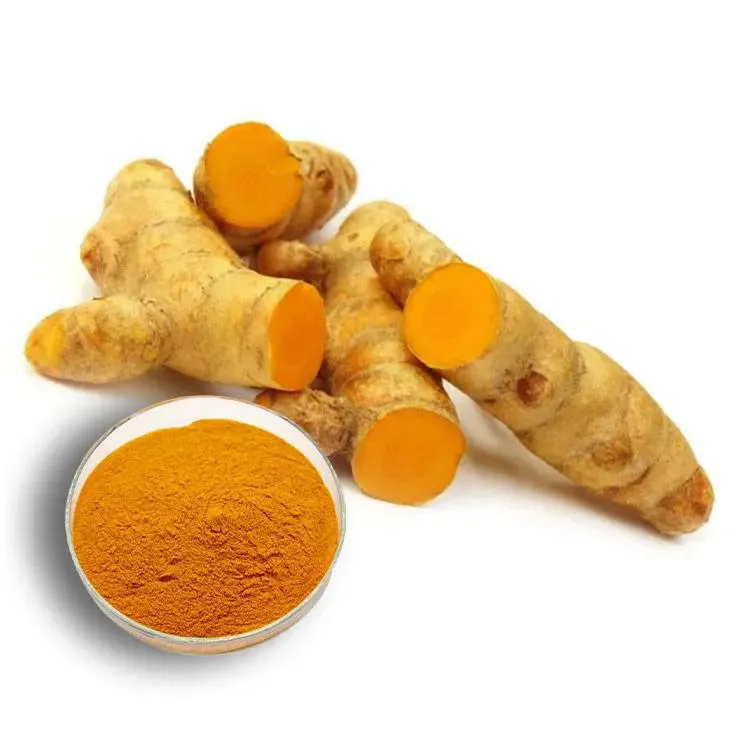
Curcumin
2026-11-23
-
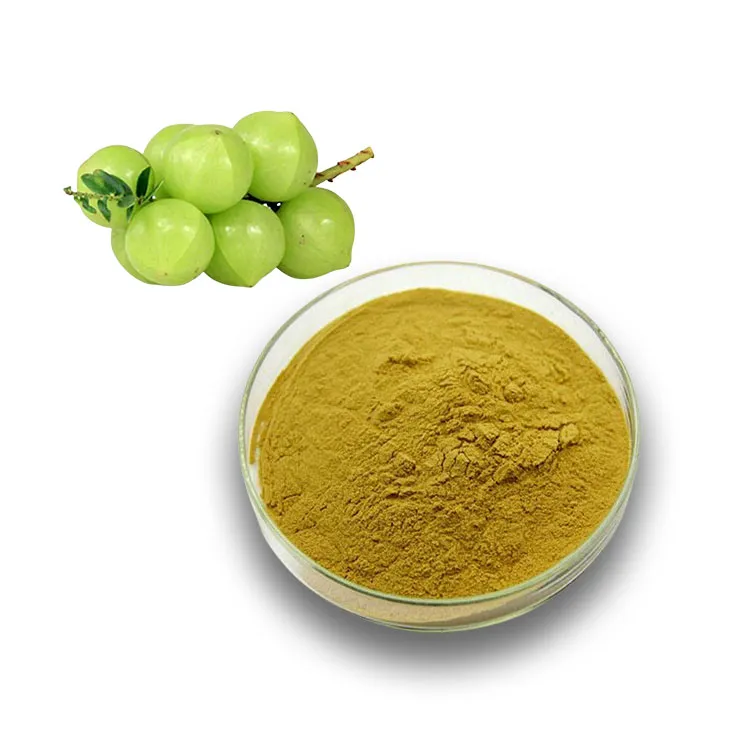
Phyllanthus Emblica Extract
2026-11-23
-
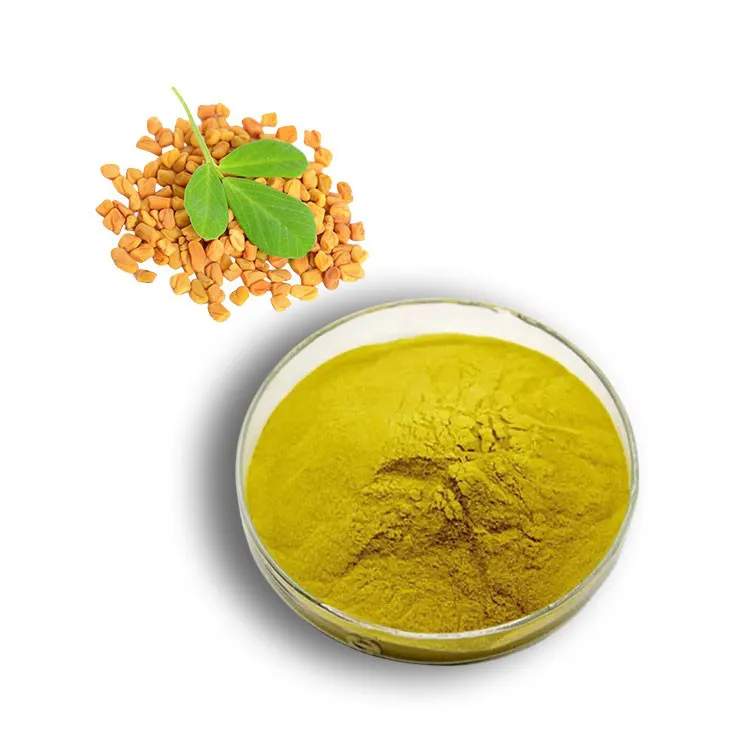
Fenugreek Extract Powder
2026-11-23
-
Honeysuckle Pollen
2026-11-23
-
Calendula Extract
2026-11-23
-
Acerola Juice Powder
2026-11-23
-
Berberis aristata Extract
2026-11-23
-
Black Seed Extract
2026-11-23
-
White Willow Bark Extract
2026-11-23
-
Sea buckthorn Juice Powder
2026-11-23