- 0086-571-85302990
- [email protected]




Greensky supplies standardized Rhodiola Rosea Extract with 3% rosavins and 1% salidroside
2026-11-23
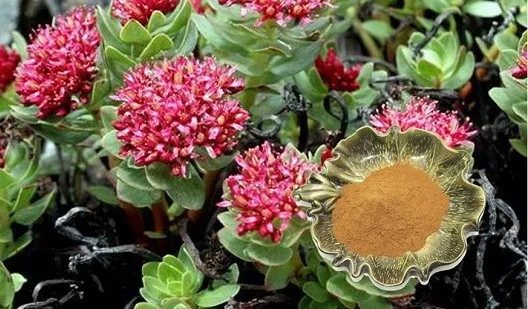
Table of Contents
What Is Rhodiola Rosea Extract and Why Is It the Premier Adaptogen for Stress and Performance?
Botanical Origins: The "Golden Root" of Siberia and the Arctic
Active Compounds: Rosavins, Salidroside, and Their Unique Synergy
Clinical Evidence for Stress Reduction and Mental Performance
Physical Performance and Exercise Recovery
Fatigue Management: Chronic Fatigue and Burnout
Immune Modulation and Respiratory Health
Mood, Anxiety, and Depression Support
Quality Standards and Certifications for Rhodiola Extract
How to Source Premium Rhodiola Rosea Extract: A B2B Buyer's Guide
Applications in Supplements, Sports Nutrition, and Functional Beverages
Why Choose Greensky as Your Rhodiola Rosea Extract Supplier
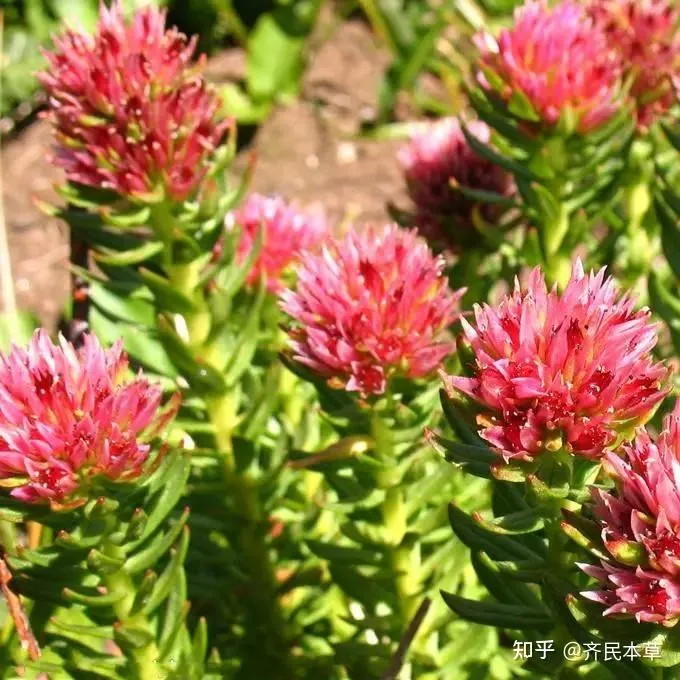
1. What Is Rhodiola Rosea Extract and Why Is It the Premier Adaptogen for Stress and Performance?
Rhodiola rosea, known as the "Golden Root" in Russian and Siberian folk medicine, is one of the most scientifically validated adaptogenic herbs in the world. Classified as an adaptogen — a substance that increases the body's resistance to physical, chemical, and biological stressors — Rhodiola rosea has been used for over 3,000 years in traditional medicine across Scandinavia, Russia, and China.
The adaptogen concept was formally defined by Soviet toxicologist Nikolai Lazarev in 1947, and Rhodiola rosea became one of the primary herbs studied in the Soviet Union's extensive adaptogen research program. Soviet cosmonauts, athletes, and military personnel received Rhodiola supplementation to enhance performance under extreme stress conditions.
Today, Rhodiola rosea extract is one of the fastest-growing adaptogen ingredients in the global supplement market, projected to grow at a CAGR of 8.5% through 2030, driven by:
Rising awareness of stress-related health conditions
Growing demand for natural cognitive enhancers and nootropics
Expanding sports nutrition and athletic performance applications
Increasing scientific validation of adaptogenic mechanisms
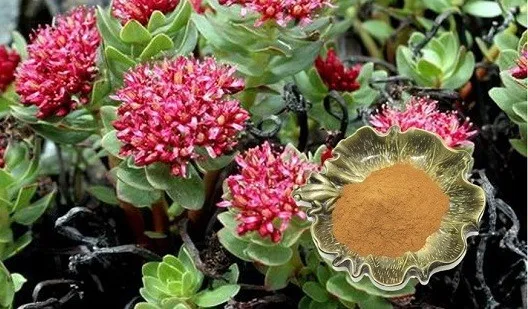
2. Botanical Origins: The "Golden Root" of Siberia and the Arctic
2.1 Botanical Profile
Scientific name: Rhodiola rosea L.
Family: Crassulaceae (stonecrop family)
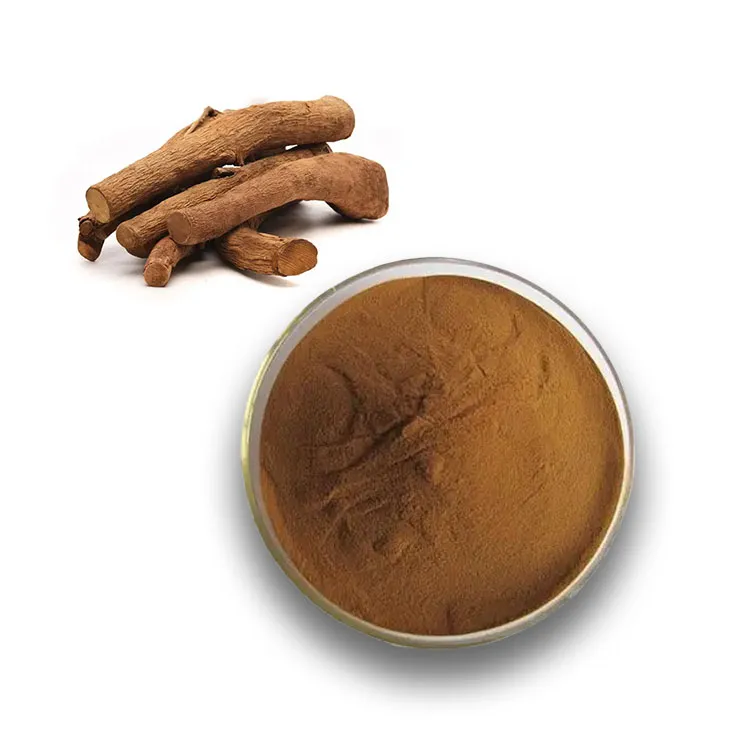
Part used: Root and rhizome
Native range: Arctic and alpine regions of Europe, Asia, and North America
Major growing regions: Siberia, Altai Mountains, Xinjiang (China), Scandinavia, Bulgaria
Harvest: 4–6 year old plants, typically harvested in autumn
2.2 Why Altai/Siberian Rhodiola Is Superior
Rhodiola rosea sourced from the Altai Mountains and Siberian regions is widely considered the highest quality available:
Harsh climate stress: Extreme temperature fluctuations and high-altitude UV exposure stimulate higher concentrations of rosavins and salidroside
Soil composition: Mineral-rich alpine soils contribute to the plant's unique phytochemical profile
Traditional harvesting: Generations of harvesting expertise ensure optimal timing and processing
Wild-crafted and cultivated: Both wild-harvested (traditional, higher potency) and GAP-cultivated (sustainable, consistent) sources available
2.3 Species Authentication
Critical quality note: Over 200 species of Rhodiola exist, but only Rhodiola rosea contains the specific rosavin profile (rosavin, rosarin, rosiridin) that defines authentic Rhodiola rosea extract. Other species (R. crenulata, R. sachalinensis) contain salidroside but lack rosavins. Rosavin content is the definitive marker for R. rosea authenticity.
3. Active Compounds: Rosavins, Salidroside, and Their Unique Synergy
3.1 Primary Bioactive Constituents
Compound Class Standardized Content Primary Activity Rosavin Phenylpropanoid glycoside 2–3% Anti-stress, antioxidant, CNS modulation Rosarin Phenylpropanoid glycoside Included in rosavins Complementary adaptogenic activity Rosiridin Phenylpropanoid glycoside Included in rosavins Serotonin modulation Salidroside (Rhodioloside) Phenylethanoloid glycoside 0.8–1% Neuroprotection, immune modulation, antioxidant Tyrosol Phenylethanoloid Trace Antioxidant, complements salidroside
3.2 The 3% Rosavins / 1% Salidroside Standard
The internationally recognized standardization for Rhodiola rosea extract is 3% rosavins and 1% salidroside, reflecting the natural ratio found in high-quality root material. This standardization ensures:
Consistent efficacy: Every batch delivers the therapeutic dose of active adaptogenic compounds
Species authentication: Presence of rosavins confirms genuine R. rosea (not substitute species)
Regulatory compliance: Meets European Pharmacopoeia and industry standards
3.3 Mechanisms of Action
Rhodiola rosea exerts its adaptogenic effects through multiple pathways:
HPA axis modulation: Regulates the hypothalamic-pituitary-adrenal axis, normalizing cortisol response to stress
Monoamine modulation: Inhibits monoamine oxidase (MAO-A and MAO-B), increasing serotonin, dopamine, and norepinephrine availability
β-endorphin elevation: Increases endogenous opioid levels, contributing to stress resilience and mood improvement
Nitric oxide enhancement: Increases endothelial NO production, improving blood flow and exercise performance
ATP production: Enhances mitochondrial ATP synthesis, supporting cellular energy metabolism
Heat shock protein (HSP70) upregulation: Protects cells from stress-induced damage
4. Clinical Evidence for Stress Reduction and Mental Performance
4.1 Stress and Burnout
Study Population Dose Duration Key Findings Olsson et al. (2009) Stress-related fatigue (n=101) 576 mg/day 4 weeks Significant improvement in burnout, stress, and cognitive function Darbinyan et al. (2000) Night-shift physicians (n=56) 170 mg/day 2 weeks Reduced mental fatigue, improved cognitive performance Shevtsov et al. (2003) Military cadets under stress 500 mg/day 20 days Improved cognitive performance, reduced fatigue markers
4.2 Mental Performance Under Stress
Cognitive function: Improved performance on concentration and memory tests during periods of fatigue and stress
Processing speed: Faster reaction times and improved accuracy in demanding cognitive tasks
Mental fatigue: Reduced subjective mental fatigue during prolonged periods of intense cognitive work
4.3 Cortisol and Stress Biomarkers
Cortisol normalization: Rhodiola supplementation reduces elevated cortisol levels in stressed individuals
Cortisol awakening response (CAR): Normalized in chronic fatigue patients after 4 weeks of supplementation
Stress hormones: Reduced epinephrine and norepinephrine levels during acute stress exposure
5. Physical Performance and Exercise Recovery
5.1 Exercise Performance
| Study | Protocol | Dose | Key Findings ||---|---|---|---|---|| De Bock et al. (2004) | Endurance cycling test | 200 mg single dose | 3% improvement in VO2max, reduced perceived exertion || Paris et al. (2010) | Trained athletes | 3,000 mg/day | 1.5% improvement in time-trial performance || Hsu et al. (2011) | Resistance exercise | 400 mg/day | Reduced muscle damage markers (CK, LDH) post-exercise |
5.2 Mechanisms of Exercise Enhancement
Lactate clearance: Enhanced lactate removal from muscle tissue, delaying fatigue
Glycogen preservation: Reduced muscle glycogen depletion during prolonged exercise
Antioxidant protection: Reduced exercise-induced oxidative stress and lipid peroxidation
Nitric oxide: Increased endothelial NO production improves oxygen delivery to working muscles
Recovery acceleration: Reduced creatine kinase (CK) and malondialdehyde (MDA) levels post-exercise
5.3 Altitude and Hypoxia Adaptation
Hypoxia tolerance: Improved oxygen utilization and reduced symptoms of altitude sickness
Hemoglobin modulation: Enhanced red blood cell oxygen-carrying capacity
Military and mountaineering applications: Used by Soviet military and mountaineers for high-altitude performance
6. Fatigue Management: Chronic Fatigue and Burnout
6.1 Chronic Fatigue Syndrome
RCT (n=101): Rhodiola extract (576 mg/day) significantly improved fatigue, sleep quality, and cognitive function in patients with stress-related fatigue
Mechanism: HPA axis normalization, increased ATP production, and monoamine modulation
Onset of action: Noticeable improvements within 1–2 weeks, with continued improvement over 4–12 weeks
6.2 Burnout Prevention
Occupational stress: Improved resilience and reduced burnout symptoms in high-stress professions
Quality of life: Significant improvements in overall well-being and life satisfaction scores
Cognitive recovery: Restored attention, memory, and processing speed in fatigued individuals
7. Immune Modulation and Respiratory Health
7.1 Immune Function
Natural killer (NK) cell activity: Enhanced NK cell cytotoxicity in stressed individuals
Cytokine modulation: Balanced Th1/Th2 response, supporting appropriate immune function
Salivary IgA: Increased secretory IgA levels, indicating enhanced mucosal immunity
7.2 Respiratory Health
Upper respiratory infections: Reduced incidence and severity of URIs in stressed populations
Altitude-related respiratory stress: Improved oxygen saturation and reduced respiratory symptoms at high altitude
Mechanism: Enhanced immune function and antioxidant protection of respiratory epithelium
8. Mood, Anxiety, and Depression Support
8.1 Mild to Moderate Depression
Open-label study (n=60): Rhodiola extract (340–680 mg/day) significantly reduced depression scores in patients with mild to moderate depression
Mechanism: MAO inhibition increases serotonin, dopamine, and norepinephrine availability
Advantage over SSRIs: Faster onset of action (1 week vs. 4–6 weeks), fewer sexual side effects
8.2 Anxiety Reduction
Cortisol reduction: Normalized cortisol levels in anxious individuals
GABA modulation: Indirect GABAergic effects through stress hormone regulation
Clinical observations: Reduced subjective anxiety scores in stressed populations
8.3 Mood Enhancement
β-endorphin elevation: Increased endogenous opioid levels contribute to improved mood
Serotonin support: MAO inhibition preserves serotonin availability
Sleep quality: Improved sleep quality through stress reduction and cortisol normalization
9. Quality Standards and Certifications for Rhodiola Extract
9.1 Standardized Specifications
Parameter Standard Specification Rosavins (rosavin + rosarin + rosiridin) ≥3% (HPLC) Salidroside ≥1% (HPLC) Moisture <5.0% Heavy metals Pb < 1.0 ppm, As < 0.5 ppm, Cd < 0.3 ppm, Hg < 0.1 ppm Pesticide residues Compliant with EU/USP limits Residual solvents Compliant with ICH Q3C Microbiological limits Total plate count < 1,000 CFU/g Loss on drying <5.0% Appearance Light brown to brown powder
9.2 Species Authentication
Critical for quality assurance: Rosavin content is the definitive marker for R. rosea. Extracts from other Rhodiola species (e.g., R. crenulata from Tibet) contain salidroside but no rosavins. Buyers should verify:
HPLC fingerprint: Confirms presence of rosavin, rosarin, and rosiridin
DNA barcoding: Confirms R. rosea species identity
Natural ratio: 3:1 rosavins to salidroside ratio indicates authentic root extract (not artificially blended)
10. How to Source Premium Rhodiola Rosea Extract: A B2B Buyer's Guide
10.1 Key Sourcing Considerations
Species authentication: Verify genuine R. rosea via rosavin content (HPLC) and/or DNA barcoding
Standardization: 3% rosavins / 1% salidroside is the industry standard; confirm via independent testing
Natural ratio vs. fortified: Some suppliers artificially add salidroside to meet the 1% standard; natural ratio extracts are superior
Wild-crafted vs. cultivated: Wild-harvested material may have higher potency but raises sustainability concerns; GAP-cultivated material offers consistency and sustainability
Extraction method: Ethanol-water extraction preserves both rosavins and salidroside
Heavy metals: Altai/Siberian-sourced material should be tested for heavy metals
10.2 Sustainability and Conservation
Wild harvesting concerns: Over-harvesting has threatened wild R. rosea populations in some regions
GAP cultivation: Cultivated Rhodiola offers consistent quality and sustainable supply
Certifications: Organic certification ensures environmentally responsible cultivation
10.3 Market Dynamics
Pricing factors: Varies by rosavin/salidroside content, origin, wild vs. cultivated, and certifications
Supply chain: China (Xinjiang, Altai), Russia, Bulgaria, and India are major sourcing regions
Certifications: ISO22000, GMP, Organic, Kosher, and Halal certifications add 10–25% to base pricing
11. Applications in Supplements, Sports Nutrition, and Functional Beverages
11.1 Dietary Supplements
Stress and adaptogen formulas: 200–600 mg per serving (3% rosavins/1% salidroside), often combined with , L-Theanine, and Holy Basil
Cognitive enhancement: Paired with Bacopa monnieri, Ginkgo biloba, and Lion's Mane mushroom
Energy and vitality: Combined with , Eleuthero, and CoQ10
11.2 Sports Nutrition
Pre-workout formulas: 200–400 mg for endurance and reduced perceived exertion
Recovery supplements: Post-workout formulas with reduced oxidative stress benefits
Altitude training: Specialized formulations for high-altitude athletic performance
11.3 Functional Beverages
Energy drinks: Natural alternative to caffeine-based energy products
Adaptogenic beverages: Combined with mushroom extracts and herbal nootropics
12. Why Choose Greensky as Your Rhodiola Rosea Extract Supplier
Hangzhou Greensky Biological Tech.Co., Ltd delivers premium Rhodiola Rosea Extract with verified authenticity and consistent quality:
3% rosavins / 1% salidroside standardization, verified by HPLC with natural ratio confirmation
Species authentication via HPLC fingerprint and DNA barcoding
ISO22000, BRCGS, Ecocert Organic, SGS-GMP certified production facilities
100,000-class clean area ensures pharmaceutical-grade manufacturing
Independent laboratory with HPLC, GC, and UV for comprehensive quality testing
Sustainable sourcing from GAP-certified cultivation areas
Full documentation: COA, MSDS, allergen statements, and third-party testing reports
Export experience serving Europe, the United States, South Korea, and Russia
- ▶ Hesperidin
- ▶ Citrus Bioflavonoids
- ▶ Plant Extract
- ▶ lycopene
- ▶ Diosmin
- ▶ Grape seed extract
- ▶ Sea buckthorn Juice Powder
- ▶ Fruit Juice Powder
- ▶ Hops Extract
- ▶ Artichoke Extract
- ▶ Mushroom extract
- ▶ Astaxanthin
- ▶ Green Tea Extract
- ▶ Curcumin
- ▶ Horse Chestnut Extract
- ▶ Other Product
- ▶ Boswellia Serrata Extract
- ▶ Resveratrol
- ▶ Marigold Extract
- ▶ Grape Leaf Extract
- ▶ New Product
- ▶ Aminolevulinic acid
- ▶ Cranberry Extract
- ▶ Red Yeast Rice
- ▶ Red Wine Extract
- ▶ blog
-
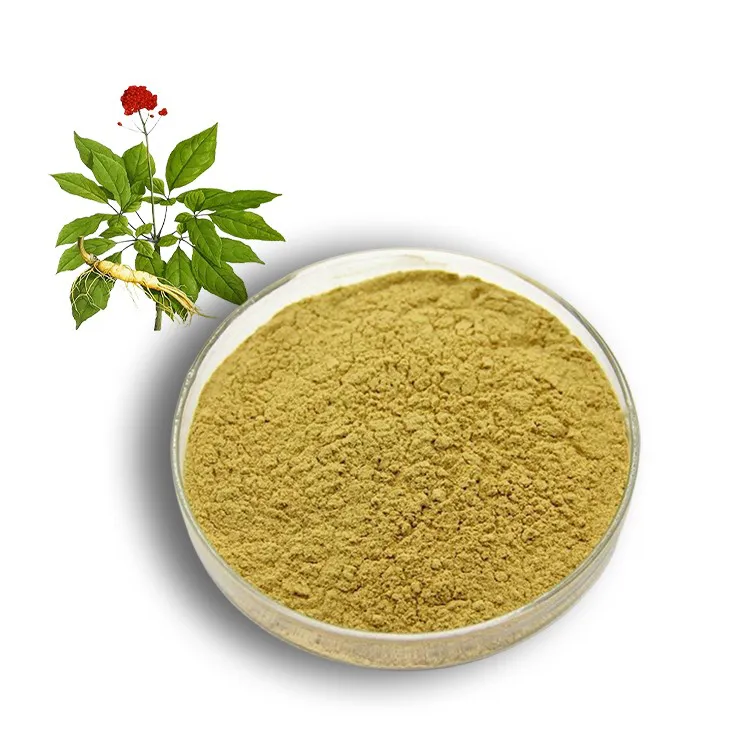
Panax Ginseng Leaf Extract
2026-11-23
-
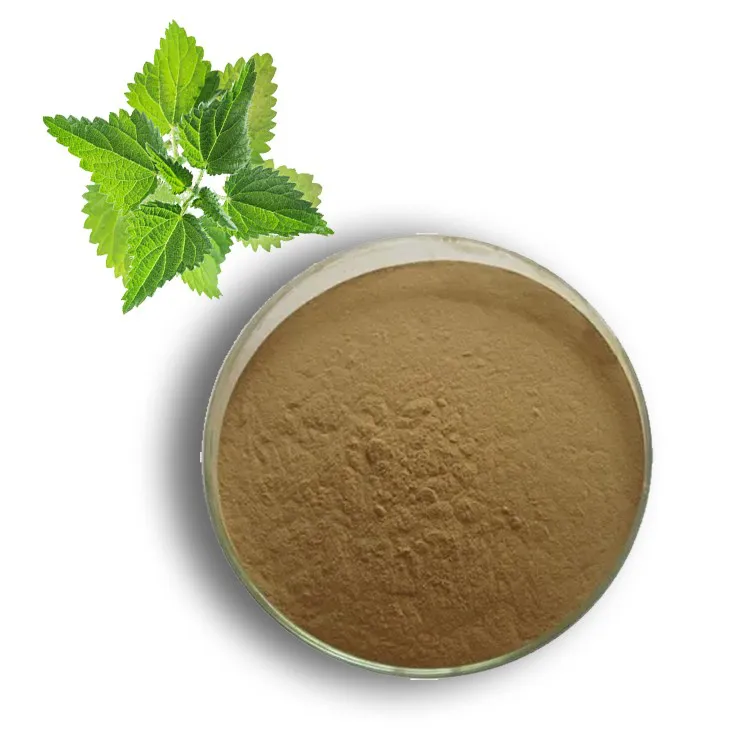
Nettle leaf extract
2026-11-23
-
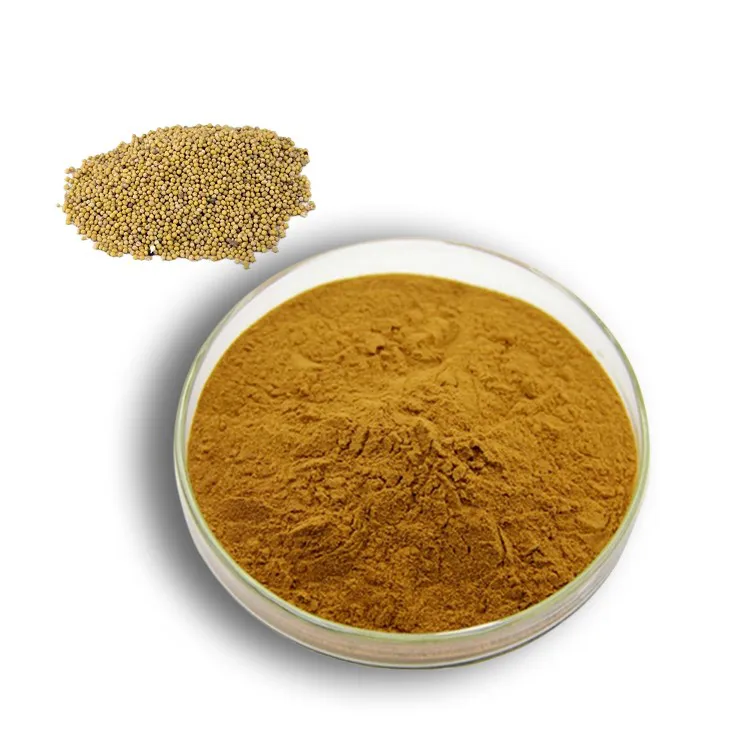
White mustard seed extract
2026-11-23
-
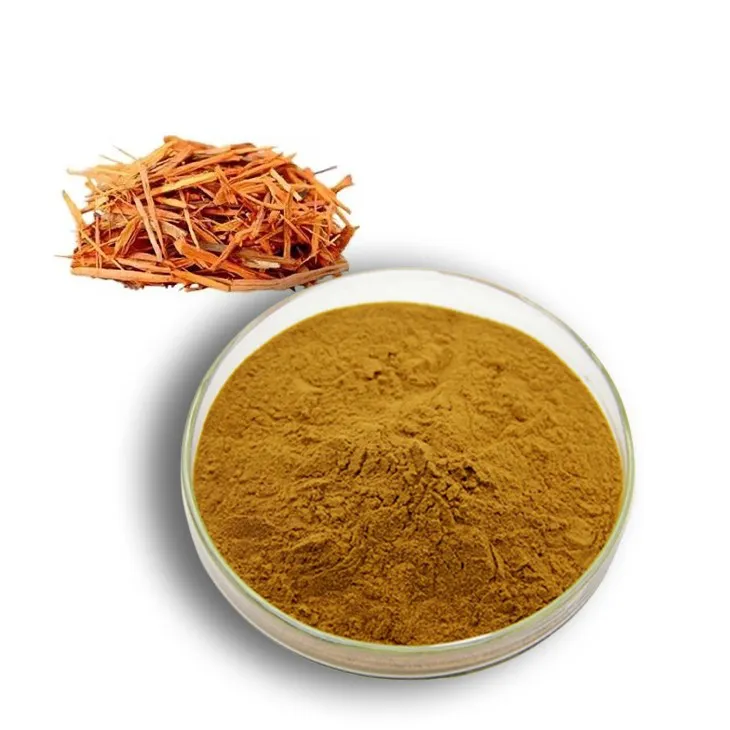
Yellow Pine Extract
2026-11-23
-
Magnolia Bark Extract
2026-11-23
-
Agaricus Blazei Extract
2026-11-23
-
Shikonin
2026-11-23
-
Garcinia Cambogia Extract
2026-11-23
-
Milk Thistle Extract
2026-11-23
-
Berberine Extract
2026-11-23