- 0086-571-85302990
- [email protected]




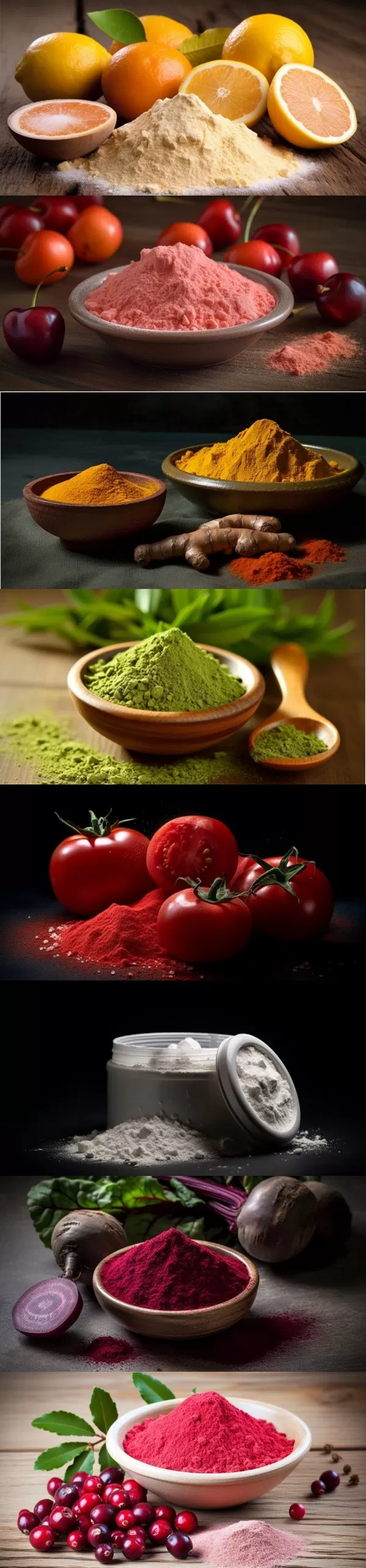

Pomegranate Extract: Complete Guide to Ellagic Acid, Antioxidant Science & B2B Sourcing (2026)
2026-11-22
Table of Contents
What Is Pomegranate Extract and Why Is It a Superfruit Powerhouse?
Active Compounds: Punicalagins, Ellagic Acid, Urolithins, and Punicic Acid
Cardiovascular Health: Blood Pressure, Cholesterol, and Endothelial Function
Anti-Aging, Skin Health, and Collagen Protection
Prostate Health, Cancer Prevention, and Cellular Protection
NAD+ Boosting, Mitochondrial Health, and the Urolithin Connection
Metabolic Health, Exercise Performance, and Weight Management
Extract Types: Whole Fruit, Peel, Seed Oil, and Standardized Concentrates
Product Applications: Supplements, Skincare, Functional Beverages, and Sports Nutrition
B2B Sourcing: Quality Standards, Analytical Methods, and Supplier Selection
FAQ: Common Questions About Pomegranate Extract
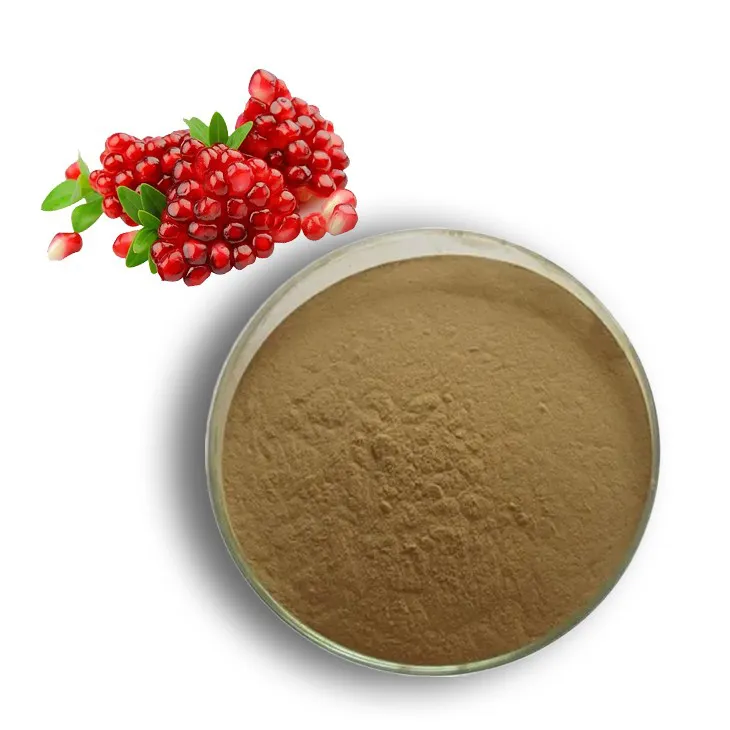
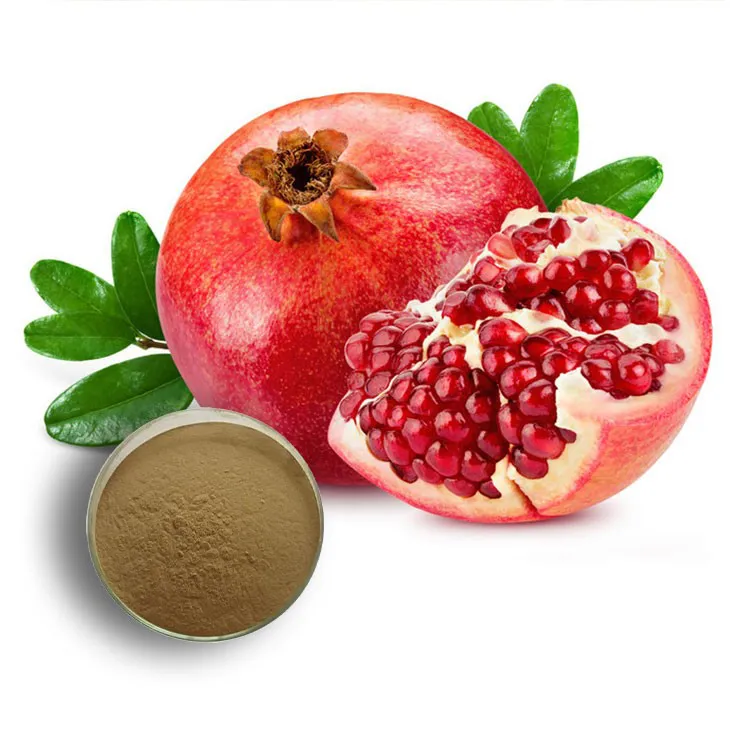
What Is Pomegranate Extract and Why Is It a Superfruit Powerhouse?
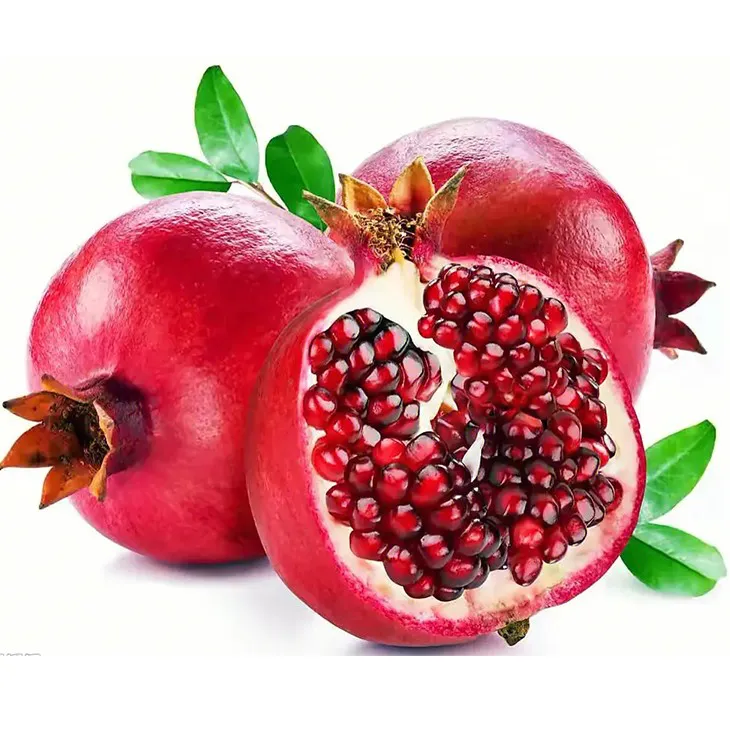
Pomegranate (Punica granatum) has been revered as a symbol of health, fertility, and abundance across civilizations for millennia. Native to the region between Iran and northern India, pomegranate is now cultivated globally — from the Mediterranean to South America to China's Xinjiang province.
In recent years, pomegranate has been elevated to "superfruit" status due to its exceptional antioxidant capacity. Pomegranate extract contains polyphenols at concentrations significantly higher than green tea and red wine, with total antioxidant activity (ORAC value) exceeding most common fruits by 2-3 times.
The global pomegranate extract market is valued at approximately $280 million and growing at 6-7% annually. Key application segments include cardiovascular health supplements, anti-aging skincare, sports nutrition, and men's health (prostate support). The recent discovery of urolithins — gut microbiome-derived metabolites of pomegranate polyphenols with potent mitochondrial benefits — has opened entirely new market opportunities in longevity and NAD+ supplementation.
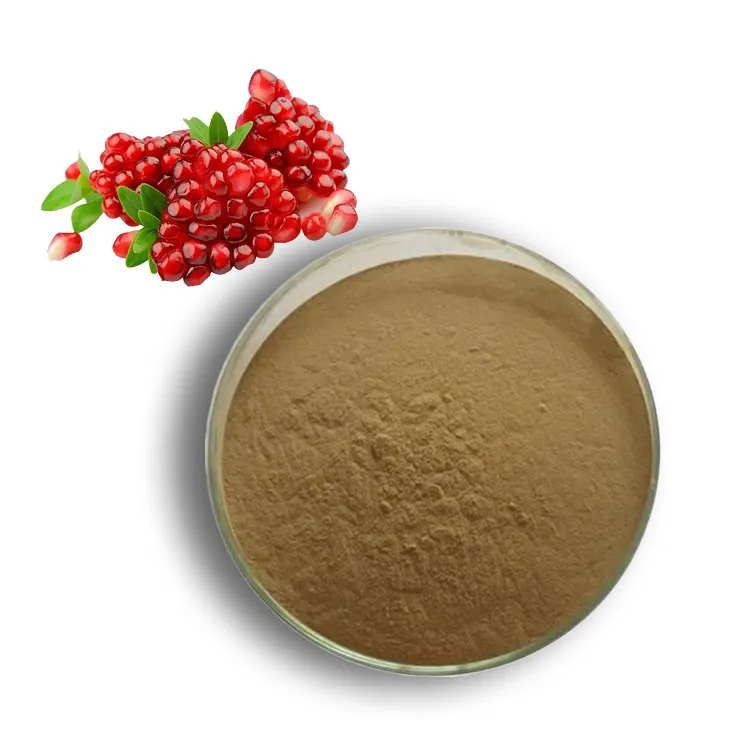
Active Compounds: Punicalagins, Ellagic Acid, Urolithins, and Punicic Acid
Pomegranate's therapeutic benefits derive from a complex array of bioactive compounds distributed across the fruit's peel, arils (seeds), and juice:
Punicalagins — The Peel Polyphenols
α-Punicalagin and β-punicalagin are unique hydrolyzable tannins found almost exclusively in pomegranate peel. They account for up to 50% of the peel's dry weight and are the primary source of pomegranate's extraordinary antioxidant capacity. Punicalagins are large molecules (MW >1,000 Da) that are poorly absorbed directly but are metabolized by gut bacteria into smaller, bioactive compounds.
Ellagic Acid
Formed through the hydrolysis of punicalagins and other ellagitannins, ellagic acid is a well-studied polyphenol with antioxidant, anti-inflammatory, and anti-carcinogenic properties. It serves as a key marker compound for pomegranate extract standardization.
Urolithins — The Microbiome Metabolites
When ellagitannins reach the colon, gut microbiota convert them into urolithins — particularly urolithin A and urolithin B. Urolithin A has emerged as a breakthrough compound for mitochondrial health, inducing mitophagy (the selective recycling of damaged mitochondria) and supporting cellular energy production. This discovery has created an entirely new supplement category around NAD+ and mitochondrial support.
Punicic Acid
Found in pomegranate seed oil, punicic acid is a unique conjugated linolenic acid (CLA) with anti-inflammatory, anti-obesity, and anti-diabetic properties. It comprises approximately 70-80% of the fatty acid content in pomegranate seed oil.
Cardiovascular Health: Blood Pressure, Cholesterol, and Endothelial Function
Cardiovascular health is the most well-researched application of pomegranate extract:
Blood Pressure Reduction
A 2017 meta-analysis of 8 RCTs found that pomegranate juice/extract significantly reduced systolic blood pressure by an average of 4.96 mmHg and diastolic blood pressure by 2.01 mmHg
Mechanisms include ACE inhibition (similar to pharmaceutical ACE inhibitors but milder), enhanced nitric oxide production, and reduced oxidative stress in vascular endothelium
Cholesterol and Atherosclerosis
Pomegranate extract reduces LDL oxidation — a critical step in atherosclerotic plaque formation
A landmark study (Aviram et al.) showed a 20-30% reduction in carotid intima-media thickness after 1 year of pomegranate juice consumption
Pomegranate polyphenols inhibit foam cell formation and reduce arterial plaque in animal models of atherosclerosis
Endothelial Function
Pomegranate enhances endothelial nitric oxide synthase (eNOS) activity, improving vasodilation and blood flow. This mechanism is particularly relevant for erectile function, athletic performance, and cardiovascular risk reduction.
Anti-Aging, Skin Health, and Collagen Protection
Pomegranate extract has significant applications in skin health and anti-aging:
Collagen Protection
Punicalagins and ellagic acid inhibit matrix metalloproteinases (MMPs), enzymes that degrade collagen and elastin in the skin. By preserving the skin's structural proteins, pomegranate extract helps maintain firmness and reduce wrinkle formation.
UV Protection
Pomegranate polyphenols provide photoprotective effects against UV-induced skin damage. Topical application reduces sunburn cell formation, DNA damage, and inflammatory responses following UV exposure.
Clinical Evidence
A 2021 clinical trial found that oral supplementation with pomegranate extract (combined with other botanical extracts) significantly improved skin hydration, elasticity, and wrinkle depth after 12 weeks. Topical formulations showed similar benefits with faster onset.
Prostate Health, Cancer Prevention, and Cellular Protection
Prostate Health
Pomegranate is one of the most studied natural ingredients for prostate health:
A 2006 pilot study (Pantuck et al.) found that pomegranate juice consumption increased PSA doubling time from 15 months to 54 months in men with rising PSA after prostate cancer treatment
Subsequent studies confirmed pomegranate's ability to slow PSA progression, though larger trials have shown mixed results on clinical endpoints
Mechanisms include androgen receptor modulation, apoptosis induction in prostate cancer cells, and anti-inflammatory effects
Cancer Prevention
Preclinical studies demonstrate pomegranate extract's activity against breast, colon, prostate, and lung cancer cell lines. The mechanisms involve cell cycle arrest, apoptosis induction, angiogenesis inhibition, and metastasis suppression. While clinical evidence remains limited, the preclinical data strongly supports pomegranate's chemopreventive potential.
NAD+ Boosting, Mitochondrial Health, and the Urolithin Connection
The discovery of urolithin A has created a revolutionary new approach to cellular aging and energy:
Mitophagy and Mitochondrial Quality Control
Urolithin A activates mitophagy — the selective degradation and recycling of dysfunctional mitochondria. This process is essential for maintaining cellular energy production and preventing age-related mitochondrial decline. As we age, mitophagy naturally decreases, leading to accumulation of damaged mitochondria and reduced energy output.
NAD+ Relationship
While urolithin A does not directly increase NAD+ levels, it works synergistically with NAD+ precursors (NMN, NR) by improving mitochondrial efficiency and reducing the oxidative stress that depletes NAD+ pools. This makes pomegranate-derived urolithins a valuable complement to NAD+ supplementation strategies.
Clinical Evidence for Urolithin A
A 2022 RCT (Andreux et al.) showed that urolithin A supplementation improved mitochondrial health markers and muscle endurance in older adults
A 2023 study demonstrated improved muscle strength and exercise capacity in middle-aged adults after 4 months of urolithin A supplementation
The FDA has granted GRAS status to urolithin A as a food ingredient
Metabolic Health, Exercise Performance, and Weight Management
Blood Sugar Control: Pomegranate extract inhibits α-amylase and α-glucosidase enzymes, reducing postprandial blood glucose spikes
Exercise Performance: Improved blood flow and nitric oxide production enhance exercise endurance and reduce muscle soreness
Weight Management: Punicic acid and polyphenols may support weight management through reduced inflammation, improved insulin sensitivity, and enhanced lipid metabolism
Extract Types: Whole Fruit, Peel, Seed Oil, and Standardized Concentrates
Whole Fruit Extract (40% Polyphenols)
Comprehensive extract containing compounds from peel, aril, and membrane. Standardized to 40% total polyphenols by UV method. Suitable for general antioxidant and cardiovascular health formulations.
Pomegranate Peel Extract (30-60% Punicalagins)
Highly concentrated in punicalagins and ellagic acid. The most potent antioxidant format. Ideal for targeted therapeutic applications and premium supplement formulations.
Pomegranate Seed Oil
Cold-pressed or CO₂-extracted oil rich in punicic acid (70-80%). Used in softgel supplements, skincare products, and functional food formulations.
Ellagic Acid (Standardized 40-90%)
Isolated ellagic acid for applications requiring precise dosing. Often used in combination formulas with other polyphenols.
Product Applications: Supplements, Skincare, Functional Beverages, and Sports Nutrition
Cardiovascular Supplements: Capsules and tablets for blood pressure and cholesterol support
Men's Health: Prostate support formulations, often combined with saw palmetto and Lycopene
Anti-Aging Skincare: Serums, creams, and masks leveraging punicalagin's collagen-protective and UV-protective properties
Functional Beverages: Pomegranate juice concentrates, wellness shots, and kombucha flavoring
Sports Nutrition: Pre-workout formulas leveraging nitric oxide-enhancing properties
Longevity/NAD+ Supplements: Urolithin-focused formulations for mitochondrial health
B2B Sourcing: Quality Standards, Analytical Methods, and Supplier Selection
When evaluating pomegranate extract suppliers, assess the following:
Polyphenol Standardization: HPLC or UV-verified total polyphenol content (40-60%) with individual compound analysis (punicalagins, ellagic acid)
Plant Part Specification: Whole fruit vs. peel vs. seed — each has a distinct phytochemical profile and application
Extraction Method: Water-ethanol extraction for polyphenol extracts; cold-press or supercritical CO₂ for seed oil
Microbiological Quality: Low microbial counts essential for beverage and food-grade applications
Solvent Residue Testing: Ensure ethanol residue meets pharmacopeial limits
Certifications: ISO 22000, BRCGS, GMP, Organic, HALAL, Kosher
Color and Flavor Profile: Important for beverage and food applications
Greensky Bio manufactures pomegranate extracts in multiple formats — whole fruit extract (40% polyphenols), peel extract (standardized to punicalagins), and seed oil — from our GMP-certified facility with ISO 22000 and BRCGS certifications. Contact our team for samples, COAs, and technical support.
FAQ: Common Questions About Pomegranate Extract
What is the effective dose of pomegranate extract?
Clinical studies use 500-1000 mg per day of whole fruit extract (40% polyphenols) or 100-500 mg of peel extract. For cardiovascular benefits, 500 mg/day has shown measurable improvements in blood pressure and cholesterol markers.
How long does it take for pomegranate extract to show benefits?
Blood pressure improvements may be observed within 2-4 weeks. Cholesterol and arterial health benefits typically require 3-6 months of consistent supplementation. Skin health improvements are generally visible after 8-12 weeks.
What are urolithins and why are they important?
Urolithins are compounds produced by gut bacteria from pomegranate polyphenols. Urolithin A, in particular, activates mitophagy — the cellular recycling of damaged mitochondria — supporting energy production, muscle health, and healthy aging. Not all people produce urolithins efficiently from pomegranate, which has led to interest in direct urolithin A supplementation.
Is pomegranate extract safe?
Pomegranate extract is generally well-tolerated. Rare side effects include mild GI discomfort. It may interact with ACE inhibitors and blood pressure medications (additive effect), and with warfarin (potential interaction). Consult a healthcare provider if taking prescription medications.
What's the difference between pomegranate juice and pomegranate extract?
Pomegranate juice contains water-soluble polyphenols (primarily from the arils) but lacks the concentrated punicalagins found in peel extract. Pomegranate extract is a concentrated, standardized product with consistent polyphenol content, making it more suitable for therapeutic and supplement applications. Juice also contains natural sugars, while extract does not.
- ▶ Hesperidin
- ▶ Citrus Bioflavonoids
- ▶ Plant Extract
- ▶ lycopene
- ▶ Diosmin
- ▶ Grape seed extract
- ▶ Sea buckthorn Juice Powder
- ▶ Fruit Juice Powder
- ▶ Hops Extract
- ▶ Artichoke Extract
- ▶ Mushroom extract
- ▶ Astaxanthin
- ▶ Green Tea Extract
- ▶ Curcumin
- ▶ Horse Chestnut Extract
- ▶ Other Product
- ▶ Boswellia Serrata Extract
- ▶ Resveratrol
- ▶ Marigold Extract
- ▶ Grape Leaf Extract
- ▶ New Product
- ▶ Aminolevulinic acid
- ▶ Cranberry Extract
- ▶ Red Yeast Rice
- ▶ Red Wine Extract
- ▶ blog
-
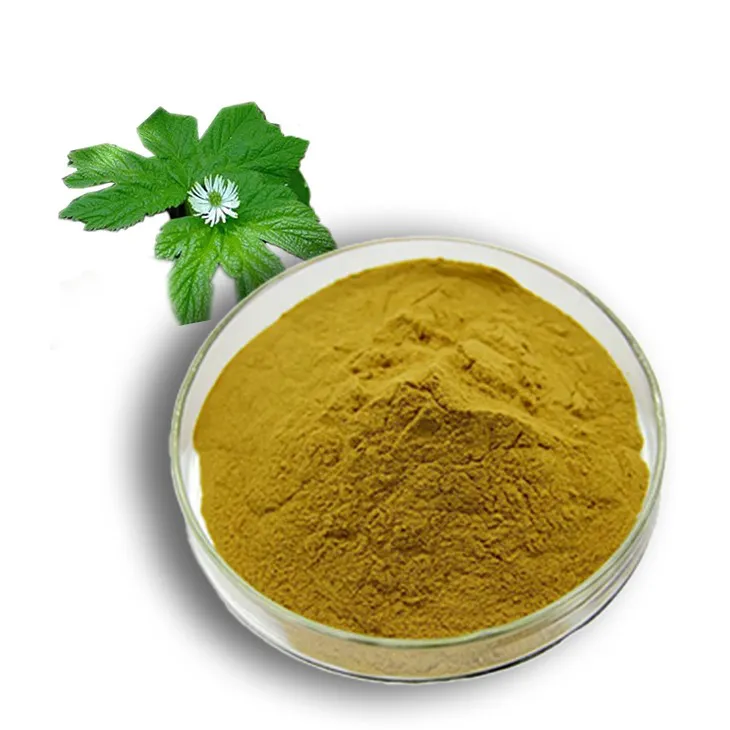
Golden Seal Extract
2026-11-22
-
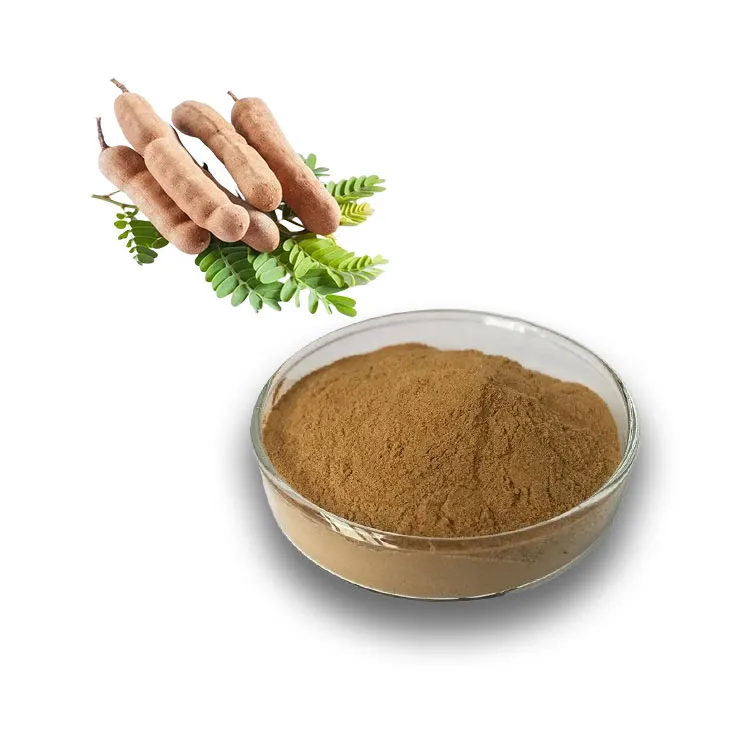
Tamarind extract powder
2026-11-22
-
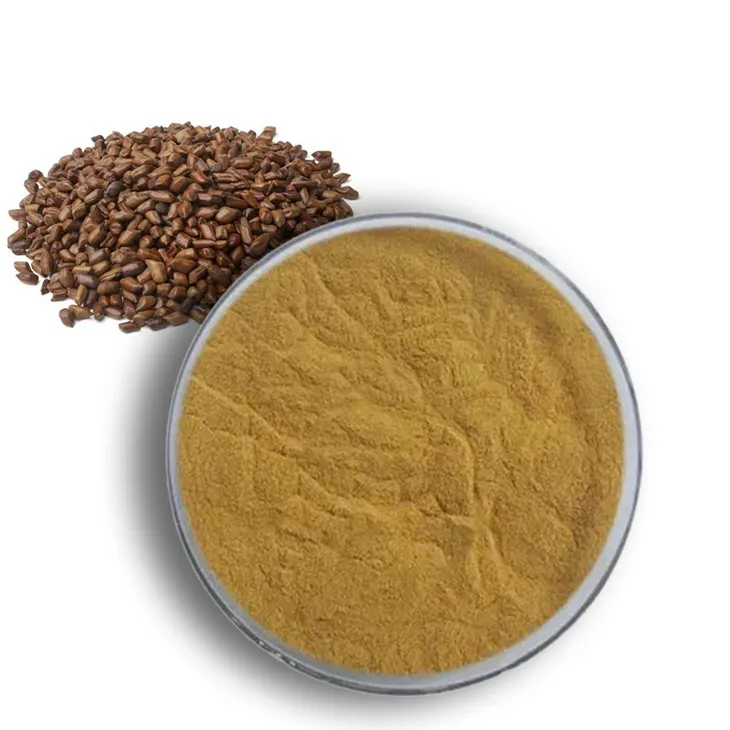
Cassia Seed Extract
2026-11-22
-
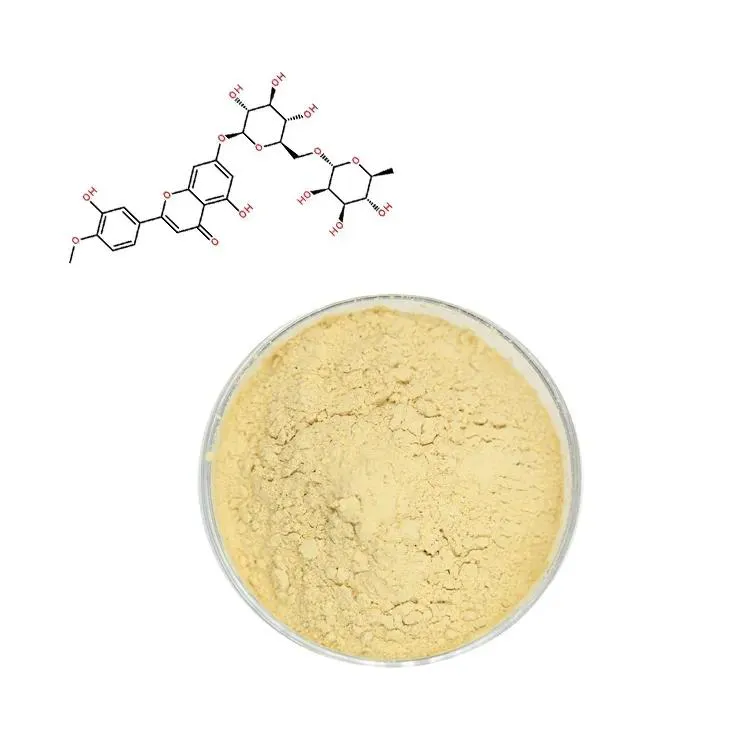
Diosmin
2026-11-22
-
Red Wine Extract
2026-11-22
-
Konjac Powder
2026-11-22
-
Phosphatidylserine
2026-11-22
-
Calendula Extract
2026-11-22
-
Eucommia Ulmoides Extract
2026-11-22
-
Chaste Berry Extract
2026-11-22