- 0086-571-85302990
- [email protected]




Quercetin: Complete Guide to Immune Support, Antioxidant Science & B2B Sourcing (2026)
2026-11-14
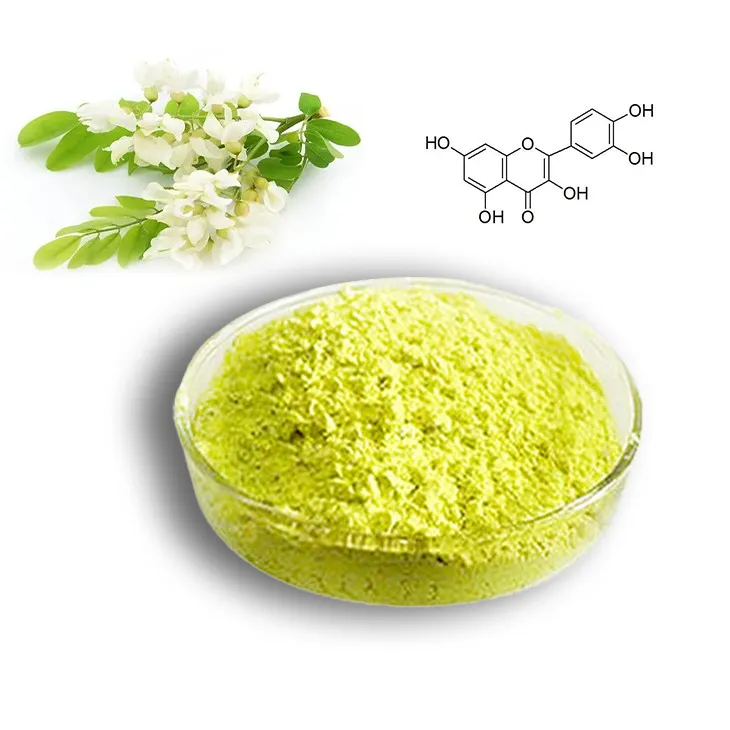
Table of Contents
What Is Quercetin and Why Is It the Most Abundant Dietary Flavonoid?
Chemical Structure and Bioactive Forms of Quercetin
Clinical Evidence for Immune Function, Cardiovascular Health, and Athletic Performance
Quercetin and Zinc: The Synergistic Immune Support Combination
Quality Markers: How to Identify Premium Quercetin Raw Material
Applications of Quercetin in Supplements, Functional Foods, and Beverages
How Greensky Produces High-Purity Quercetin
B2B Sourcing Guide: Choosing the Right Quercetin Supplier
Frequently Asked Questions
What Is Quercetin and Why Is It the Most Abundant Dietary Flavonoid?
Quercetin is a flavonoid belonging to the flavonol subclass, found widely in fruits, vegetables, leaves, and grains. It is the most abundant dietary flavonoid in the human diet, with average daily intake estimated at 10–100 mg through foods such as onions, apples, berries, broccoli, capers, and tea.
As a potent antioxidant and multi-target bioactive compound, quercetin has gained significant attention in nutritional science for its roles in immune support, cardiovascular health, anti-inflammatory activity, and athletic performance. The global quercetin market has grown steadily as consumers increasingly seek evidence-based natural ingredients for immune and cardiovascular wellness.
Hangzhou Greensky Biological Tech. Co., Ltd. — a natural plant extract manufacturer with over 20 years of experience and nearly $30 million USD in annual exports to Europe, the United States, South Korea, and Russia — produces high-purity quercetin for supplement and food industry clients worldwide.
Chemical Structure and Bioactive Forms of Quercetin
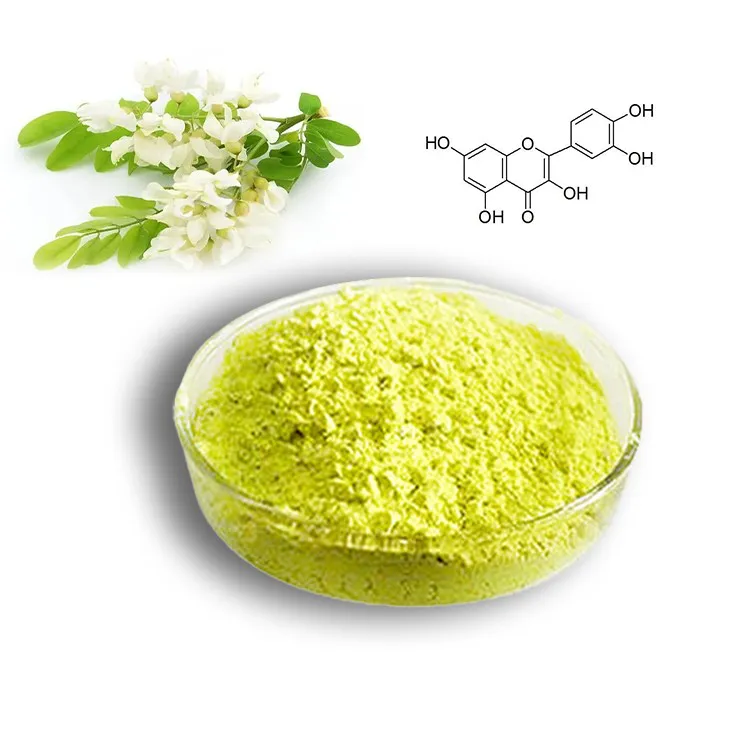
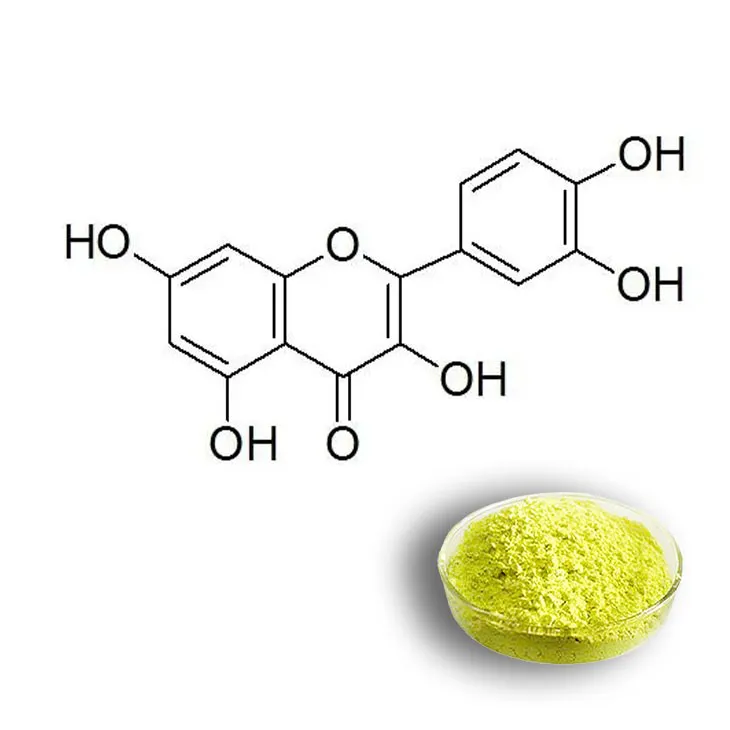
Quercetin (3,3',4',5,7-pentahydroxyflavone) exists in several chemical forms, each with distinct properties:
Quercetin Dihydrate (Aglycone Form)
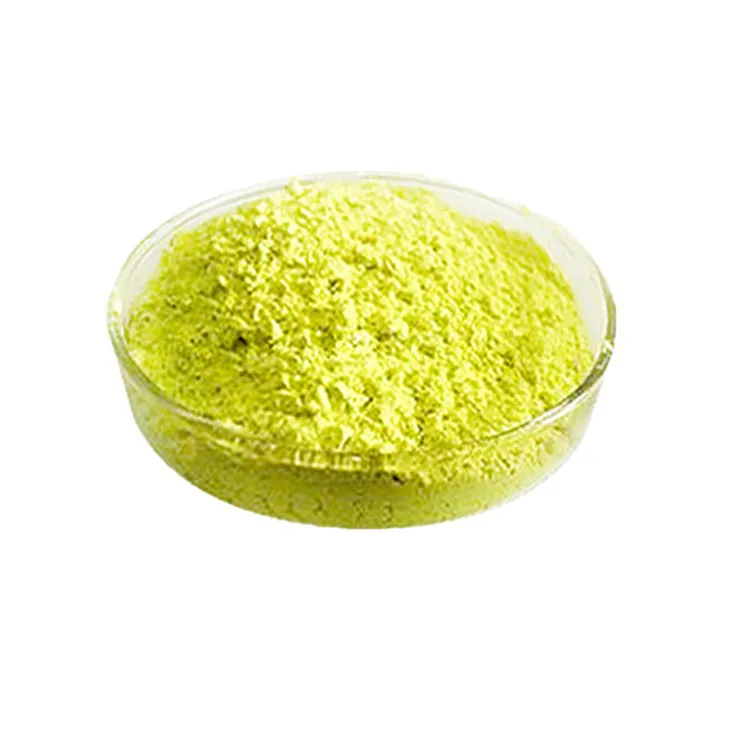
The most common commercial form of quercetin, appearing as a yellow crystalline powder. Quercetin dihydrate has a typical purity of 95–98% and is the preferred form for dietary supplement manufacturing due to its stability and well-characterized bioactivity.
Quercetin Glycosides
In nature, quercetin primarily exists as glycosides (bound to sugar molecules):
Quercetin-3-rutinoside (Rutin) — Found in buckwheat, black tea, and passion fruit
Quercetin-3-glucoside (Isoquercitrin) — Found in onions and apples; has superior bioavailability compared to aglycone quercetin
Quercetin-3-galactoside (Hyperoside) — Found in St. John's wort and various fruits
Absorption and Bioavailability
Quercetin's bioavailability is influenced by its chemical form:
Aglycone quercetin — Requires hydrolysis in the intestinal lumen before absorption
Quercetin glucosides — More readily absorbed via the sodium-dependent glucose transporter (SGLT1)
Enhanced forms — Phytosomal quercetin, quercetin nanoparticles, and quercetin-cyclodextrin complexes significantly improve plasma concentration
| Form | Relative Bioavailability | Notes |
|---|---|---|
| Quercetin Aglycone | 1× (baseline) | Standard form, cost-effective |
| Quercetin Glucoside | 2–3× | Better absorption, higher cost |
| Phytosomal Quercetin | 5–10× | Phospholipid complex |
| Quercetin Phytosome | 10–20× | Advanced delivery technology |
Clinical Evidence for Immune Function, Cardiovascular Health, and Athletic Performance
Immune System Support
Quercetin's immunomodulatory effects are well-documented:
Antiviral Activity — Quercetin has demonstrated zinc ionophore activity, facilitating zinc transport into cells where it can inhibit viral RNA-dependent RNA polymerase (RdRp). This quercetin-zinc synergy has been the subject of extensive research.
Mast Cell Stabilization — Quercetin inhibits mast cell degranulation and histamine release, providing natural support for allergic response management. A 2016 study found quercetin significantly reduced allergic symptom scores in subjects with allergic rhinitis.
Innate Immune Activation — Quercetin enhances the activity of natural killer (NK) cells and supports macrophage function, contributing to enhanced immune surveillance.
Cardiovascular Health
Blood Pressure Support — A 2016 meta-analysis of randomized controlled trials found that quercetin supplementation (≥500 mg/day) significantly reduced both systolic and diastolic blood pressure, with the most pronounced effects in hypertensive subjects.
Endothelial Function — Quercetin improves endothelial nitric oxide synthase (eNOS) activity, supporting healthy blood vessel dilation and blood flow.
LDL Oxidation Prevention — Quercetin protects LDL cholesterol from oxidative modification — a key step in atherosclerotic plaque formation.
Athletic Performance and Recovery
A 2021 Meta-Analysis found that quercetin supplementation significantly improved endurance performance and VO2 max in trained athletes, with effects most pronounced at doses of 500–1,000 mg/day over 7+ days.
Exercise-Induced Inflammation — Quercetin reduces post-exercise inflammatory markers (IL-6, CRP) and supports faster recovery between training sessions.
Quercetin and Zinc: The Synergistic Immune Support Combination
The combination of quercetin and zinc has emerged as one of the most compelling natural immune support strategies:
Zinc Ionophore Mechanism — Quercetin acts as a zinc ionophore, transporting zinc ions across cell membranes into the cytoplasm. This is significant because zinc itself cannot readily cross lipid membranes without an ionophore.
Intracellular Zinc Action — Once inside the cell, zinc inhibits viral replication enzymes and supports immune cell function.
Synergistic Anti-inflammatory Effects — Both quercetin and zinc independently reduce inflammatory signaling, and their combination provides enhanced immune modulation.
This synergy has made quercetin-zinc combinations a popular formulation in the immune support supplement category.
Quality Markers: How to Identify Premium Quercetin Raw Material
When sourcing quercetin, evaluate these critical quality parameters:
Assay Method — HPLC is the gold standard for quercetin quantification. Verify that the assay method specifically measures quercetin (not total flavonoids by UV).
Purity — Premium quercetin dihydrate should be ≥95% purity (HPLC). Higher grades (98%+) are available for pharmaceutical applications.
Heavy Metals — Lead < 1.0 ppm, Arsenic < 0.5 ppm, Cadmium < 0.5 ppm, Mercury < 0.1 ppm.
Residual Solvents — Ensure compliance with ICH Q3C guidelines. Ethanol-extracted quercetin is preferred over solvent-extracted material.
Particle Size — D90 < 50 μm for capsule filling; finer grades (< 20 μm) for beverage applications.
Color — Bright yellow to yellow-green powder. Dark or brownish coloration may indicate oxidation or degradation.
Microbiological Standards — Total plate count < 1,000 CFU/g, absence of specified pathogens.
Applications of Quercetin in Supplements, Functional Foods, and Beverages
Dietary Supplements
Quercetin is widely used in immune support, cardiovascular health, and sports nutrition formulations. Common formats include capsules, tablets, softgels, and powder sachets.
Functional Beverages
Water-soluble quercetin technologies enable the incorporation of quercetin into clear beverages, energy drinks, and functional waters. This is an emerging growth category.
Food Fortification
Quercetin is used as a natural antioxidant in food preservation and as a functional ingredient in health-focused food products.
Animal Nutrition
Quercetin is increasingly used in animal feed for its antioxidant and anti-inflammatory properties, supporting animal health and productivity.
How Greensky Produces High-Purity Quercetin
Jiangxi Greensky Food Co., Ltd. produces quercetin using advanced extraction and purification technologies:
Multi-stage extraction and purification — Ensures consistent 95%+ purity with minimal impurities
6-ton multi-functional extraction tanks — Efficient large-scale production capacity
Column chromatography systems — Precise separation and standardization of quercetin from raw material
Spray drying systems — Produces free-flowing powder with optimal particle characteristics
100,000-class clean area — Food-grade production environment
Comprehensive in-house testing — HPLC, GC, UV, heavy metal analysis, and microbiological testing
All batches are supported by complete documentation including COA, SDS, and regulatory certificates (ISO 22000, BRCGS, Ecocert Organic, HALAL, Kosher).
B2B Sourcing Guide: Choosing the Right Quercetin Supplier
Key considerations for quercetin procurement:
Analytical Verification — Always request third-party testing results in addition to the supplier's COA. Verify quercetin content by HPLC and check for undisclosed fillers.
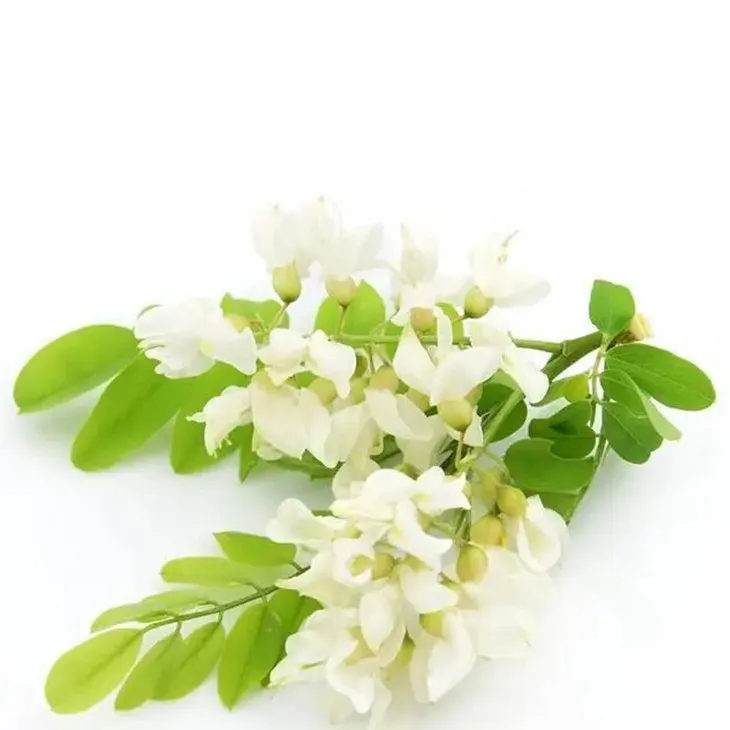
Source Transparency — Know the botanical source (Sophora japonica flower buds are the most common commercial source) and the extraction method.
Regulatory Compliance — Ensure the supplier provides all necessary documentation for your target market, including GRAS status for the US, Novel Food compliance for the EU, and food additive approvals for Asia.
Supply Stability — Greensky's production capacity and export experience (nearly $30 million USD annually) ensures reliable supply for long-term partnerships.
Technical Support — Look for suppliers who can provide formulation guidance, solubility data, stability studies, and regulatory support.
Custom Specifications — A quality supplier should be able to meet custom purity levels, particle sizes, and packaging requirements.
Frequently Asked Questions
Q1: What is the recommended daily dosage of quercetin?A: Most clinical studies use 500–1,000 mg/day of quercetin dihydrate. For immune support during high-stress periods, doses up to 1,000 mg/day have been studied. For general antioxidant support, 250–500 mg/day is commonly used.
Q2: Is quercetin safe for daily long-term use?A: Quercetin has a strong safety profile. The FDA recognizes quercetin as GRAS (Generally Recognized As Safe). Studies of up to 12 weeks at doses up to 1,000 mg/day have not identified significant adverse effects.
Q3: Can quercetin be combined with vitamin C?A: Yes. Vitamin C can enhance quercetin's bioavailability and antioxidant capacity. The combination is popular in immune support formulations, as vitamin C helps recycle oxidized quercetin back to its active form.
Q4: What is the difference between quercetin and rutin?A: Rutin is quercetin bound to rutinose (a disaccharide). The body must cleave the sugar moiety before quercetin can be absorbed. Quercetin aglycone is more directly bioavailable, though rutin has its own unique benefits for vascular health.
Q5: Does Greensky offer water-soluble quercetin?A: Yes. We can supply water-soluble quercetin formulations for beverage applications, as well as standard quercetin dihydrate for capsules and tablets. Please contact us for specific product specifications.
- ▶ Hesperidin
- ▶ Citrus Bioflavonoids
- ▶ Plant Extract
- ▶ lycopene
- ▶ Diosmin
- ▶ Grape seed extract
- ▶ Sea buckthorn Juice Powder
- ▶ Fruit Juice Powder
- ▶ Hops Extract
- ▶ Artichoke Extract
- ▶ Mushroom extract
- ▶ Astaxanthin
- ▶ Green Tea Extract
- ▶ Curcumin
- ▶ Horse Chestnut Extract
- ▶ Other Product
- ▶ Boswellia Serrata Extract
- ▶ Resveratrol
- ▶ Marigold Extract
- ▶ Grape Leaf Extract
- ▶ New Product
- ▶ Aminolevulinic acid
- ▶ Cranberry Extract
- ▶ Red Yeast Rice
- ▶ Red Wine Extract
- ▶ blog
-
Hesperidin
2026-11-14
-
Baicalin
2026-11-14
-
Apricot Powder
2026-11-14
-
Lemon Extract
2026-11-14
-
Coconut Water Powder
2026-11-14
-
Mango flavored powder
2026-11-14
-
Elderberry Extract
2026-11-14
-
Artichoke Extract
2026-11-14
-
Pine bark Extract Powder
2026-11-14
-
White Willow Bark Extract
2026-11-14